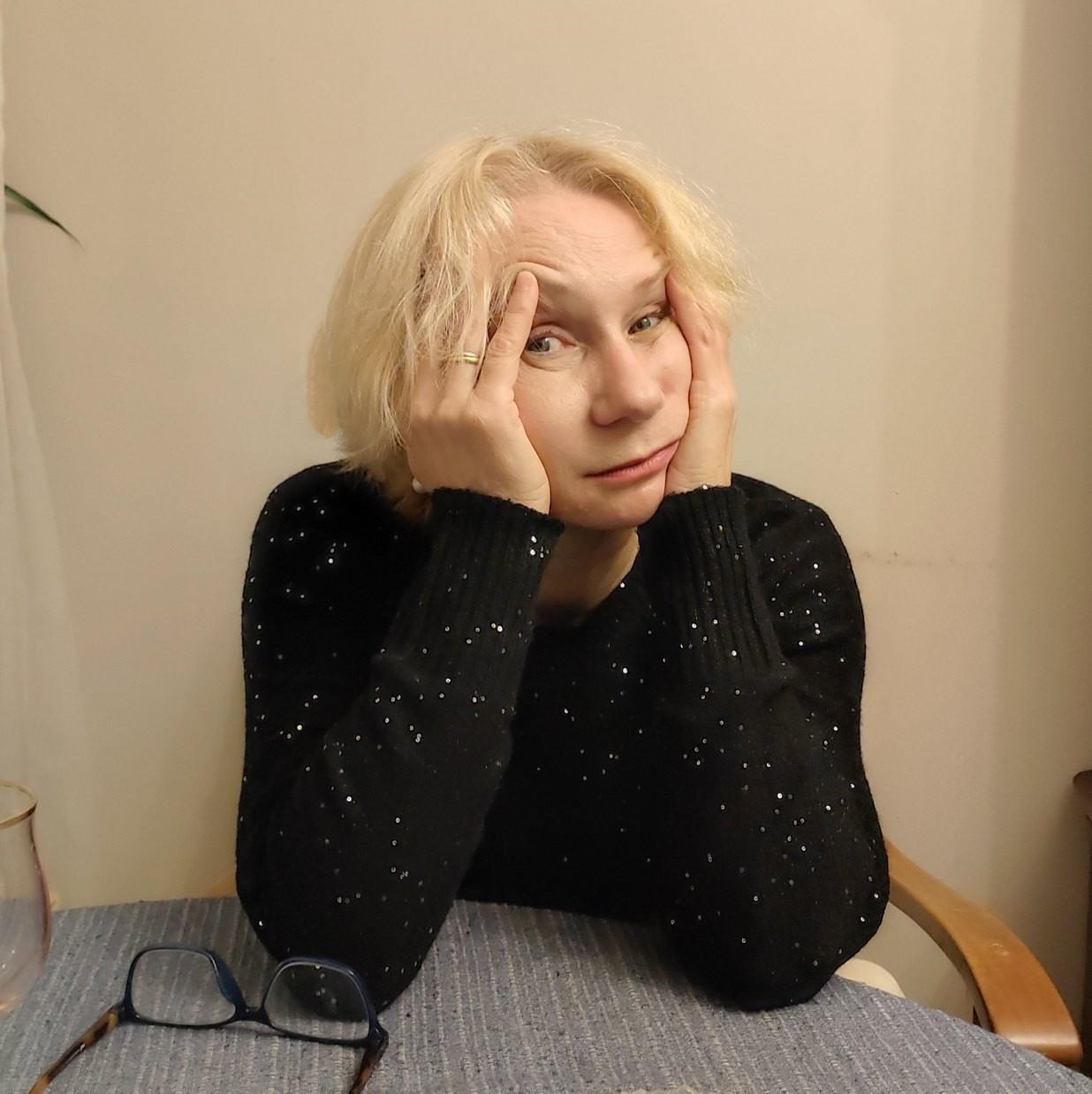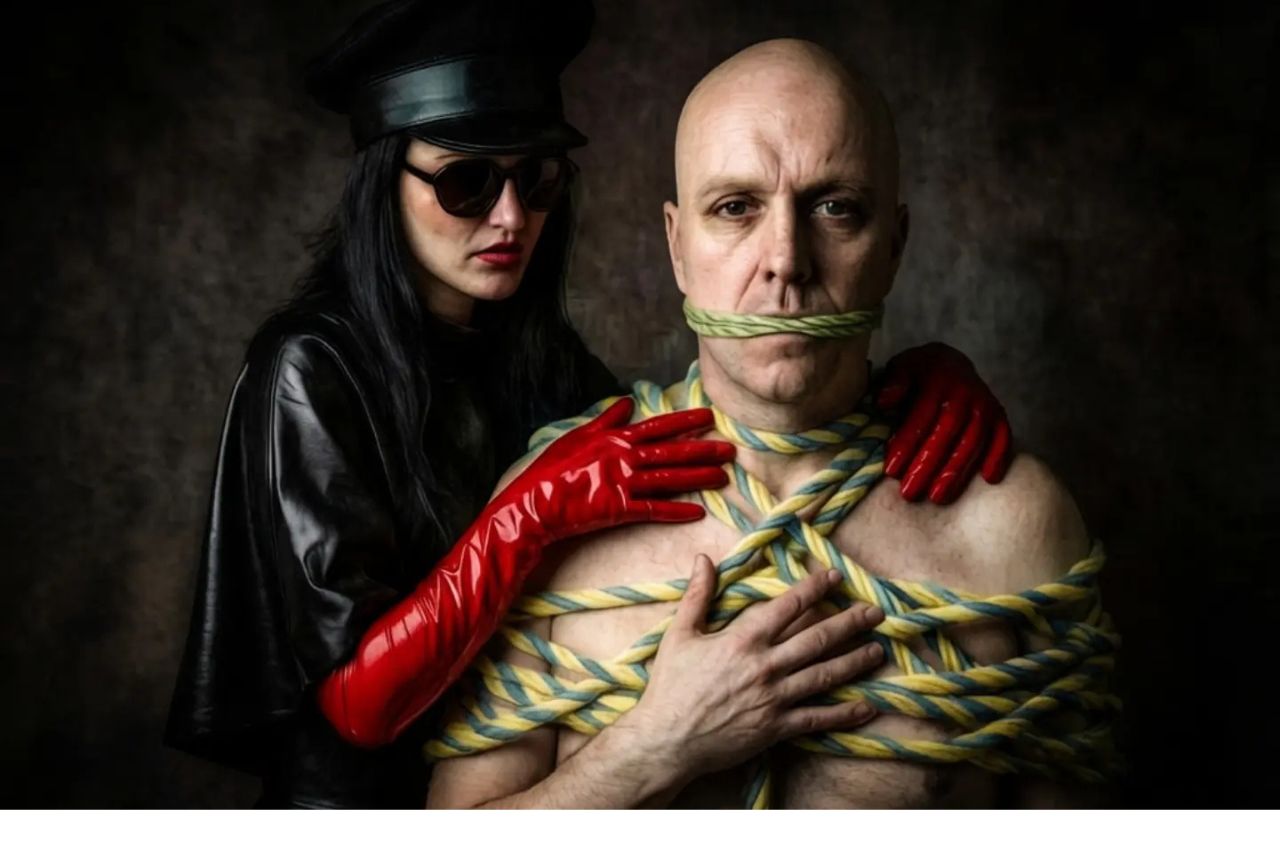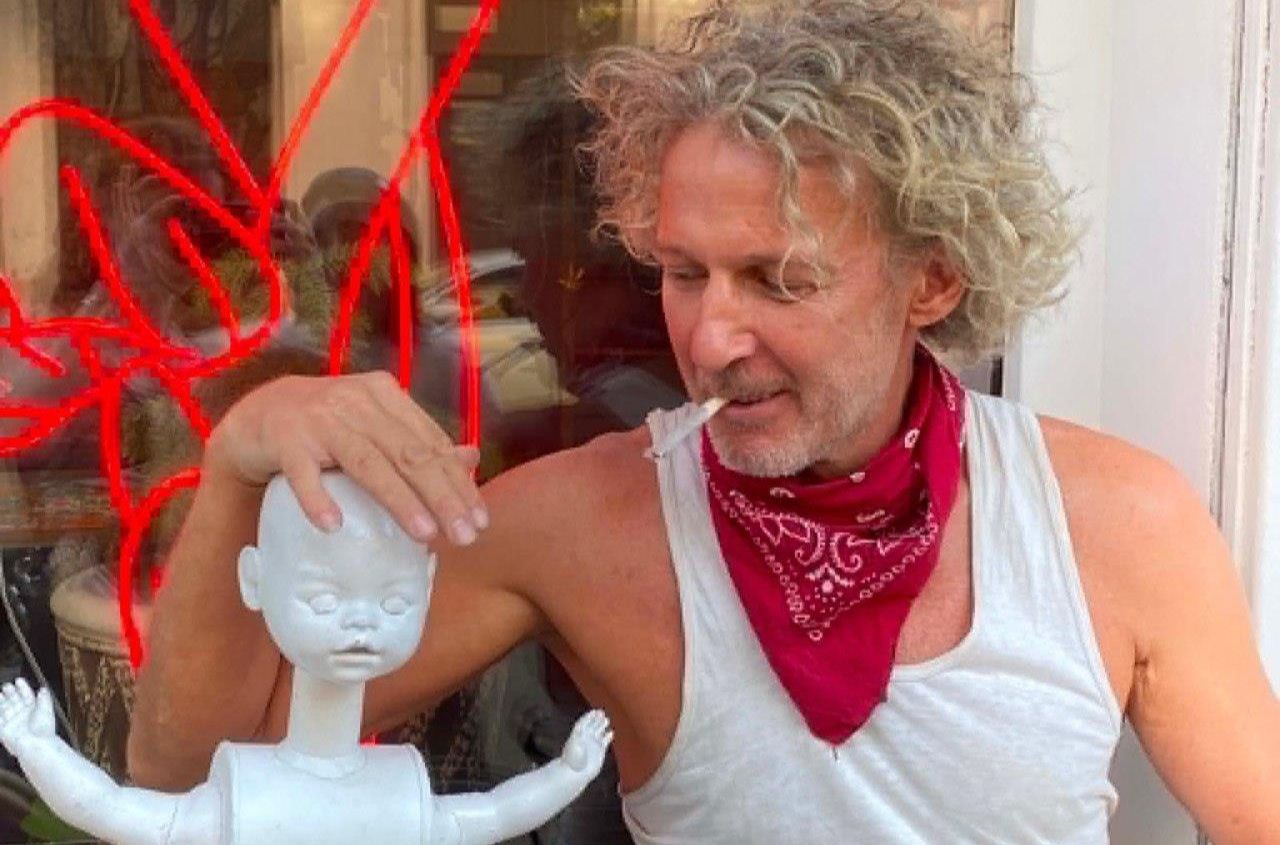


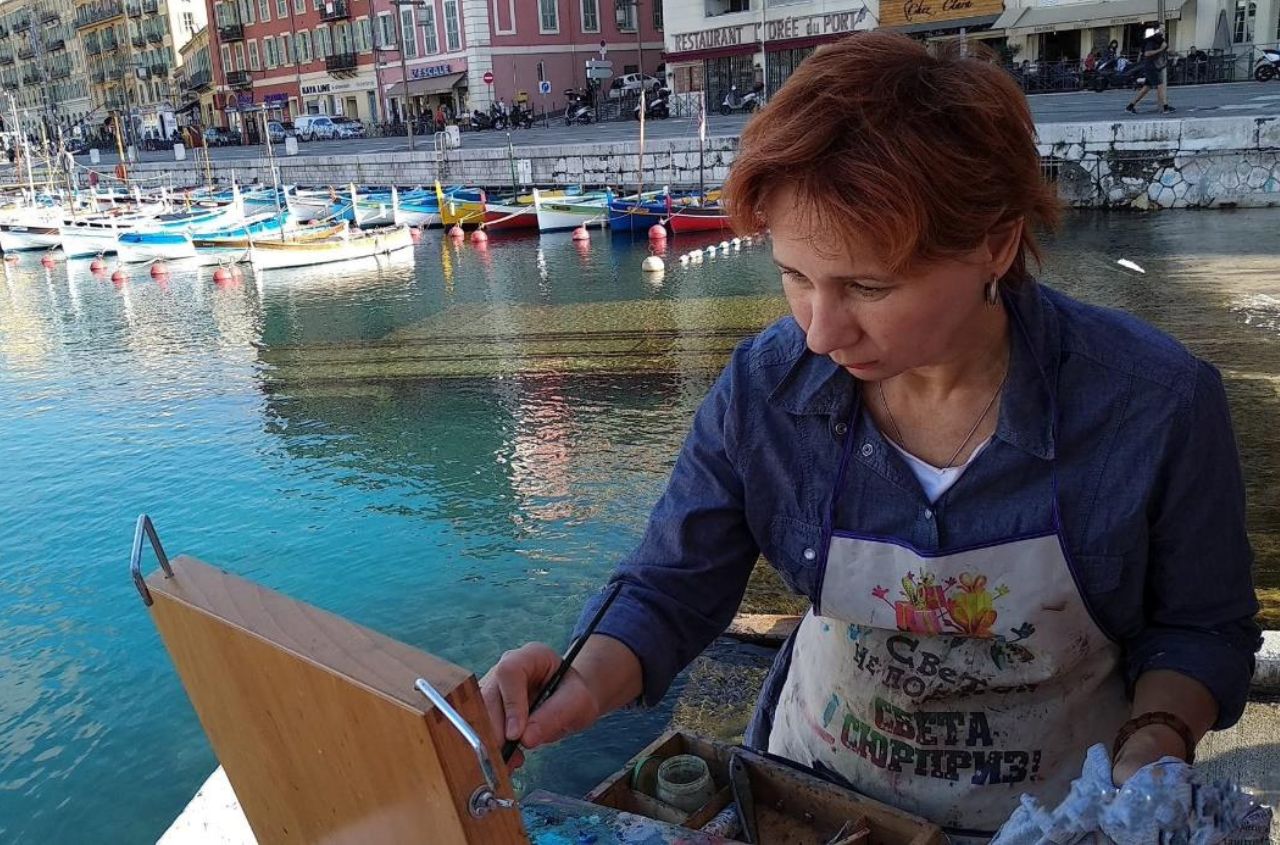
Main image: Svitlana Volokitina
The thirty-ninth interview through images by Andrew Sheptunov
Life often writes scripts that are impossible to predict. For Svitlana Volokitina, who was born and raised in Odessa, art has always balanced between sound and color. While studying at the famous Stolyarsky School, she simultaneously attended an art studio at the Grekov School, choosing what was closer to her. At that moment, music won: Svitlana received a higher musical and pedagogical education, and the violin became her main instrument of communication with the world.
But at some point, this familiar route had to be changed. First, doctors advised against continuing professional violin practice due to back problems, and in adulthood, Svitlana faced another trial—partial hearing loss due to otosclerosis. The world did not plunge into absolute silence, but the remaining thirty percent was critically insufficient for a professional musician.
It was at this point that her creative energy returned to its second source. Svitlana had to remember her childhood classes in the studio and realize that she was also an artist. Painting became a real lifeline, the very foothold that allowed her to maintain balance after moving to another country. She began transferring her inner symphony directly onto canvases, replacing notes with fine brushstrokes of paint. And to solidify this path professionally, Svitlana graduated from the Odessa Art and Graphic Faculty last year.
Over time, medicine worked its miracle—a surgery in Germany helped restore her hearing. And although Svitlana still plays the violin for herself, a return to music as a profession did not happen. The two creative worlds finally merged into one: now music sounds as a deep, inspiring background for creating new canvases.
Today, Svitlana's paintings are not just a skillful reflection of reality; they are a true window into a parallel world. In her canvases, everyday life acquires deep philosophical meaning, portraits broadcast subtle psychology, and landscapes of her native Ukraine, from the hidden corners of Kuyalnik to the sea coast, become tangible places of power. Her painting allows the viewer to physically feel the sound of the wind or catch the hidden emotion of a person.
For this interview, we chose a special format of communication, deciding not to limit the artist to the strict framework of ordinary text. We asked Svitlana questions, asking her to answer them not only with words but also with her own works. Each painting presented below is a visual answer, a direct and sincere message, supplemented only by brief author's comments. We invite you to immerse yourself in this dialogue where colors speak.
1. Which of your works best conveys that very connection between music and painting that you have felt since childhood?
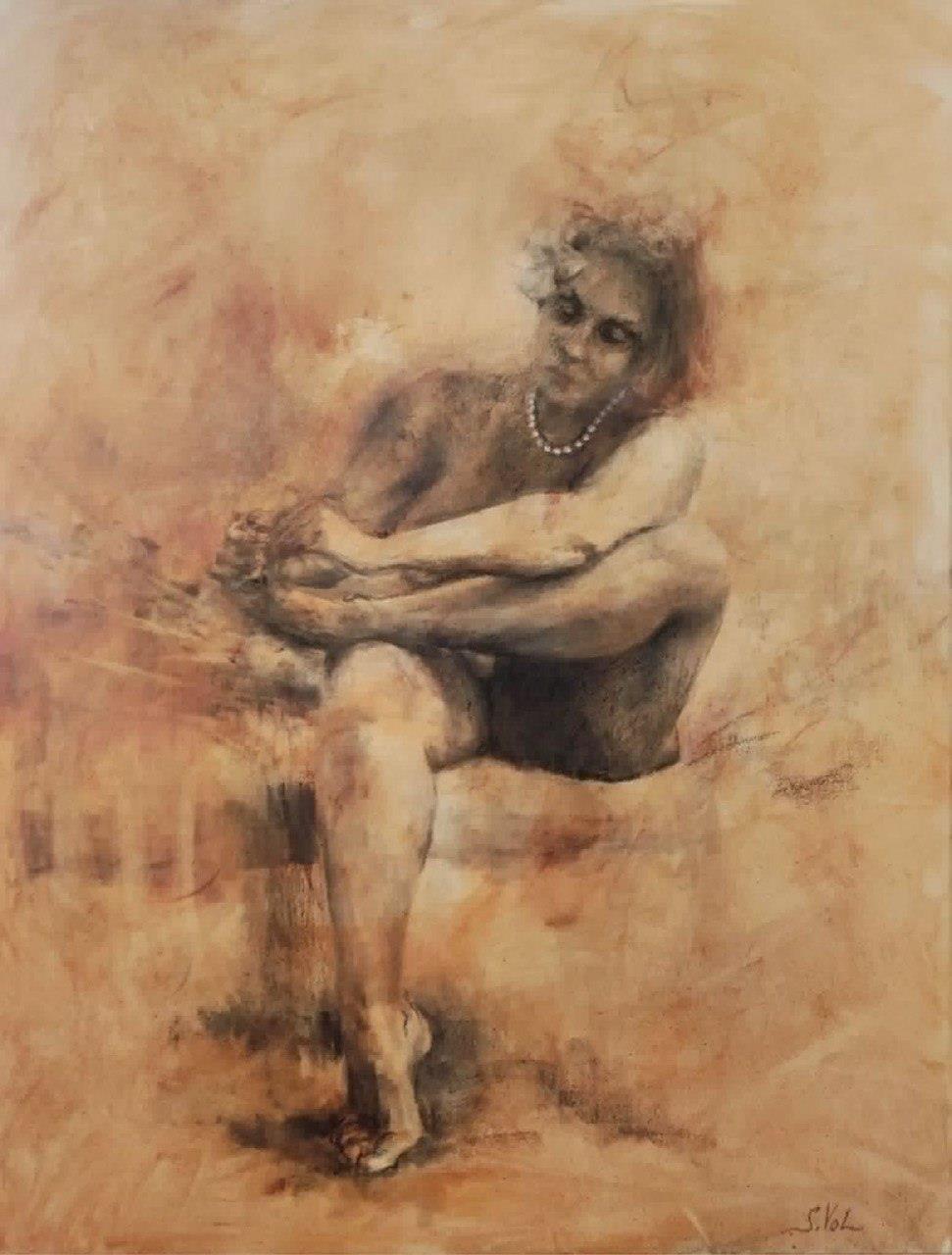
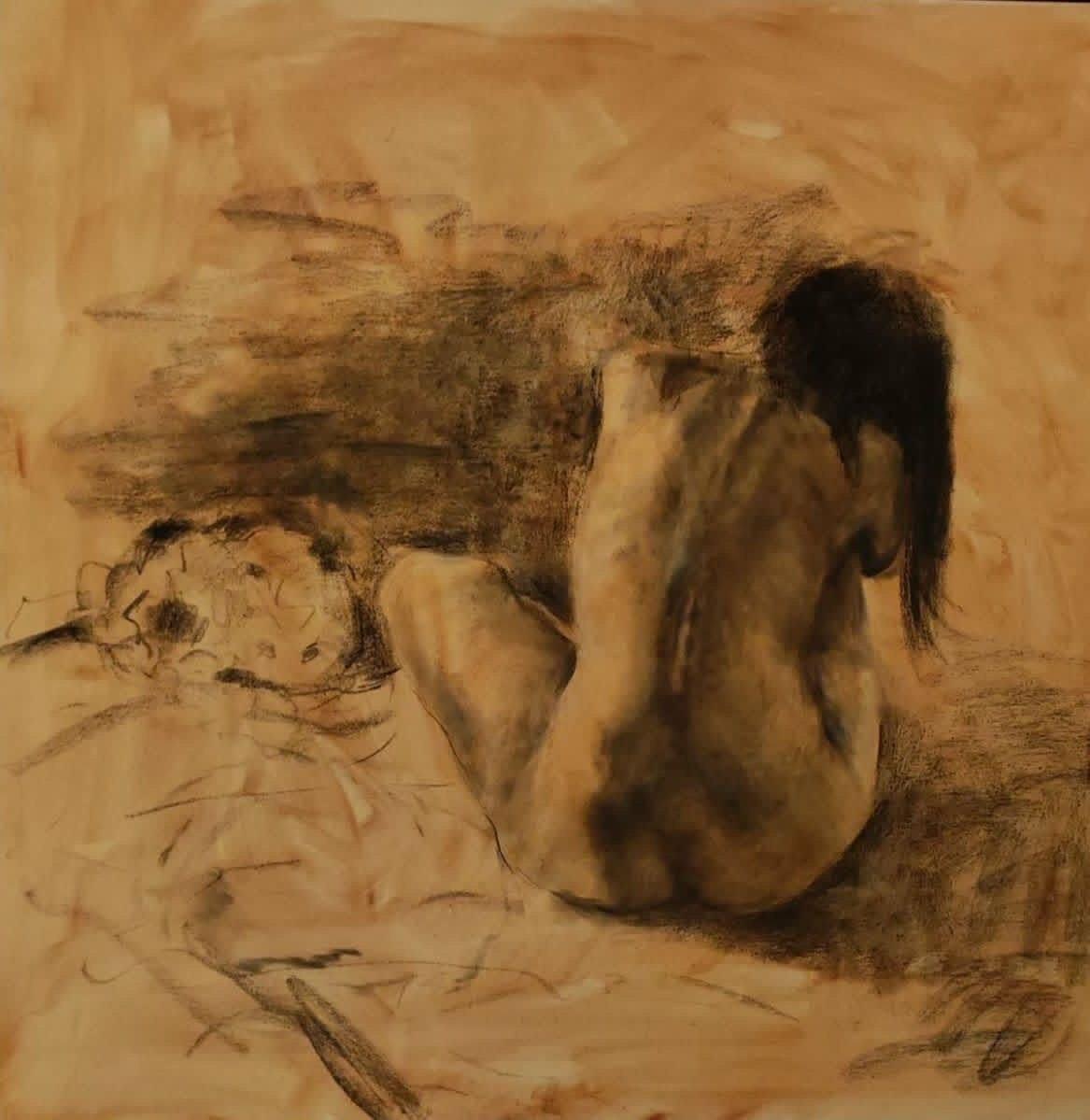
Svitlana's comment: "Every work of mine is connected with music. If I were to give an example of a specific sound, the painting depicting a nude human body is the divine origin, it is true cosmos. In such moments, I hear inside me, for example, Largo from Bach's Fifth Concerto, his Chorale Prelude in F minor, or any violin partita."
2. Show us a work depicting your favorite, yet hidden from tourists, corner of Ukrainian nature.
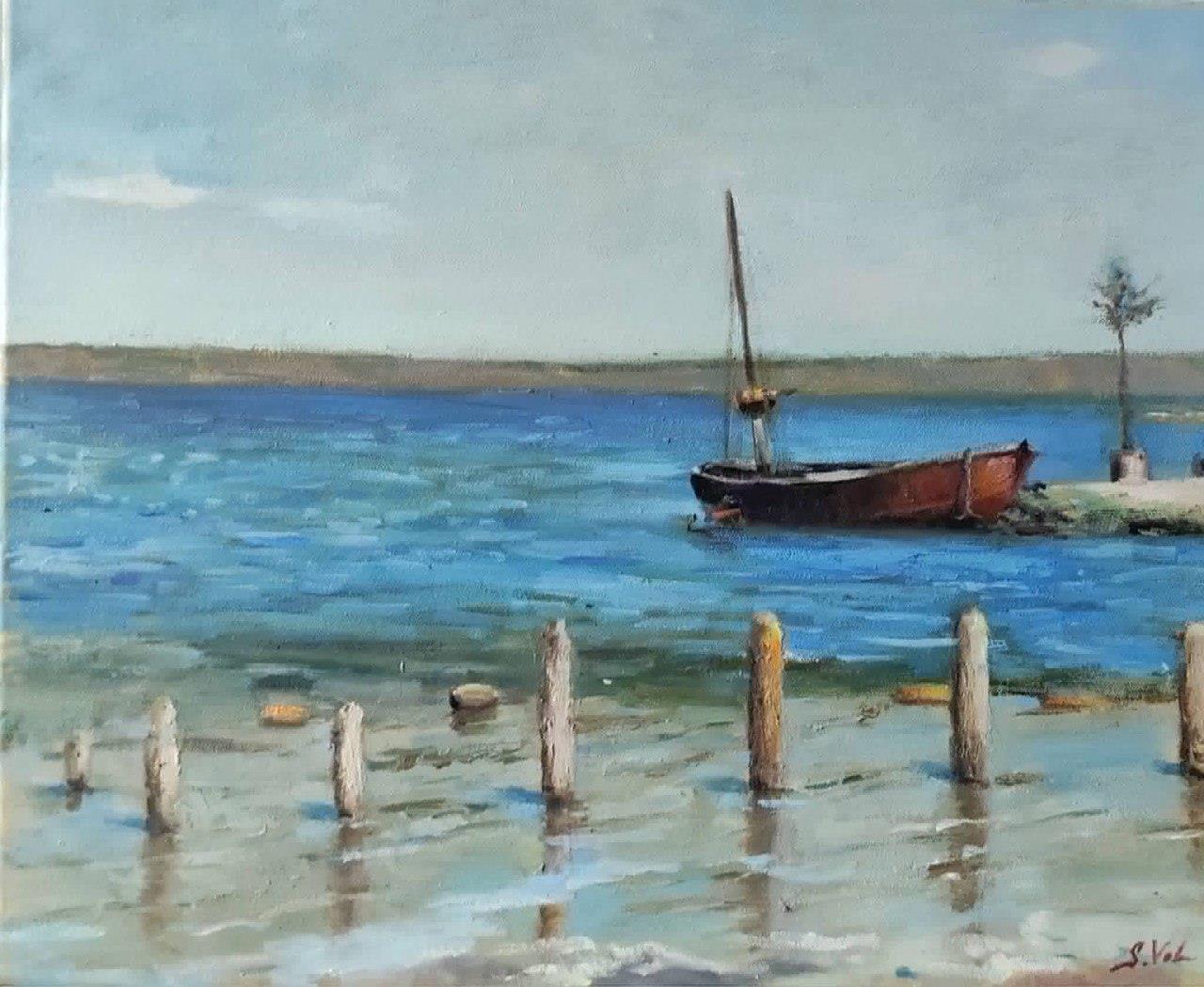
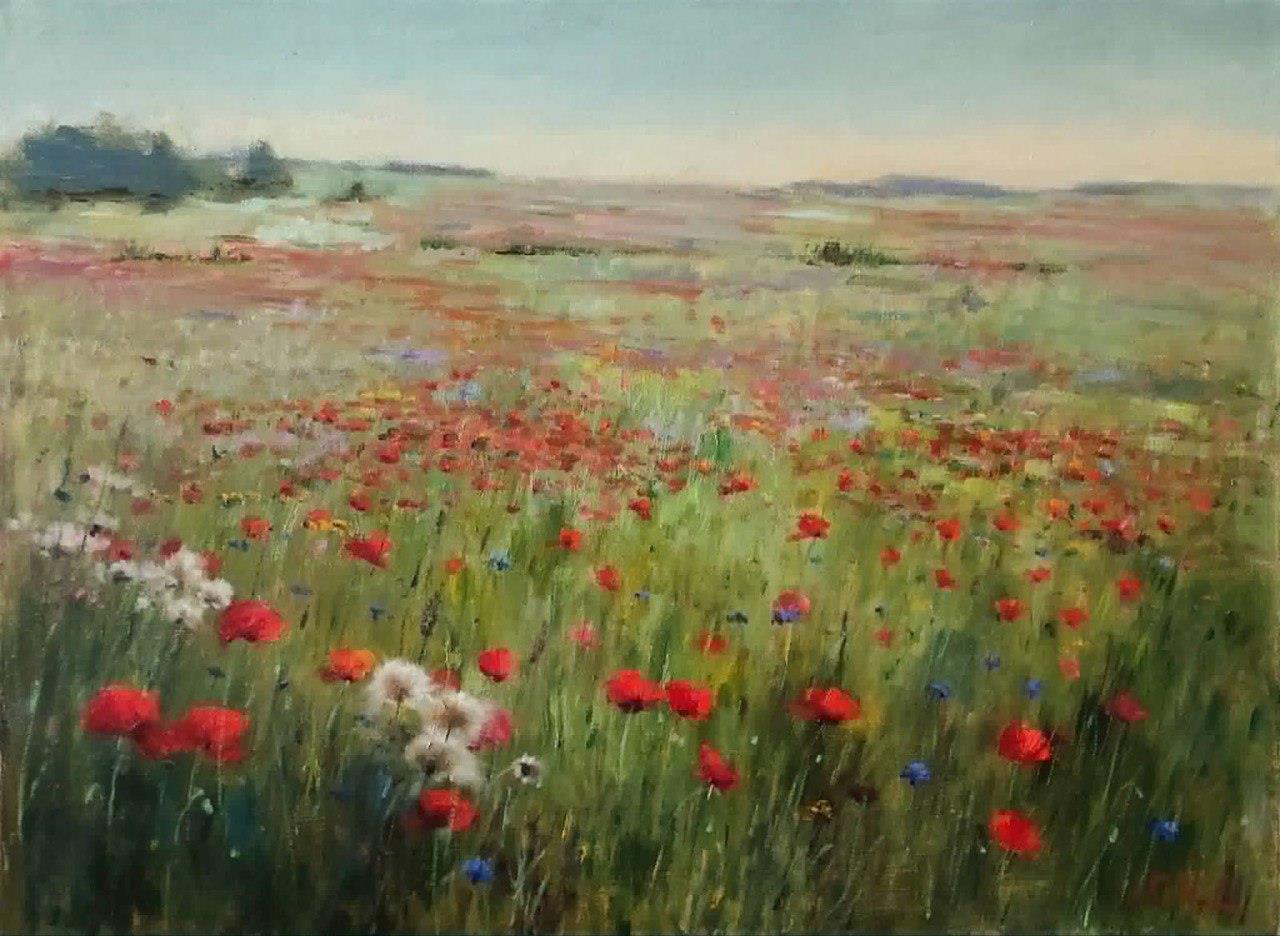
Svitlana's comment: "I can't say that this is exactly a favorite corner, rather it is a place of power and at the same time a place of pain. But the fact that not every tourist will get here is absolutely certain. And behind Kuyalnik itself, a little further away, poppies sometimes grow, forming a whole boundless field."
3. Which work would you call your most sincere declaration of love for your hometown and its coast?
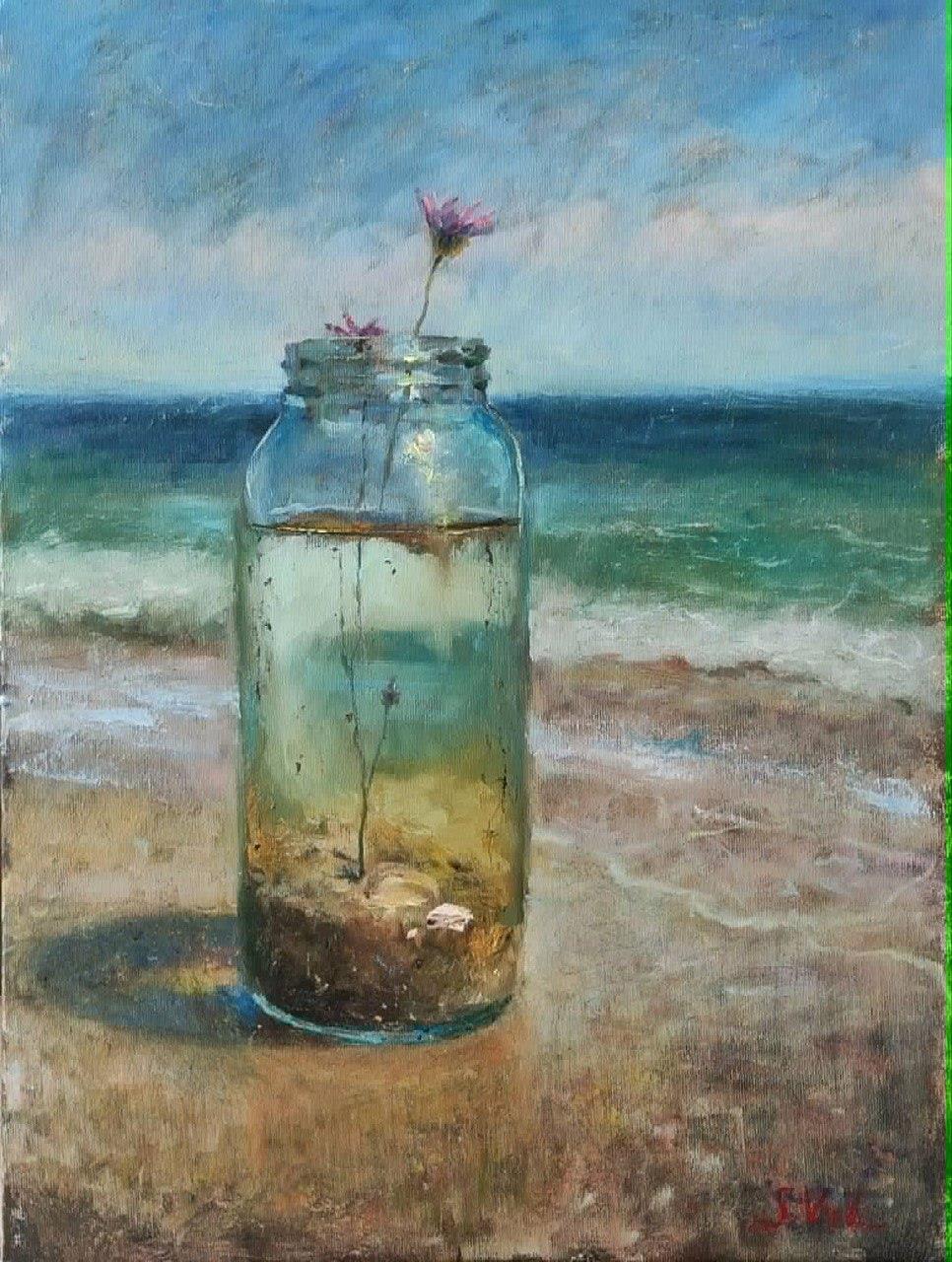
4. Show a work that became a creative salvation or a foothold for you after moving to a new country.
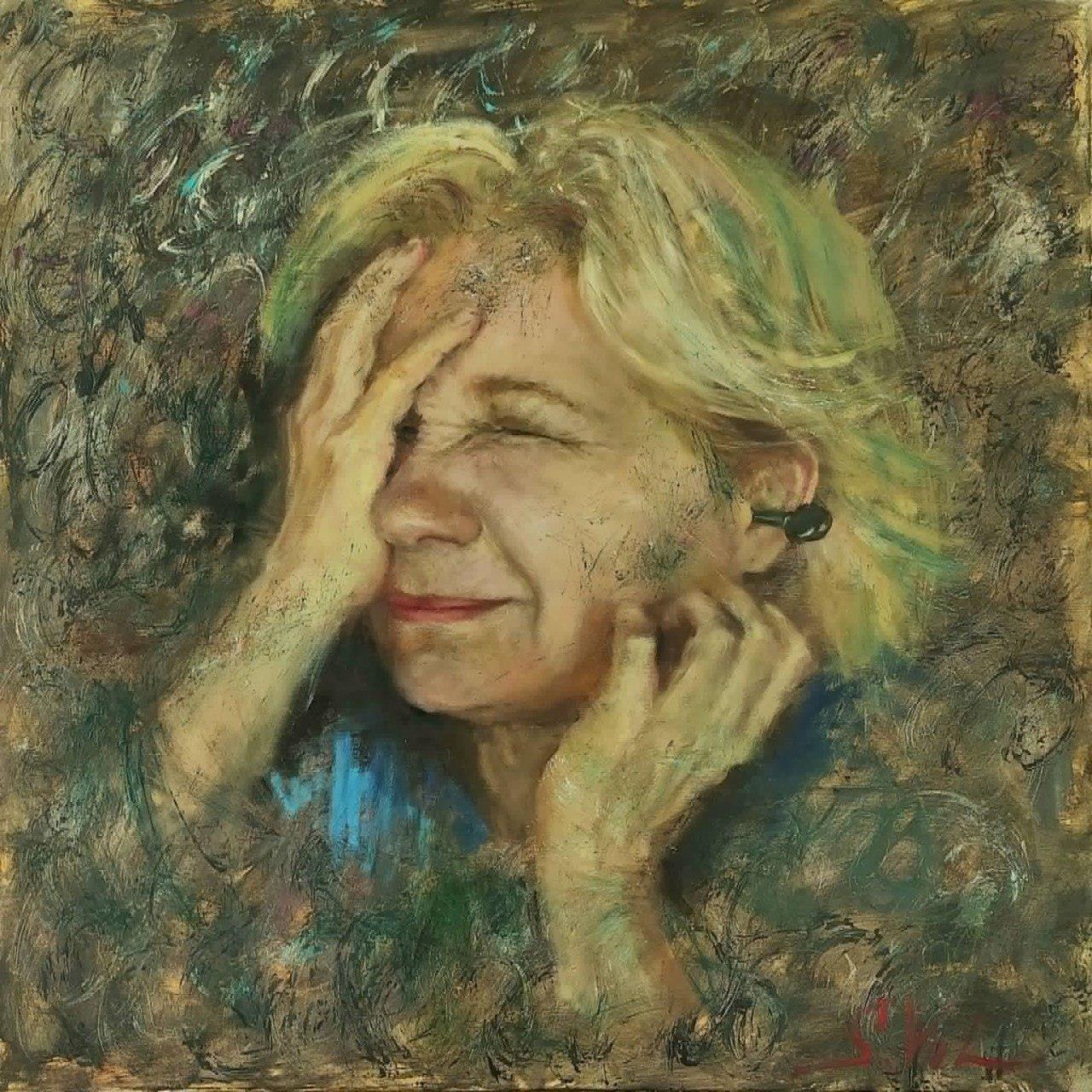
Svitlana's comment: "Painting itself is the main foothold for me. Initially, I associated myself exclusively with the violin, since my studies at the Stolyarsky School. My first higher education was musical and pedagogical. But in adulthood, I suddenly became a deaf person and could no longer be a musician. I had to remember that I am also an artist. Later, a surgery in Germany restored my hearing, but now music is present in my life only as a background for painting."
5. Which portrait from your portfolio was the most difficult for you in psychological, not technical, terms?
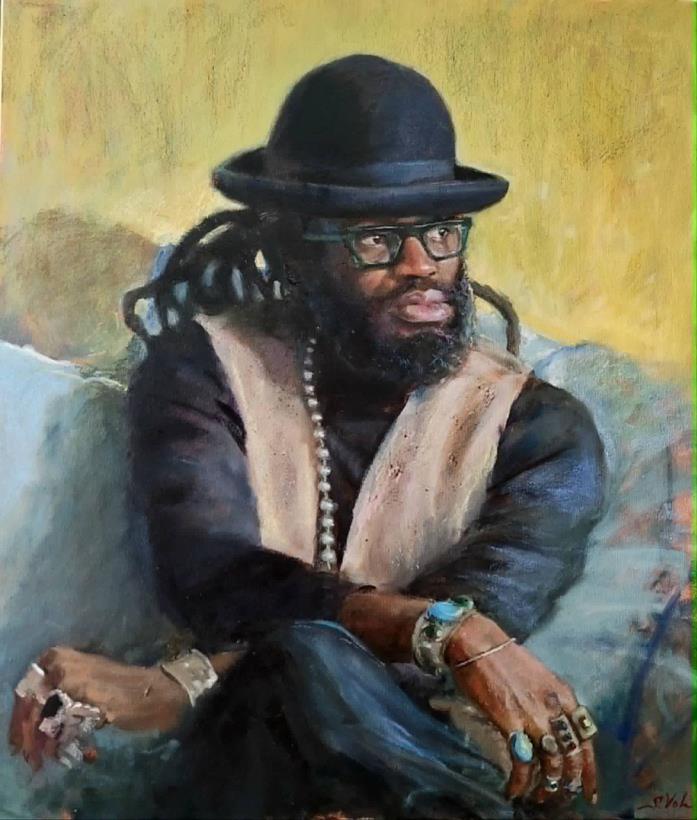
Svitlana's comment: "Psychologically, the most difficult was the portrait of Kiff, my friend from Berlin. I really wanted to convey his subtle nature, rich inner world, and deep, intelligent gaze. At the same time, it was important that the portrait didn't turn out sad. I tried to show him as he is in life—a fashionable, intellectual connoisseur of the Berlin Philharmonic."
6. Demonstrate a painting where you deliberately balance on the edge between strict realism and an impressionistic feel.
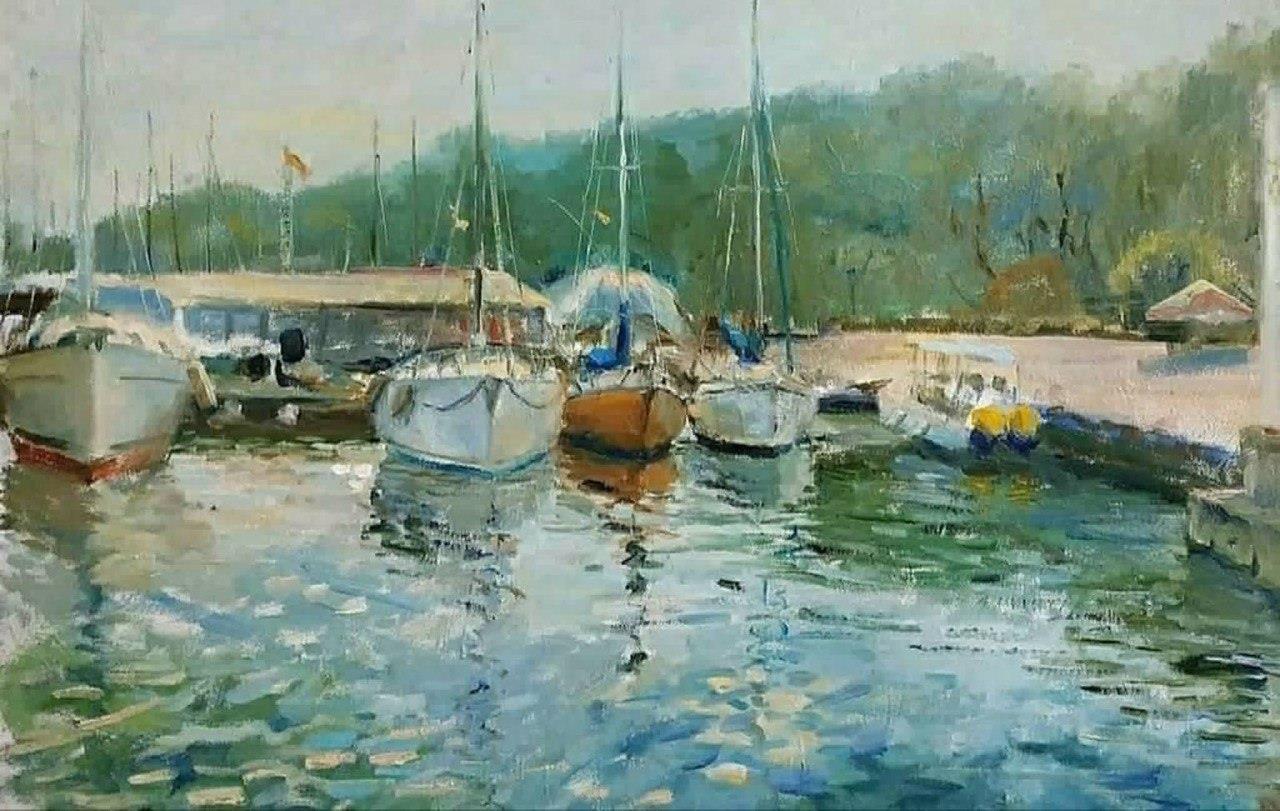
7. Which work best illustrates your ability to find deep meaning in the simplest, everyday things in the kitchen or in daily life?
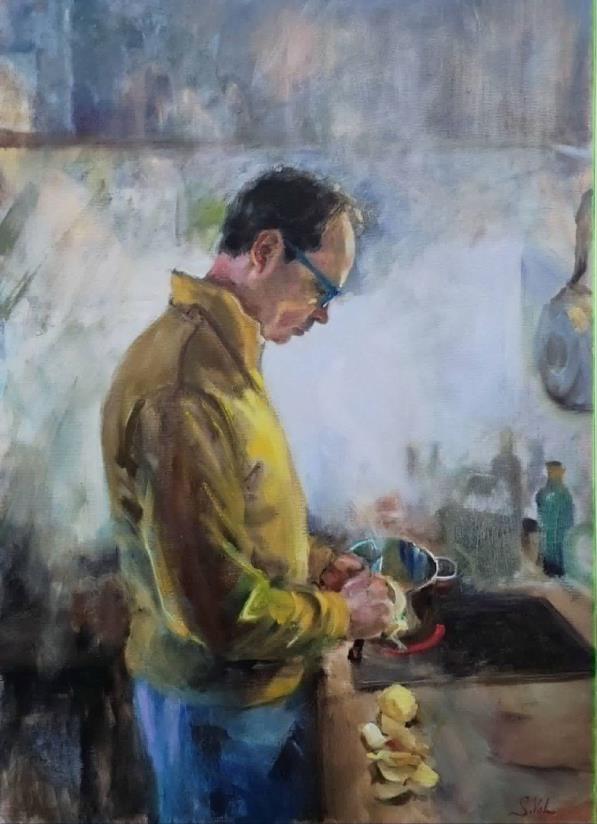
Svitlana's comment: "Finding deep meaning in simple things, in everyday life—that is exactly a story about me and my paintings. Probably, the true joy of life lies in this ability to see the essence."
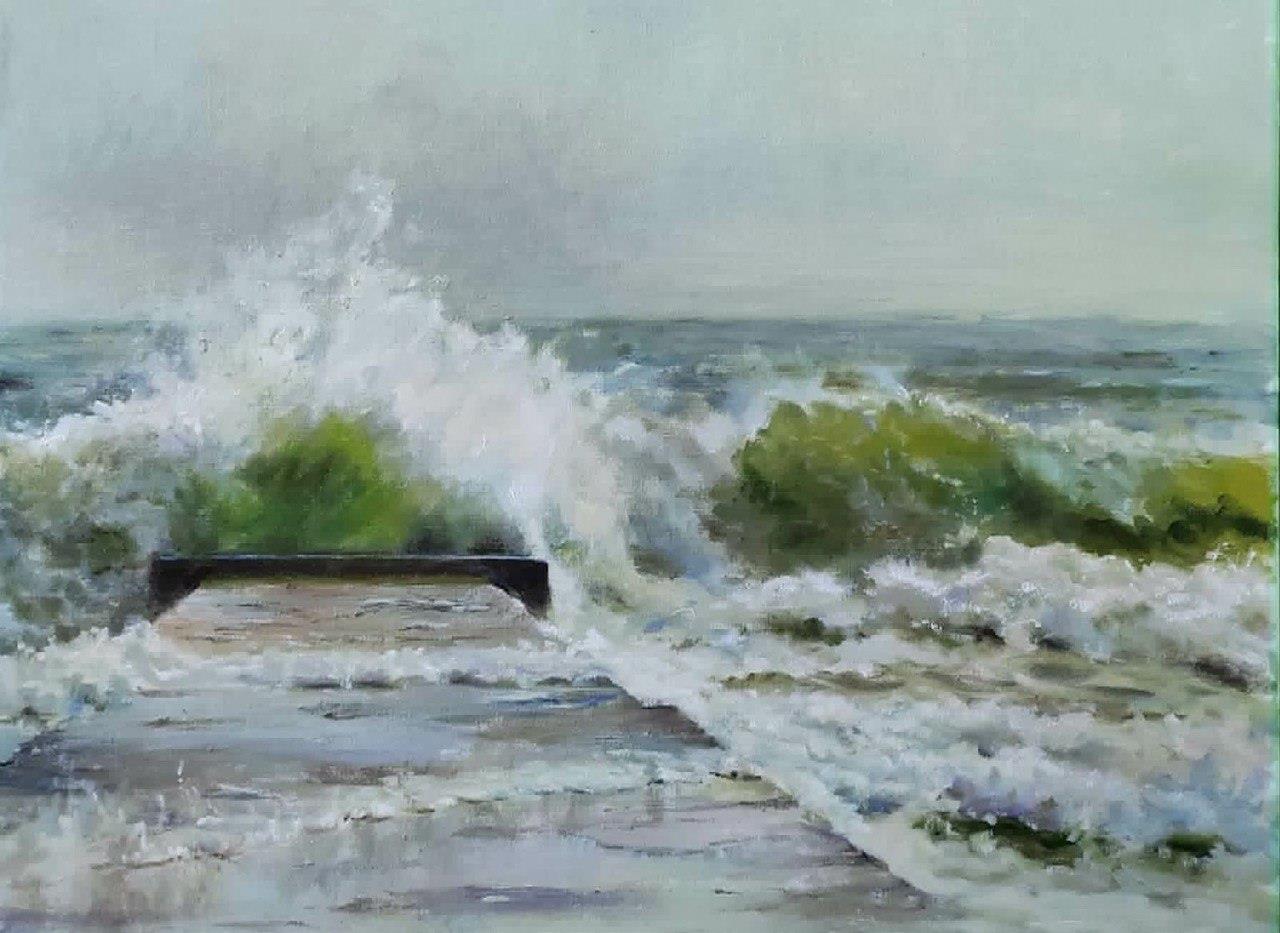
8. Show us a landscape looking at which the viewer can almost physically feel the sound of the waves and the salty sea wind.
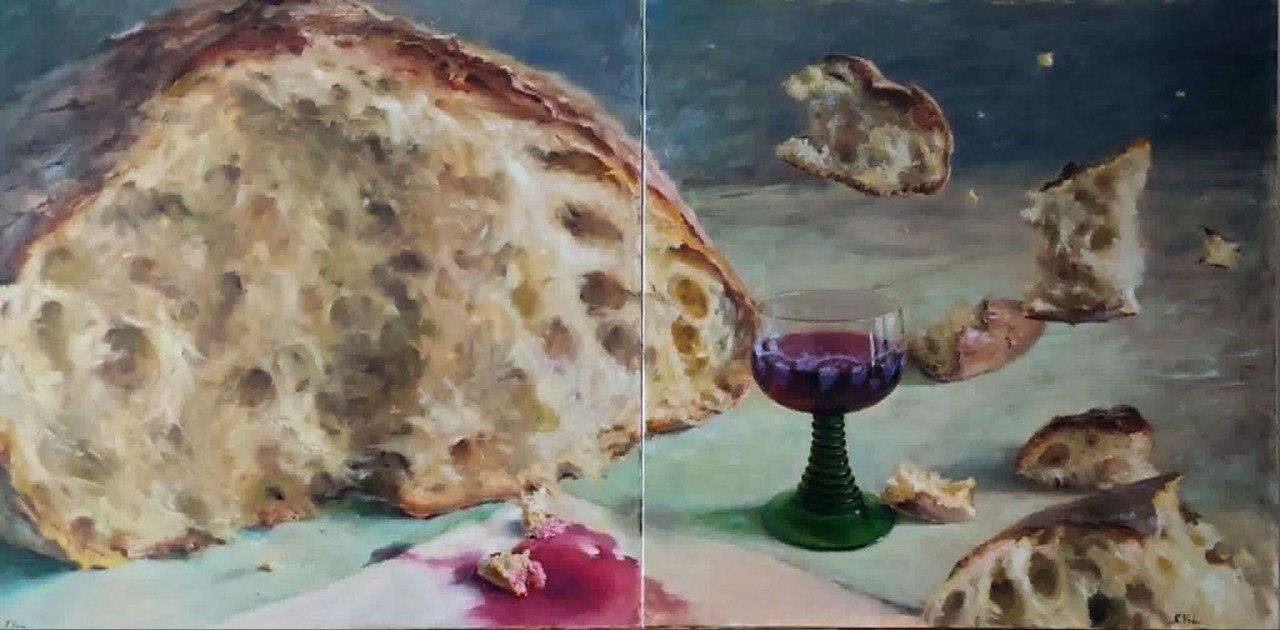
9. Which of your still lifes do you consider the most emotional and expressive in its palette?
10. Show a work that was initially planned completely differently, but in the process of creation, the canvas and colors dictated the finale themselves.
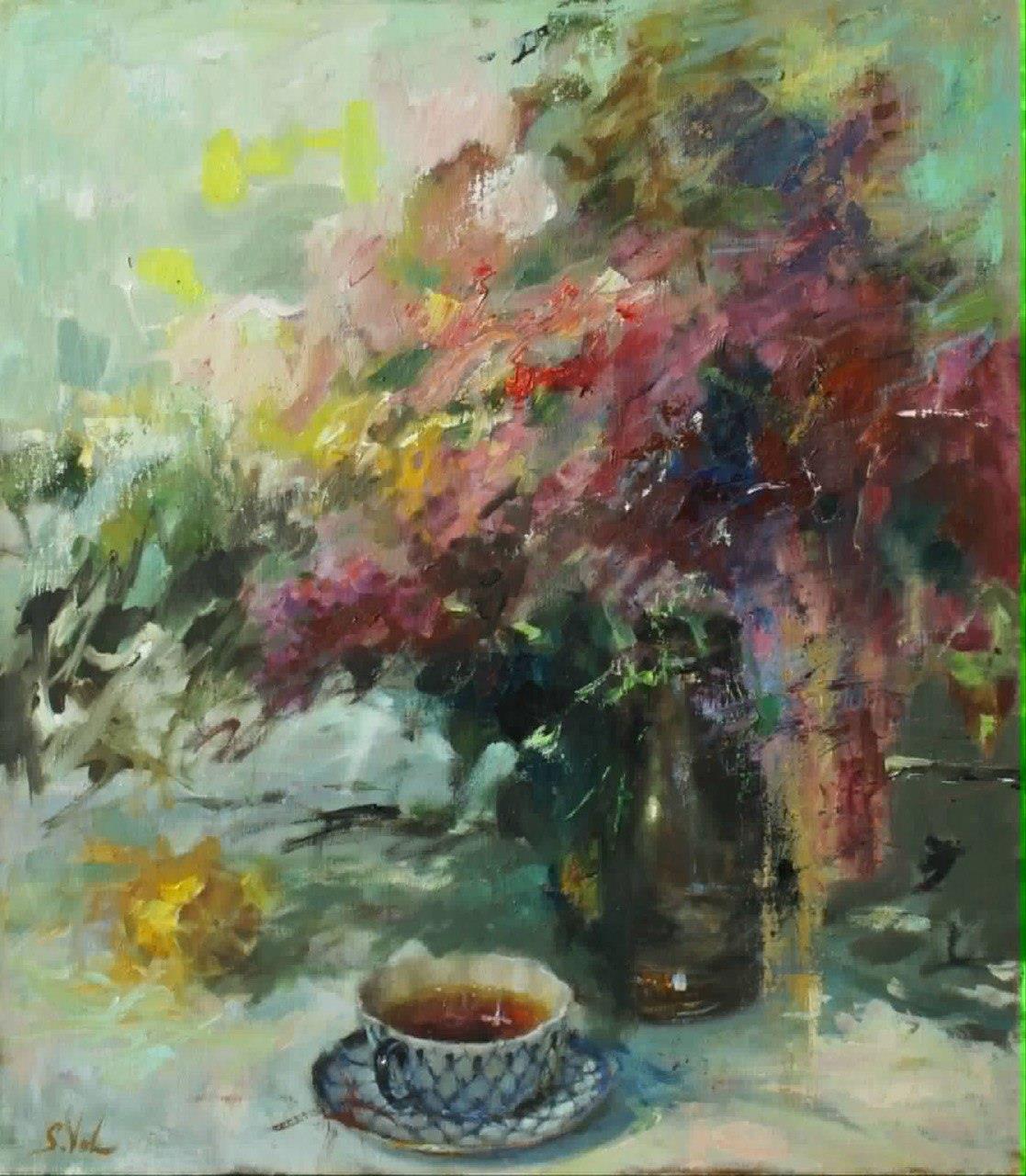
Svitlana's comment: "Initially, this jug on the canvas was filled with brushes and pencils. But in the process of working, I still decided to put lilac branches in it."
11. Which work best reflects your many years of experience interacting with students as an art teacher?
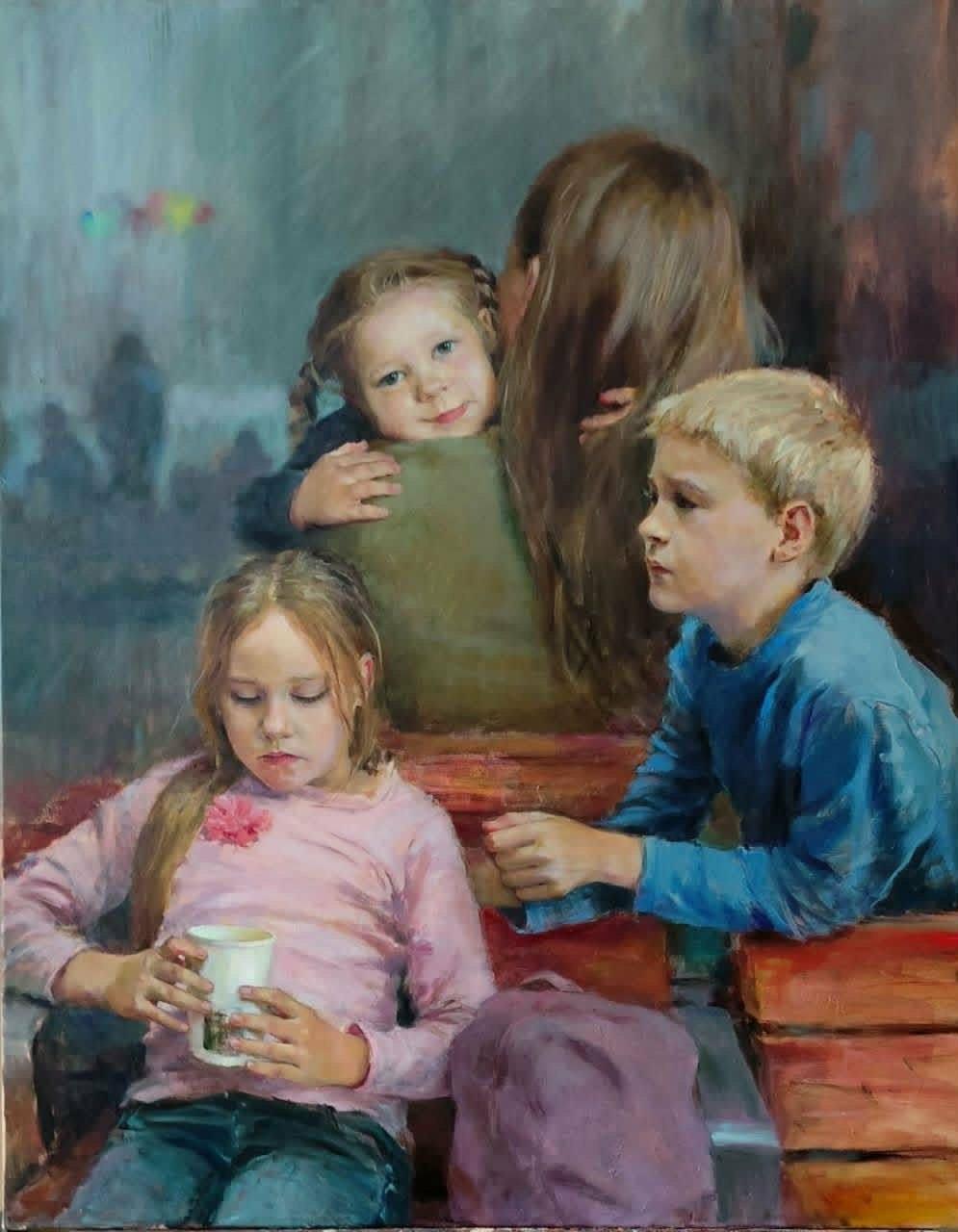
Svitlana's comment: "It is quite difficult for me to find one painting that would reflect exactly the experience of communicating with students. But I have many works that capture the experience of sincere interaction simply with children in a variety of, sometimes difficult, life situations."
12. Show a canvas where you managed to catch that elusive human emotion that is usually hidden from others.
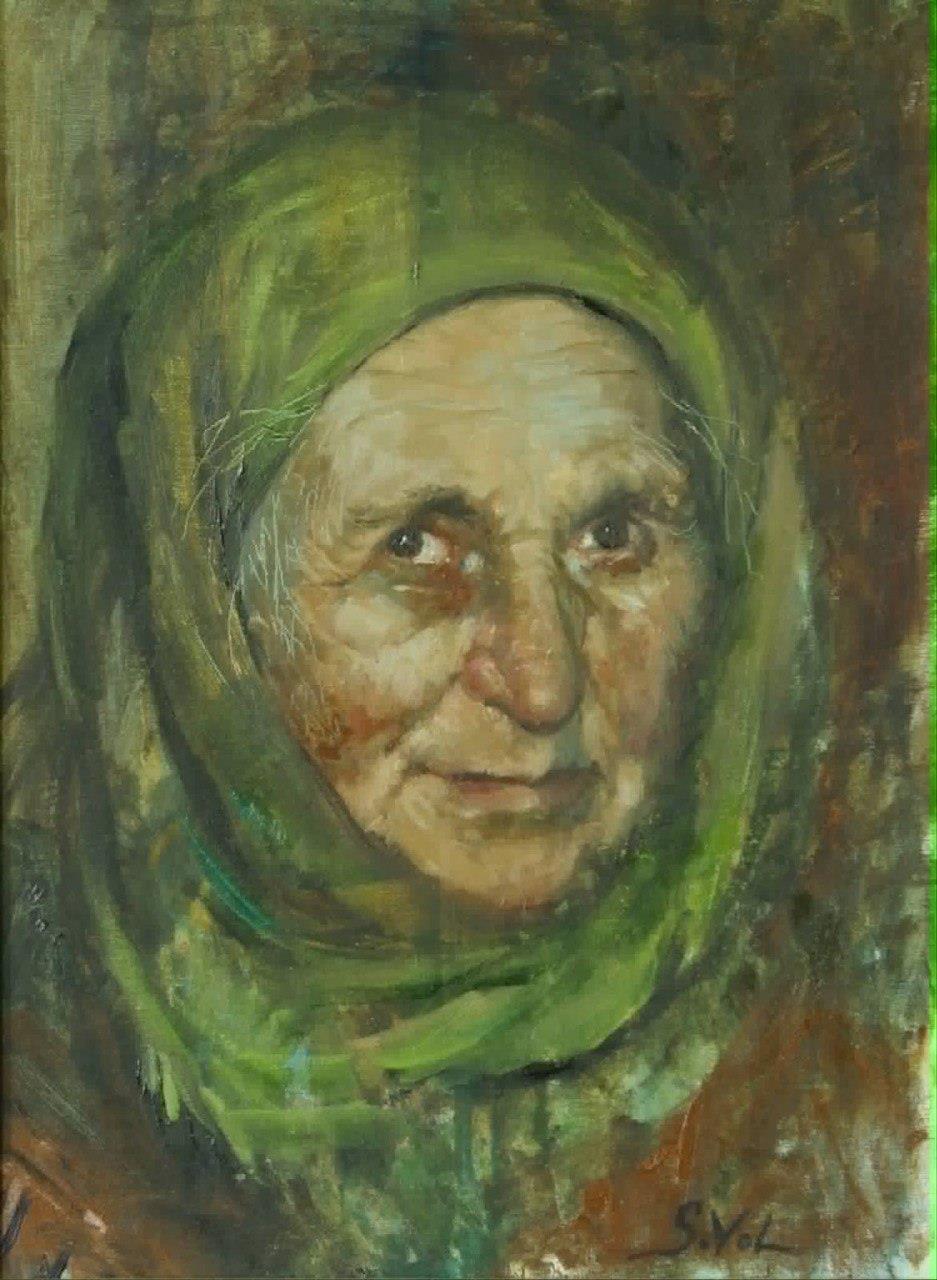
Svitlana's comment: "This is a portrait of my Grandma Khrystia, painted in the last year of her life."
Svitlana's art proves that true art knows no barriers, and any life trials can become the beginning of a new, amazing journey. In every work of hers, be it a piercing psychological portrait, a noisy seascape, or a quiet kitchen still life, there lies an enormous willpower and a boundless love for life. Her paintings do not just please the eye—they make the viewer stop, listen to themselves, and perhaps, for the first time, clearly hear that very inner music that sounds in each of us.
For Svitlana Vol, painting has long ceased to be just a profession, turning into a way of breathing and the most honest dialogue with her viewer. Opening a window into her parallel world for us, she generously shares the warmth and light that are sometimes so lacking in the hustle and bustle of everyday life.
And this dialogue definitely does not end with the last painting in our interview; it continues every day in her studio, where right now new visual symphonies, full of hidden meanings and subtle emotions, are being born.
To keep this unique connection and continue following the new stages of the artist's creative path, we invite you to join her virtual galleries. You can see even more stunning works, peek behind the scenes of their creation process, and personally support the author by subscribing to her official pages on Instagram and Facebook. Stay on the wavelength of this amazing art, where colors can sound, and silence speaks louder than any words.