

By Max Gardus
Just a few years ago, Hungary was the main political advocate for Russian gas within the European Union. Budapest systematically blocked or softened parts of the EU's energy decisions, promoted long-term cooperation with Gazprom, and remained one of the key customers for Russian pipeline gas via TurkStream.
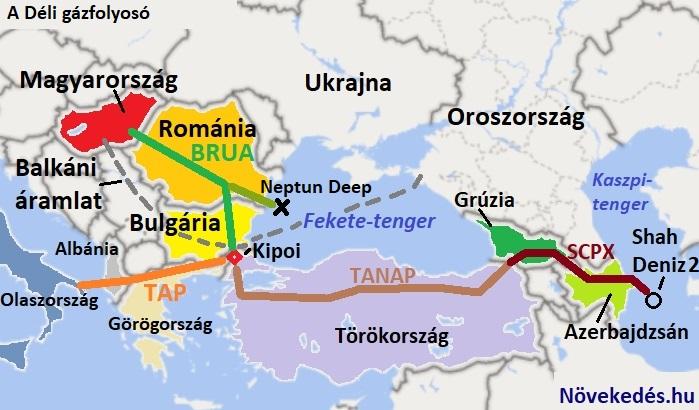
That is why the news that Hungary is negotiating future gas supplies from Romania's Black Sea project Neptun Deep is far more than just a commercial story. It is a signal of structural change in the energy architecture of Central Europe. But the change of government in Hungary from Orbán to Magyar offers hope for an alternative path.
The change of Hungarian government opens up opportunities for diversification, since the new authorities are interested in improving relations with the EU — for purely pragmatic reasons: Hungary needs transfers. And the European Commission has adopted the REPowerEU plan for a complete phasing out of Russian fuel imports.
And here are the first results: on May 22, the Hungarian outlet Index reported that Budapest is considering Romanian gas as one of the key alternatives to Russian supplies after 2027. While Hungarian officials publicly avoid the language of "abandoning Russian gas," the very fact of such negotiations demonstrates that even the Kremlin's closest partners are beginning to prepare for a post-Gazprom world.
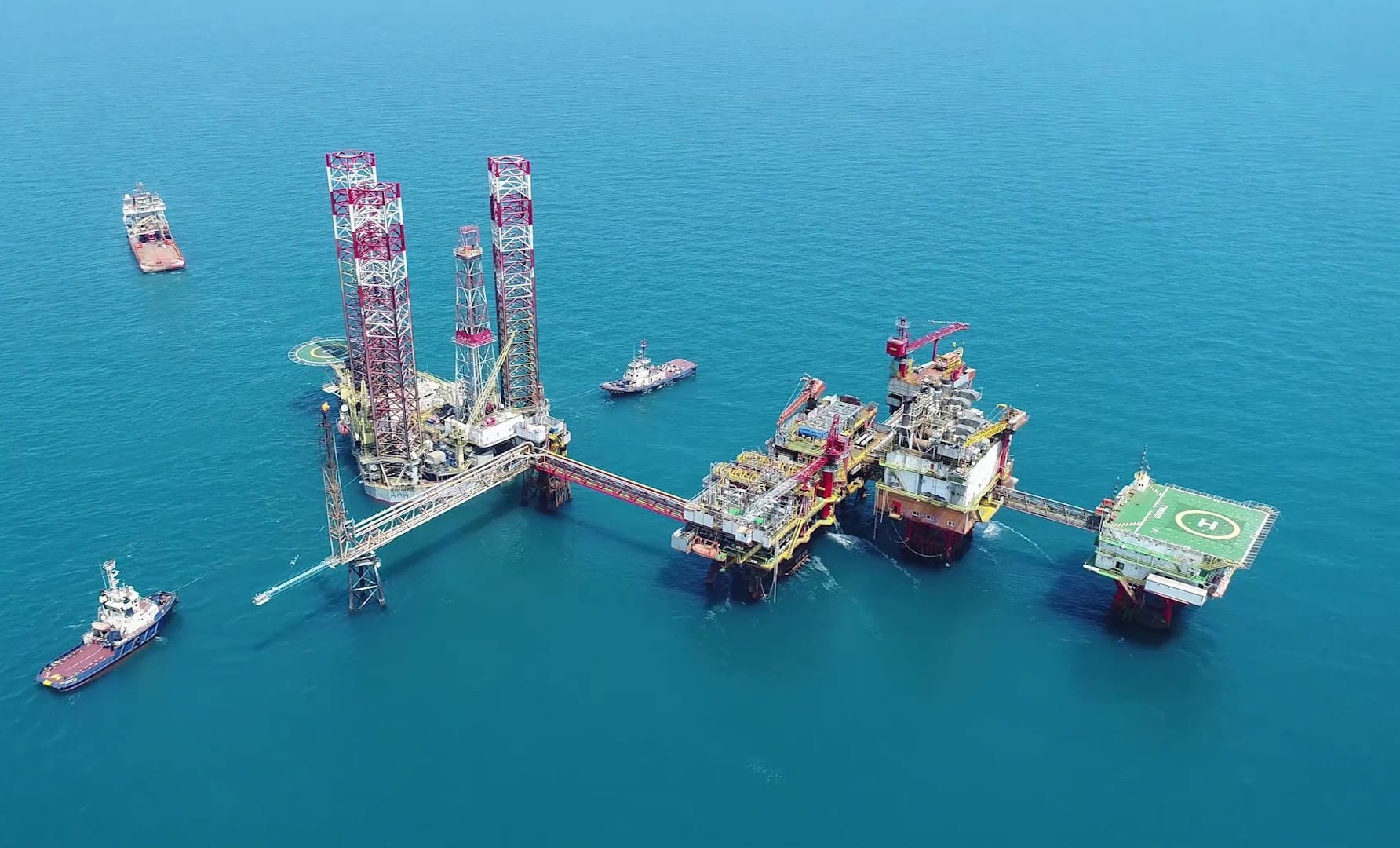
Neptun Deep is the largest new gas project in the European Union in recent years. The field is located in the Romanian sector of the Black Sea, approximately 160 kilometres from the coast.
The project is being developed by the Romanian state company Romgaz and the Austrian company OMV Petrom, a subsidiary of OMV.
Reserves are estimated at approximately 100 billion cubic metres of gas — more than the annual gas consumption of all of Central Europe combined.
Following the launch of production in 2027, Romania could: double its own output, become one of the EU's largest gas producers, and transform into a net gas exporter.
This truly changes the rules of the game. Until now, Central Europe had only a few real options: Russian pipeline gas; more expensive LNG via Adriatic or North Sea terminals; and limited volumes of Norwegian gas.
Neptun Deep is the first major regional resource that is physically close to the markets of Hungary, Slovakia, Austria, and even southern Germany.
This story is particularly significant for Hungary. The country consumes around 9 billion cubic metres of gas per year, and a substantial share of that still comes from Russia via TurkStream and long-term contracts with Gazprom.
That is precisely why the words of Hungary's foreign minister were so telling. In a comment to Reuters, he stated: "This new gas field will be the only new source of gas in the region that can genuinely contribute to energy diversification."
This is effectively a public acknowledgement that new large sources of pipeline gas in the region are almost non-existent, and that Romania is becoming critically important to the future energy balance of Central Europe.
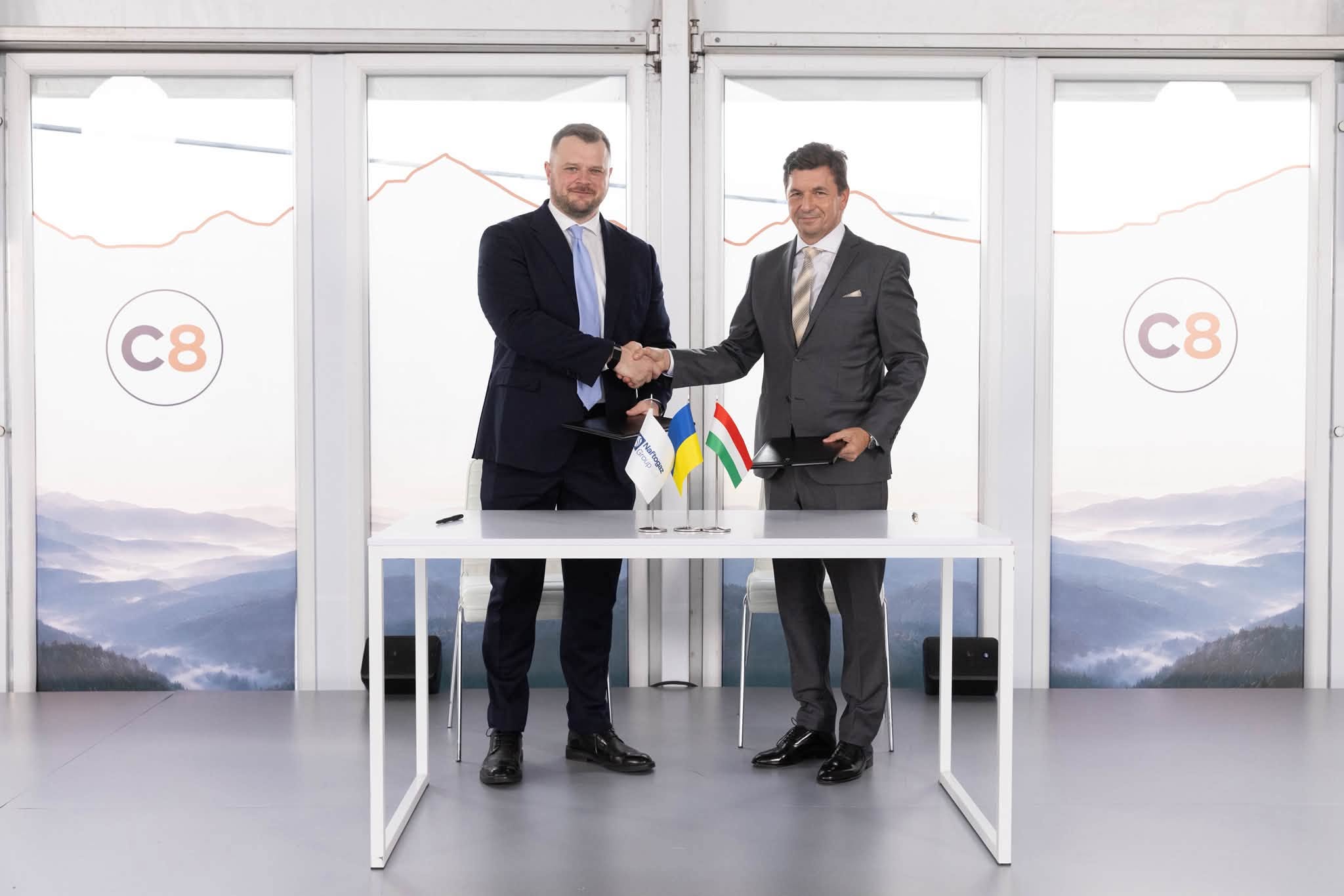
Negotiations are already underway between the companies involved — primarily Hungary's MVM and MOL Group, along with Romania's Romgaz and OMV Petrom — and are expected to conclude with an agreement that will represent progress for both countries.
The key factor here is not only politics, but also geography. Unlike LNG supplies, Romanian gas requires no complex maritime logistics, is not dependent on global LNG prices, and does not require the construction of new terminals. The gas can flow through already existing pipeline interconnectors between Romania and Hungary. For Budapest, this is above all a pragmatic economic decision.
For Bucharest, Neptun Deep is more than just an energy project. It is an opportunity to move from the periphery of the EU to the centre of European energy policy. OMV Petrom CEO Cristina Verchere told Reuters directly: "This gives Romania a much more important role in the European Union."
That is a very precise formulation. Until recently, Romania was barely considered a key energy player in Europe. Now the situation is changing: Bucharest is acquiring what is potentially the EU's largest new gas resource, becoming an important supplier to Central Europe, and transforming into an element of energy security for the entire European Union.
Verchere also emphasised: "When Europe has access to its own natural gas, we should develop it and bring it to market."
In that formulation lies the entire current logic of European energy policy: not Russian imports, but domestic or regional resources.
For Russia, Neptun Deep is dangerous not only economically but also politically. For decades, the Kremlin maintained its influence in Central Europe precisely through pipeline gas, long-term contracts, and the argument of "cheap Russian gas." Hungary and Slovakia were the key examples of this model of dependence.
Now a fundamentally different situation is emerging. The alternative is becoming physically accessible, is located within the EU, is controlled by European companies, and is independent of Russian infrastructure.
Interest in Romanian gas is being shown not only by Hungary, but also by Slovakia and Germany — meaning this is not a local Romanian project, but the formation of a new Central European energy axis.
And that is perhaps the most important point of the entire story.
Since 2022, Europe has learned to live without most of its Russian gas. But Central Europe remained the most challenging region due to its historical dependence on Russian pipelines. Neptun Deep may be the first realistic scenario for breaking out of that dependence.
At the same time, it is too early to speak of a rapid break with Russian gas. TurkStream continues to operate, contracts with Gazprom remain in force, and Russian gas still holds a significant share of the Hungarian market.
Moreover, production at Neptun Deep will not begin until 2027, the project requires infrastructure completion, and regional interconnectors need to be expanded. This is therefore not an immediate break with Russia, but a gradual structural realignment.
But even this realignment already carries enormous geopolitical significance.
The central myth of Russian energy policy for decades has been: without Russian gas, Central Europe cannot function.
Neptun Deep is the first large-scale project that genuinely puts that argument in doubt.