

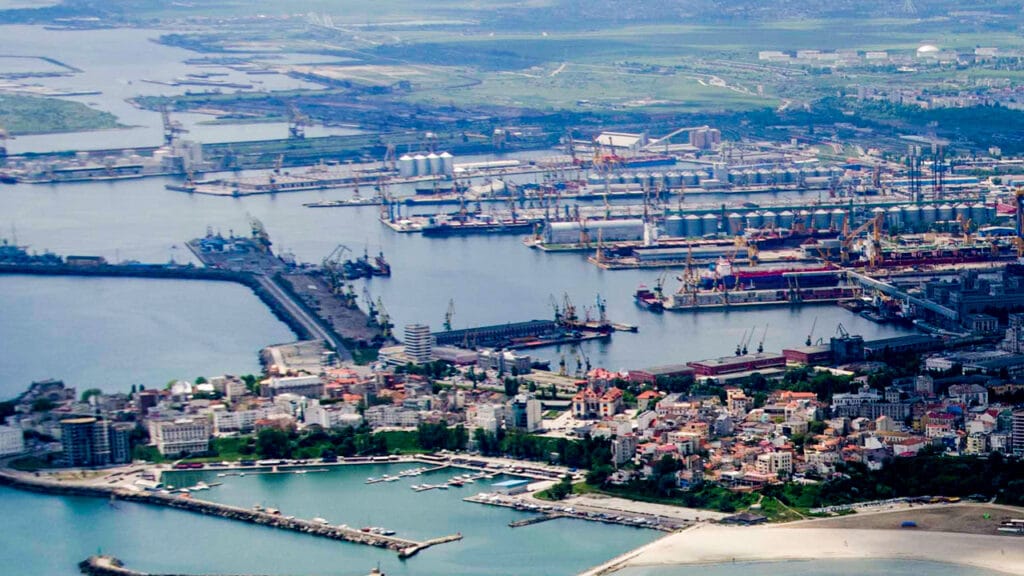
Romania's Port of Constanța has become the main alternative logistics hub for Ukrainian agricultural exports, making the expansion of this route and its transport capacity a key priority in bilateral cooperation between Ukraine and Romania.
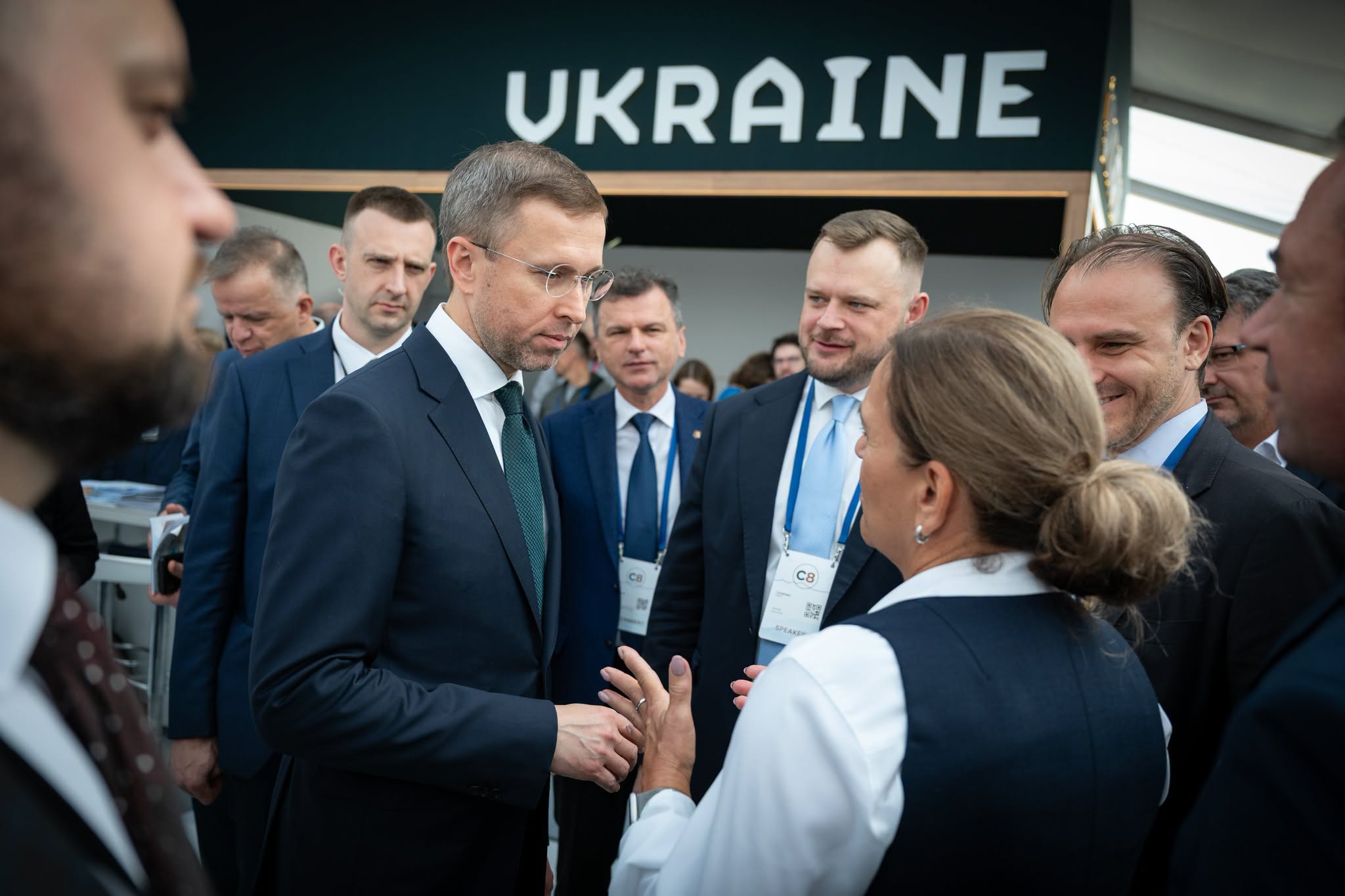
These issues were the focus of a meeting between Ukraine's Minister of Agrarian Policy and Food Taras Vysotskyi, Deputy Minister Denys Bashlyk, and Romanian Ambassador to Ukraine Alexandru Victor Micula.
According to Ukraine's Ministry of Agrarian Policy, continued disruption of the country's main Black Sea export routes could leave grain elevators and storage facilities with a combined capacity of nearly 59 million tonnes completely full by early November. By the end of autumn, the shortage of storage capacity could reach approximately 11 million tonnes.
Under these conditions, the Romanian port of Constanța has become Ukraine's principal alternative gateway for transferring grain onto large ocean-going vessels for export to global markets.
"Russia's systematic attacks on Ukraine's port infrastructure and agricultural sector are a direct assault on global food security and regional trade stability," Vysotskyi said.
"Today we face a critical situation where grain storage facilities are rapidly filling up while export opportunities remain limited. It is vital for us to preserve the harvested grain and ensure stable alternative export routes. We are counting on the support of our Romanian partners."
Romania previously played a crucial role in facilitating Ukrainian grain exports. At the end of 2023, under the European Union's Solidarity Lanes initiative, transit through Romania reached 4 million tonnes per month, of which up to 2.8 million tonnes consisted of Ukrainian agricultural exports. Around 70% of that volume was transported by rail and road directly to the Port of Constanța.
To restore and expand those export volumes, the two sides agreed to accelerate cooperation in several areas, including increasing the number of border crossing points between Ukraine and Romania, expanding phytosanitary and veterinary inspection capacity, introducing round-the-clock operations at border inspection services, and making greater use of offshore transshipment in Constanța using floating cranes.
The parties also noted that the Danube logistics corridor remains under constant threat from Russian attacks. Russia has repeatedly targeted Danube ports, fuel infrastructure, and grain storage facilities, creating additional risks for Ukrainian exports.
In response, Romania, together with Bulgaria and Türkiye, is strengthening measures to ensure safe navigation and escort civilian vessels to the Sulina Canal and Danube ports.
The talks also focused on financial support for Ukrainian farmers. Vysotskyi said that providing agricultural producers with affordable financing would be a more effective solution, enabling them to cover working capital needs until market conditions improve and crops can be sold at better prices.
The Romanian side confirmed its readiness to support Ukraine's initiatives and work jointly to secure additional financing from the European Commission while further developing alternative export routes.