


It seems to me that in the spring of 2026, many well-meaning yet overheated minds have become dizzy with drones.
It cannot be said that this dizziness arose from nothing. The globe of war has indeed turned on its axis once again — and not in the most pleasant direction for Putin's regime. We are clearly registering a new phase of the war, which has resulted from Russia's effective failure of the winter campaign of 2025/2026 (despite significant advances, none of the campaign's landmark objectives were properly achieved) and the associated shift in sentiment within the Russian political class — and possibly in society as a whole — about which I wrote previously (the frustration of expectations).
One of the reasons for this phase transition is that the alliance fighting Russia identified a vulnerability in the updated Russian tactics (the "small group" warfare that had ensured relative Russian success in 2024–2025, developed after the failures of the war's early years) and, having built up a drone advantage, effectively neutralised the ability to achieve meaningful success through those tactics. At the same time, Ukraine found a way to "crack open" Russia's air defence and began to rebalance the exchange of strikes on civilian infrastructure.
These two circumstances led many observers to draw a premature conclusion about the "end of the war" — that is, that this phase is not only new but almost the final one, and moreover a victorious one for Ukraine, because Russia will no longer be able to offer anything more either in terms of resources (including manpower — "cannon fodder") or in terms of tactics ("thinking"), and will therefore be forced to accept a Ukrainian scenario for ending the war (at best) — meaning a ceasefire along the line of separation without any legal formalisation of the war's outcome in any form acceptable to Russia (the Korean variant).
I have serious doubts that this favourable-for-Ukraine scenario is currently the only possible one. It cannot be ruled out (and that in itself is good), but it is not so without alternative that one can speak of it so categorically. Historical experience shows that when the blind mole of the Russian war machine hits an insurmountable obstacle, it does not emerge waving a white flag — it immediately begins digging a new tunnel nearby. It is difficult to imagine that the Kremlin does not recognise the dead-end nature of the situation and is not searching for a way out that suits it. Moreover, Russia's recent actions and statements by its officials show that they believe they have found one. I think the threats to continuously strike Kyiv are not a PR move, but rather the real outlines of a new tactic.
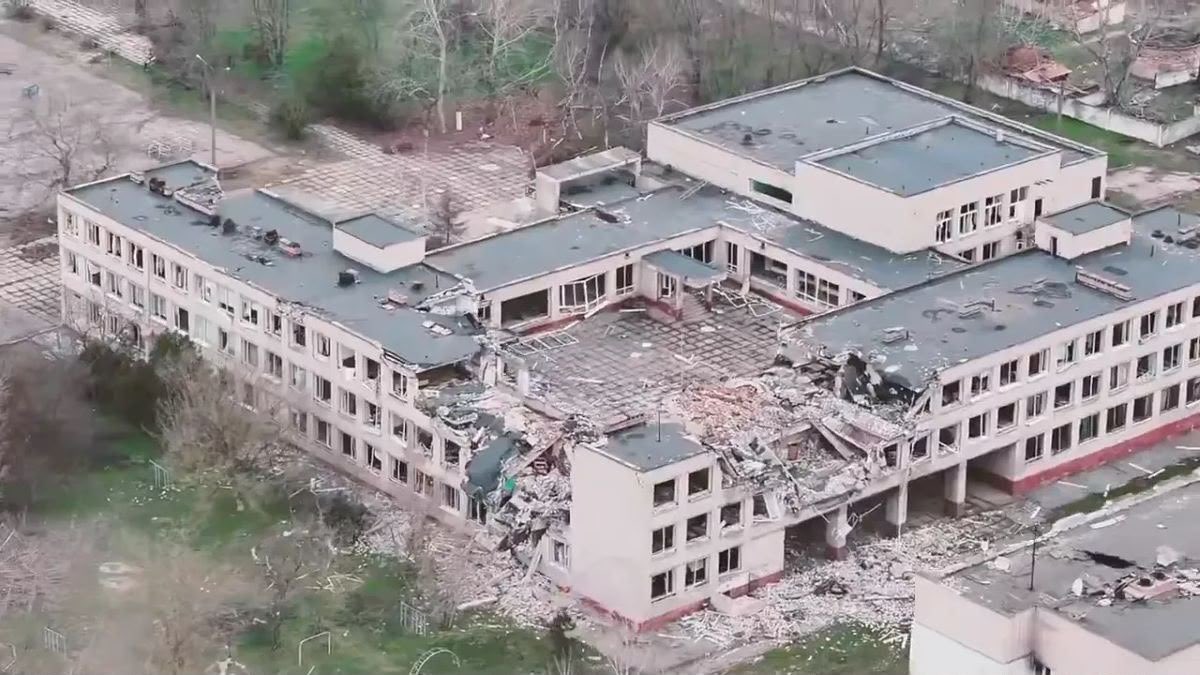
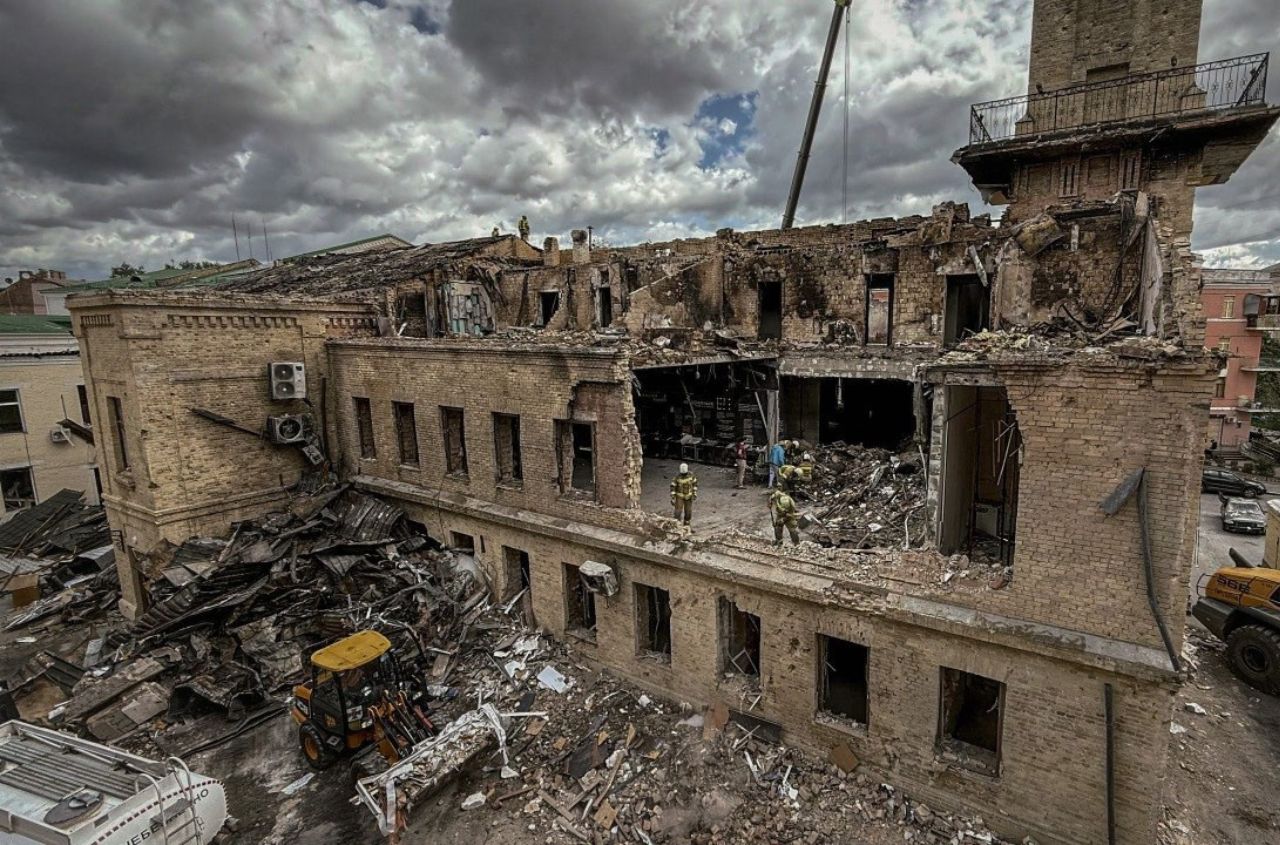
In the near term, we may witness an attempt to drastically intensify the terrorist nature of the current war and to qualitatively escalate strikes against Ukraine's civilian infrastructure, with the aim of exhausting the resources of its air defence and destroying the very logistics that sustain the so-called kill zone at the front. It is difficult for me to say exactly what resources Russia intends to use to increase the intensity of strikes on Ukraine's deep rear. I can only suggest that, firstly, it will begin taking greater risks, including with its own aviation; secondly, it will focus on targets that, for whatever reason, it has not yet struck (bridges over the Dnipro, railway junctions); and thirdly, it will begin operating "dirty" — that is, causing enormous, disproportionate harm to the civilian population.
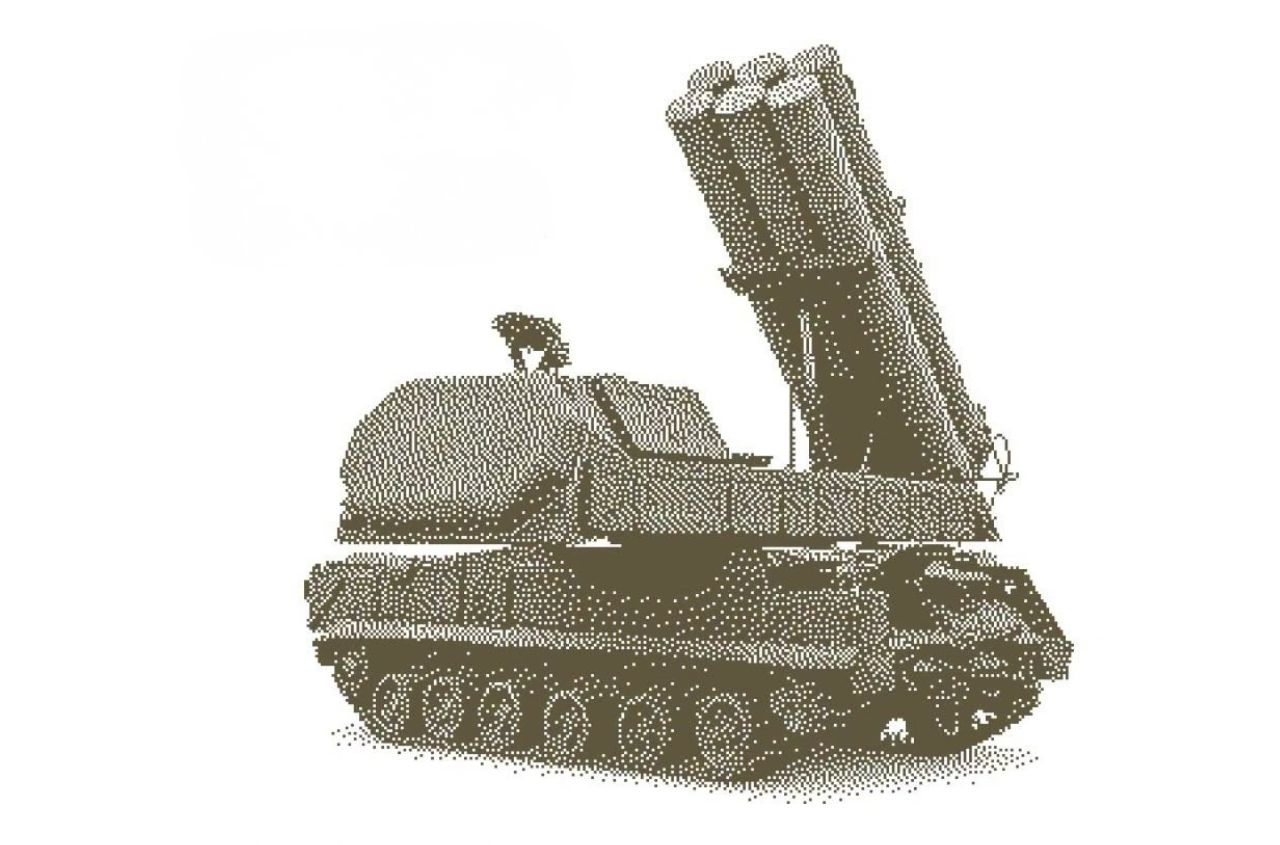
Of course, the alliance together with Ukraine will seek its own response to these actions by Moscow, and will very likely find one in time. But finding that response — which must consist of a manifold increase in Ukraine's air defence capabilities, which, judging by Zelensky's latest statement, are already difficult to simply maintain at their current level — will take time. And all of that time will be filled with what I call the alternative scenario for the continuation of the war (as opposed to the scenario of its conclusion on Ukrainian terms): one that will be marked by a manifold increase in civilian casualties on both sides.