

Ukraine is turning to one of the world's foremost water management powers for guidance as it confronts the dual challenge of wartime infrastructure destruction and the long-term demands of European integration. A joint online seminar, organized by Ukraine's Ministry of Economy, Environment and Agriculture together with Dutch partners, brought together government officials, scientists, water sector specialists, and international organizations to explore how the Netherlands' century-old expertise can be applied to Ukraine's urgent needs.
The Netherlands has built its water management philosophy around a fundamental shift in thinking — moving away from the idea of water as an adversary to be controlled, and toward treating it as a strategic resource and national asset. That approach encompasses flood protection, climate adaptation, sustainable development, and a decentralized governance model in which regional water boards manage water quality and quantity at the local level, with the authority to levy charges and make binding decisions. Infrastructure funding flows from payments collected across citizens, businesses, and farmers alike, while the state invests heavily in research centers that model climate risks and develop engineering solutions.
Joost Klarenbeek, the Netherlands' Special Representative for Ukraine, underscored that water lies at the heart of the Dutch economy, energy system, agricultural sector, and community safety — making it a natural area for partnership with Ukraine.
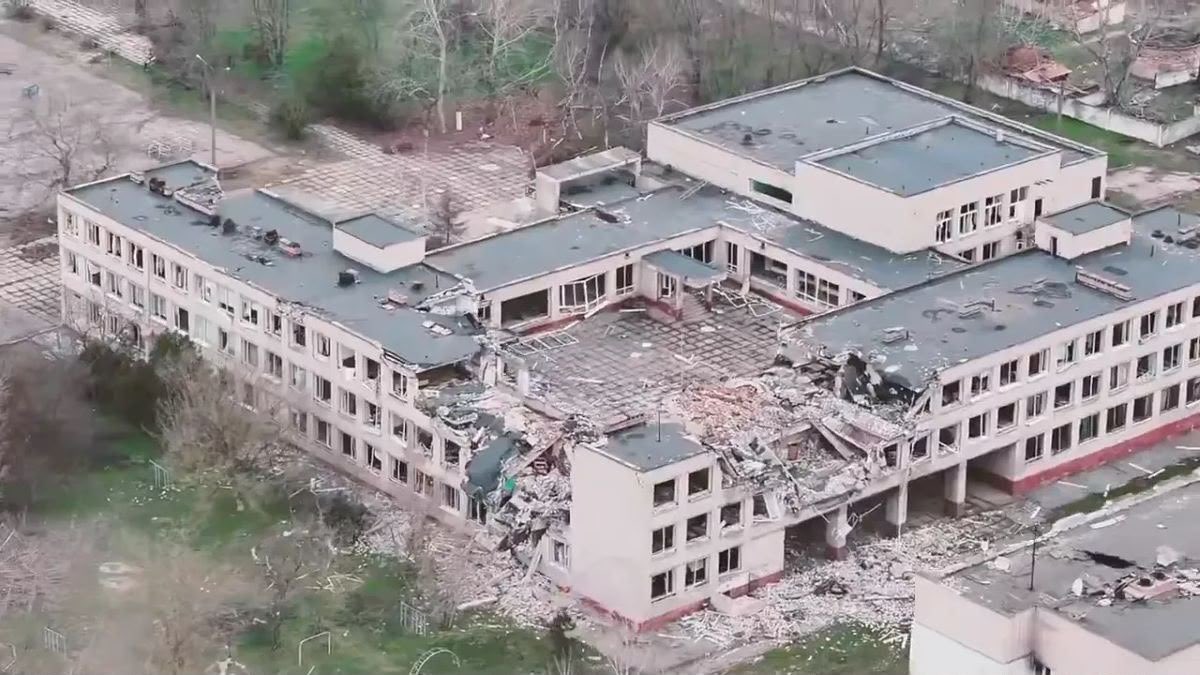
Ukrainian officials painted a sobering picture of the sector's current state. Oleh Bondarenko, Chair of the Verkhovna Rada Committee on Environmental Policy and Natural Resources, said Ukraine's water resources are significantly depleted and in urgent need of protection, compounded by the overuse of groundwater, widespread pollution, and the destruction of water infrastructure as a result of the war. Ukraine's European integration path, he added, also requires the adoption of modern EU water management standards and legislative reform.
Deputy Minister of Economy Iryna Ovcharenko framed the crisis as an opportunity.
"Ukraine faces unprecedented challenges due to the consequences of full-scale Russian aggression, but also has a unique chance not merely to restore what was destroyed, but to build a modern, resilient, and European model of water governance," she said.
She singled out the Dutch approach to integrated water management, water sector economics, and nature-based solutions as critically relevant for Ukraine's recovery and EU accession trajectory.
The seminar concluded with an agreed framework for future collaboration between Ukrainian and Dutch institutions, covering knowledge exchange through training programs and expert missions, private sector and research partnerships, and joint economic projects aimed at implementing sustainable water management solutions.
The event was designed as a preparatory step ahead of a Ukrainian delegation's planned visit to the Netherlands in September 2026 — a visit expected to deepen the strategic partnership between the two countries in water policy and infrastructure recovery.