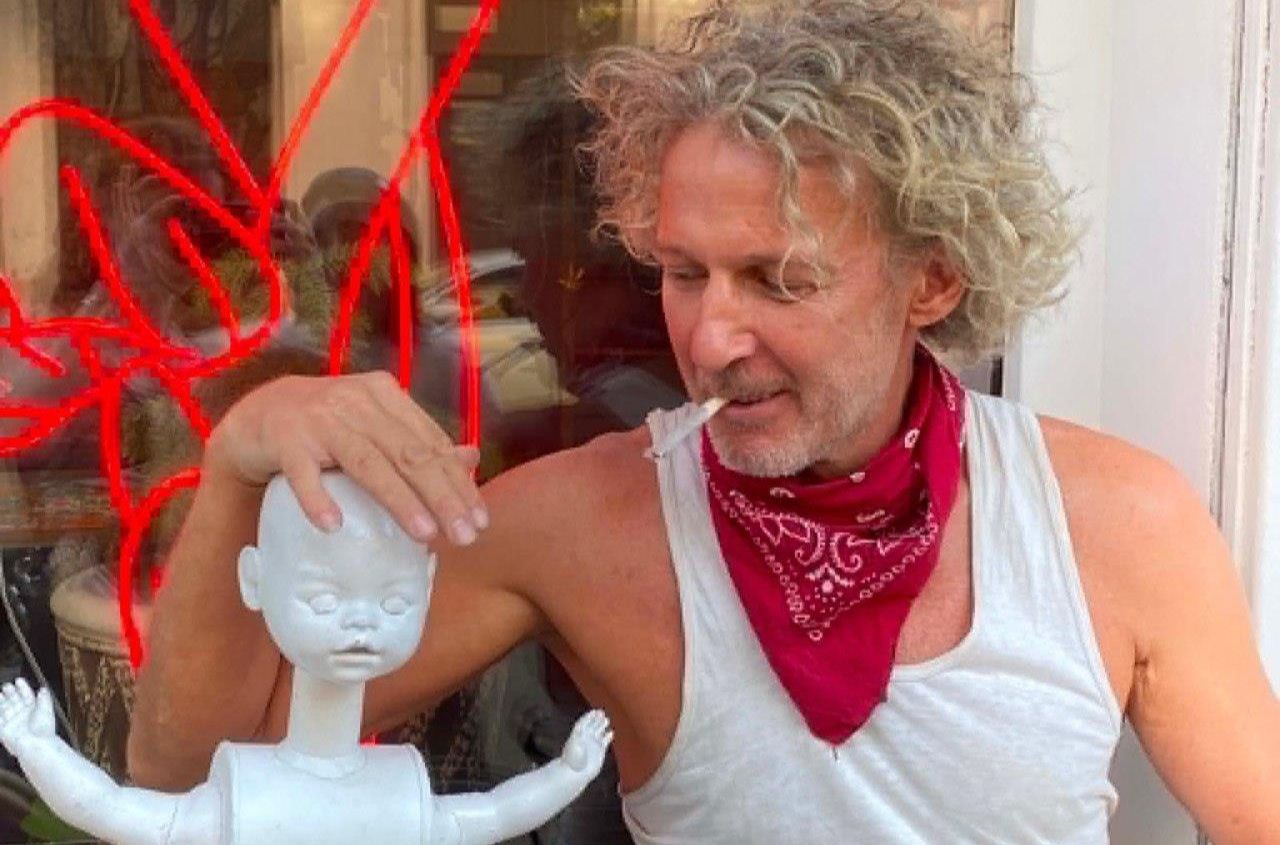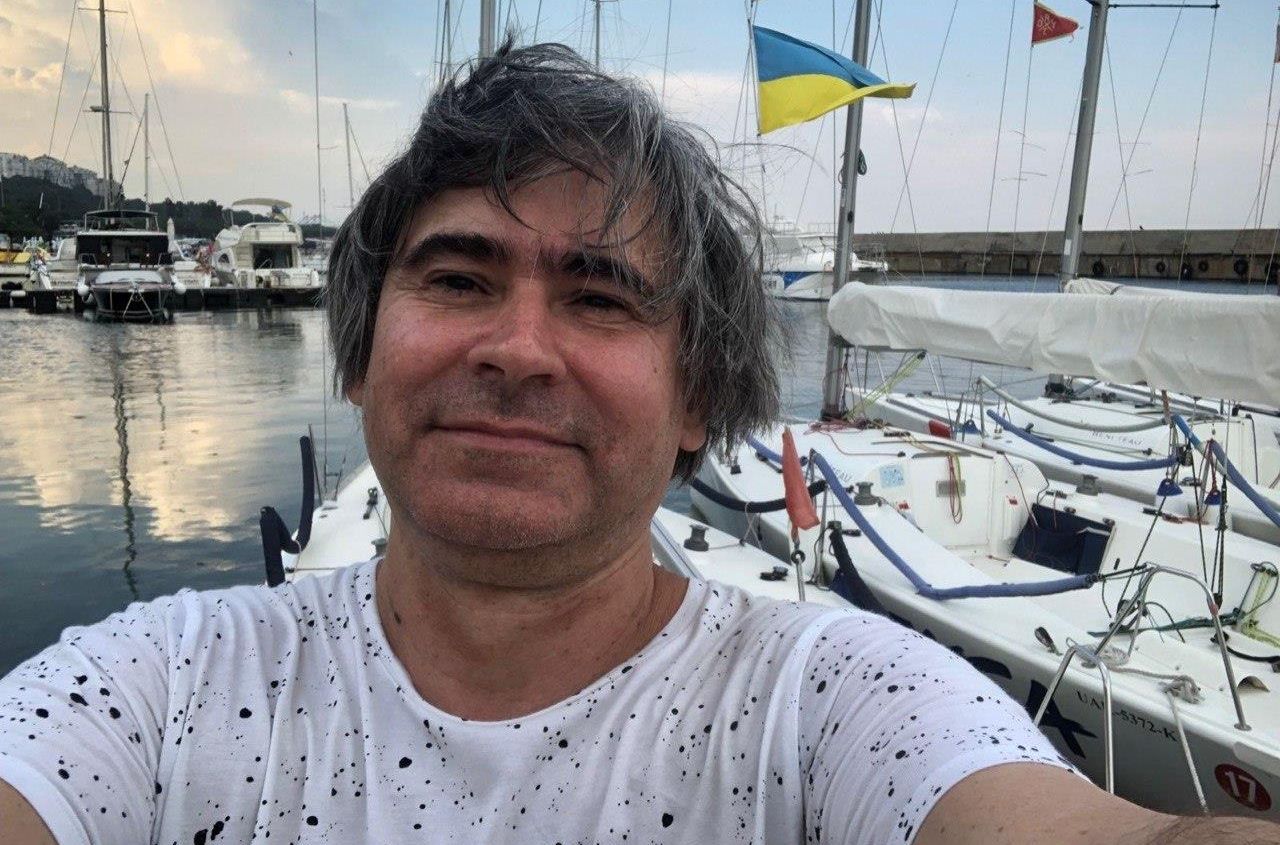

Main image: Serguei Loutchichine
The forty-sixth interview through images by Andrew Sheptunov
Serguei Loutchichine is a name that resonates within Odessa’s artistic landscape with a special, intimate intonation. He belongs to that rare breed of masters whose voice, devoid of pathos, is filled with profound inner meaning and a delicate understanding of the aesthetics of everyday life.
As a native Odessan, he does not merely live in this city; he absorbs its light and air, transforming them into visual metaphors clear to anyone who has ever paused before his works in galleries or browsed his digital archives.
The foundation of his creative method was laid by a brilliant education at VGIK (the Gerasimov Institute of Cinematography) at the faculty of film directing. His experience in cinematography forever instilled in Loutchichine the ability to think in frames, to feel the dramaturgy of space, and to stage a mise-en-scène even in the most laconic still life.
Each of his paintings is, in essence, a frozen moment of a grander story, where the viewer is free to imagine the plot that remains beyond the canvas, as if watching events unfold from the window of an old film projector.
Loutchichine's style is a triumph of minimalism and the spiritualization of objects. In his world, ordinary apples, fish, or even a utilitarian green urn acquire the traits of sacred artifacts. The artist masterfully works with surface and texture, compelling familiar things to speak of time, solitude, and the beauty of existence. His painting does not strive for documentary precision; it seeks the essence of the object, its inner energy, and the place it occupies in the endless stream of human memory.
One of the key characteristics of his work is the elusive boundary between light irony and a luminous sadness. This is a purely Odessan trait—the ability to smile through melancholy or to see philosophical depth in an anecdotal image. Serguei's works carry this distinct emotional balance, inviting the viewer to quiet, thoughtful contemplation. They contain no loud manifestos, but they possess a sincerity that is valued far above any superficial effects today.
Having traversed the path from a classical art education to participating in landmark contemporary art exhibitions, Loutchichine has remained true to his inner compass. His creative journey spans decades—from his early explorations in the late 1980s, marked by works like The Bather, to modern experiments with collage and digital art.
This evolution demonstrates a constant search for new ways of communicating with the audience, all while preserving that recognizable authorial signature where the hand of the master is undeniably felt.
Odessa is present in Loutchichine's works not through grand facades, but through an intimate sense of space. It is a city of backyards, old staircases, and that specific coastal light that renders shadows transparent.
His Still Life with Fish or his landscape motifs are declarations of love to his hometown, spoken almost in a whisper. This is an Odessa that cannot be seen on postcards, but one that can be felt with the fingertips if you gaze long enough at the sea or the play of light on a kitchen table.
Today, Serguei Loutchichine is a prominent figure in the contemporary cultural field, whose works are highly sought after by both the professional community and a wider audience in projects like "Sil-Sol."
He successfully integrates the traditions of the southern school of painting with modern conceptual approaches, proving that art can be simultaneously intellectual and deeply sensual. His ability to reinterpret reality through simple forms makes his art a universal language, understood far beyond his native region.
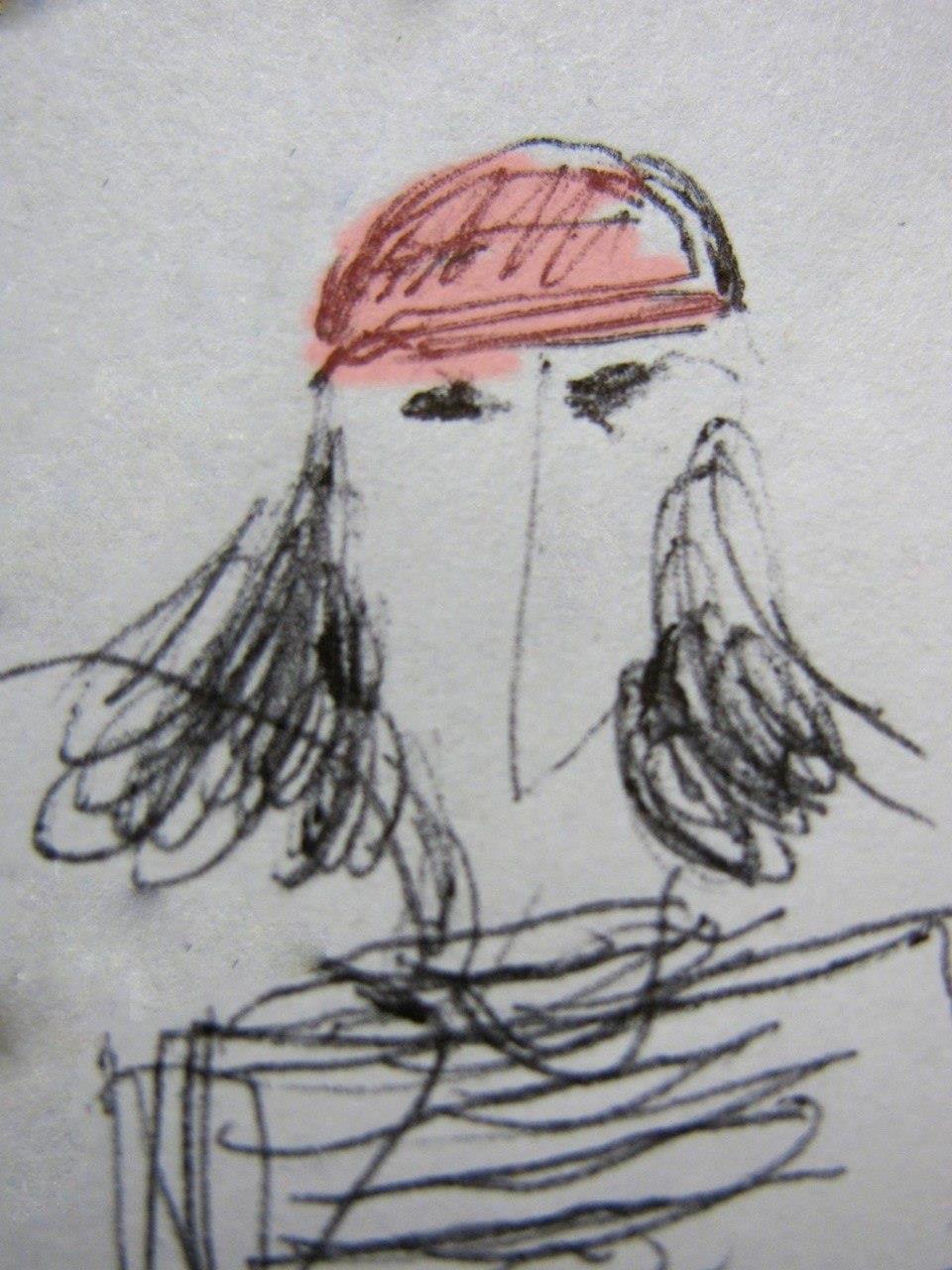
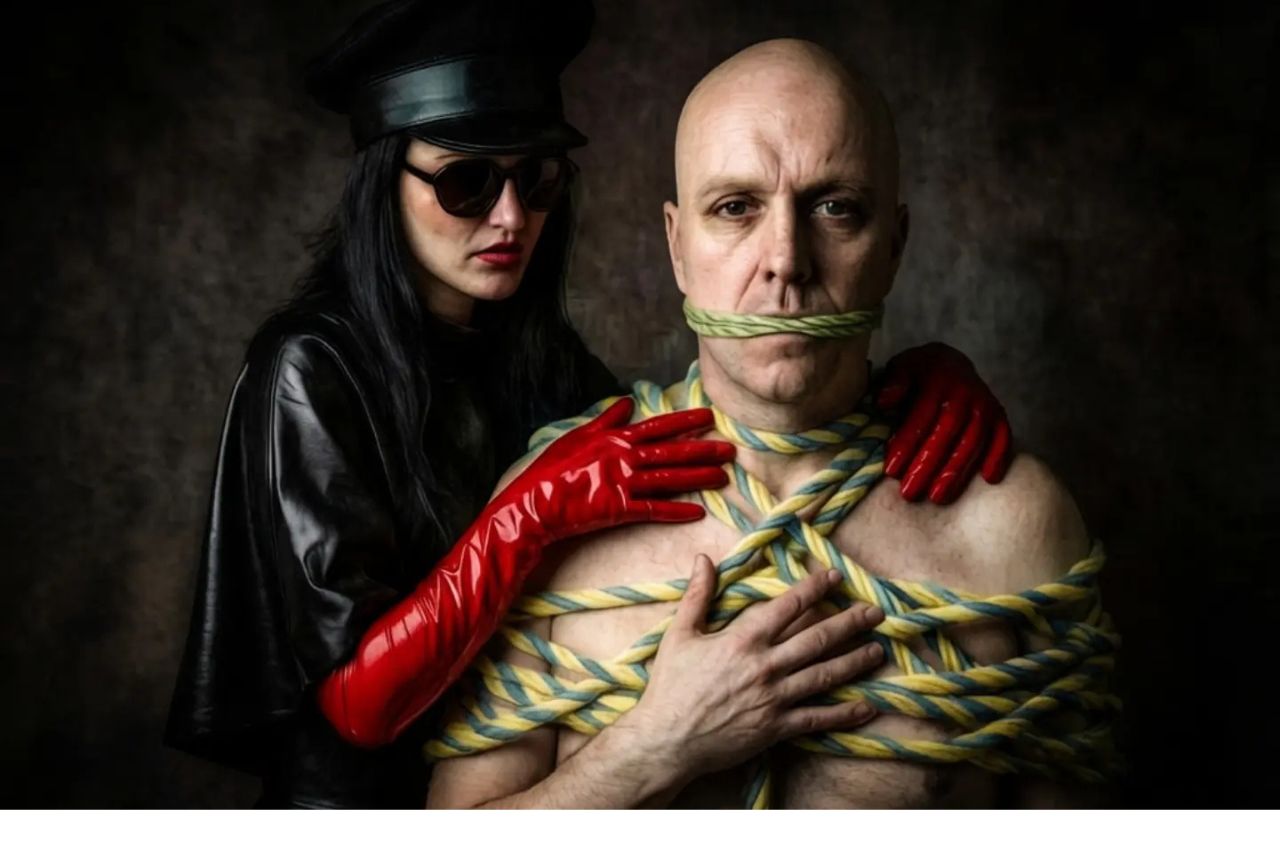
This time, we decided to step away from the traditional text format and invited Serguei to participate in a "visual interview." It is an experiment where words fade into the background, giving way to imagery, lines, and colors.
We prepared a series of questions about life, art, and personal meanings, to which the artist replies not with elaborate phrases, but with his iconic artworks. We invite you to step into this gallery of meanings, where every painting is the master's direct and honest answer to the challenges of time and art.
1. Which of your creations would you choose to introduce someone to your art at first glance?
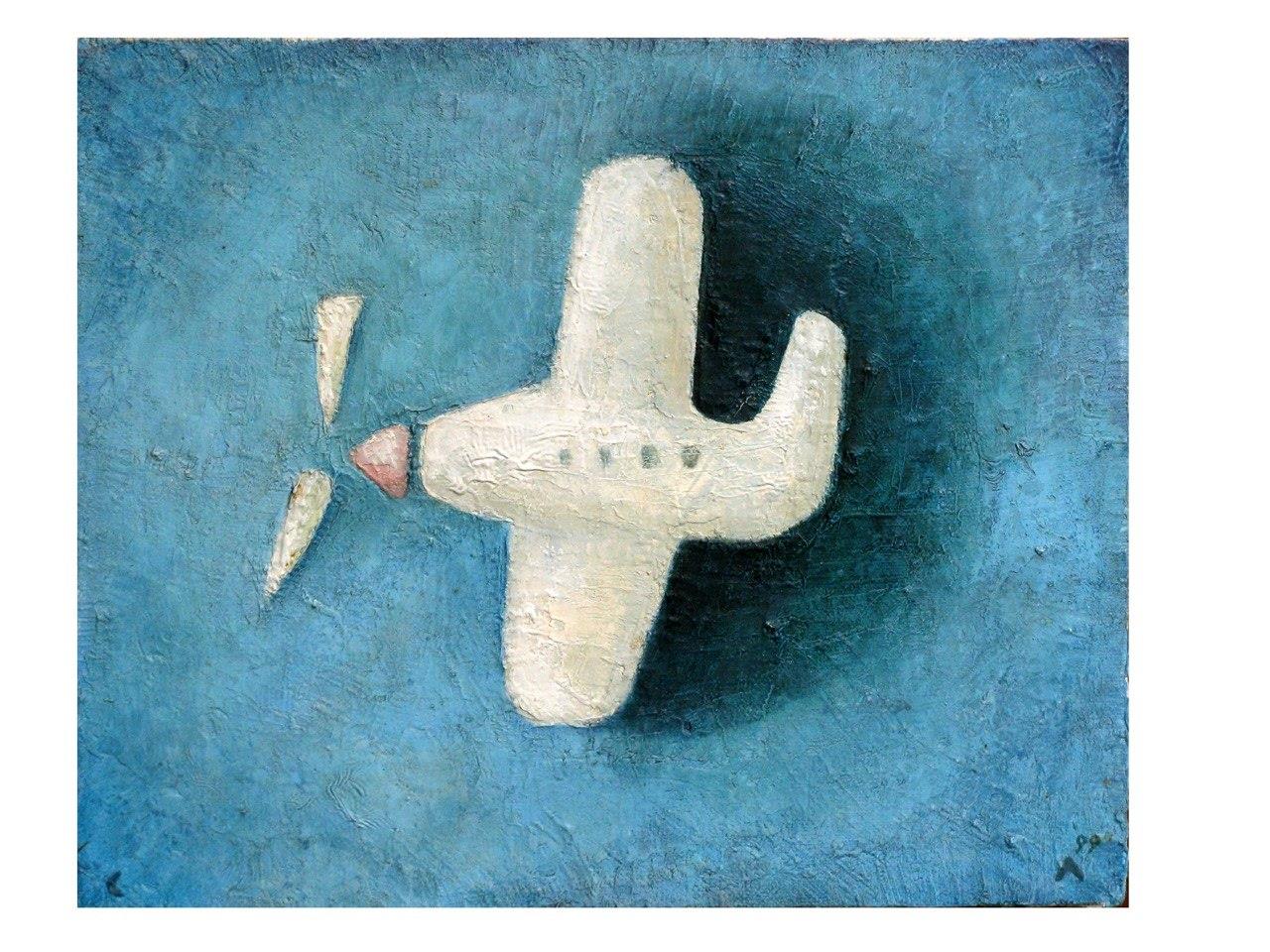
2. Which of your works best captures that elusive boundary between light irony and deep sadness?
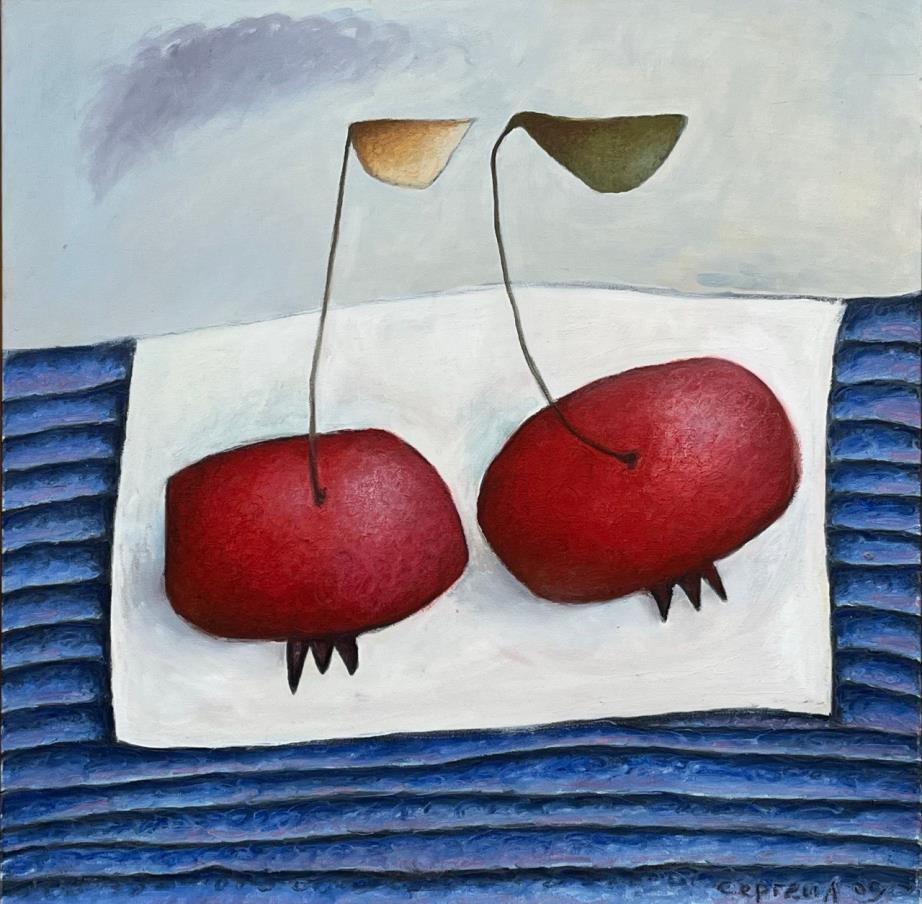
3. Show us a painting that hides the plot for a full-length film left behind the scenes.
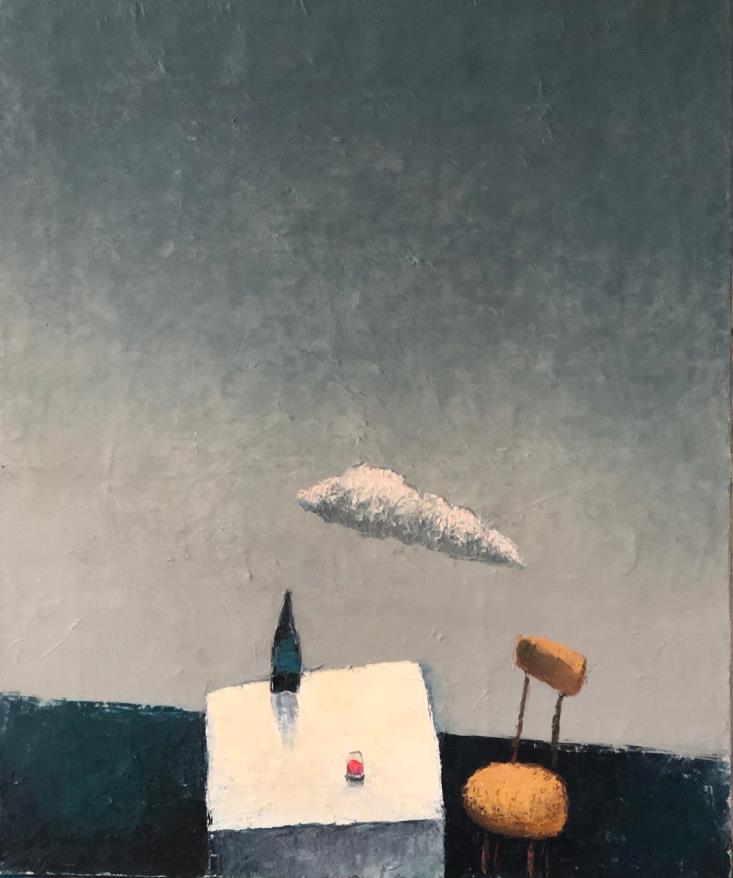
4. Which piece would you call your most candid dialogue with the spirit of your hometown?
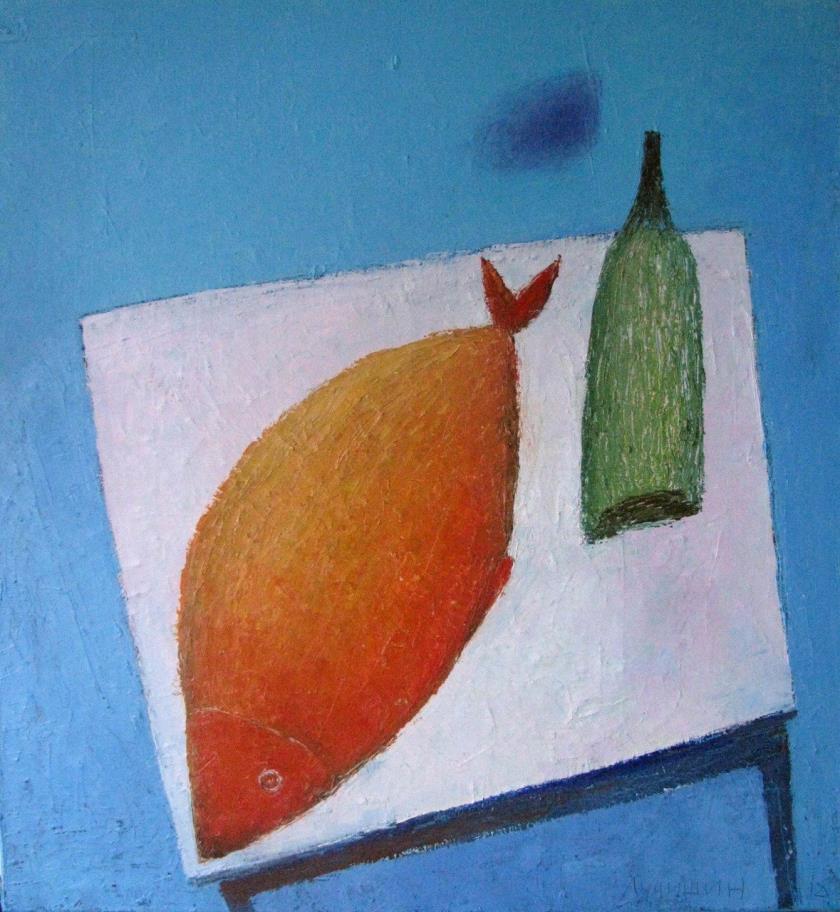
5. Share a work where everyday household items take on a completely unexpected philosophical or even sacred meaning.
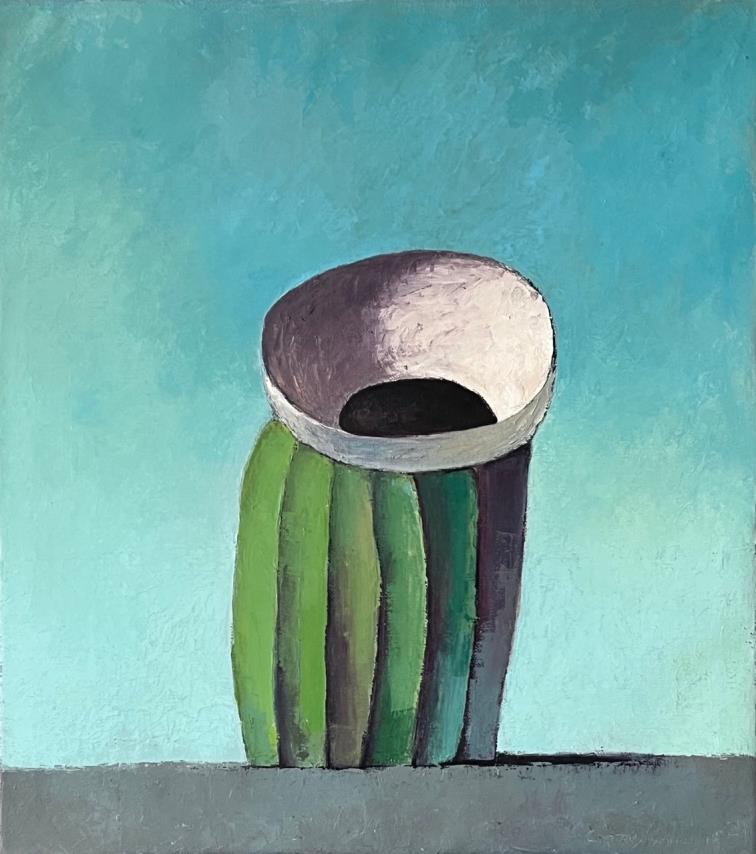
6. Show a work that required the greatest inner courage and creative freedom to create.
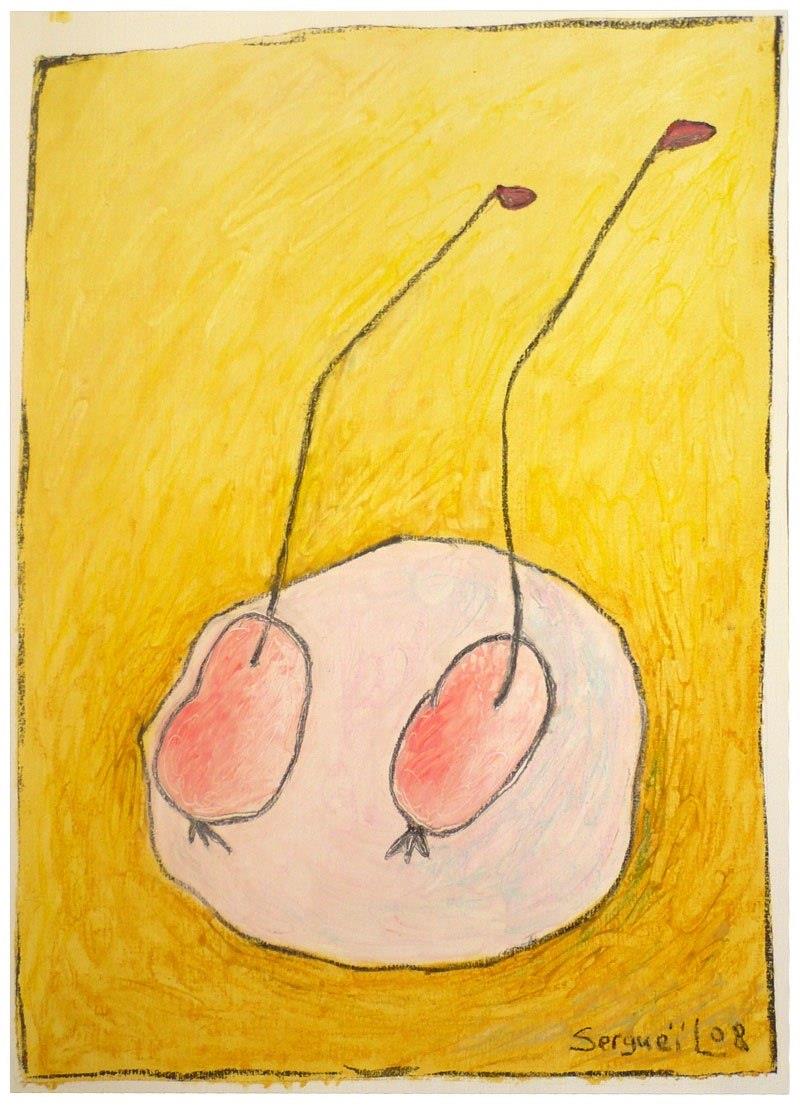
7. Which of your paintings is a portrait where a complex human story hides behind the apparent lightness of lines?
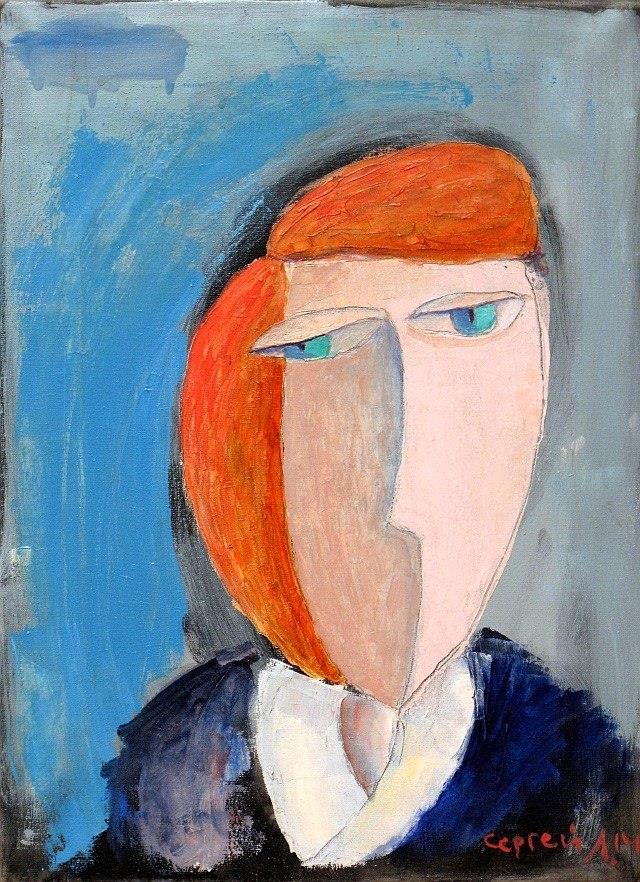
8. Which piece was created in a single breath, as if the emotion itself guided the process without logic's intervention?
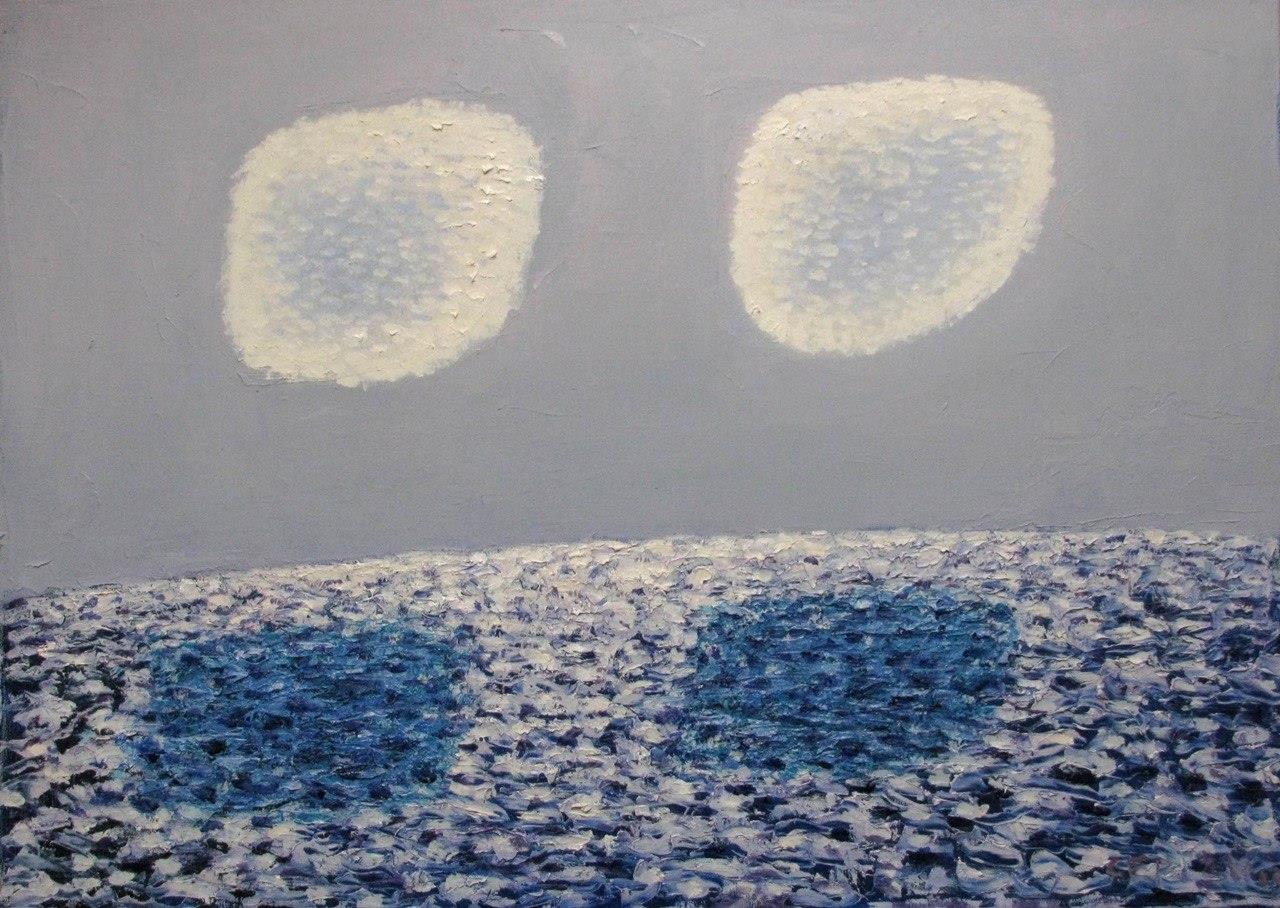
9. Show us a work that you consider a sort of bridge between your cinematic experience and your pictorial vision.
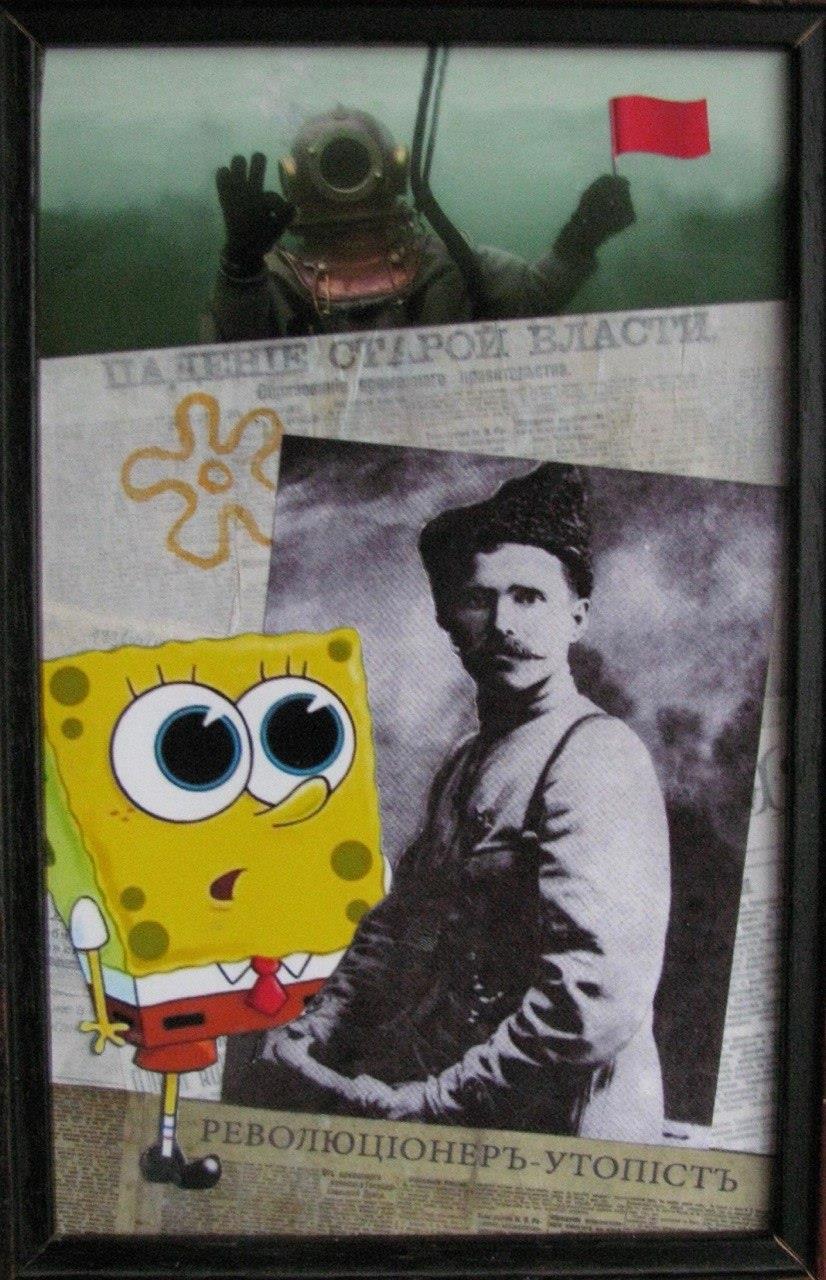
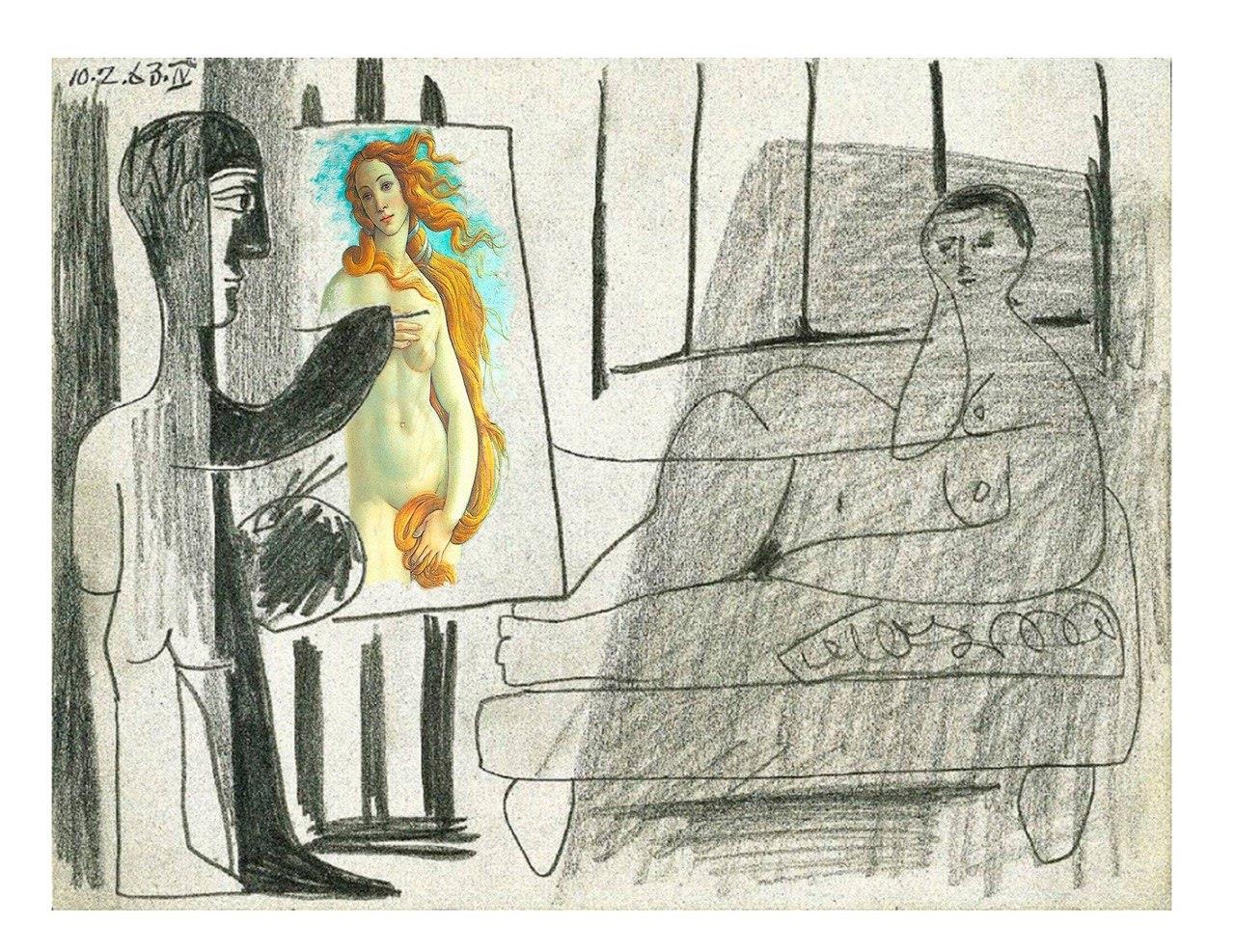
10. Which painting resisted you the longest during its creation, demanding a constant search for new approaches?
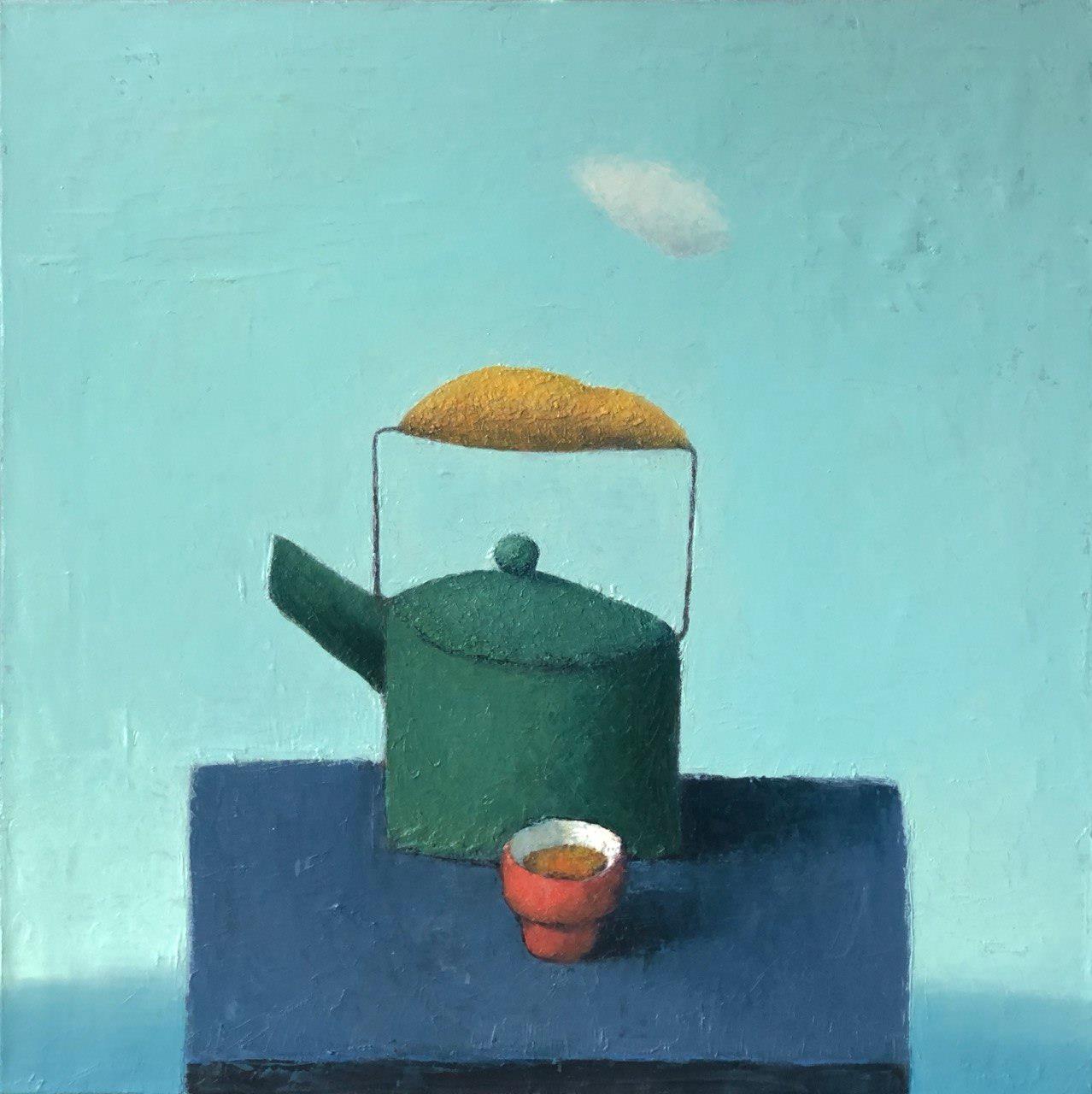
11. Which of your works became a personal revelation for you, overturning your own attitude towards familiar images and techniques?
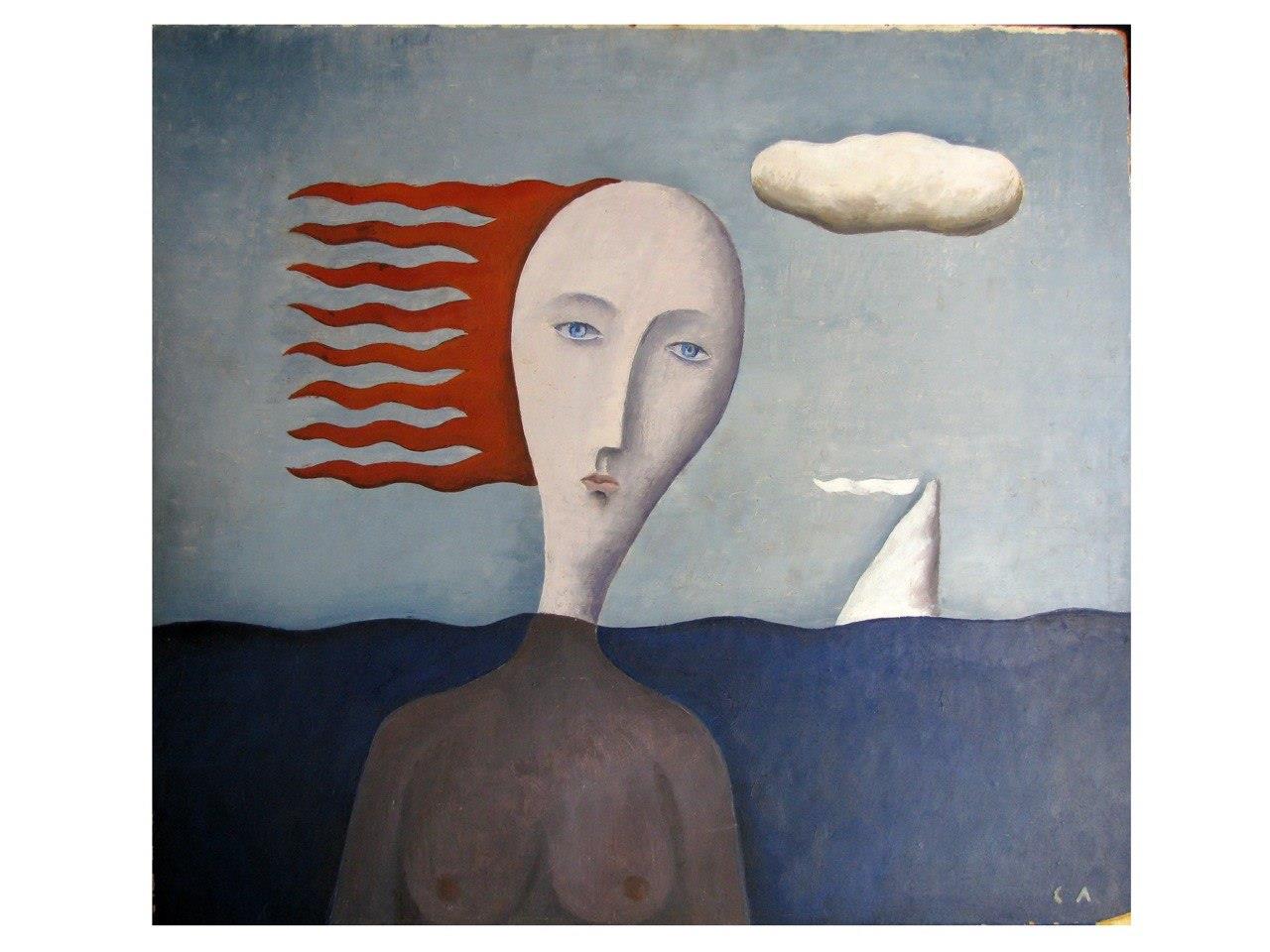
12. Show a painting that best conveys the atmosphere of light nostalgia for places or events from the past.
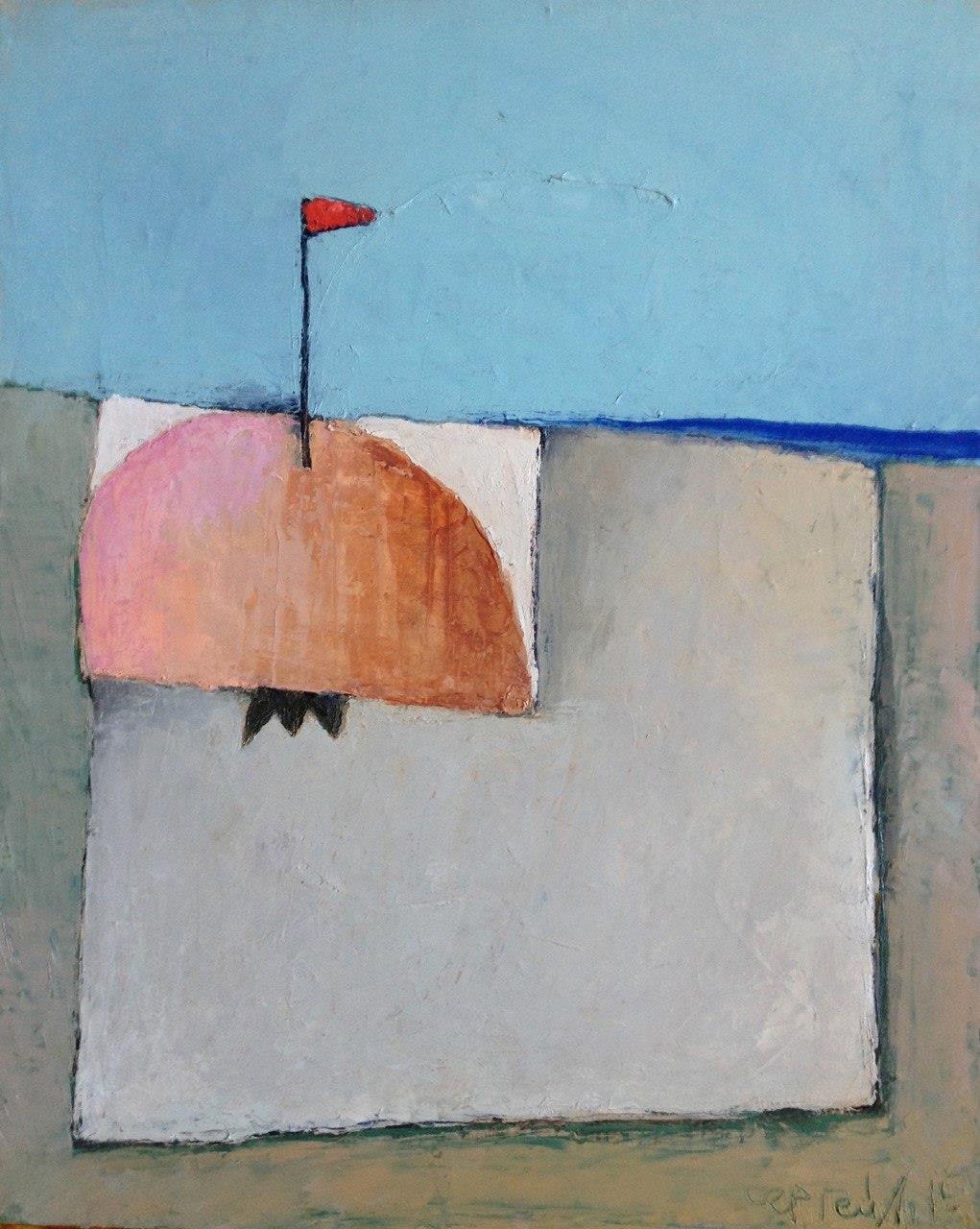
This visual dialogue with Serguei Loutchichine is not merely a series of answers to questions, but a full immersion into the complex, cinematic, and incredibly sincere world of the artist. By forsaking familiar words in favor of imagery, he has allowed us to peek behind the curtain of his perception, where silence is more eloquent than any manifestos, and where profound human stories are hidden within simple objects or a seascape.
Each of the presented works proves that true art needs no lengthy explanations—it speaks directly to the viewer in the universal language of color, light, and frozen emotions.
Loutchichine's art remains one of the most distinctive and refined phenomena in the contemporary artistic space. His canvases and collages masterfully interweave light irony and luminous melancholy, creating that unique intonation which compels us to pause and gaze into the details. He does not strive for visual noise or shock value, preferring thoughtful, almost meditative work with form and meaning, which makes his art timeless, personal, and truly alive.
We thank Serguei for participating in this experimental format and for the candor with which he shared his iconic works. This wordless conversation is but a small fraction of his vast creative universe.
To continue exploring his unique authorial vision, follow his new projects, and dive deeper into the aesthetics of his painting and graphics, we invite you to subscribe to the artist's social media pages:
- Facebook (artist profile)
- Facebook (personal page)
- Instagram (@scripkacheli).