


By Viktor Yahun
As of the morning of May 18, 2026, the situation remains extremely tense both on the front line and in the international political arena. The main feature of the past day has been a sharp increase in the scale of mutual strikes deep in the rear — both on Ukrainian territory and on the territory of the Russian Federation.
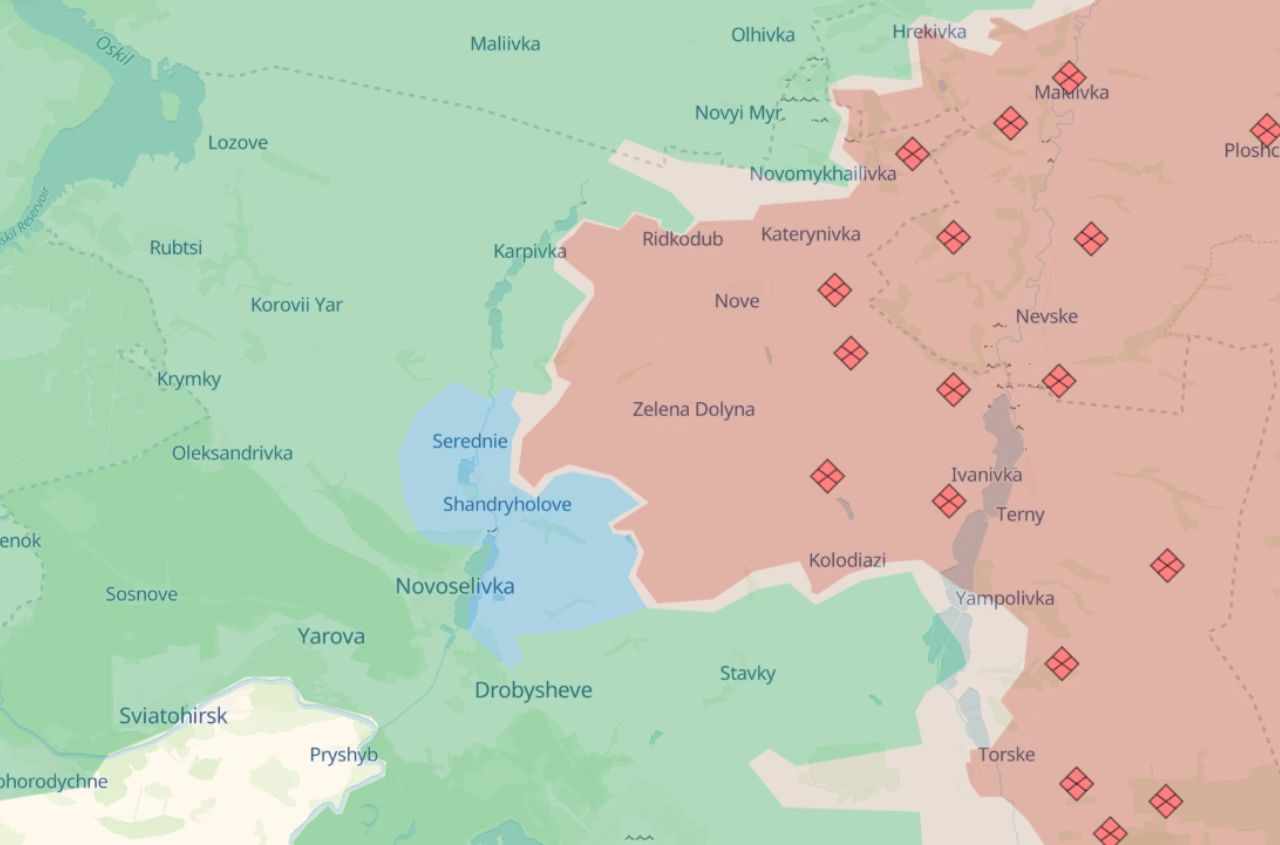
On the front line, the Russian army continues its high-intensity offensive along virtually the entire line of contact. According to the General Staff, there were 195 combat engagements over the past day. The most active sectors remain Pokrovsk, Kostiantynivka, Huliaipole, and Lyman directions. Particularly notable is the situation in the Pokrovsk direction, where the enemy continues its tactic of steadily exhausting Ukrainian defenses with small assault groups supported by a large number of FPV drones.
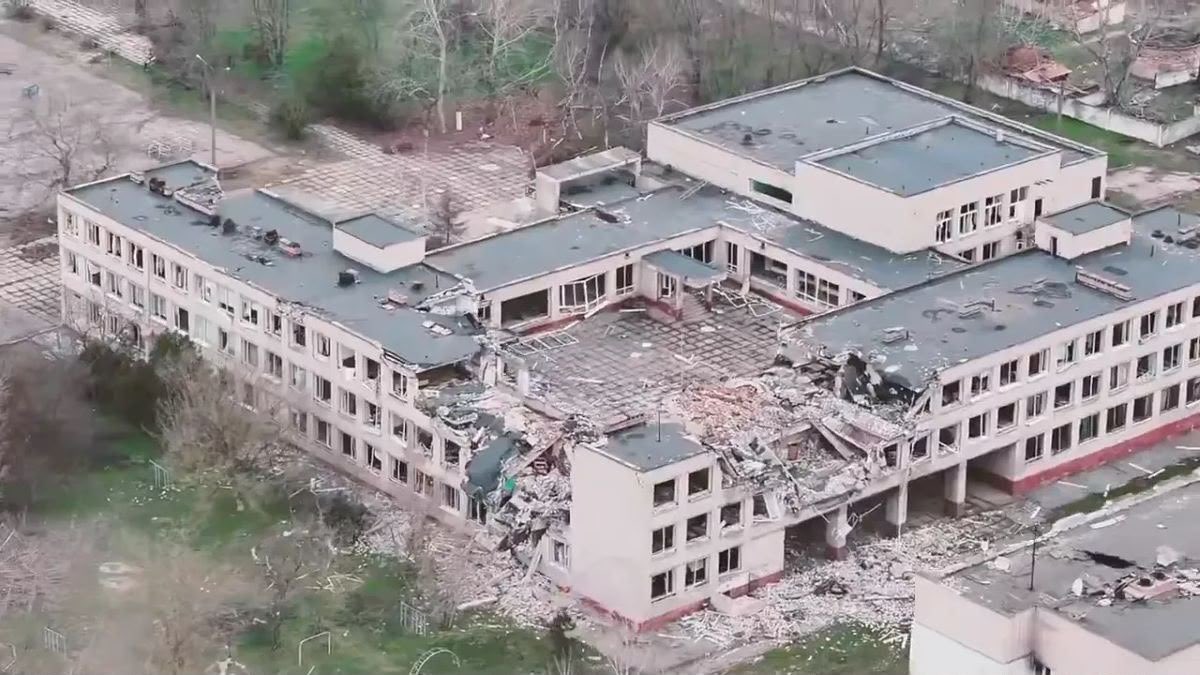
At the same time, Russia has significantly intensified its aerial terror against Ukraine. On the night of May 18, the enemy carried out one of the largest combined attacks in recent times — more than 500 aerial assets were used, including strike UAVs and missiles. Air defense forces reported the destruction or suppression of most targets, although some strikes hit infrastructure and civilian facilities in Dnipro, Odessa, and several other cities.
Simultaneously, Ukraine demonstrated a significant increase in long-range strike capabilities. A massive drone attack on Moscow and the Moscow region became one of the largest throughout the war. According to open-source data, the strikes affected airport infrastructure, industrial facilities, and enterprises linked to military production. Airport operations, including Sheremetyevo, were temporarily suspended.
Strategically, this indicates several important trends:
— the war is increasingly entering a phase of mutual attrition of rear infrastructure;
— Ukraine is systematically expanding its capacity for asymmetric pressure on Russian territory;
— Russia is forced to redeploy air defense resources deeper into its territory, which partially weakens coverage of the front line and oil and energy facilities.
In the international dimension, a shift in the US approach is becoming increasingly visible. Brian Mast, Chair of the US House Foreign Affairs Committee, effectively confirmed that Congress may no longer approve new large-scale aid packages to Ukraine worth tens of billions of dollars. At the same time, the US will continue providing intelligence, selling weapons, and maintaining sanctions pressure on Russia.
This indicates a gradual transition by Washington toward a model of “limited support,” while shifting the main financial burden of the war to Europe. For Ukraine, this creates two key challenges:
— the need to accelerate domestic defense production;
— critical dependence on the stability of the European support coalition.
Against this backdrop, Kaja Kallas’ statement that China, Russia, and even parts of the American political establishment are interested in fragmenting the EU appears significant. This is no longer merely diplomatic rhetoric, but a sign of the formation of a new geopolitical phase in which Europe is beginning to recognize the need for its own strategic autonomy.
Inside Ukraine, the government continues preparing for a prolonged war. The idea of creating a “mobilization queue” and a Unified Register of Mobilization Needs reflects an attempt to move from a chaotic mobilization model to systematic human resource management. At the same time, it is an effort to reduce social tension and minimize corruption risks.
The overall conclusion at this stage is as follows:
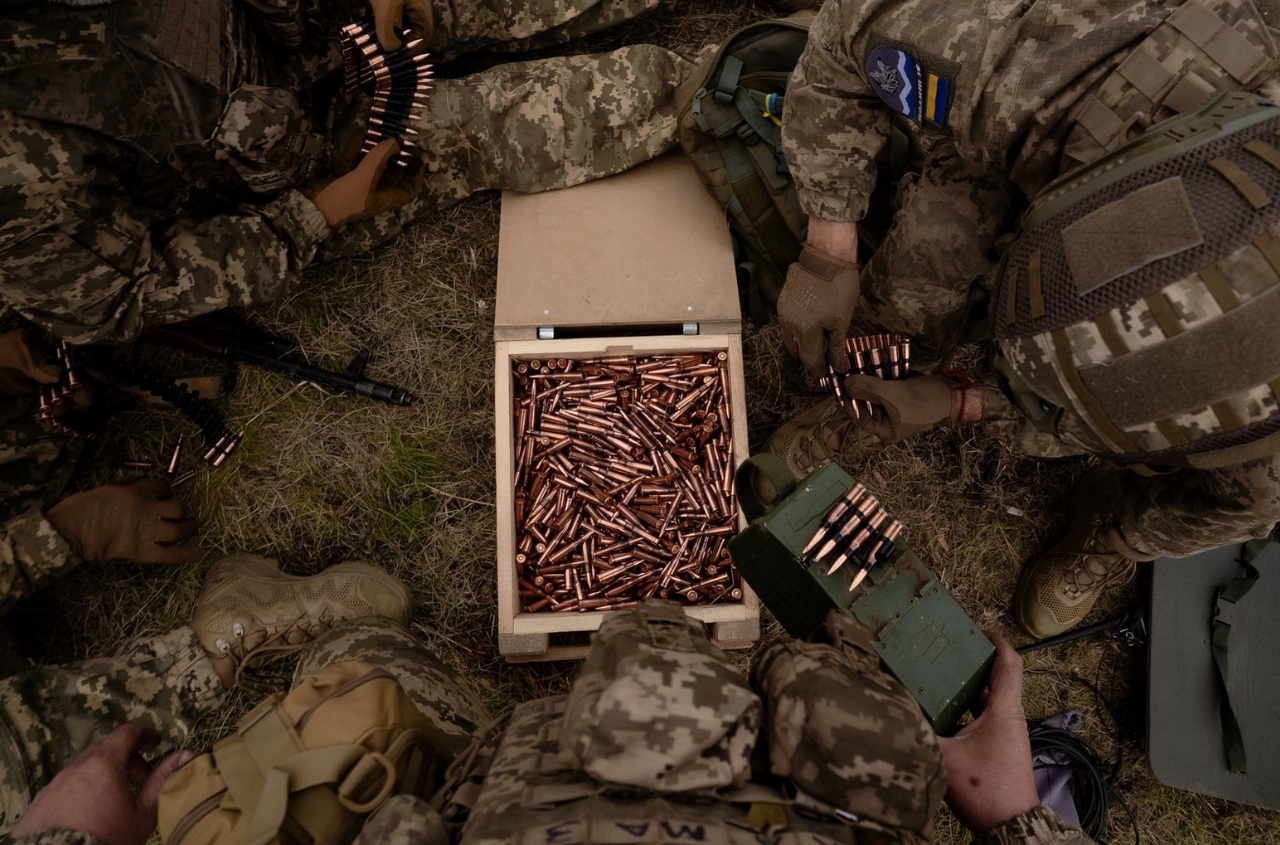
The war is entering a phase of strategic systemic attrition. Russia still maintains an advantage in resource volumes and the production pace of drones and ammunition, but Ukraine is increasingly compensating through strikes on the rear, technological adaptation, and asymmetric solutions.
The main confrontation in the coming months will unfold not only on the front line, but also in the spheres of the economy, defense production, political stability of allies, and the ability of both sides to sustain the pace of a war of attrition.