

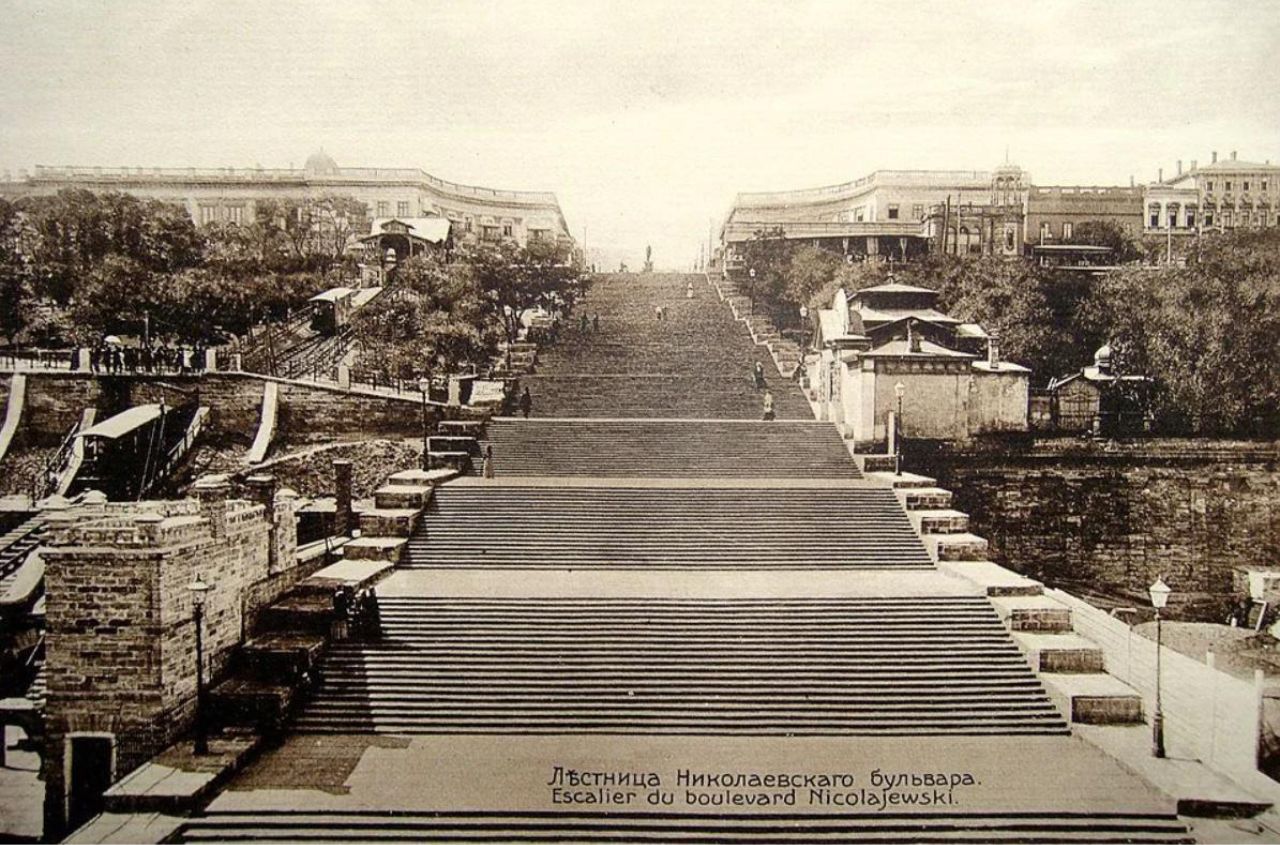

Main Image: The Potemkin Steps leading up from Odessa’s harbour to the monument of the Duke de Richelieu. © Library of Congress / European photo archives
By Alyona Synenko.
In the first days of spring of 1803, a horse carriage crawled through impassable dirt towards the Black Sea. The flat, ghostly landscape, punctuated by crooked, wind-beaten trees, stretched into the horizon. One of the passengers inside the carriage, a 36-year-old noble Frenchman, contemplated the vastness of the steppe and the immense task in front of him.
Armand Emmanuel du Plessis, Duke of Richelieu, was traveling to Odessa to become its first mayor, after the ambitious project of turning the settlement into a splashy hub for international maritime trade had stuck in the mud of the new city’s unpaved streets.
When the carriage arrived at its destination, Richelieu saw a desolate town of a few hundred buildings, many still unfinished, where 9000 people lived. There are no records of any official reception or ceremony to honor the new mayor. The man, who frequented royal courts in Versailles, Vienna, and St.Petersburg, was greeted by screaming wind and pounding waves.
He moved into an unassuming house on the street that today bears his name and got to work, asking to see reports about the state of affairs in the city - it wasn’t good. It was spending more than it was earning. It had water problems and no infrastructure. Progress was slow.
Everything Richelieu wrote about this time in his letters and memoirs is exasperatingly factual. A talented administrator, he looked at Odessa as a problem to solve. In his “Memoir about Odessa,” written in 1813, shortly before he returned to France to become Prime Minister, he mentioned that upon his arrival, it took him six weeks to procure twelve simple chairs. He didn’t express the slightest frustration about it.
Richelieu’s maritime ambition and talent were hardly surprising. After all, he was a great-nephew of Cardinal Richelieu – the man who launched France’s transformation into a great naval power.
With the Edict of Saint-Germain of 1626, the Cardinal established the first permanent, organized state navy, seeking to centralize control over maritime trade and to assert French military power. Marseille was a strategic Mediterranean port, and Richelieu sought to establish full royal control over the city and build its galley arsenal to counter the threat from Spain.
Undermining rivals and aligning with powerful local allies, he tried to tighten his grip on the city, but Marseille proved difficult to control. Its people resisted taxation, and in 1634, riots erupted against Richelieu’s agents, while conflicts over maritime rights and revenues persisted. After Richelieu died in 1642, this port, so crucial to French naval interests, remained effectively ungovernable.
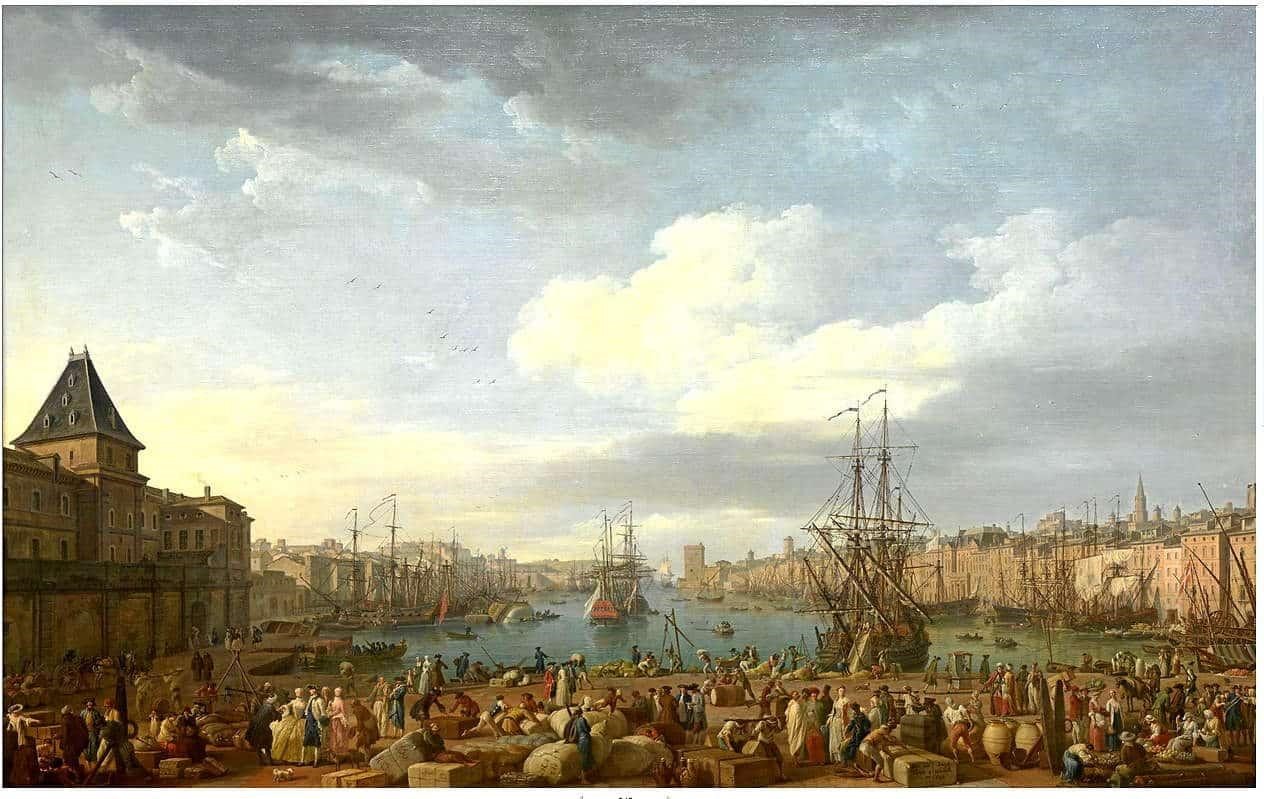
While Cardinal Richelieu tried to tame rebellious Marseille and bring it under government control to serve the interests of France, his great-nephew used his influence and reputation to negotiate extensive freedoms for Odessa, so that the city's strategic location would make it prosper.
In 1802, Napoleon wrote in a letter to Alexander I: “The State of Your Majesty and France would acquire many benefits if a direct trade route opened between our Mediterranean Ports and Russia through the Black Sea… We could bring our colony and manufacturing goods directly from Marseille into the Black Sea ports. And in exchange, we would receive grain, timber, and other goods, easily transportable by large rivers that fall into the Black Sea.”
Richelieu invested all his energy into developing international trade, and it grew quickly. In 1802, 100 foreign ships passed through Odessa, and in 1805, their number reached almost 700.
At the same time, he worked to obtain Porto Franco status for the city, which, in a few years, would make it a duty-free port, attracting immense wealth. This blooming trade set the stage for hundreds of years of relationship between Odessa and Marseille, which in 1973 became sister cities.
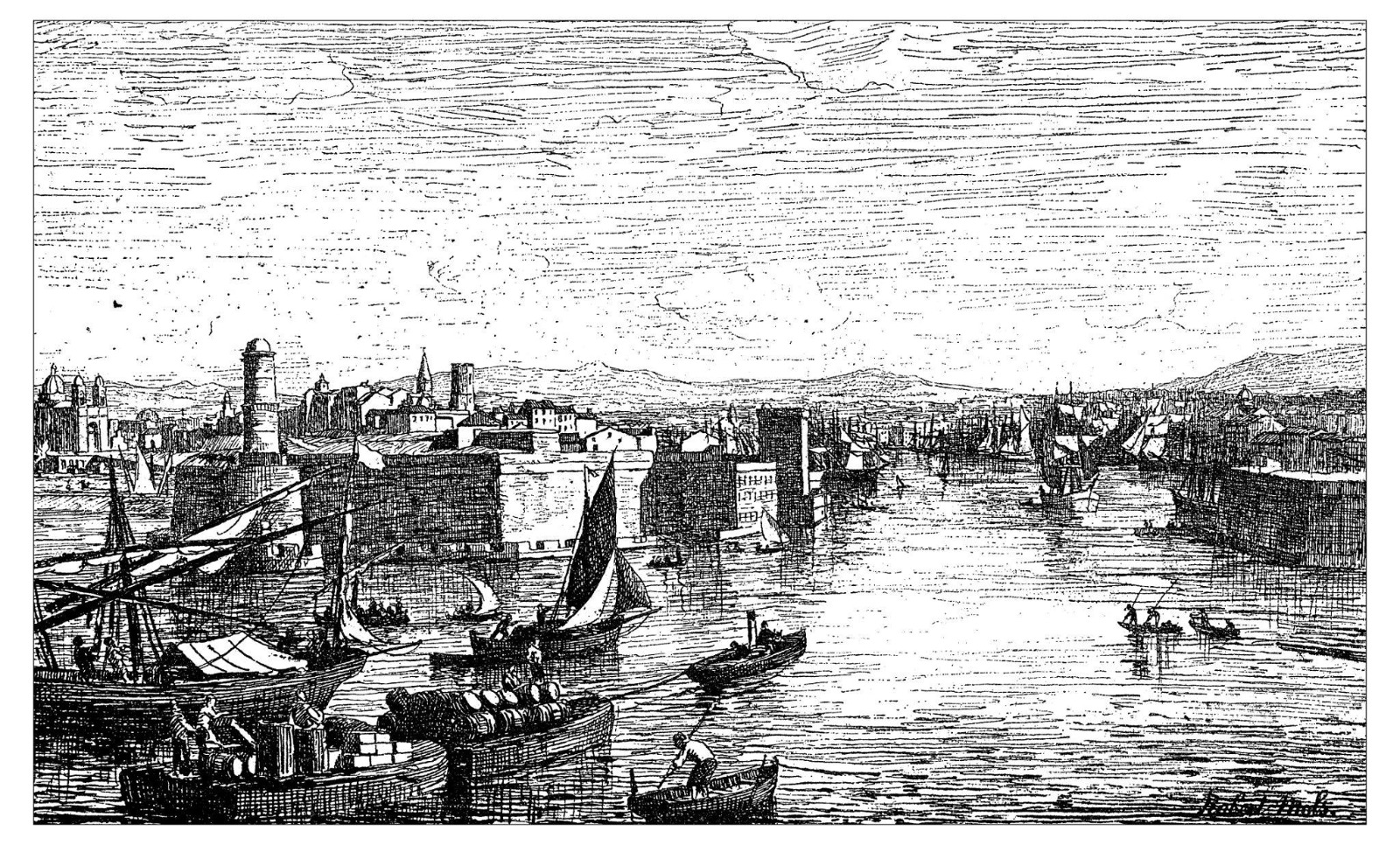
Odessa's spectacular early success became part of its worldwide myth. At the same time, the figure of Richelieu – a tireless and meticulous man who never considered a task too mundane or insignificant, or a person too lowly, became a myth among generations of the city’s residents.
Richelieu had a talent for recognizing people who could help him. One such person was Charles Sicard, a native of Marseille who settled in Odessa at the beginning of 1804 and documented the city’s profound transformation in his “Letters on Odessa.”
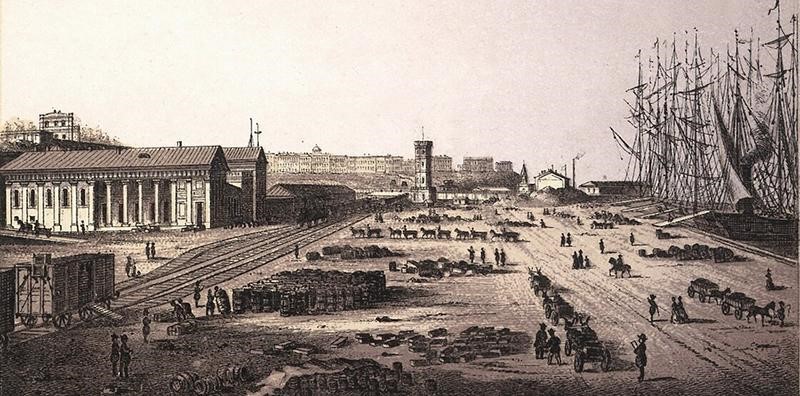
By the time “Letters on Odessa” appeared in “Bibliothèque Britannique,” a journal published in Geneva, in 1809, Europe had been torn apart by the wars that the French Revolution unleashed on the continent, with rising militarism in culture, mass mobilization, and death toll climbing into the millions.
At the time, when war was presented as inevitable and necessary, the words of Odessa merchant may have seemed naïve: “I believe that amidst the calamities afflicting global commerce, it may offer consolation to present an example of the opposite kind by depicting for you the condition of trade in Odessa…. you will find proof that the prosperity of a people, like that of an individual, rests within itself; that it cannot be achieved through violence; … and that this precious seedling of human prosperity can flourish only through gentleness of cultivation and peace.”
But throughout the Russo-Turkish War and the Napoleonic Wars, Odessa, a multinational and multilingual city where the mayor himself was a foreigner, maintained stability and continued to prosper. The tolerance and respect that Duke Richelieu cultivated among the colorful and diverse population paid off.
Cardinal Richelieu never managed to force Marseille into submission, but his great-nephew offered Odessa freedom and peace that made it bloom. He forged its distinct identity and the monument installed at its main sea entrance after his death became one of the most recognizable visual symbols of the city – it will turn 200 years in 2028.
—————————————————————-
Alyona Synenko is a Ukrainian writer, journalist, and former humanitarian aid worker who currently serves as a writer for the UN Environment Programme. She is best known for her spokesperson roles with the International Committee of the Red Cross during major global conflicts and her evocative essays on resilience in war for the New York Times.