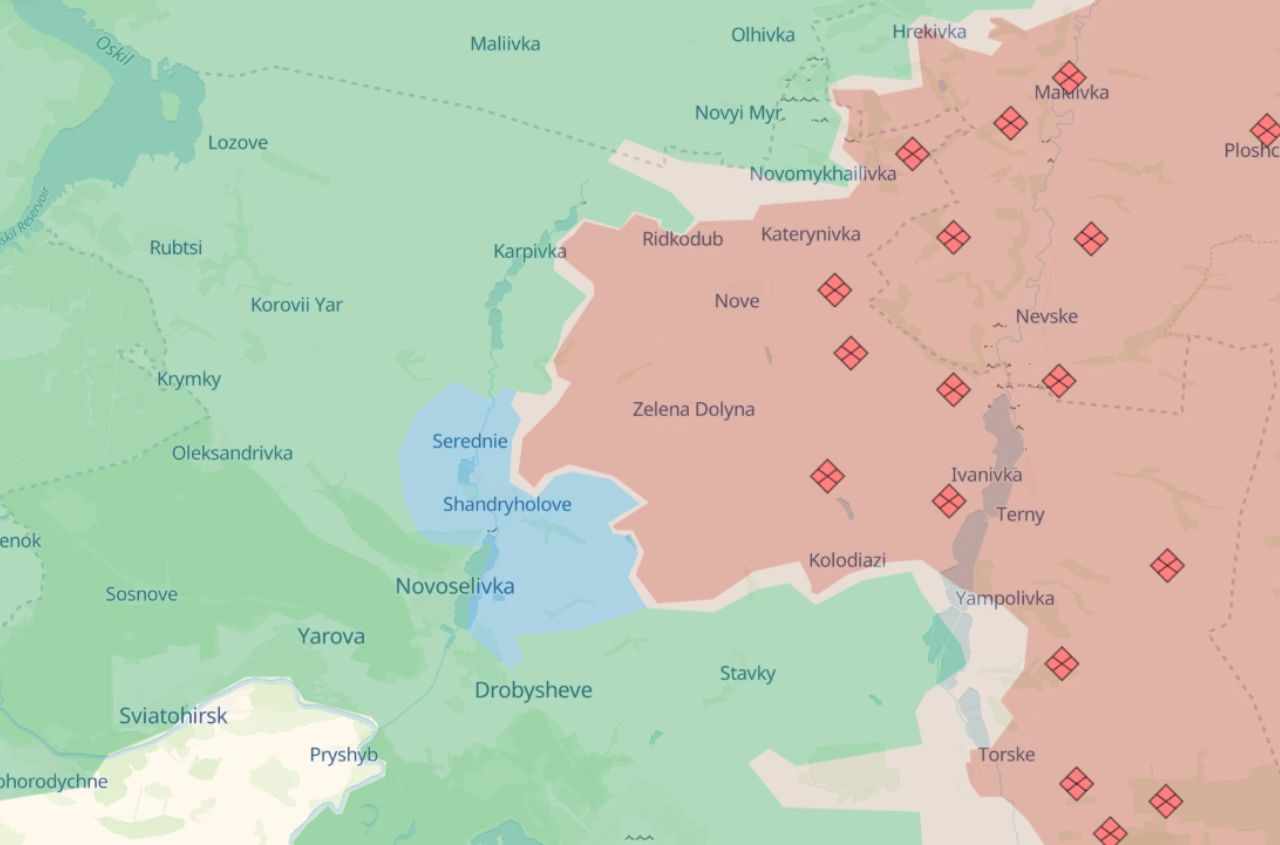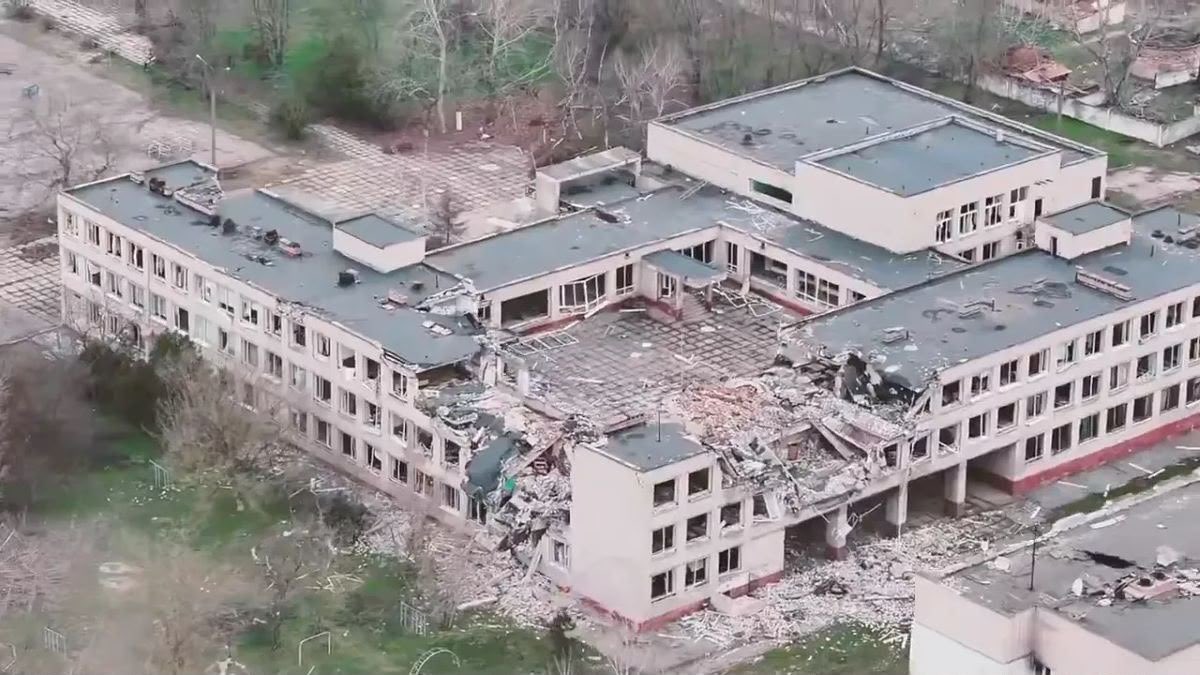


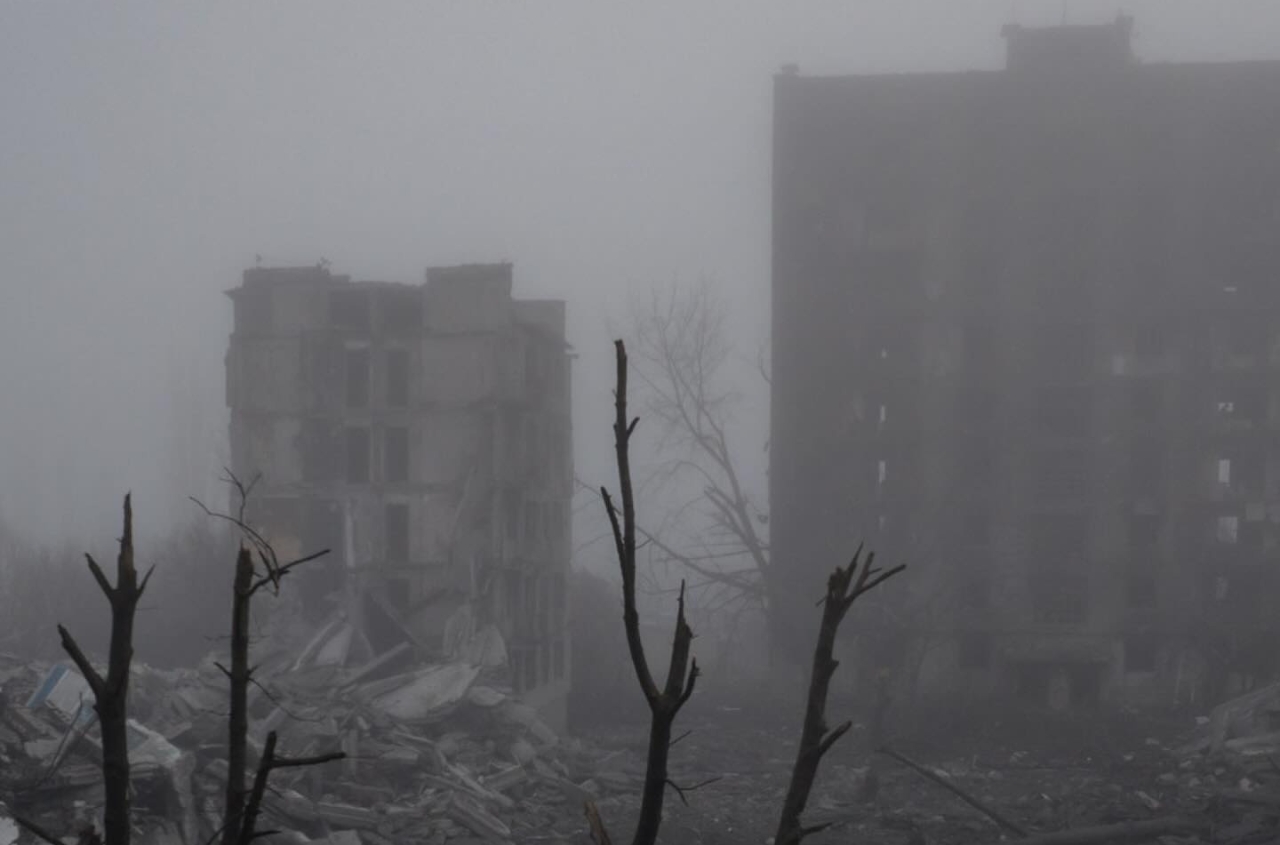

The fighting for Kostyantynivka is taking on a fairly stubborn and intense character. According to the current situation, it should be noted that the enemy continues to concentrate its main efforts on the right flank of the 8th Combined Arms Army and in the sector of the 3rd Army Corps, that is, directly south, southeast, and east of Kostyantynivka, as well as in its southern and eastern parts.
At the moment, the enemy has managed to “infiltrate” several of its assault groups into the city. However, it cannot be said that they have any firm or stable control over these areas, as the main forces of the enemy’s forward units still remain outside the city.
The presence of enemy infantry (assault) groups is recorded in the southeastern part of the city (between Ostrovskyi Street and the T-0504 road), in the eastern part (Sechkina Street, Radishcheva Street), and partially in the area of Makiivska and Bakhmutska streets. However, fighting continues in all of these areas, and the enemy is not yet able to establish itself there in significant numbers.
The total area where enemy assault groups are detected within the city, as of yesterday, likely does not exceed 7–8% of its total area.
The Armed Forces of Ukraine (AFU) carried out a series of counterattacking actions in the southern and eastern parts of Kostyantynivka, in the areas of Ilyinka and Berestok, as well as in the Chasiv Yar area. Their clear objective was to stop the enemy’s further advance and restore the integrity of the AFU defensive system in this sector.
In a number of cases, they succeeded in achieving the desired result, although not completely. For example, the AFU clearly managed to disrupt an attempted “on-the-move” breakthrough by the enemy in the sector of its 8th Combined Arms Army into the central (western) part of Kostyantynivka, and also to retain control over parts of Stepanivka and Ilyinivka. However, in the eastern and southeastern parts of the city, the situation for the AFU continues to gradually worsen, albeit very slowly.
The enemy has apparently managed to expand the zone of presence of its assault groups on the eastern outskirts of the city and, to a certain extent, to entrench itself in its southeastern part.
When assessing the overall prospects for the further development of the situation on the Kostyantynivka direction, it is probably worth drawing several obvious conclusions:
In essence, the troops on the left flank of Russia’s Southern Group of Forces have become bogged down in the Kostyantynivka area. All advances by Russian forces in this direction currently amount to about 0–1 km per week, and this has been the case for more than a month. In this sense, one can argue whether Russian forces will take Kostyantynivka by mid-summer or not, but the fact that the fighting in the Kostyantynivka area is dragging on is obvious.
Judging by everything, in operational terms, the Russian command, when choosing the direction of its main effort, has preferred the Dobropillia direction (also referred to as the Pokrovsk direction), as it offers more significant operational prospects. In the case of further successful advances there, Russian command could achieve a deeper operational encirclement of Kramatorsk not only from the south but also from the southwest, and with greater operational depth.
However, this does not mean that the enemy will abandon active and intensive offensive and assault operations in the Kostyantynivka direction in the near future. After all, despite the prolonged fighting for Kostyantynivka, the need to stretch and disperse Ukrainian reserves and forces ahead of an offensive on Kramatorsk and Sloviansk remains unchanged.
However, the command of the 8th Combined Arms Army, the 3rd Army Corps, and the various attached reinforced units will evidently have to rely primarily on their own forces and resources, which are in fact a kind of “mixed formation” assembled from several different armies and corps.
They are unlikely to receive significant reserves, especially at the strategic level, in the near future. In this sense, it can be said that, regarding its future “major” offensive on Sloviansk and Kramatorsk, the Russian command has ultimately preferred the Dobropillia “crane in the sky” over the Kostyantynivka “sparrow in the hand.”