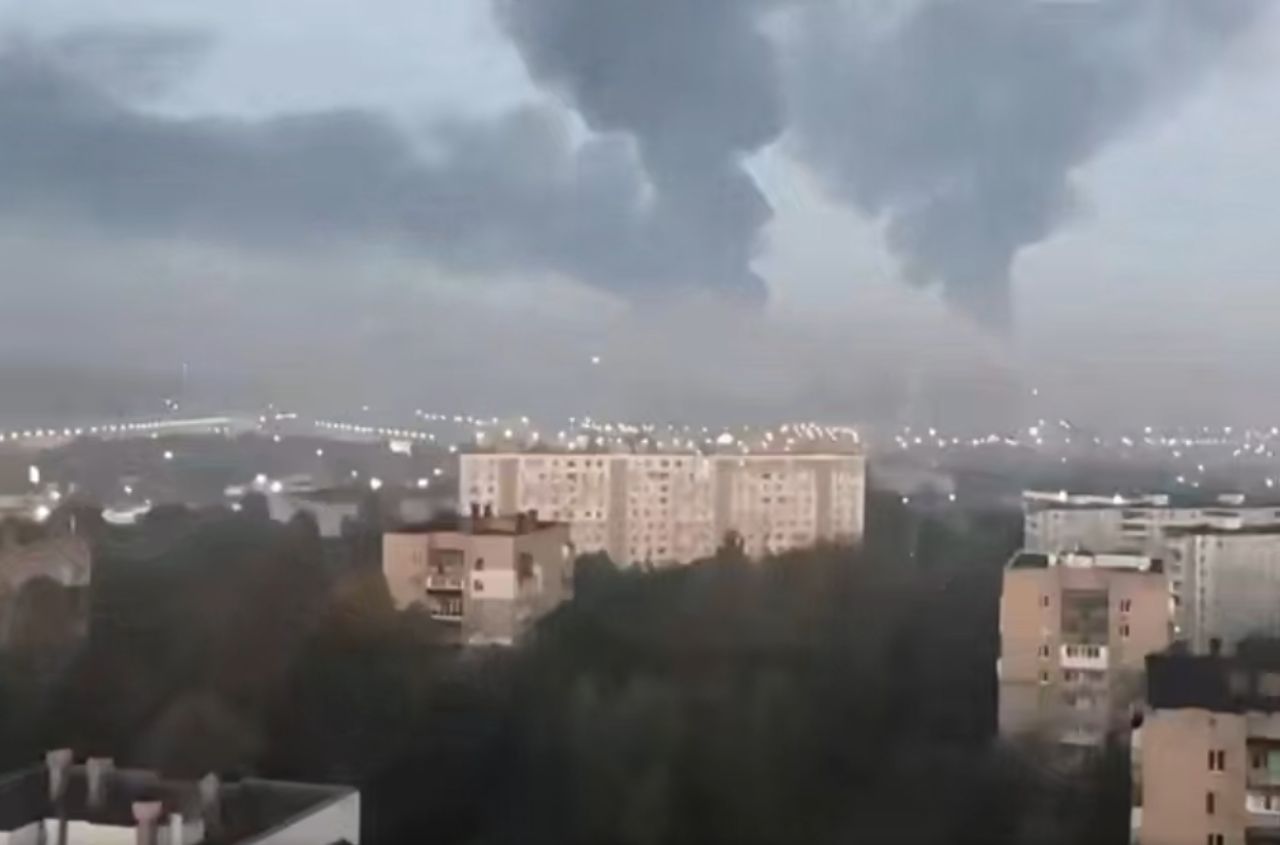



Fires are burning in Rostov and Yaroslavl, Putin is withdrawing from negotiations.
Two pieces of news came during the past night. To be fair, Kremlin statements appeared slightly earlier. However, the essence of both—just like the ceasefire announced by Ukraine and the “ceasefire from Putin”—is the same: diplomatic initiative.
First, the background
Think about this: throughout 2025, discussions about negotiations were effectively driven by Russian initiative. Yes, Trump played the role of “mediator,” but he needs Russia as a partner in matters involving China. He needs money, and the Kremlin found something to offer.
As a result, we saw several successive “proposals.” They followed a similar pattern: a meeting between Americans and Russians (or a phone call), followed by an invitation for the Ukrainian side to join talks. Sometimes softly, sometimes as an attempt to “force implementation,” sometimes through pressure.
In other words, the initiative was (and still is) with Moscow. The Ukrainian side tried to convince Washington that “Russia is not winning.” But even the plans and positions developed with European partners were not originally Kyiv’s concept—they were responses to positions or frameworks proposed by Trump, who was largely using Russian ideas as a basis.
In such a format, achieving success in negotiations is extremely difficult. Your position is inherently weaker—you are responding to the opponent’s proposals and cannot change the framework of discussion.
Now, 2026
The year 2026 slightly changed the situation. In March–April, it became clear that, at least in terms of drone and missile strikes, Ukraine was trying (not unsuccessfully) to seize the initiative. Russia began to experience frequent and regular strikes. On the front line, the Kremlin did not achieve major changes—fighting for Mala Tokmachka continues.
The United States and Israel begin a war against Iran. However, the expected “Venezuela scenario” does not materialize for Trump. Moreover, the US security umbrella over Arabian Peninsula states turns out to be not only non-absolute but full of gaps. The war drags on excessively—Trump is even forced to postpone a trip to China (a top priority). Against this backdrop, discussions about Ukraine and its security role begin. I will not comment on the successes or failures of the Foreign Ministry. But the very framing of the question—“what can Ukraine contribute?”—is already a shift from “Zelensky has no cards.”
Theoretically, Putin could have gained advantages from the Iran war and provided services to Trump, which could have led to pressure being applied on Zelensky. The Kremlin tried to become a “mediator” between Iran and the US. But the official mediator role has already been taken by Pakistan. And in informal communication, Iran is not eager to rely on Russia—on the contrary, Russia is trying to impose itself as a “messenger.”
Meanwhile, the Ukrainian issue is fading into the background in the White House’s perception, not even second priority anymore. At the same time, Dmitriev’s plan (somehow referred to as the Witkoff plan), albeit heavily modified, is still being discussed.
But Trump is constrained by time. If his negotiation track fails, the format may change, potentially involving new frameworks where mediators include not only the US but also the EU and China. That would mean peace plans would be rebuilt from scratch—without so-called “Trump reconstruction funds,” but possibly with mechanisms of pressure on both sides.
Putin is also constrained by time—September 20 is a crucial voting day in Russia. A lack of progress on the Ukrainian front (in terms of how the war will continue) is risky for him. New negotiation frameworks involving the EU and China are not in his favor.
Now about the ceasefire and timing
Given all this, we saw a sharp increase in Russian diplomatic activity toward the US. This includes another visit by Dmitriev (quite successful for Russia), talks between Lavrov and Rubio, and finally a conversation between Trump and Putin.
And a “gesture of goodwill” from Russia — Putin’s announcement of a ceasefire. An important point: as before, it is Putin who announces the “ceasefire.” Ukraine previously followed it, and in theory would be expected to follow it now. So again, the question is about initiative in negotiations. In the perception of Russia and the US, there is only one side capable of offering the basis for talks and ideas for a ceasefire — Russia.
But something unexpected happens for the Kremlin. Zelensky decides to show that this kind of “ceasefire game” can be played both ways. He announces his own dates, with the start of the ceasefire two days earlier. The Kremlin faces an unpleasant choice: agreeing would mean admitting (as Russian society and elites would see it) weakness, especially as drones and missiles continue to strike and cities like Tuapse and Perm burn, with parades being canceled. Refusing and insisting on its own terms would likely lead to attacks on May 9. If not on Moscow, then on several important targets in other cities.
The second option looks more promising to the Kremlin. The reason is the need for changes on the front, including through unpopular administrative decisions such as mobilization. This was written about recently. And for unpopular decisions, the population needs to be further intimidated, enabling political mobilization through fear, as happened before the Second Chechen War. At the same time, this raises the stakes in foreign policy.
And this is essentially what happens. Putin, without waiting for the results of the “ceasefire,” announces withdrawal from the negotiation process. Illogical? After all, even the ceasefire he announced is part of the negotiation process with the US and Ukraine. So by withdrawing, he also resets that issue. Another reason for Ukraine to look at where in Russia the fires are not burning so brightly.
But for Putin, the alternative is much worse — losing initiative in negotiations could mean the emergence of new frameworks for discussions, initially not formulated in Moscow. That would force Russia to say “no” from the very beginning instead of its usual “we are for peace, but…”
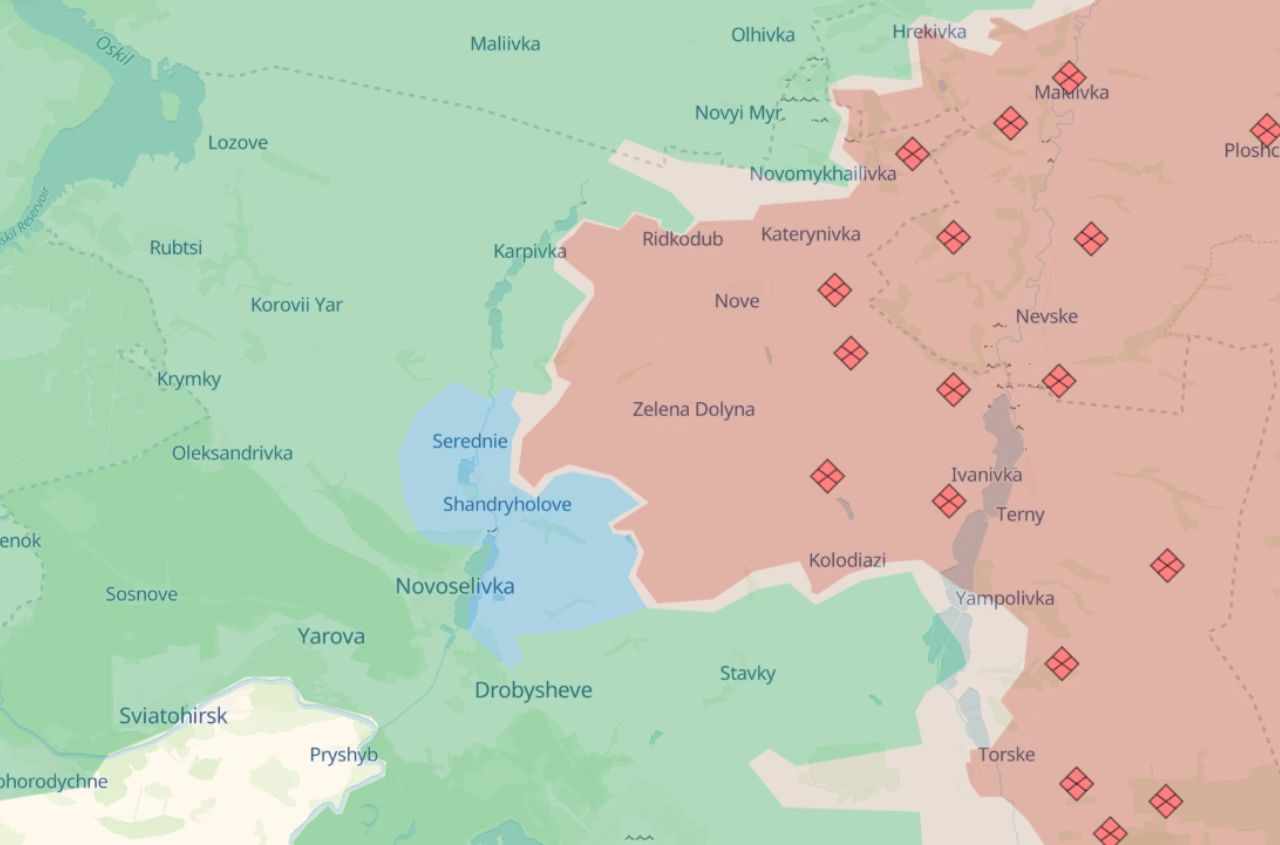
The Kremlin is trying not only to regain initiative but also to sharply raise the stakes. The issue of Donbas, without which no “victory narrative” can be constructed for domestic audiences, is being shifted from one of several discussion points to a precondition for any talks. If in the autumn it was “we will discuss whether and how it is possible,” now it becomes “first Donbas, then we talk.”
These are unacceptable conditions for Ukraine. Some compromises on territory without transferring control to Russia might have been acceptable to part of the population (not the majority, but a significant portion). But withdrawing from Donbas as a precondition demanded by the Kremlin is far more difficult to accept.
What is Putin hoping for?
Several things: the possibility of acting as a mediator between the US and Iran (still), internal Russian mobilization through fear and possibly military mobilization, and achieving a breakthrough on the front before autumn.
The alternative is to actively play the diplomatic card with the US. For Trump, the withdrawal of one party from negotiations would be a failure ahead of his trip to China and midterm elections. That creates a chance that Washington might consider applying pressure on Ukraine. This is a possible track the Kremlin is likely developing.
At the same time, Russia may try to influence internal Ukrainian politics, exploiting divisions within society — especially since Ukrainian politicians persistently create points of conflict themselves. The Kremlin would simply amplify them.
And finally, a third, though still unlikely scenario: a major catastrophe inside Ukraine. A nuclear strike is unlikely. But strikes on all bridges across the Dnipro, or even the destruction of one of the dam cascades, are considered possible — unfortunately. However, Putin is still cautious here due to fear of international consequences. So for now, this remains more of a form of blackmail than a realistic plan.
The summer political season has begun. For Ukraine, it will be difficult and dynamic. But unlike 2025, there are real chances to seize the initiative — and they are not small.
Russia attempted to announce a ceasefire for May 8–9 as part of a negotiation track with the US and Ukraine. However, a few hours ago it declared its withdrawal from the mentioned negotiations. Earlier, it also decided not to observe the ceasefire that Ukraine had announced. At the same time, Putin is ready to sit down “at the negotiating table” again — but only after Ukraine hands over the territory of Donetsk region to Russia. This is notable, considering that just a week ago, territories were not a condition for starting talks, but rather a subject for discussion.
Putin is raising the stakes, including by provoking—or, if you prefer, inviting—Zelensky to order a strike on Moscow on the morning of May 9, 2026. The main goal is to intimidate the domestic population.