



Forty-first nterview through images by Andrew Sheptunov
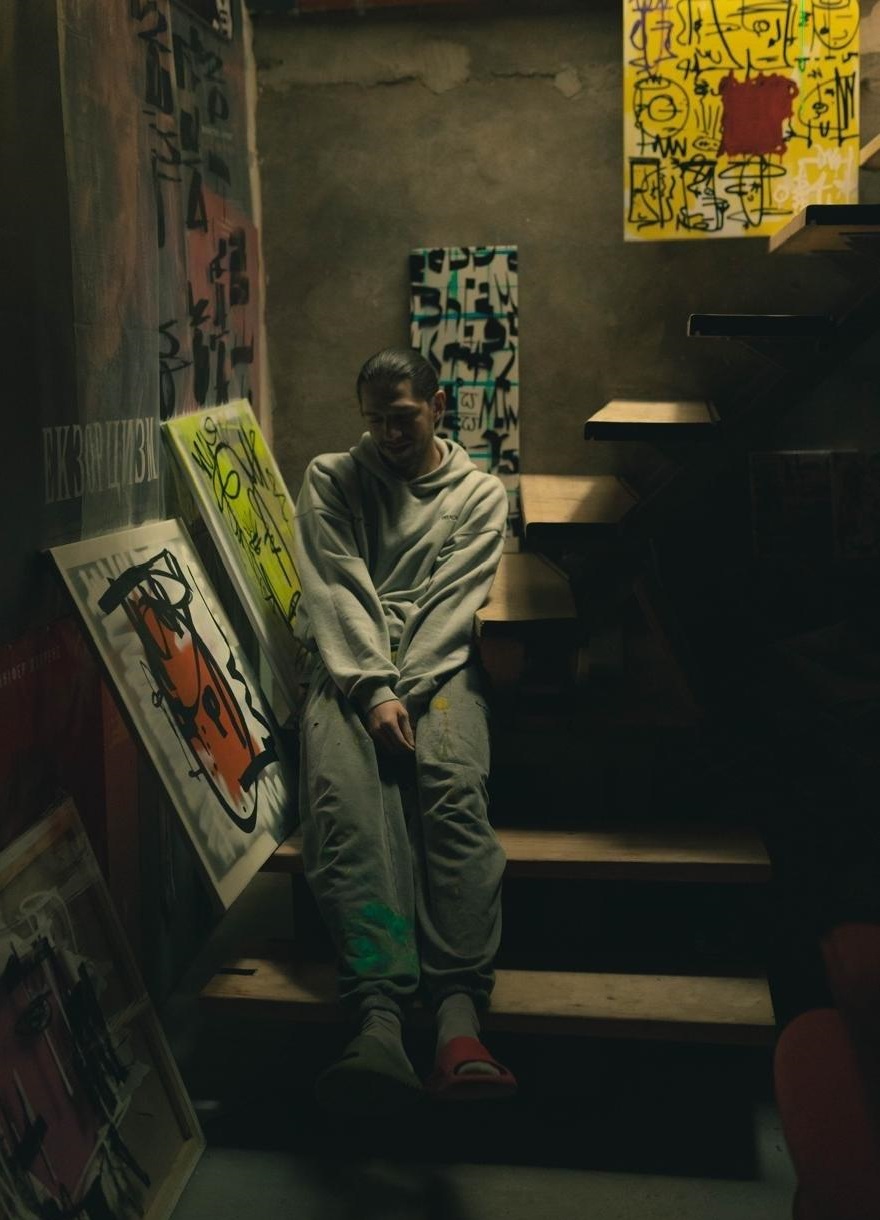
The streets of Odessa have always been more than just a backdrop for life; they are an active participant in a cultural dialogue. In this continuous stream of visual noise, architectural contrasts, and southern expression, artists are born whose voices become an integral part of the urban fabric. One of these voices is the graffiti writer and contemporary artist KIT, whose work has long transcended the strict boundaries of the conventional understanding of street art.
His path began exactly where most representatives of this culture start: on blank walls, concrete fences, and in industrial zones hidden from prying eyes. The street became his first and primary school, a place to hone speed, an uncompromising nature, and the ability to interact with what is often an aggressive environment. It was under these conditions that his recognizable style was formed, along with his ability to convey complex emotions through biting lines and the dynamics of lettering.
Over time, the author's technique has undergone a significant evolution. What began as classic street writing has grown into a deep exploration of the physical possibilities of aerosol paint. KIT has achieved a level of control over the material where filigree manipulation of spray can pressure and masterful cap handling allow him to create the most complex color transitions and optical illusions, inaccessible to many artists with a classical background.
A logical step in the artist's development was the transition from an open, uncontrolled space to studio and gallery formats. KIT began transferring the pulsating energy of the streets onto the plane of paintings. However, the classic white canvas proved too confining and predictable for an author accustomed to the fact that the texture of brick, rusty metal, and the surrounding landscape always play an equal role in the composition.
Thus, transparent bases appeared in his arsenal—dense silicone layers and studio films. This innovative approach, vividly revealed at the Prizma exhibition, allowed the artist to preserve street multidimensionality within a closed space. On a transparent canvas, the background behind the painting lives its own life, and the artwork itself radically changes its semantic and visual weight depending on the viewing angle and lighting.
Within these multilayered, almost sculptural objects, KIT raises complex contemporary themes. Hidden behind the striking visuals are a subtle erotic subtext, deep reflections on social tension, and attempts to capture the state of digital apathy. His art becomes a mirror of an era of total information overload, where society is constantly seeking salvation in modern, legal "tranquilizers."
The artist pays special attention to materials with their own, already lived history. He might use an old piece of awning from the Starokonny Market as a canvas, where random scuffs, dust, and traces of time become full-fledged co-authors of the artwork. Such an approach returns the viewer to the origins of street culture—to the understanding that art does not exist in a vacuum; it always interacts with reality, absorbing it into itself.
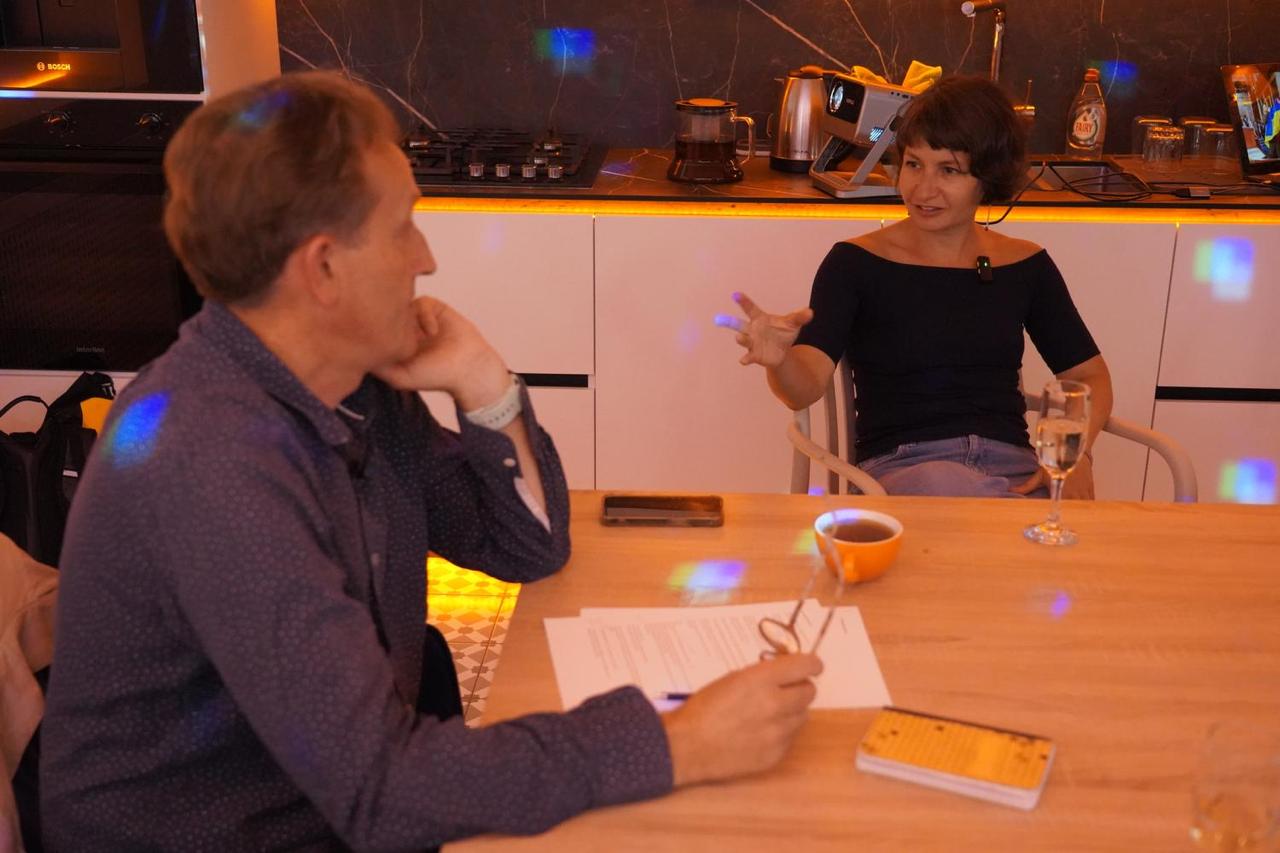
To truly understand an artist of this caliber, one sometimes needs to abandon conventional texts and lengthy curatorial explanations. In this piece, we offer the format of a visual interview, where the art itself speaks instead of words. We asked KIT a series of questions about his technique, hidden meanings, and perception of the world, to which he replied exclusively with his artworks.
1. Show a work where you achieved the most complex gradient or color transition, controlling only the cap and the pressure of the spray can?
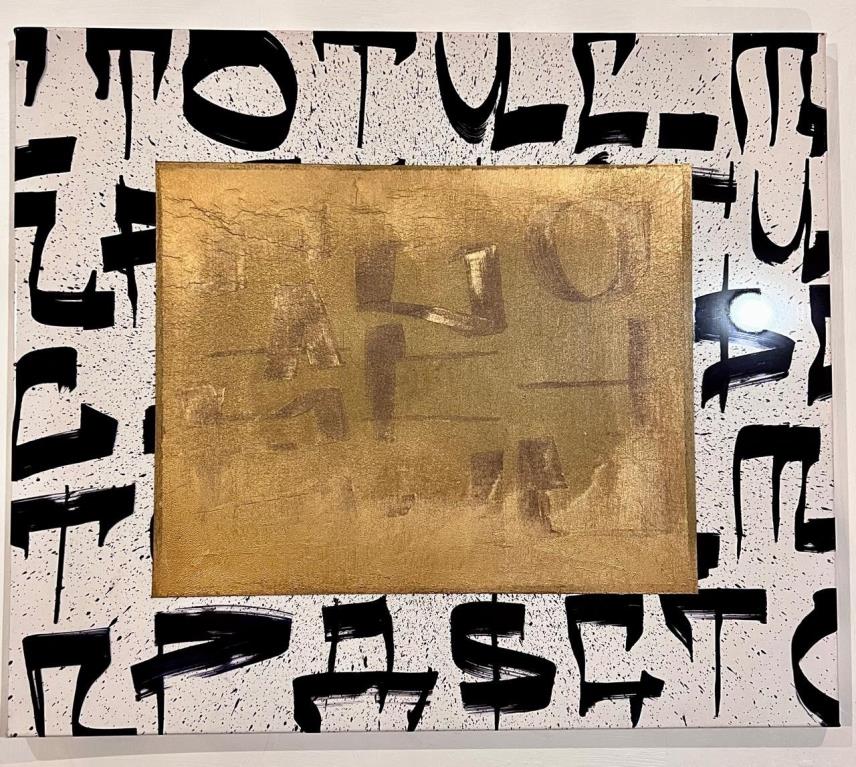
2. Demonstrate a transparent canvas where the background behind the painting has become an absolutely equal part of your composition?
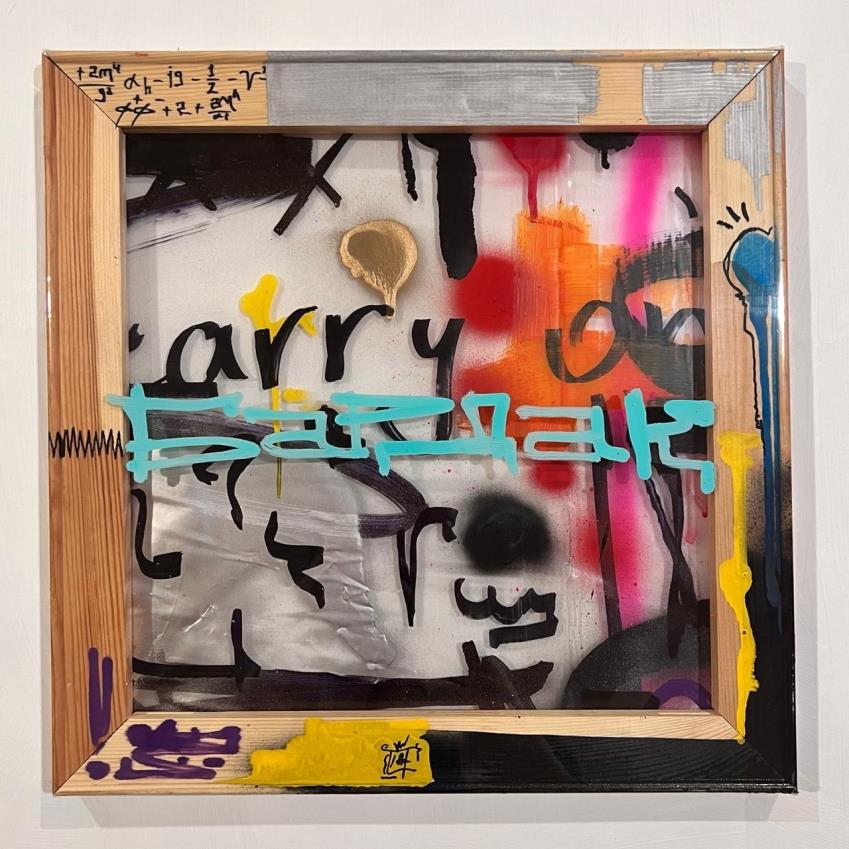
3. Which of your works on a transparent material changes its meaning most radically depending on the viewing angle and lighting?
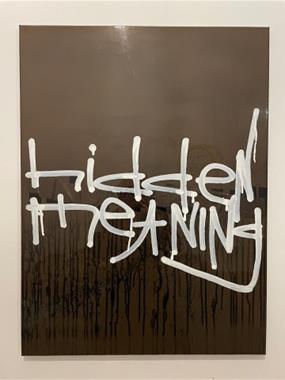
4. Show an artwork in which you encoded an erotic subtext so subtly that only the most attentive can read it?
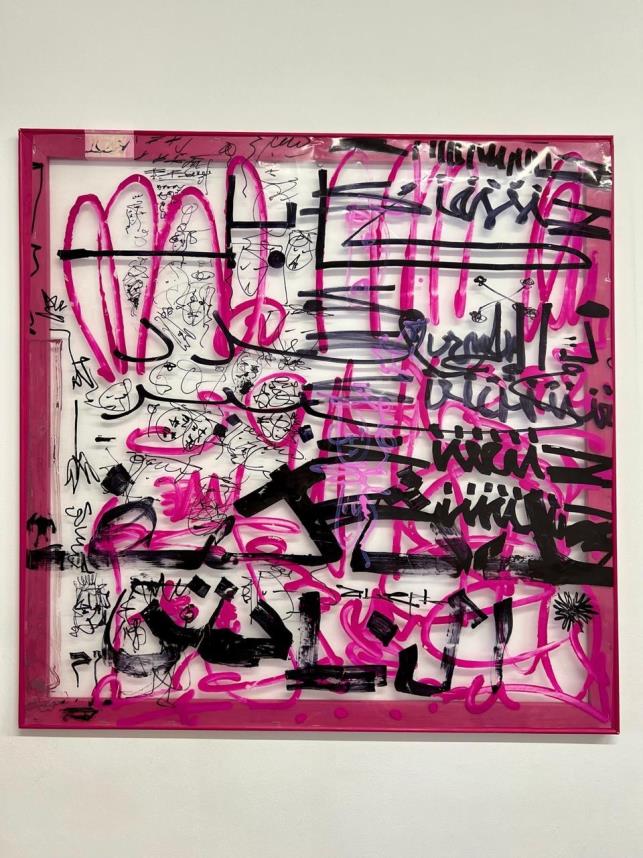
5. Show a work whose initial semantic load has completely changed for you yourself over time?
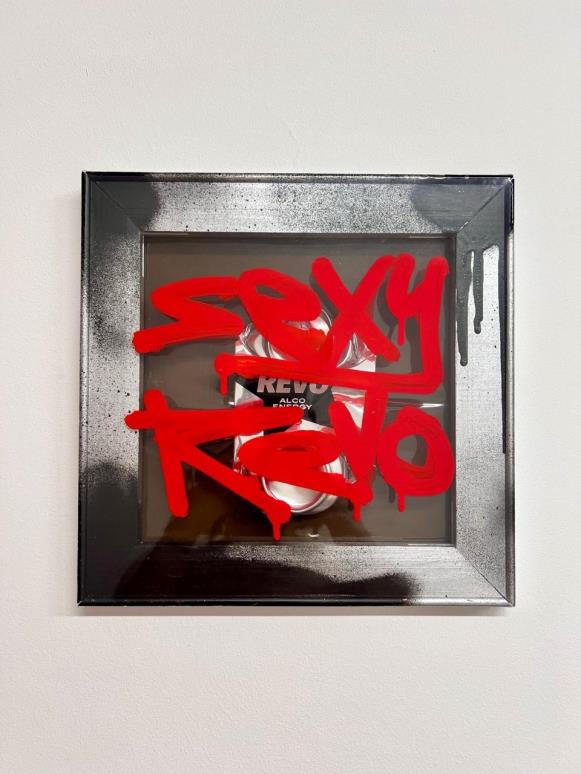
6. Which of your artworks most clearly reveals the influence of other artists on your technique or style?
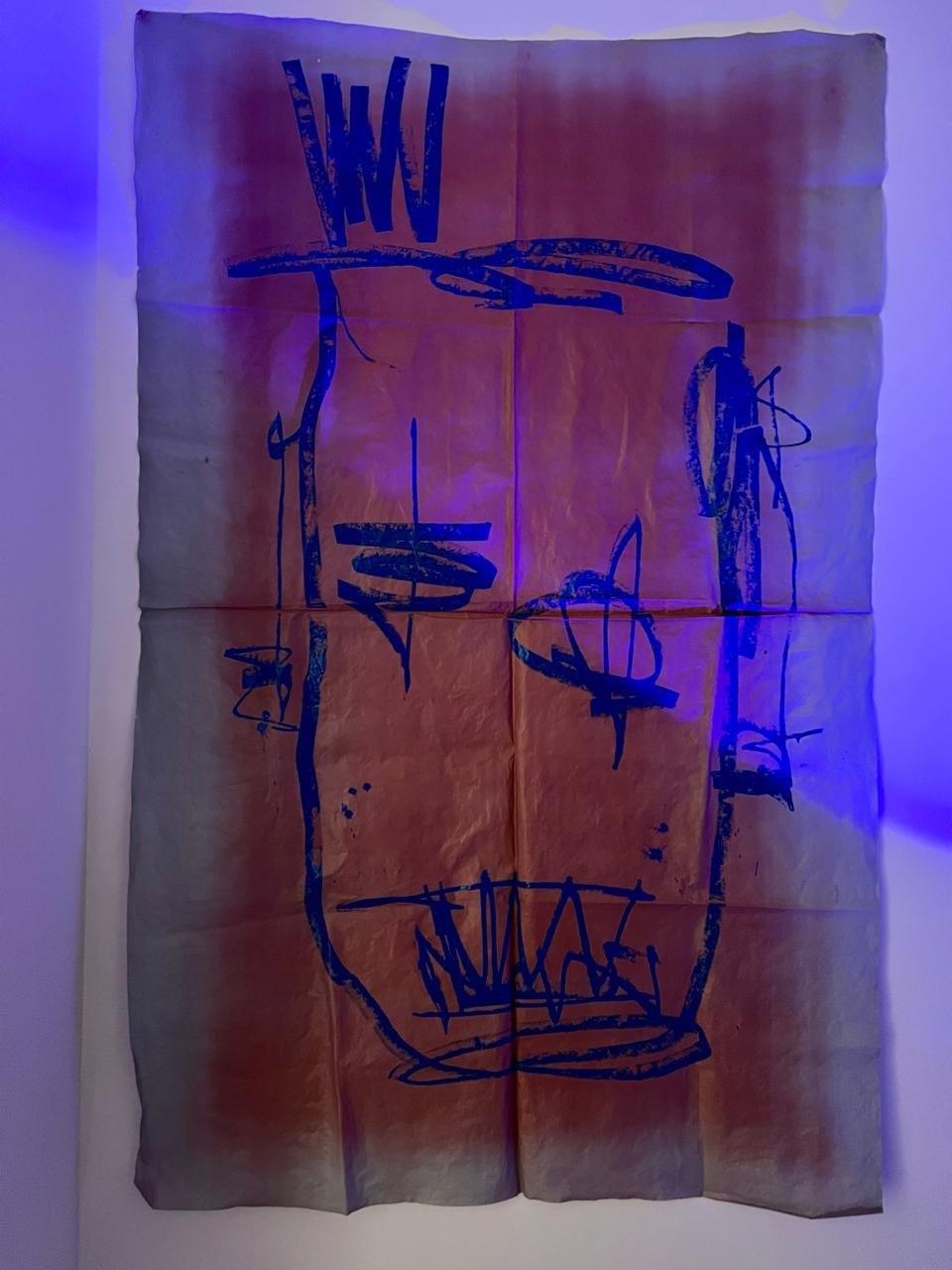
7. Demonstrate a graffiti piece that was created as a direct response to external influence—whether it be music, cinema, or a specific person
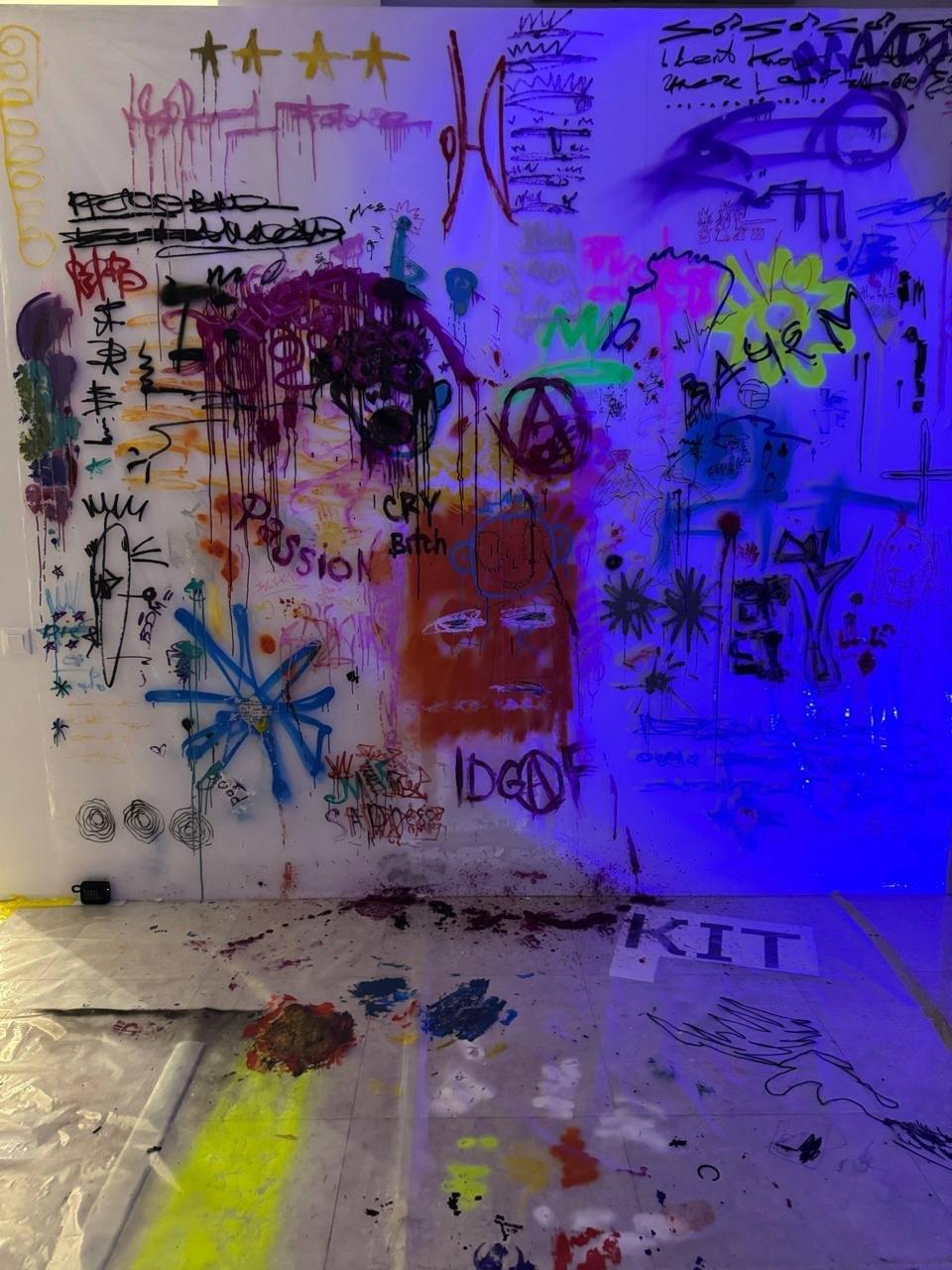
8. Which of your works most vividly conveys the state of artificial tranquility, information overload, or digital apathy?
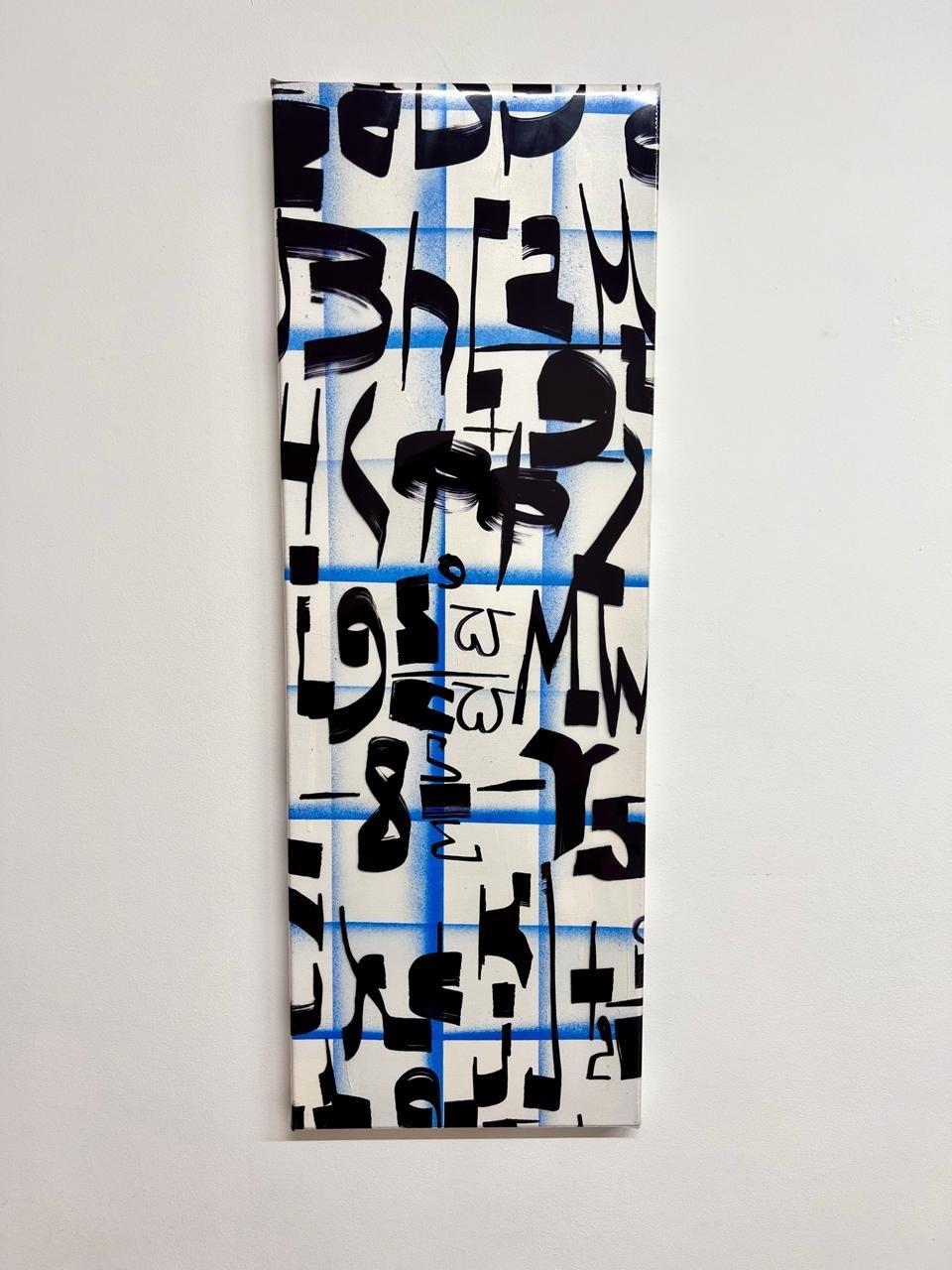
9. Show a work where you deliberately violated the classical rules of form construction for the sake of the desired visual effect.
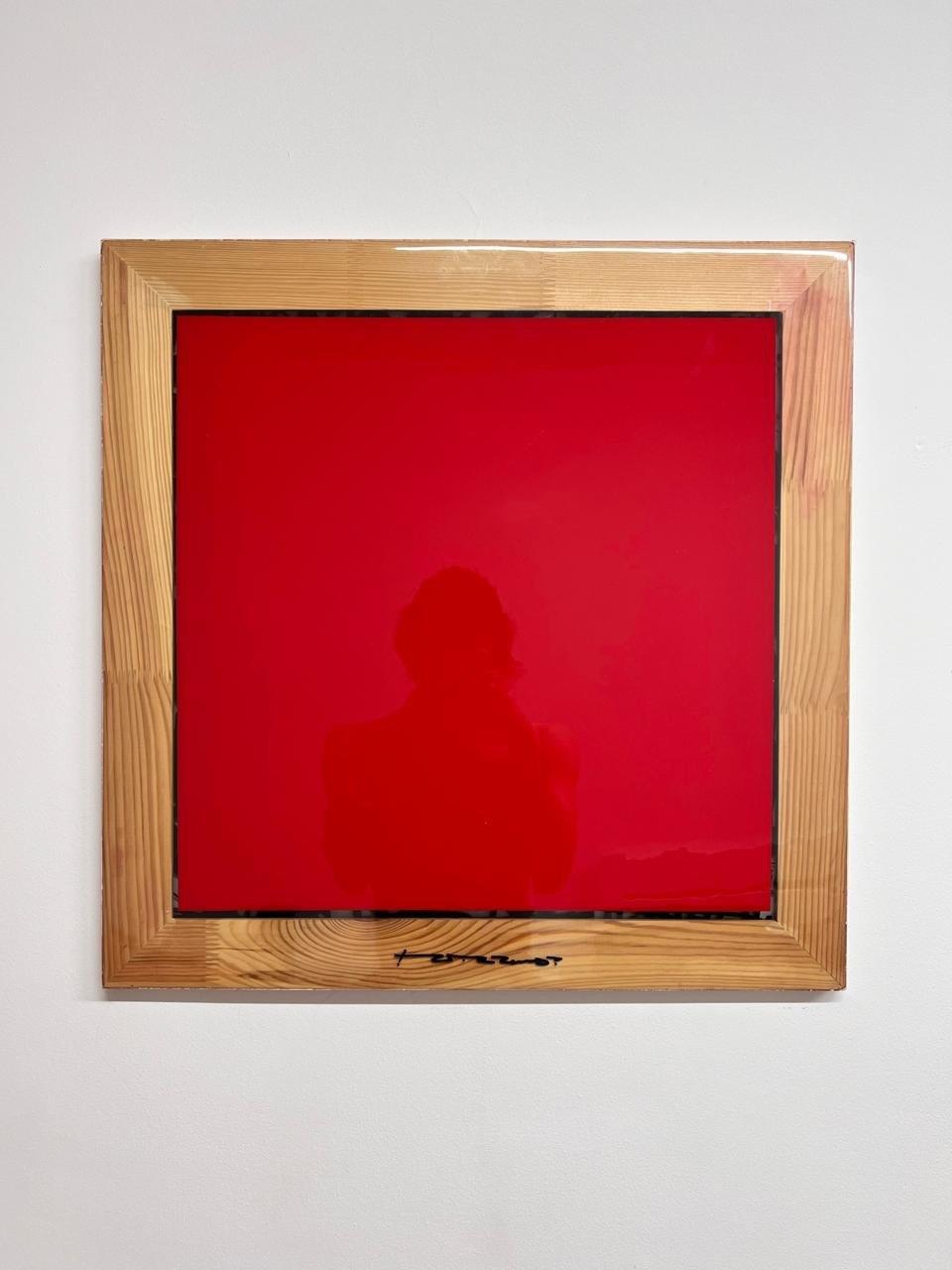
Each of KIT's works is not just a captured moment in time, but an ongoing dialogue with the viewer and the space. In this visual interview, it is clearly noticeable how an uncompromising street attitude organically transforms into a complex, multilayered studio practice. By abandoning classic dense bases in favor of transparent silicone films and found objects with their own history, the artist blurs the boundary between the artwork and the surrounding reality, making the very process of contemplation active.
There are no accidental elements in his art. Hidden behind bright aerosol gradients and the dynamics of marker lines is a deep reflection on modern society, encoded corporeality, and an attempt to find a foothold in an era of total information overload. The answers given by the artist through his canvases prove that contemporary street art has finally moved beyond the framework of a street subculture, becoming a complex optical and semantic tool.
KIT's creative evolution does not stop, and each new project becomes another challenge for both the author himself and the viewer. Watching his visual language transform and street aesthetics take on new forms is most fascinating in real time. You can follow the process of creating multidimensional objects and be the first to know about future exhibitions on the artist's social networks: Instagram