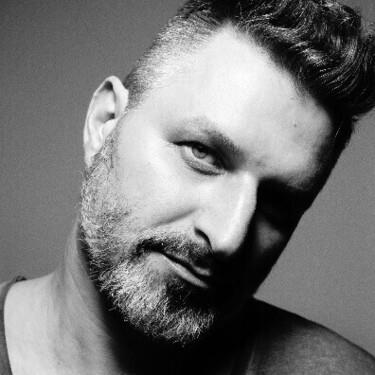


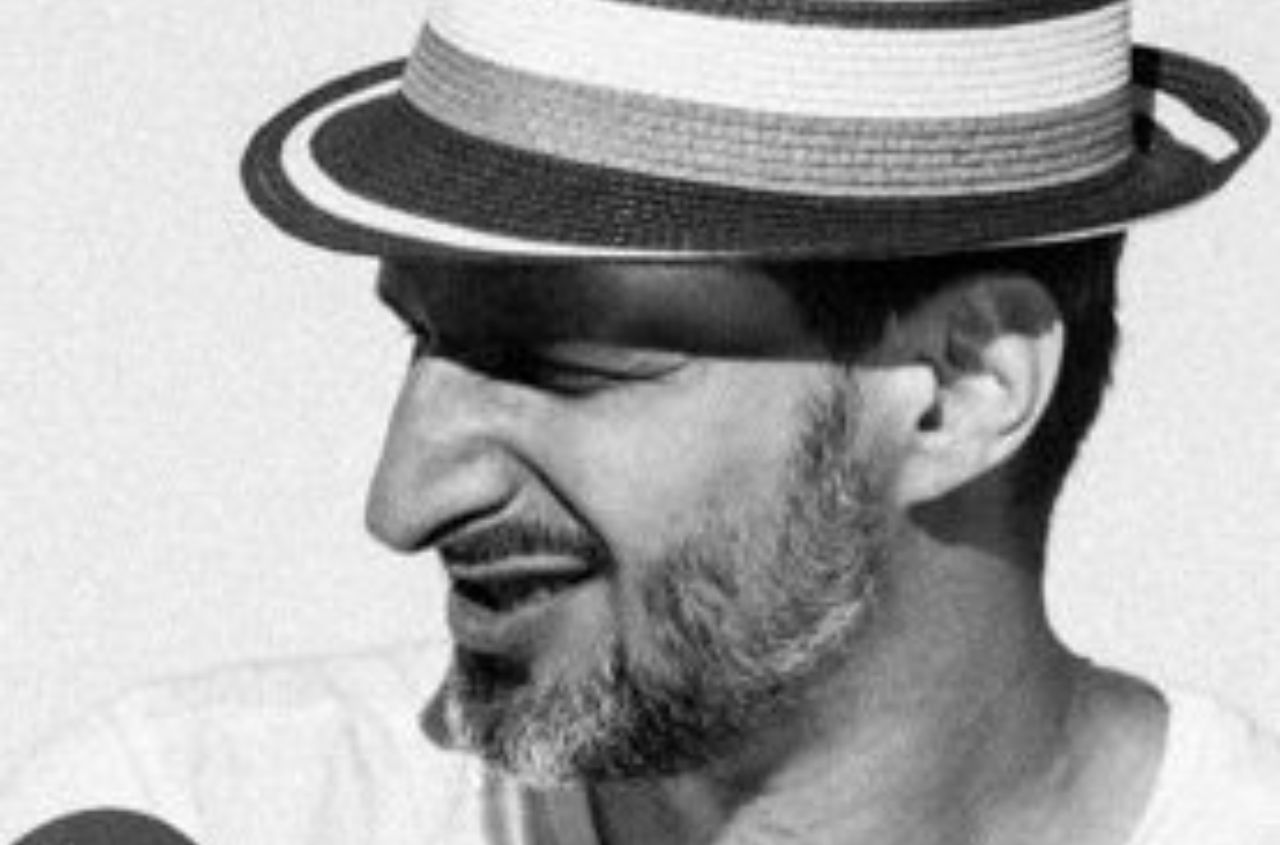

Main image: Ivan Tsupka (Facebook)
The fortieth interview through images by Andrew Sheptunov
The name Ivan Tsupka needs no long introduction for those who follow the development of Ukrainian visual culture. A photographer, director, and digital artist, he masterfully balances on the edge between commercial gloss and uncompromising contemporary art. His works are always a direct dialogue with the viewer, devoid of falsehood and unnecessary flirting with the public.
Tsupka's formation as an author began long before widespread recognition and major projects. He laid his academic foundation in his youth, predating even his formal education at the Grekov Odessa Art School. However, it was there that the most important crystallization occurred: he found like-minded people with whom he would later stand at the very origins of the Odessa contemporary art scene.
Ivan's relationship with his hometown is a complex tandem, devoid of sickly-sweet romantic flair. For him, the "special southern aesthetics" remains largely an overused myth, where the pompous architecture of the Opera House paradoxically coexists with the harsh and not always attractive street reality. Odessa in his optics is a city of contrasts, from which creative people often dream of escaping, but whose energy forever eats into the author's signature style.
In this eclectic environment, long before the emergence of conceptual art hubs and trendy galleries, his unique method was born. Tsupka never limited himself to the rigid boundaries of a single medium. His early photographic experiments, inspired by abstract expressionism, were eventually organically complemented by directing music videos in the early 2000s—an era when the hope for a genuine breakthrough still hovered in the Ukrainian industry.
The photographer's workflow excludes the division into "right" and "wrong." For him, light, texture, or technical techniques are not an end in themselves, but merely tools in the vast arsenal of visual language. He is not looking for the perfect glare just for the sake of a pretty picture; he is looking for meaning, even if it means breaking the laws of the genre.
This inner freedom allows him to transform banal objects into deep philosophical statements. Whether it's conceptual posters for independent cinema or complex creative collaborations, Ivan always goes beyond conventional perception. He boldly explores ancient archetypes, destroys stereotypes, and fuses polar meanings together—from the divine to the gendered.
At the same time, he remains extremely frank when it comes to social reality and war. Tsupka avoids unnecessary pathos and evaluates the reaction of the art community to what is happening without illusions. He despises opportunism and ironically attributes himself to those artists who simply continue to do their work, remaining true to their chosen path even in the darkest times.
His lens also becomes a tool of support for those contributing to the fight. Commercial fashion photography in his hands easily turns into a social manifesto: creating stylish looks of team members in camouflage, he finds the perfect balance between aesthetics and a vital goal—raising funds for the army.
Ivan's works live their own, often absolutely unpredictable lives. Some conceptual shots from a decade ago are still going viral online, turning into internet phenomena, T-shirt prints, and album covers. This proves the main point: true visual provocation has no expiration date.
To truly understand the optics of Ivan Tsupka, it is not enough just to read his reflections—you need to look at what he creates. That is exactly why he became the hero of our special section about photographers titled "Silver and Steel," where we invite authors to abandon the classic format in favor of visual answers. Below is a dialogue in which the frames themselves speak instead of long monologues, complemented by short, spot-on comments.
1. Which photograph would you use to illustrate your transition from the academic foundation received at the Grekov Art School to modern media and photography?
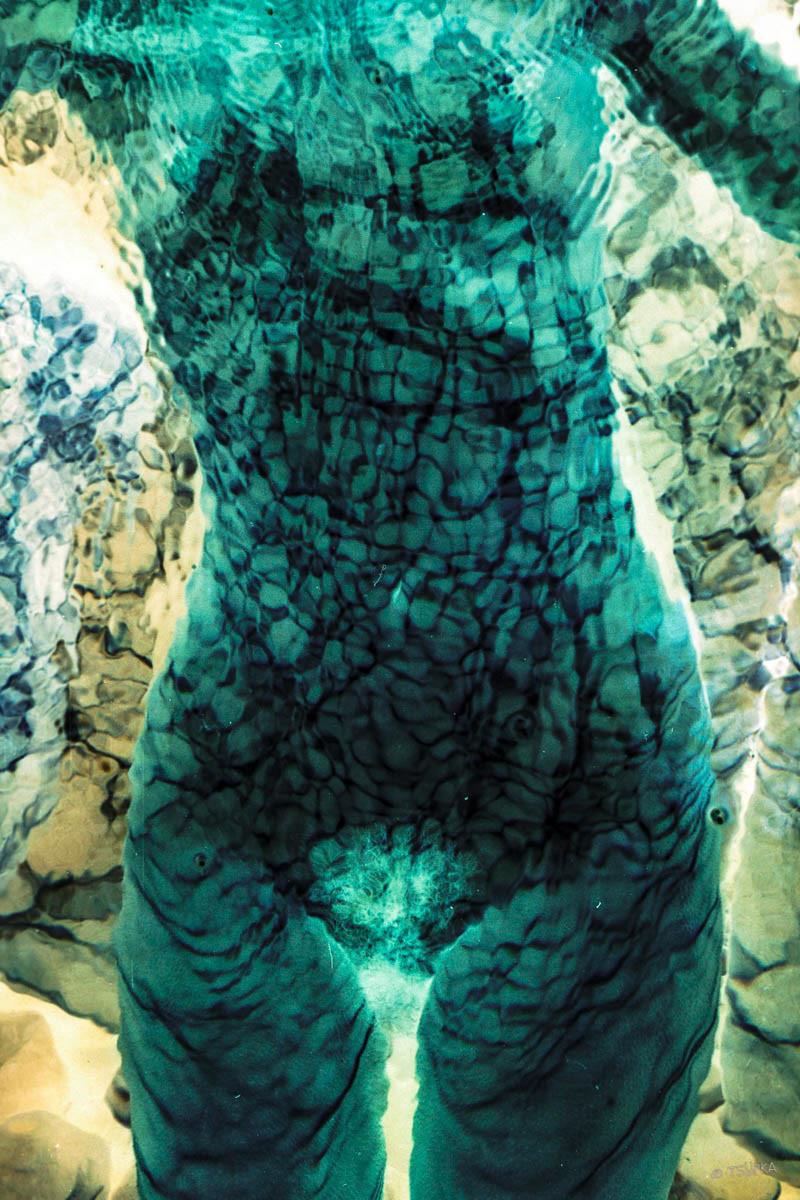
Author's comment: "I received my academic foundation even before entering the Grekov Art School. The school itself didn't have a strong influence on me, but there I met like-minded people with whom we began to create the contemporary art scene in Odesa. Here are the first works that relate to contemporary art, but are still under the influence of abstract expressionism and the academic school—the Underwater series (1996)."
2. Show a work that best conveys the contrast between the strict visual culture of your childhood and the creative freedom of today.
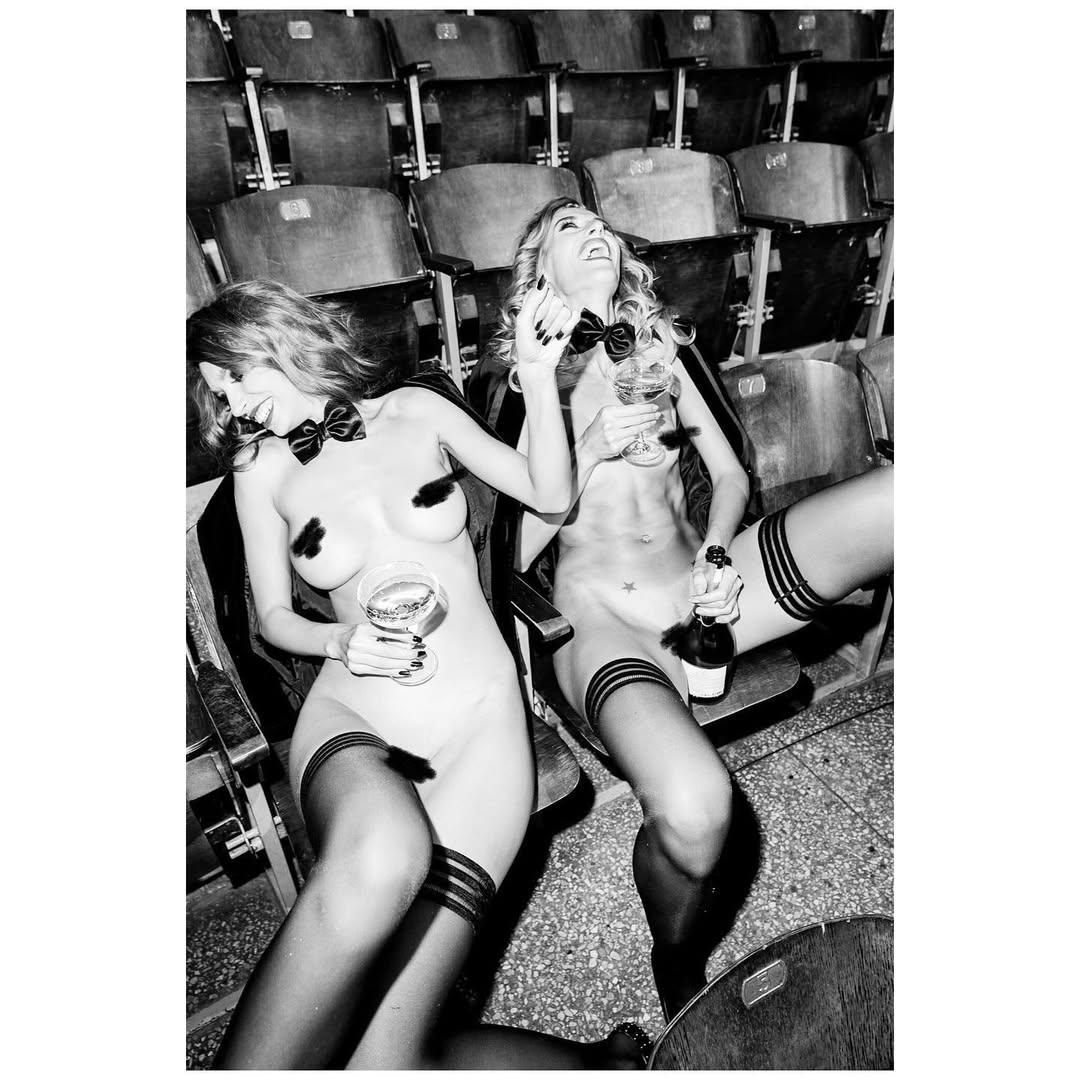
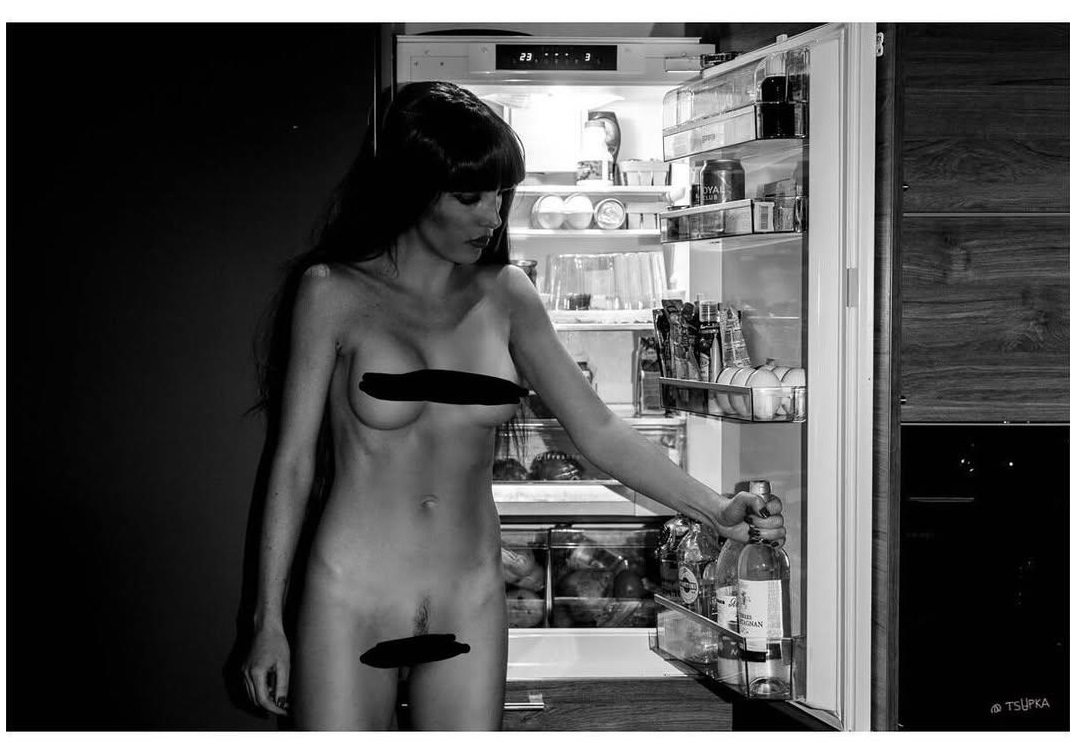
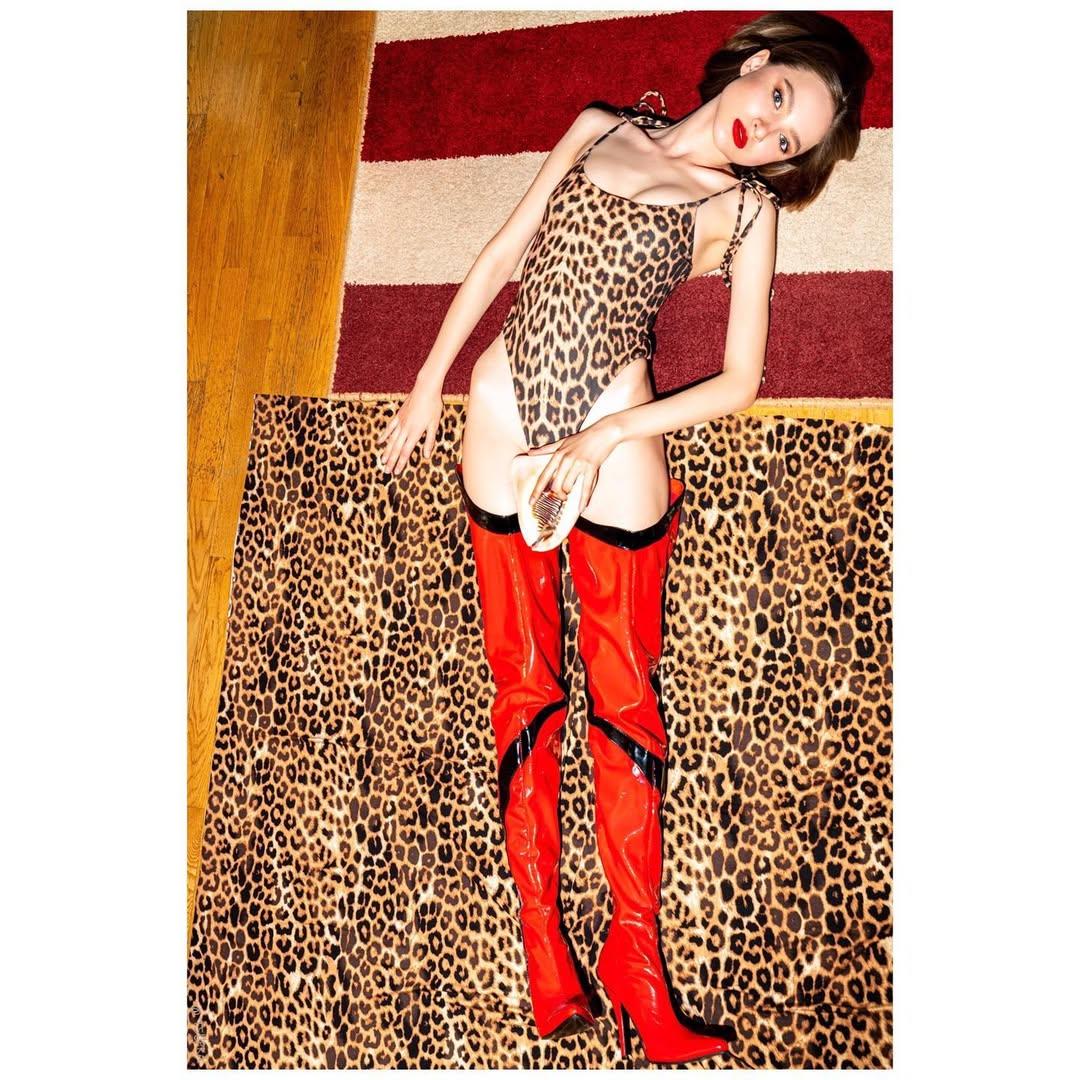
3. Which of your commercial shoots for glossy magazines ultimately turned out to be so deep that it went beyond a simple fashion project?
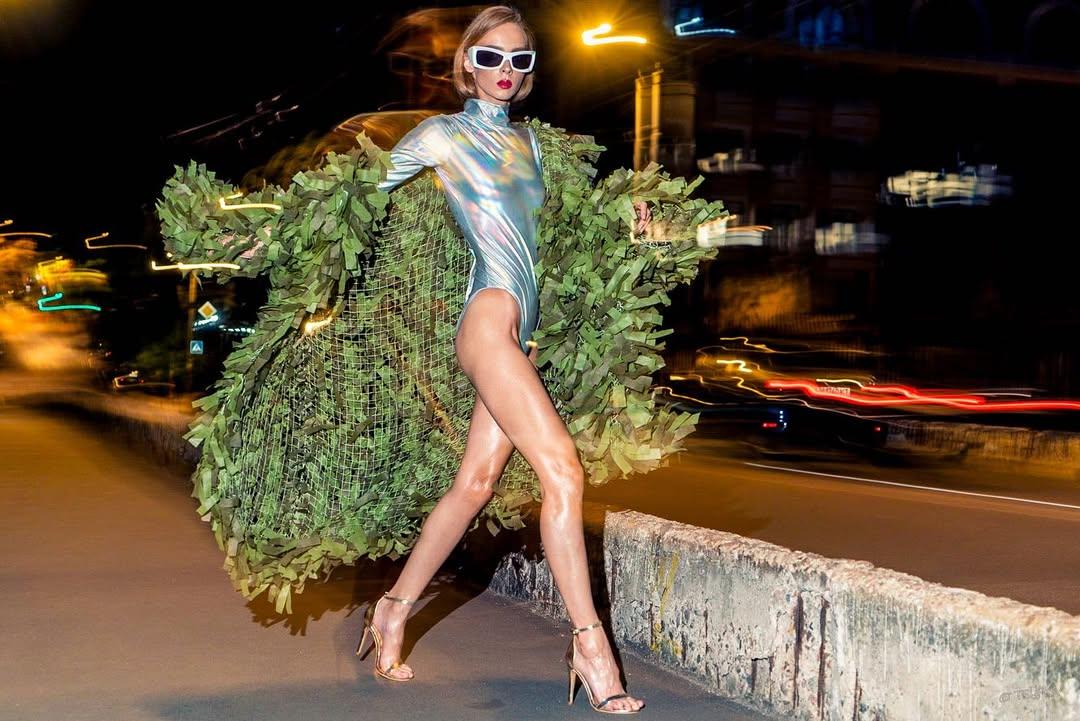
Author's comment: "We shot this series for the Malenka Banda Yanholiv (Little Gang of Angels) team. The guys create camouflage suits and camouflage nets for the Ukrainian Armed Forces. To draw attention to their work and collect more donations for materials, they organized a fashion shoot in these suits. You can learn more about them on the @archiolya page.”
4. Demonstrate a frame where you managed to catch the perfect balance between advertising conceptualism and your pure authorial vision.
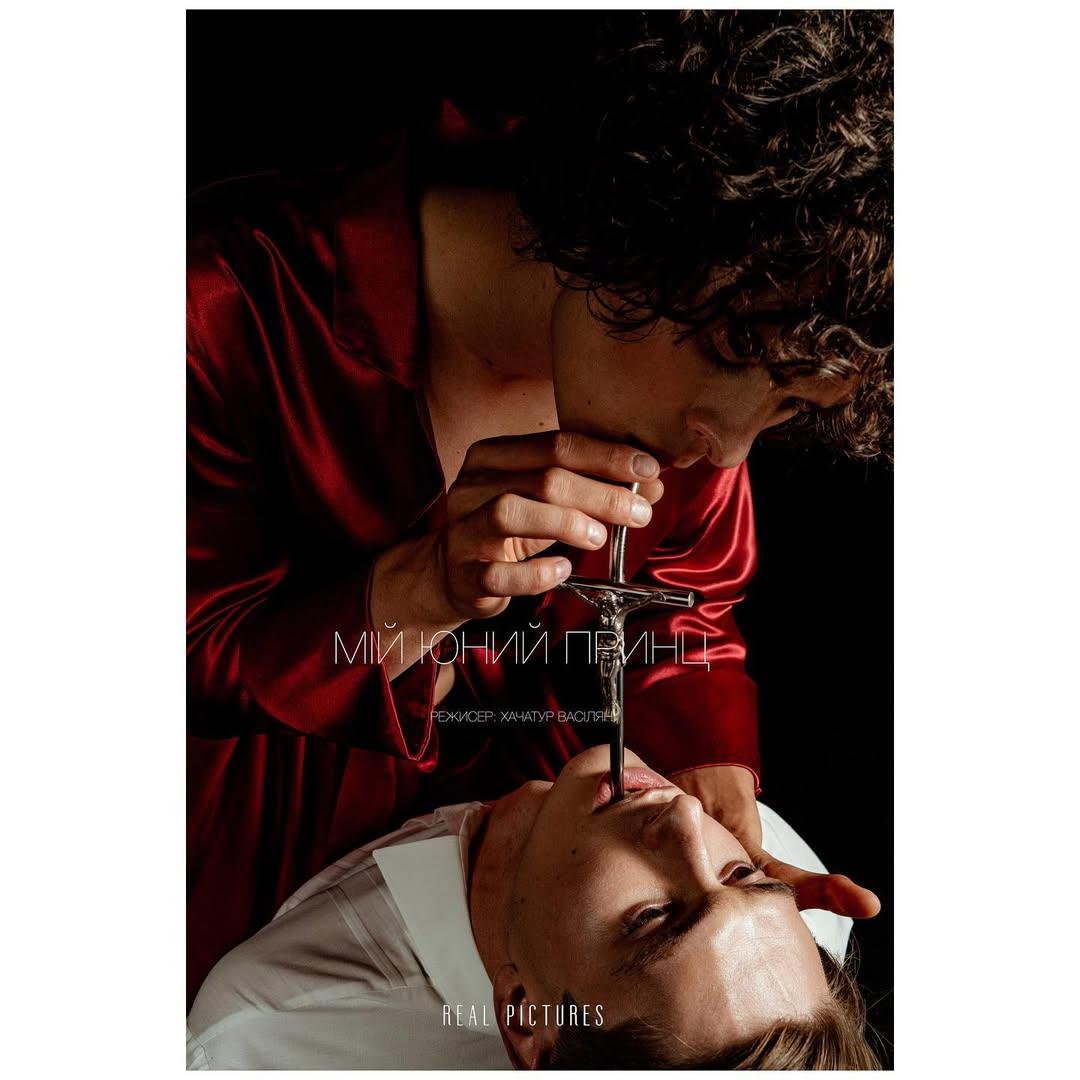
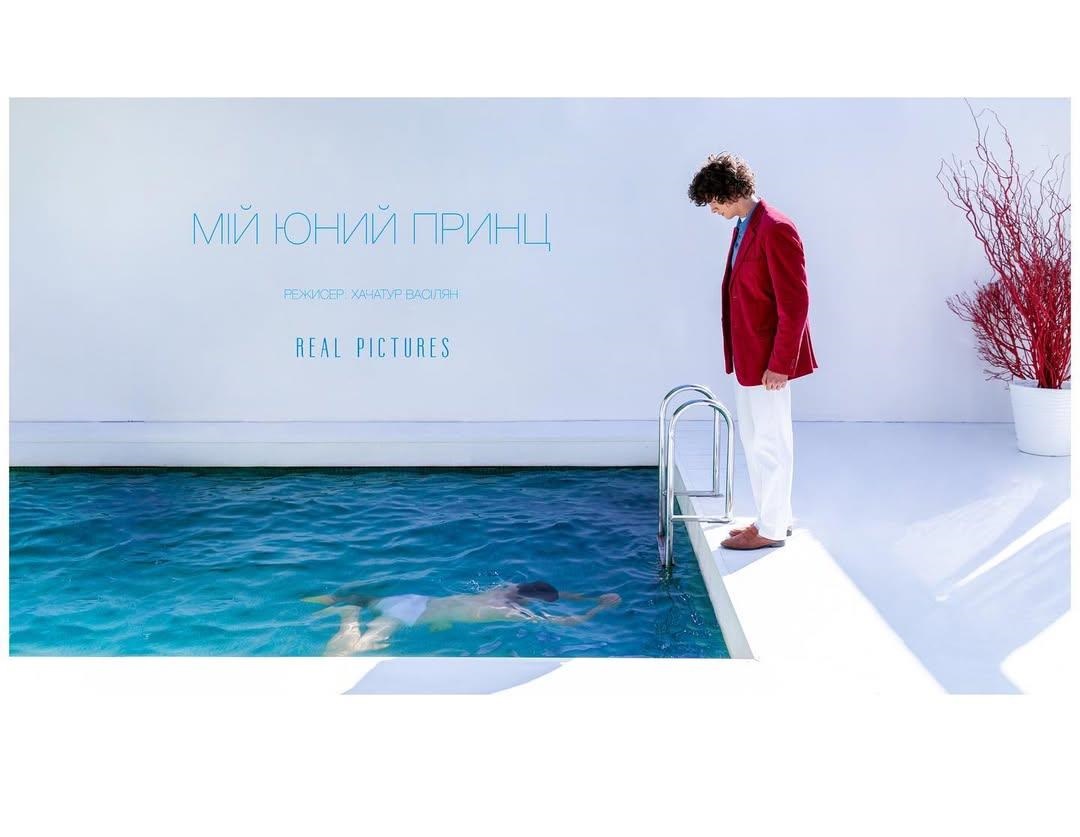
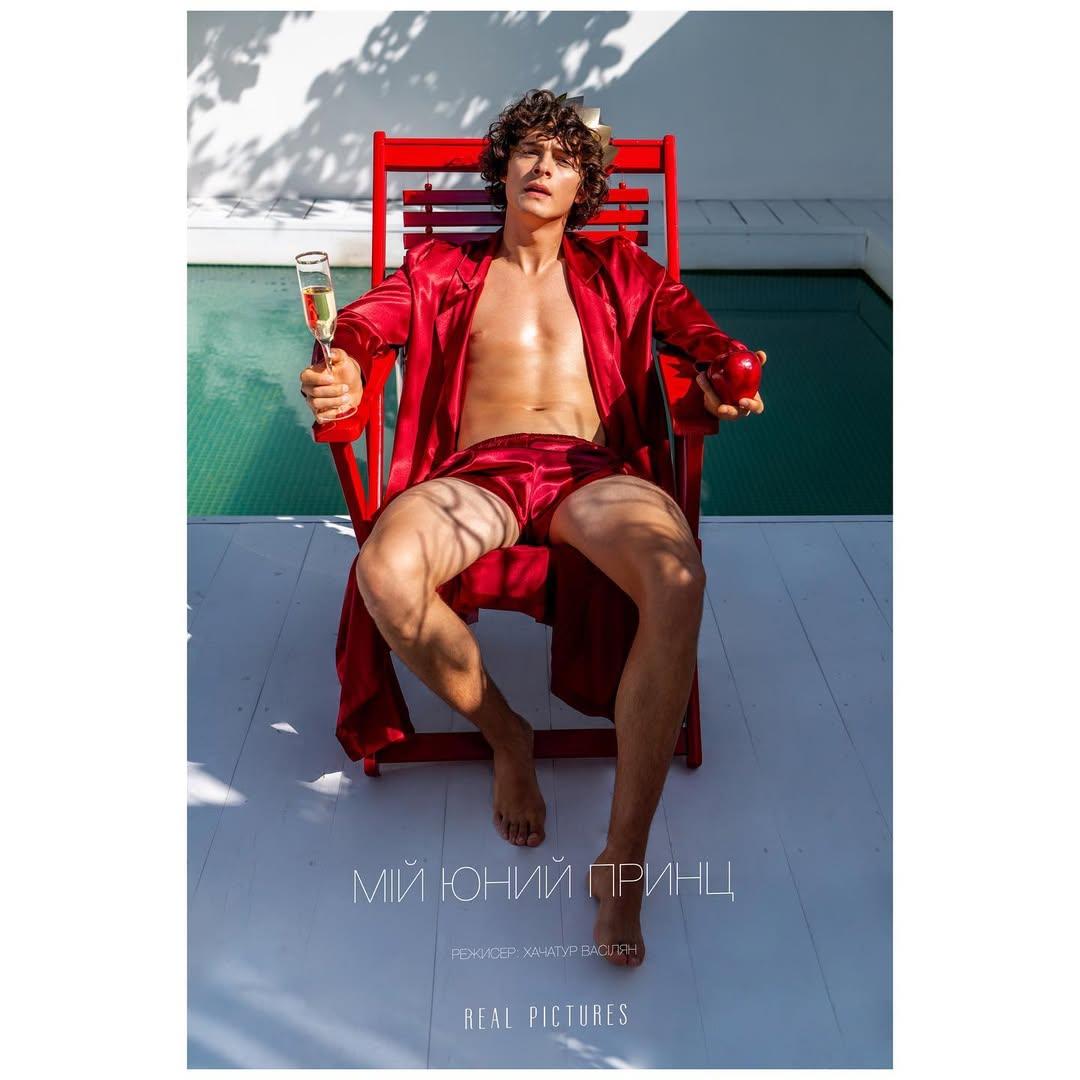
Author's comment: "Perhaps the series of conceptual posters for Oleksii Hladushevskyi's film My Young Prince answers this question most accurately."
5. Show us a photograph where the unconventional use of technology or light completely changed the meaning of a familiar object.
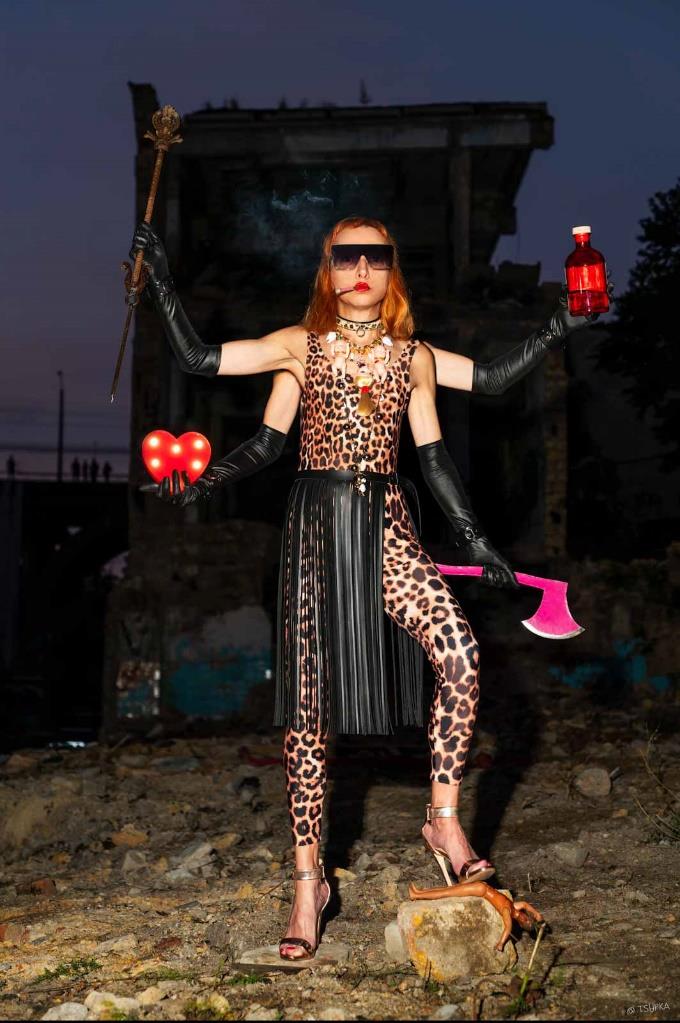
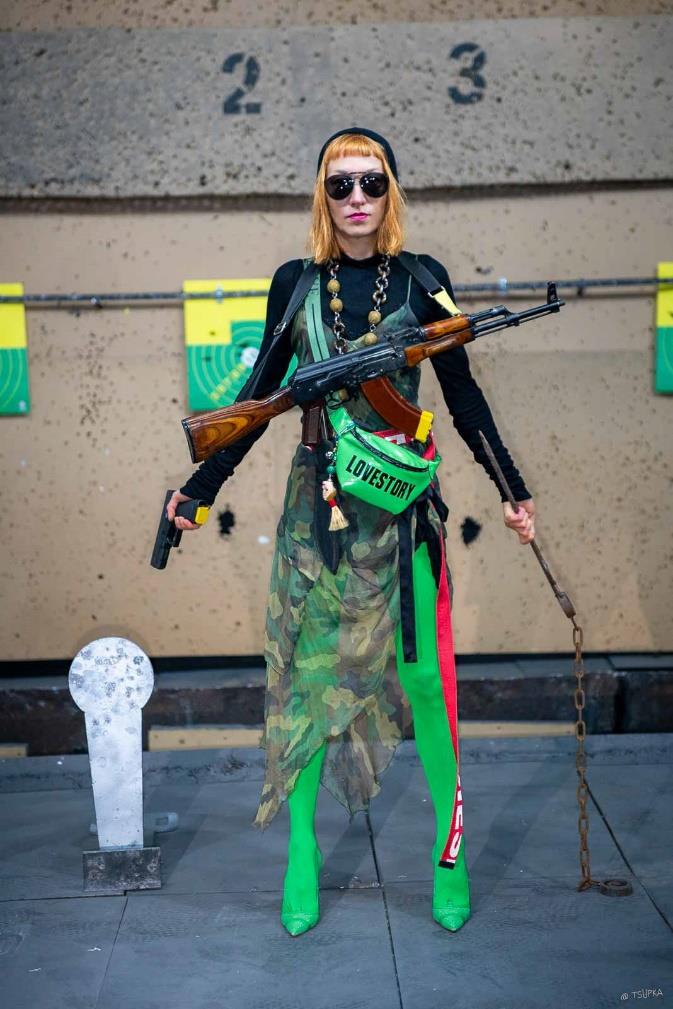
Author's comment: "There is no 'standard' use of light—it's just one of the elements of photography. But here is an example of the unconventional use of everything. The GODNESS 2025 calendar is a collaboration with Lera Fokina and Elena Sidorenko. The project explores the perception of divine archetypes through the prism of modern fashion, philosophy, and gender. Traditionally male deities are transformed into feminized images, breaking gender stereotypes and uniting strength and femininity."
6. Which of your works best reflects that special southern flavor and aesthetics of Odesa that influenced your professional formation?
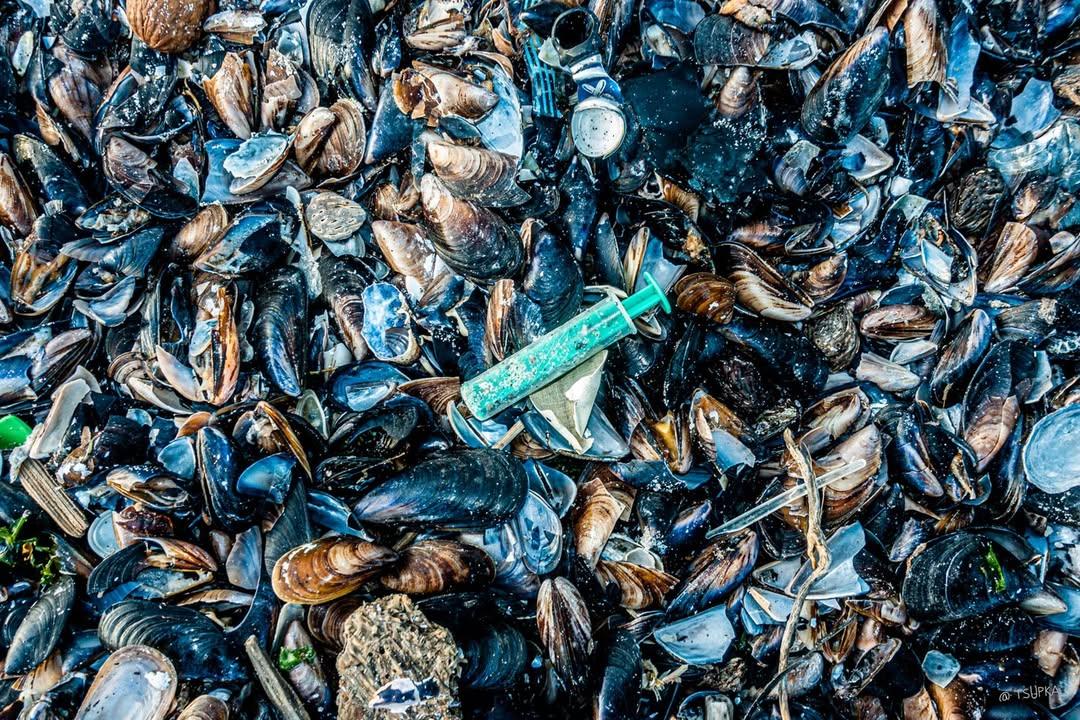
Author's comment: "The 'special aesthetics' of Odesa is partly a myth. The contrast between the Opera House built by the Italians and the dog-pissed sidewalks? Humorina, from which Odessans hide in their homes for three days? Marinated pig ears from the Koreans at Privoz? Odesa is a city from which all creative people dream of escaping, but they succeed with varying degrees of success. Here is a typical Odessa."
7. Which video or freeze-frame from your directorial projects would you use to explain your approach to working with famous musicians?
VIDEO: "I Like to Move"
Author's comment: "Ukrainian music twenty years ago was much better, back then there was hope that it would become truly good. I was lucky to shoot music videos for a couple of really good tracks in the early 2000s."
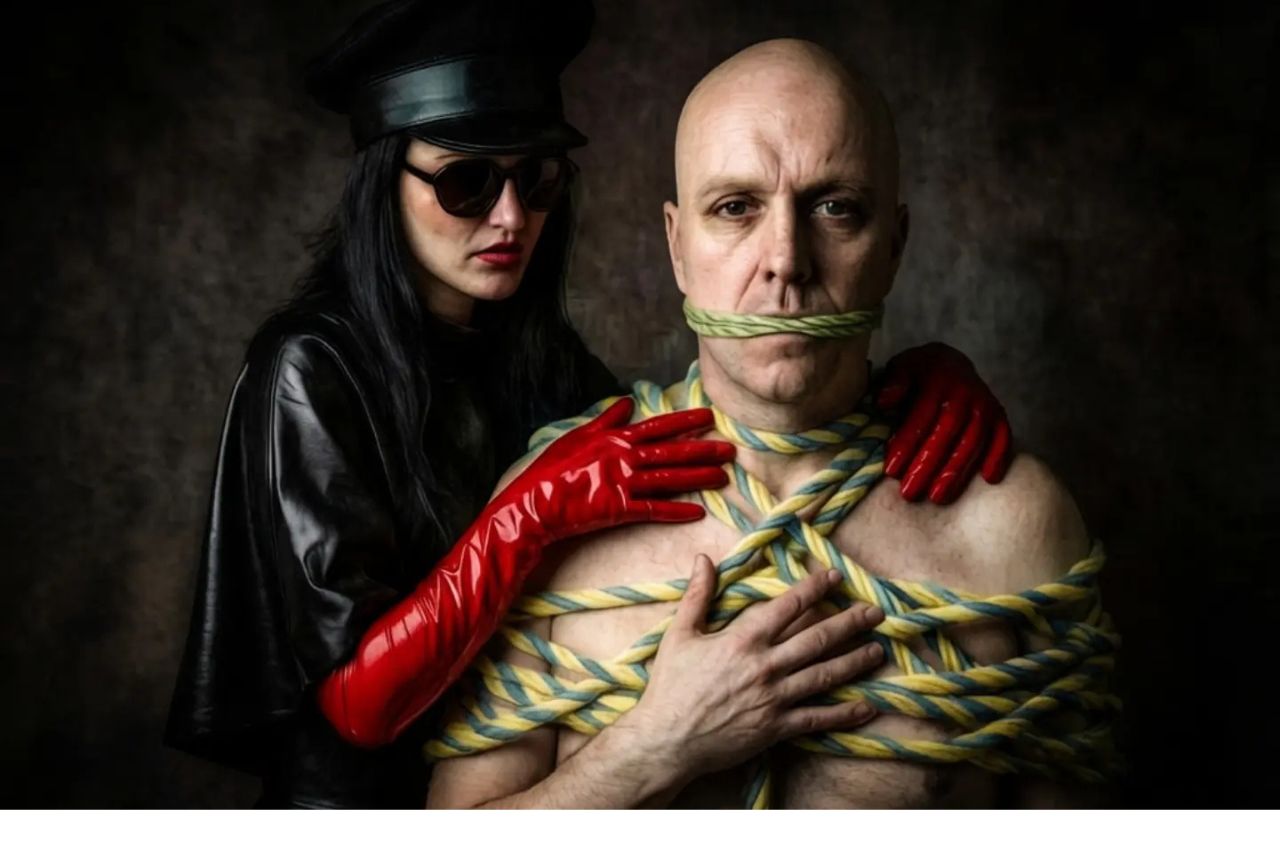
8. Which photograph from your conceptual projects provoked the most unexpected or even controversial reaction from the public?
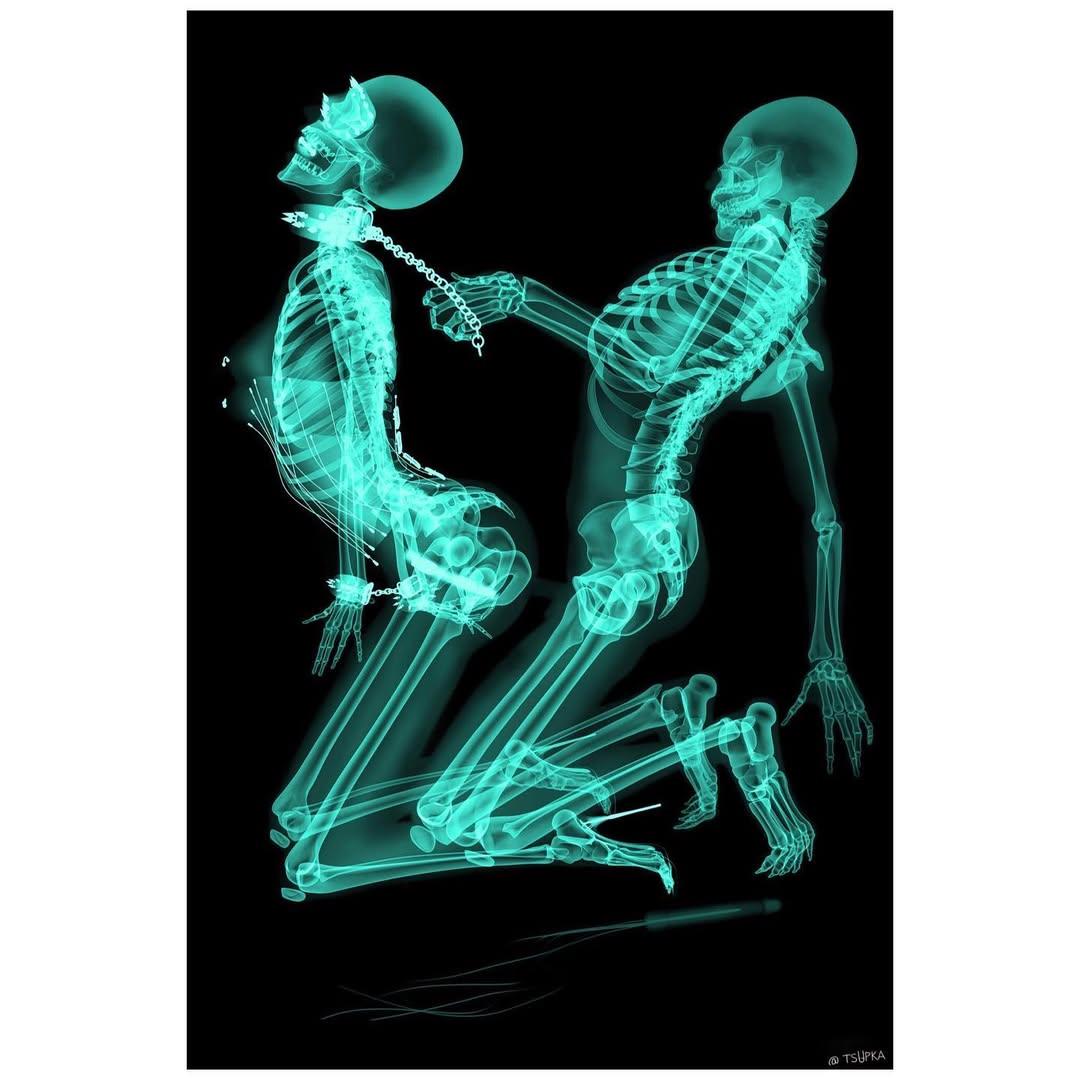
Author's comment: "This BDSM-style couple became a real internet hit in 2011. It spread across Tumblr, Instagram, and Pinterest. It is regularly and shamelessly stolen; I constantly have to delete posts from people wanting to sell T-shirts on Amazon or use it for music track covers."
Ivan Tsupka proves that modern photography is not just the ability to frame a shot or catch the perfect light, but a continuous intellectual process. His visual language is devoid of compromises, whether it's an ironic look at his native environment, the reinterpretation of ancient archetypes, or the creation of conceptual projects with meaning. He doesn't try to please the mass viewer, but it is precisely this harsh creative honesty that makes his works resonate, turning them into viral phenomena and keeping them relevant years later.
For him, art is not a frozen form, but a constant movement, where there is no place for the fear of conceptual experiments. Abandoning contrived pathos, Tsupka continues to document reality, passing it through the prism of his unique authorial optics. Each of his new series is yet another proof that the boundaries between commerce, gloss, and pure art exist only for those who are afraid to cross them.
You can follow the development of this visual path and be the first to see the author's new projects on his official platforms. The full portfolio, reflecting the consistent evolution of his method, is presented on his personal website. And for the latest updates, conceptual frames, and that very "comfortable photography," you should follow his Instagram @tsupka. Selected works of the artist are also presented in the GS-Art catalog.