


By Viktor Yahun
As of the morning of April 21, the overall picture already looks coherent and free of illusions. The war has long moved beyond the front line and has turned into a multi-layered confrontation in which missiles, drones, the economy, diplomacy, information campaigns, and the psychological resilience of societies all operate simultaneously. In this configuration, Ukraine is not only absorbing pressure but is gradually imposing its own logic of attrition on the enemy.
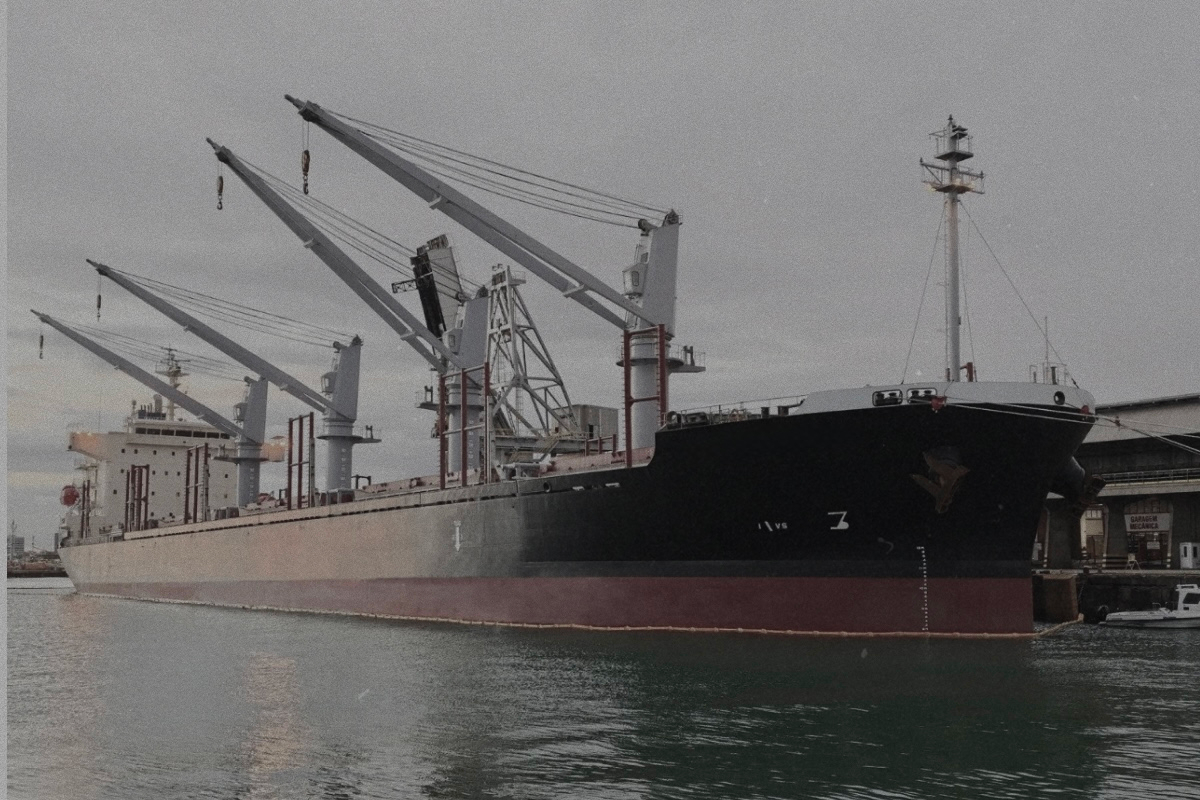
Strikes on oil refineries, warehouses, ships, command posts, logistics hubs, and elements of Russia’s air defense are no longer isolated incidents but a systematic effort to dismantle Russia’s military machine in the rear. At the same time, the state is not limited to patching immediate gaps but is building a framework of long-term resilience: air defense, energy systems, defense industry, technological solutions, digitalization of medical evacuation, unification of ground control stations for UAVs, and financial mechanisms for defense enterprises. Ukraine is fighting while simultaneously restructuring itself for a prolonged war.
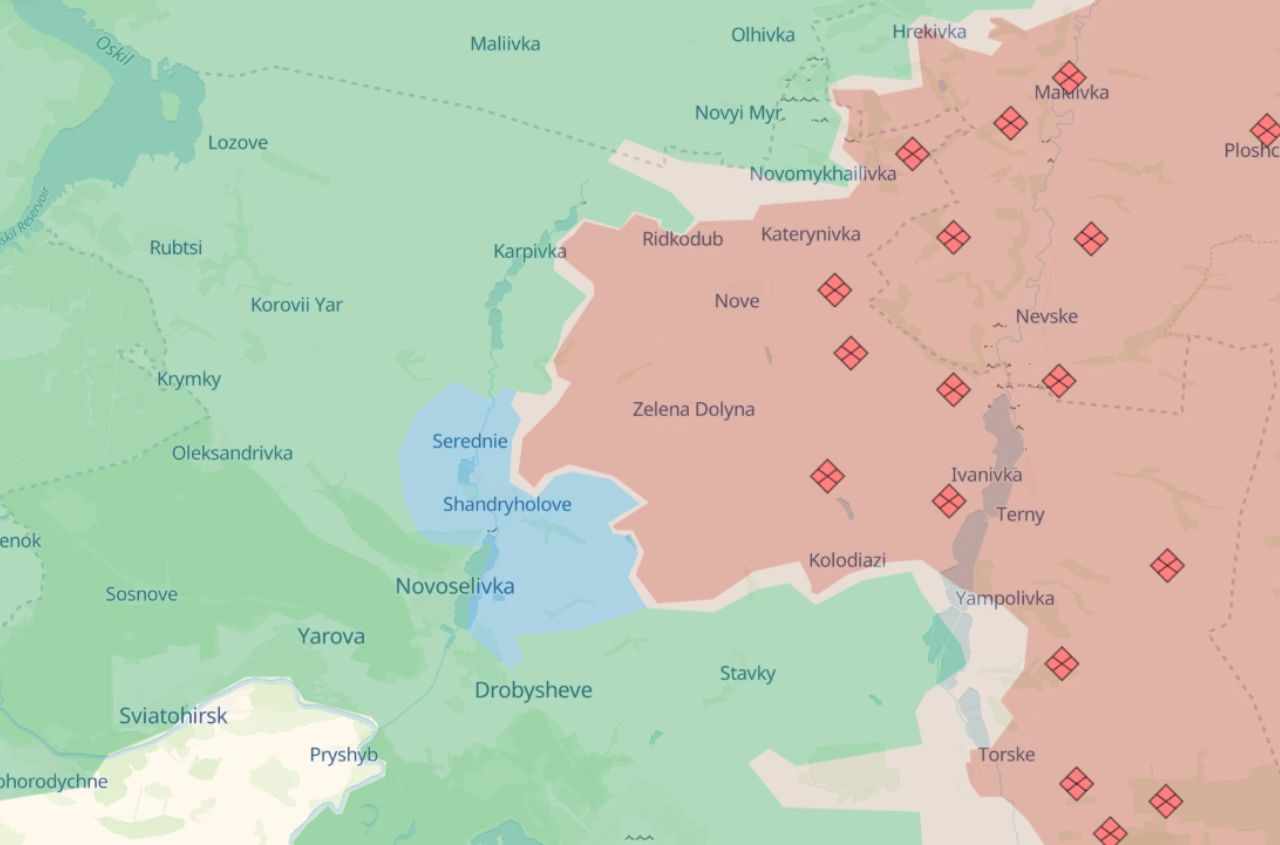
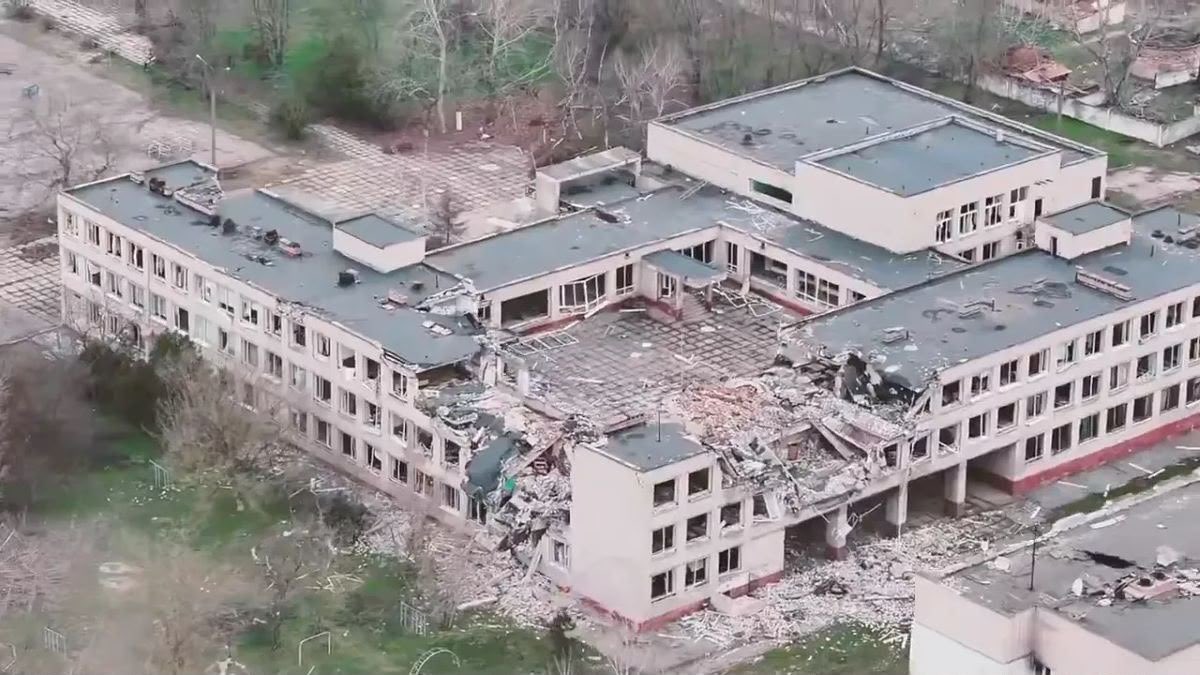
On the front line, the situation is difficult, in some places very difficult, but not catastrophic. Russian forces are intensifying assaults on several directions, relying on mass attacks, infiltration by small groups, and mechanized raids, trying to find weak points and stretch Ukrainian forces. Special attention is focused on the Pokrovsk and Sumy directions. Here, the enemy is trying to create not only a military but also an informational effect—fear, panic, and a sense of inevitable escalation. But there is a fundamental difference between a difficult situation and a front collapse. There is no breakthrough. There are heavy battles, problematic sectors, and a need for tough decisions and reinforcement. And notably: the higher the pressure on certain sectors, the more actively Russian propaganda tries to present tactical actions as a “turning point.” This is an old pattern—constructing through information what could not be achieved on the battlefield.
The war is rapidly becoming more technological. What just yesterday looked like an experiment is today becoming a mass tool. Ukrainian long-range drones have been scaled up, the geography of strikes is expanding, and Russian air defense is being overloaded and forced to disperse between the front and the rear. At the same time, the adversary is adapting—“Shahed” drones are partially receiving online control. This means that outcomes are increasingly determined not by the number of troops in an assault, but by the speed of technological adaptation. And here Russia has systemic problems: corruption, inefficient centralization, weak logistics, and dependence on foreign components. This is no longer just their weakness—it is our window of opportunity.
The international environment remains tense. The world is entering a phase of parallel crises—the Middle East, energy, and shifting U.S. global priorities. This creates competition for attention, resources, and political will among allies. At the same time, Ukraine remains on the agenda. In Europe, processes of integration continue, financial packages are being advanced, industry is being rearmed, and responses to Russian threats are being strengthened. But risks are also growing in parallel—political fluctuations, pro-Russian forces, fatigue, negotiations, and attempts by some governments to impose “special positions.” This means support exists, but it is not guaranteed.
The Russian information space operates in three basic modes: a narrative about Ukraine’s “internal collapse,” attempts to portray it as a “terrorist state,” and anti-Western hysteria about a “besieged fortress.” Nothing new. But the intensity of this campaign indicates something else—the Kremlin is nervous. It can no longer explain reality without massive informational compensation for its failures, especially in the context of strikes on rear infrastructure.
The main conclusion for Ukraine is simple. We are entering a phase where systems matter more than individual events. The front line, air defense, energy, economy, logistics, international support, internal discipline, and information hygiene all matter together. No illusions, but also no panic.
Russia has not collapsed, but it is not winning either. It is increasingly locked into a war of attrition in which its weaknesses are becoming systemic—in technology, economy, governance, and information behavior.
Our task is not to let it shift the tempo to its advantage. If we maintain systemic coherence, it will not be our strategic structure that collapses—but theirs.