

By Viktor Yahun
Latvia has effectively voiced what a large part of Europe until recently tried not to state explicitly: security is no longer cheap and, more importantly, it is no longer something external. What was previously seen as a peripheral risk has now become part of the internal reality of European states.
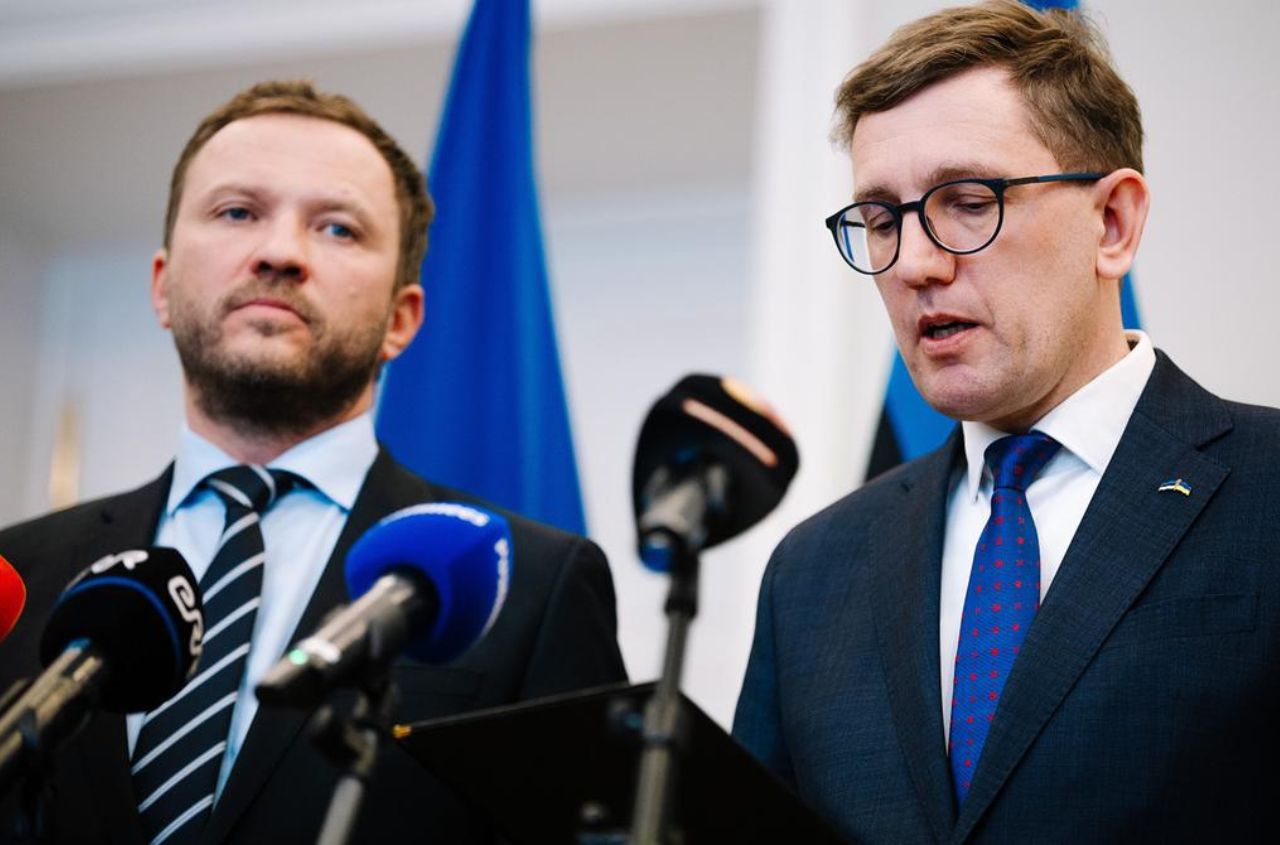
The Latvian Foreign Ministry’s statement on the need to raise defense spending to 5% of GDP is not just a political signal, but a confirmation of a shift in how security itself is understood. It represents a long-term planning benchmark that moves defense from the sphere of discussion into the sphere of systemic decision-making. Latvia, which has already reached a high level of spending and is enshrining these approaches in legislation, demonstrates one key point: war is no longer seen as a temporary phenomenon that can simply be waited out.
At the same time, similar approaches are appearing across other countries. Estonia is strengthening not only its defensive but also its strike capabilities — the purchase of additional HIMARS systems and investments in the defense industry indicate the formation of a full deterrence toolset. Poland, in turn, is not limiting itself to risk assessments but is physically reinforcing its border with Belarus, operating under the understanding that hybrid scenarios are already a tested practice.
A logical continuation of this trend is the approach of the United Kingdom, which is increasingly returning to a logic of strategic readiness closer to the Cold War period than to recent decades. This is not about ideological confrontation, but about a state’s ability to function under conditions of prolonged conflict, when infrastructure, logistics, energy, and everyday life may come under threat. It is a different philosophy: not to avoid war at any cost, but to be prepared to live under constant pressure.
These processes are gradually being reflected in NATO’s rhetoric as well. The Alliance is speaking more clearly about the need for a significant strengthening of European capabilities and greater responsibility of European states for their own security. At the same time, modern threats are no longer seen as separate crises — they are forming a single system in which events in Ukraine, the Baltics, or the Middle East are interconnected and mutually reinforcing.
In this context, Ukraine’s role is also changing. While previously it was seen mainly as a party in need of support, today Ukraine is increasingly viewed as a source of practical solutions. This primarily concerns experience and technological developments already being used by partners to counter modern threats, particularly in the field of drone warfare. In effect, combat experience is beginning to be integrated into the broader security system.
This is also confirmed by the development of technological cooperation with European countries. At the same time, the situation should not be idealized. Increased defense spending in Europe means that each country will simultaneously address its own vulnerabilities — in air defense, weapons stockpiles, mobilization resources, and critical infrastructure protection. Competition for resources has already begun and will only intensify.
That is why it is crucial for Ukraine not to remain in the role of a requester, but to clearly position itself as a partner capable of strengthening overall security. Investments in Ukraine’s defense-industrial complex in this context should be seen not as assistance, but as a rational decision for European states themselves, which are seeking fast and effective ways to adapt to new conditions.
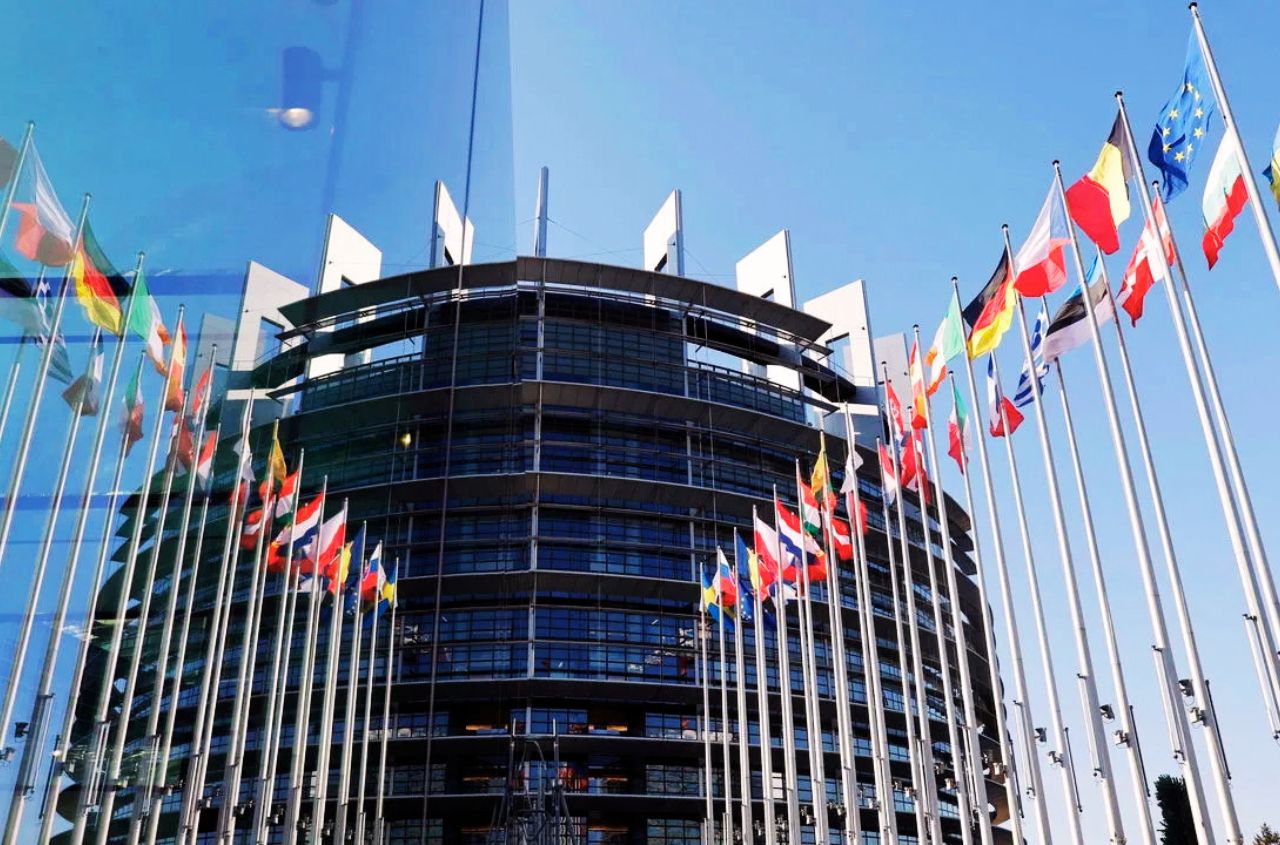
At the same time, another important process is taking place — defense issues are becoming more deeply integrated into the economic, technological, and industrial policy of the EU. This means a comprehensive approach is forming, in which security becomes part of the overall development model.
In essence, Latvia’s statement is not an attempt to create a new reality, but to acknowledge it. Europe, albeit not without internal resistance, is already entering a state of long-term confrontation in which security requires systemic and significant resources.
And the question is no longer whether defense spending should be increased. The question is who will adapt faster and be able to turn this spending into real capabilities.
The world is moving from the illusion of guaranteed security to the understanding that it must be actively secured — systematically, at high cost, and for the long term. And it is in this new reality that everyone’s role will be defined.