



Global demographic trends over the past 25 years have split the world into two distinct camps. While some countries have rapidly expanded their populations through migration and high birth rates, nearly one in seven nations is experiencing population decline. Ukraine has emerged as the world’s most extreme case, ranking last in population growth rates, according to Visual Capitalist and IMF data covering 2000–2025.
During this period, the world population grew by an average of 46.6%, but the growth has been highly uneven. The largest increases have come not from major global economies, but from a small group of Gulf states and Sub-Saharan African countries.
Leading the surge is Qatar, whose population increased by an unprecedented 423.4%, driven almost entirely by an influx of foreign workers supporting energy and infrastructure projects. Other Gulf states show similarly aggressive growth:
- United Arab Emirates: +249.7%
- Bahrain: +153.9%
- Kuwait: +139.1%
- Oman: +129.1%
- Saudi Arabia: +98.5%
In addition, African nations with historically young populations feature prominently in the top ten: Equatorial Guinea (+166.6%), Niger (+157.0%), Angola (+139.7%), Chad (+126.9%), and Papua New Guinea (+149.6%).
At the other extreme, countries experiencing mass emigration or low birth rates are losing population. Ukraine has seen the sharpest decline among 183 countries analyzed, with a 32.5% decrease, placing it last globally. Neighboring countries are also affected: the Marshall Islands (-29.4%), Bulgaria (-23.2%), Latvia (-21.6%), Moldova (-18.8%), Lithuania (-17.5%), and Romania (-16.1%).
Integration into the European Union opened borders for legal migration, accelerating the loss of working-age populations from already aging societies.
Major global economies have grown at much more modest rates. India leads among large countries (+38.4%), followed by Brazil (+22.1%), the United States (+21.0%), and China (+10.9%). Countries with robust immigration policies have maintained population stability: Canada (+35.6%) and Australia (+44.9%). In Asia, growth is limited: South Korea rose just 9.9%, while Japan’s population fell by 2.8%.
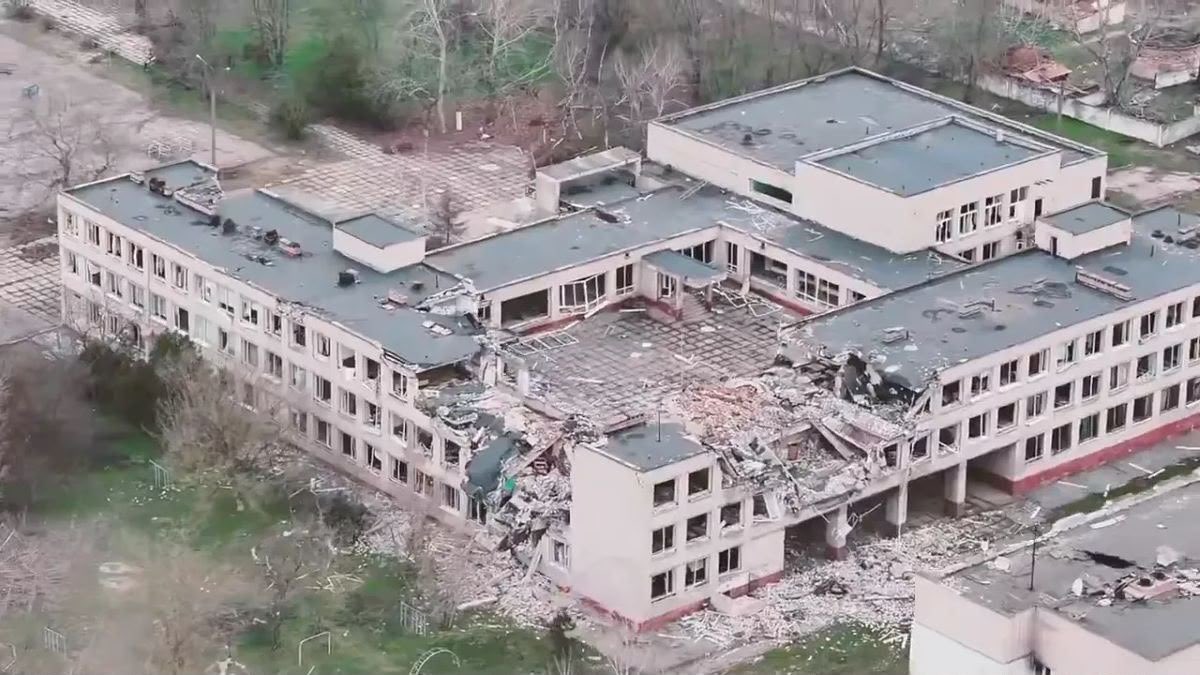
For Ukraine, decades of structural economic challenges have combined with war to create a demographic catastrophe. The IMF estimates that by 2026, Ukraine’s population will fall to approximately 33.3 million, down from over 41 million in 2021. By 2025–2026, death rates in the country nearly triple birth rates.
Territorial losses, combat casualties, and the exodus of over six million refugees—predominantly young, working-age adults and women with children—have produced a critical imbalance: the ratio of active taxpayers to pensioners is approaching 1:1. Analysts warn that Ukraine faces a demographic emergency with long-term economic and social consequences.