

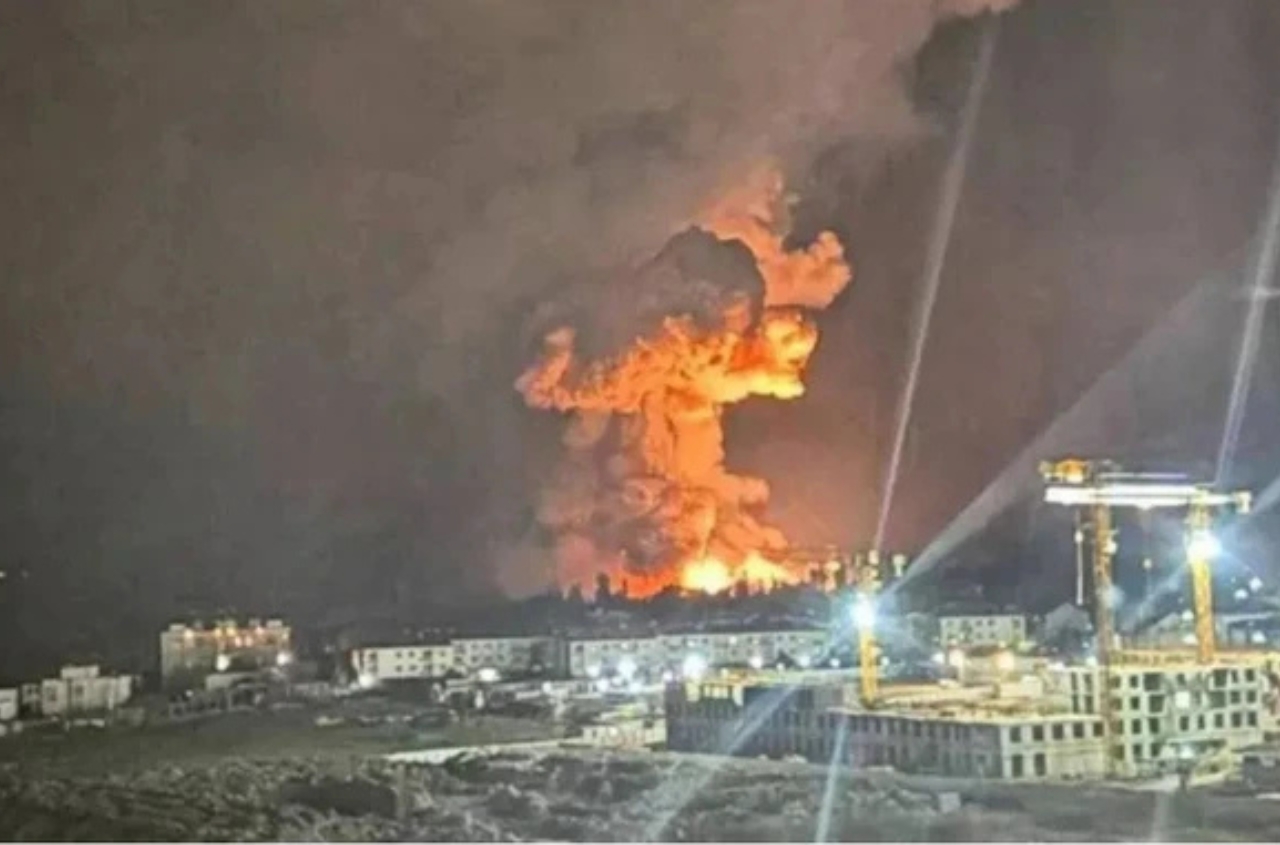

In the western direction by sea, Russia has three main export points for oil and petroleum products: the terminals in the ports of Primorsk, Ust-Luga (both on the Baltic), and the Sheskharis terminal in Novorossiysk (Black Sea), which account for about 60% (!) of all volumes.
The only comparable port in scale is Kozmino in the Far East (about 20%).
Vysotsk, Saint Petersburg (Baltic), Taman, Tuapse, a section of the CPC (Black Sea), as well as Murmansk, together account for another roughly 20% of sea exports.
There are distinctions regarding crude oil versus petroleum products (the Baltic’s share of crude oil is nearly 50%), but right now that is not significant.
What matters is that in the period from March 22/23 to April 5/6, 2026 — i.e., IN TWO WEEKS — the Defense Forces of Ukraine successfully reached ALL THREE major western Russian ports.
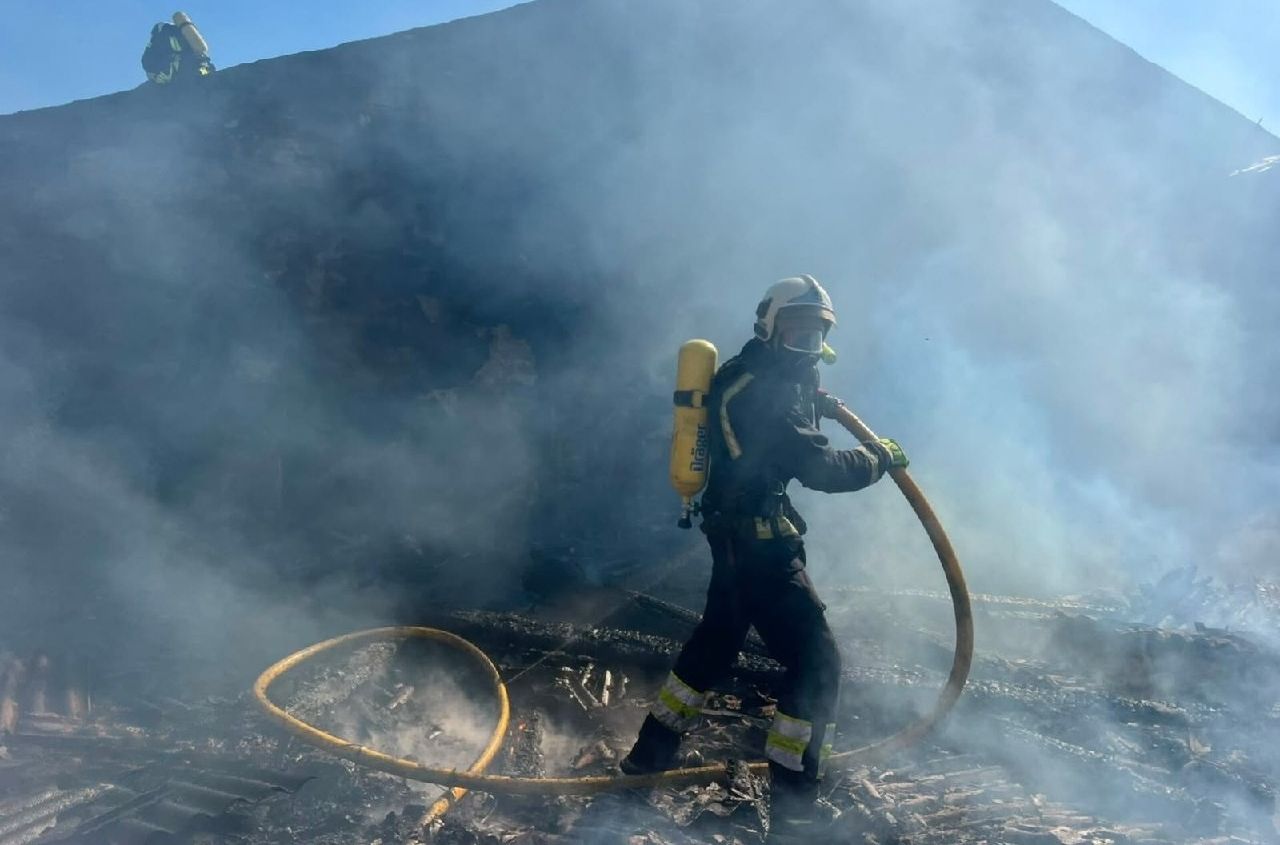
These are among the most heavily protected sites by design; there is nothing more strategic in Russia’s economy. Yet, in two weeks, Ukraine successfully BREACHED their defenses at least seven times.
This demonstrates:
- the advancing growth of Ukraine’s long-range strike capabilities relative to Russian air defense capacities;
- the refinement of tactics for employing long-range systems.
The tactical elements were visible: first, the positions around Moscow were engaged, while simultaneously targeting Kuban and Crimea, then the focus shifted to Leningrad region, slightly thinning air defenses in Bryansk region. Afterwards, operations returned to Kuban. And the Russians were categorically unprepared. Nowhere…
The ports were not completely destroyed. One can debate the exact damage. The final assessment will depend on many details, including the ability of drones to maintain constant pressure.
It has been independently confirmed that restoring part of the destroyed infrastructure (for example, fully burned 50K-cubic-meter tanks) will take, at best, months — up to a year.
If we assume (judging by satellite images) that roughly 10% of the volume is out for months and another 20–30% at least for weeks, the scale of the damage can be estimated. It is already enormous. And this is only the ports.
In the gaps between the ports (i.e., in these same two weeks!) drones also visited the massive petrochemical complex “Kirishinefteorgsintez” (Leningrad region), refineries in Ufa, and Lukoil’s refinery near Nizhny Novgorod.
These are enormous enterprises, and the strikes were also precise. But even the temporary loss of part of their capacity is painful, because each plant produces a specific range of products. For example, Kirishi supplies fuel to Russia’s Baltic and Northern Fleets. System imbalance can create vulnerabilities that are hard to detect externally but influence the decisions of Russian military command and politicians.
Maintaining pressure will inevitably trigger a cascade of problems.
Strikes on refineries create a shortage of refining capacity. Russia has already banned gasoline exports until July 31 (except under intergovernmental contracts).
Limiting crude oil export capabilities while its commercial volumes are growing, combined with the destruction of tanks, will inevitably require shutting in wells — which are extremely difficult to restart afterward.
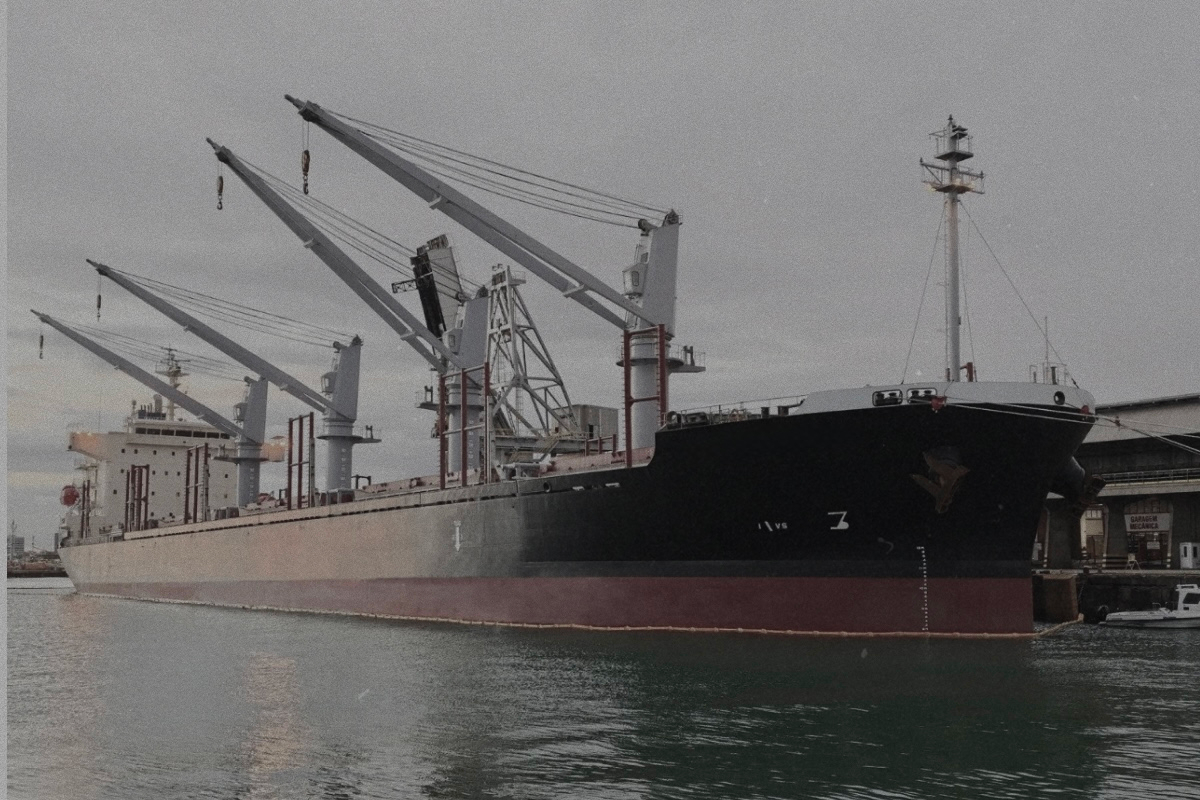
Meanwhile, Western partners (e.g., Sweden) have begun intercepting Russian tankers individually. Some tankers suddenly catch fire…
The Kremlin can easily imagine that such a strike pattern will continue. The negative effects will accumulate, and in three months, Russia’s western ports risk being reduced to shreds.
The topic of an “energy truce” will inevitably resurface. But compared to last year, the situation has changed. Ukraine’s capabilities have clearly increased. Therefore, it is obvious that a purely “energy” truce is no longer sufficient. Even if this is not stated publicly, a broader range of demands is justified.
This is exactly what American guests will likely want to discuss “after Easter” at the request of Russian partners.