

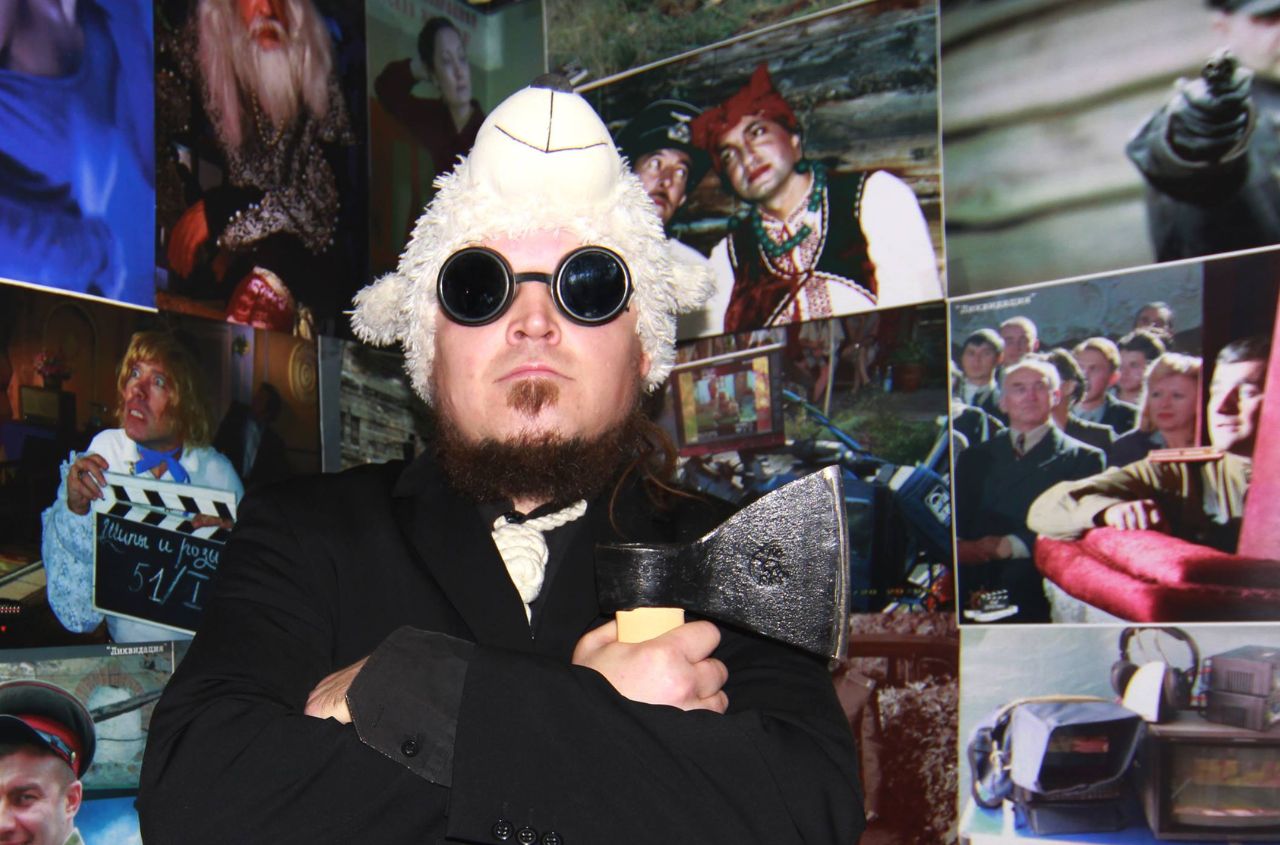

Main Image: Sergiy Konyakhin (Facebook page)
The thirty-eighth interview through images by Andrew Sheptunov
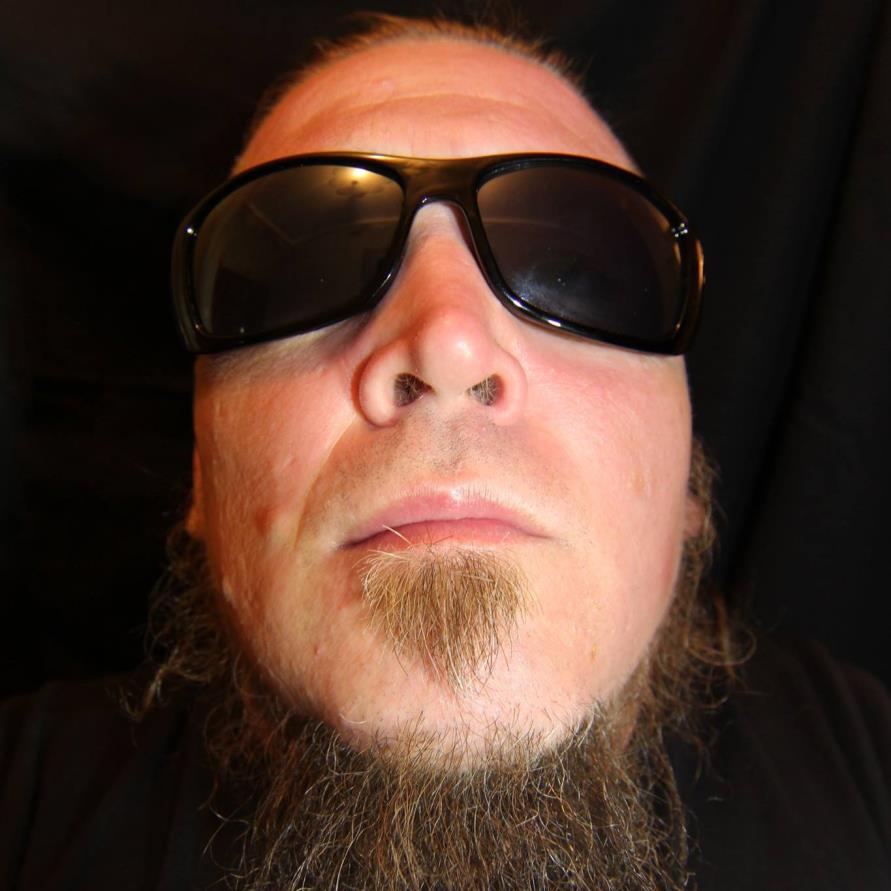
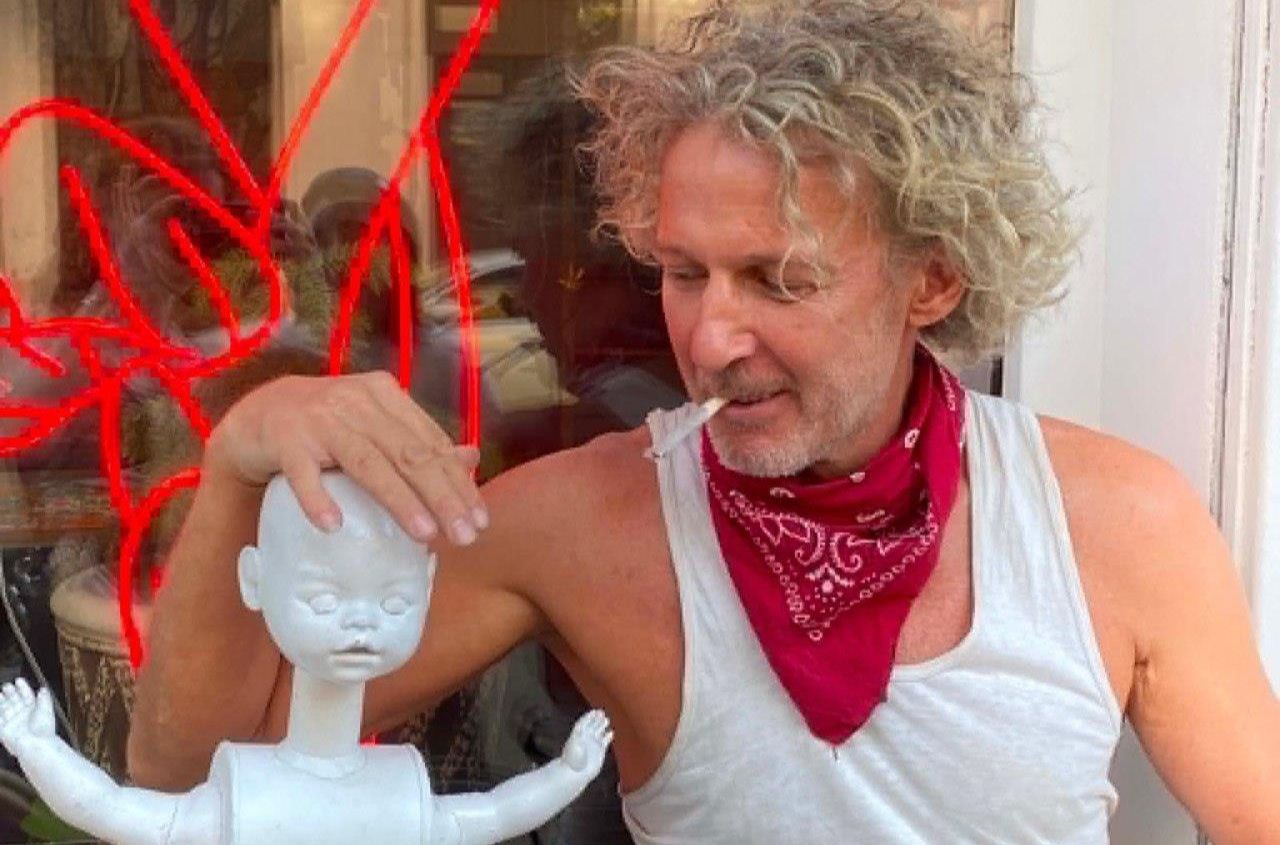
Sergiy Konyakhin is one of the most radical creators on the contemporary Ukrainian art scene, the founder of his own artistic movement, "Biomechanical Constructivism, 108." It is based on working with dismembered plastic dolls and mannequins, from which the artist assembles new semantic forms: multi-headed demons, heretical icons, and horsemen of the apocalypse.
The number 108 in the title refers to the sacred texts of Eastern religions, emphasizing the dense mystical and philosophical foundation of this seemingly purely outrageous art.
With a background in philology and film/television cinematography, Konyakhin spent years realizing himself as a writer, director, and musician. He began constructing his first doll art objects back in 2011, but for over a decade, they were created exclusively "for the drawer" and remained hidden from the public.
Ultimately, visual art proved to be the fastest and most uncompromising method of communication for him—it does not require deep immersion like a book or a film, but strikes the viewer's perception at first glance.
The catalyst that forced the artist to bring his "hellish dolls" into the public sphere was the full-scale war in 2022. For Konyakhin, this step became a form of inner protest against the horror that paralyzed society, which he decided to take to the point of absolute visual absurdity.
In an era of wars, when human lives are often devalued to the state of biomass, his bodies, dismantled into parts and rigidly fastened back together, function as a direct metaphor for a broken reality and the modern "Art of War."
Today, Konyakhin's objects are a prominent and provocative part of the independent Odessa art context. The artist actively engages in collaborations: he invites Kateryna Ivashynnikova to paint the dolls or creates technically complex LED installations together with Dmytro Melnykov. His works are exhibited at iconic specialized venues: for instance, one of the author's most risky conceptual experiments was presented in the autumn of 2025 in the courtyard of the Museum of Modern Art of Odesa as part of the "Wind of Change" exhibition-action.
Sergiy Konyakhin's art is uncompromising: it balances on the edge of a radical vegetarian manifesto, social satire, and religious shock, forcing unprepared viewers to leave exhibitions in panic. To immerse ourselves in this paradoxical universe, where the author boldly takes on the role of a demiurge, we invited Sergiy to answer our questions not only with text but with the chilling art objects themselves.
1. Show the very work that an unprepared person should start with to get acquainted with your art and immediately immerse themselves in the context.
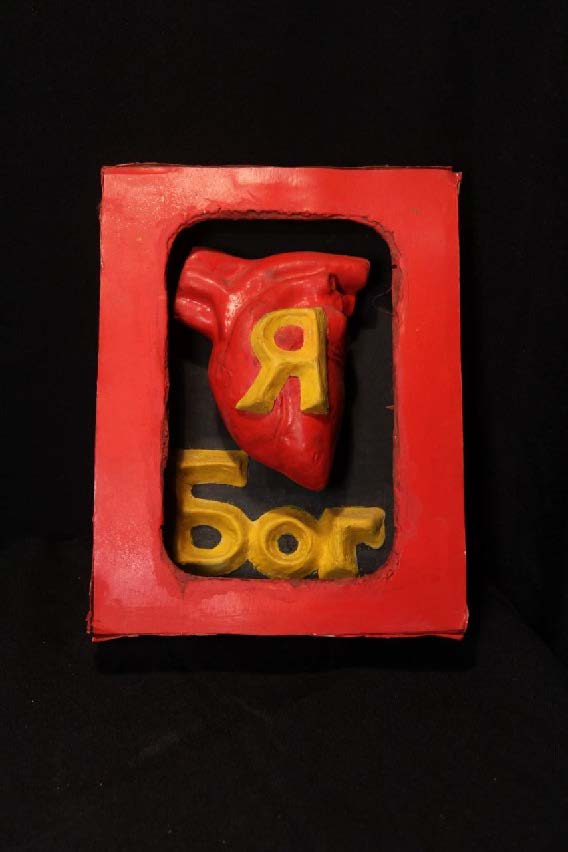
Artist's commentary: "The full title of my exhibition sounds like this: 'MUSEUM of Hellish Dolls Demons of the Master of Marionettes Killer of Mannequins Seryoga Konyakhin, Biomechanical Constructivism, 108, Guru I AM GOD: THE ART OF WAR.' Why biomechanical? Because I use doll body parts. Why constructivism? Thanks to similar joints from these parts, new forms can be constructed: multi-armed and multi-headed demons or deities. And 108 is a sacred number in Eastern religions, which I adhere to.
The concept 'I AM GOD' is put in the title for a reason. Any act of creation is a divine prerogative, opposing the destruction inherent in dark forces. Consequently, the one who creates new beings is, by definition, God. In the current era of total collapse of landmarks, there is nothing better for a creative person than to proclaim oneself a creator, even if through an act of artistic retribution. I have no superpowers, but sometimes the universe speaks through me via art."
2. Which of your works best conveys the feeling of complete creative madness and freedom?
Inner-Cosmic Cycle "HORSEMEN OF THE APOCALYPSE"
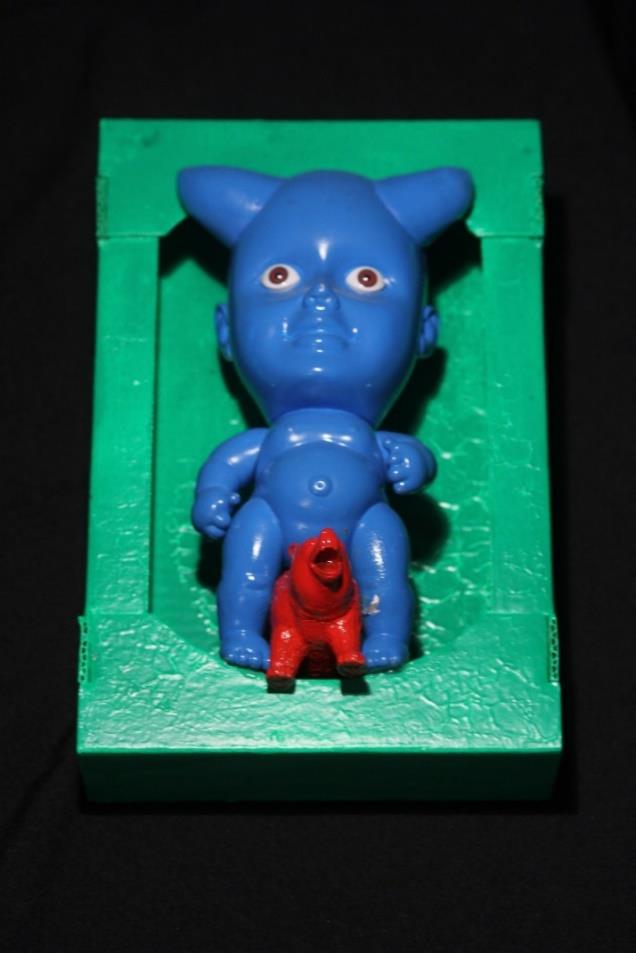
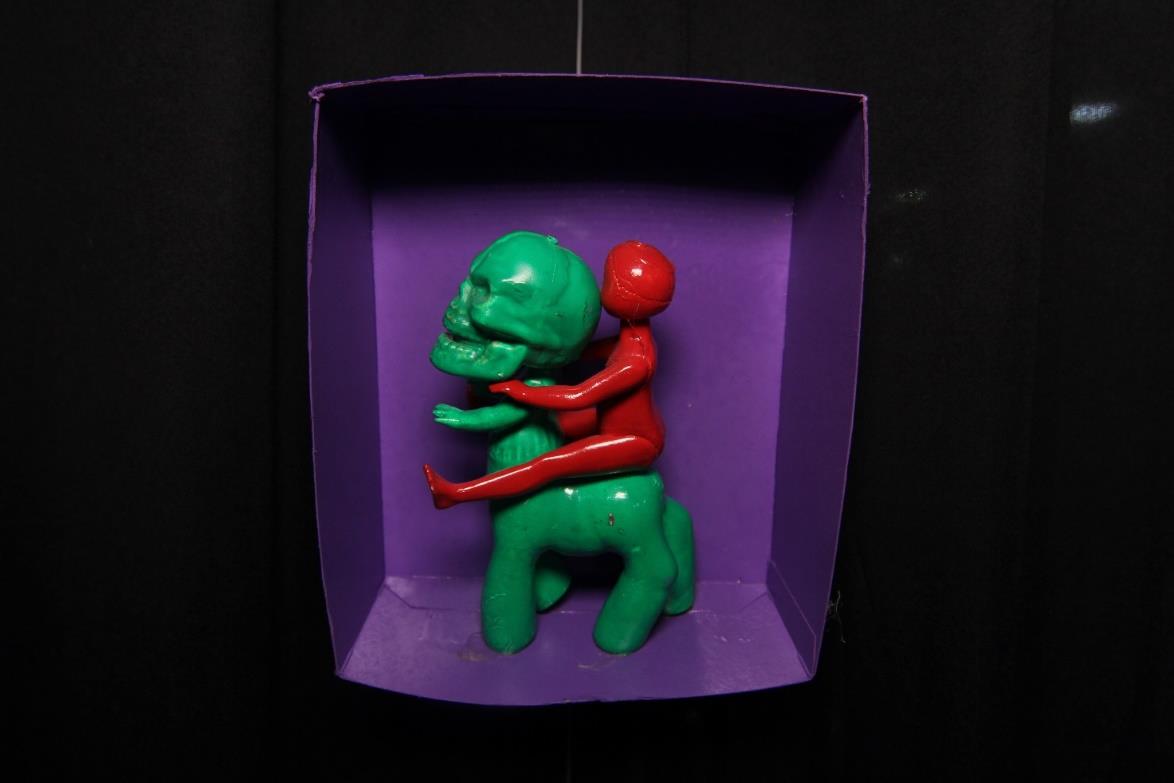
Artist's commentary: "This question is best answered by an entire inner-cosmic cycle of my works, 'Horsemen of the Apocalypse.' It already contains about 40 art objects, and the series is constantly being replenished. There is the 'Glory to Ukraine!!!' horseman, and horsemen dedicated to Russian or Belarusian dictators.
This cycle most accurately conveys the desperate message of the artist, who reflects and transforms all the madness of our world into his chilling objects."
3. Show an artwork that hides the most unexpected metaphor for the audience.
Tetralogy "TETRAGRAMMATON" from the Universal Cycle "And Behold the Human Hieroglyph"
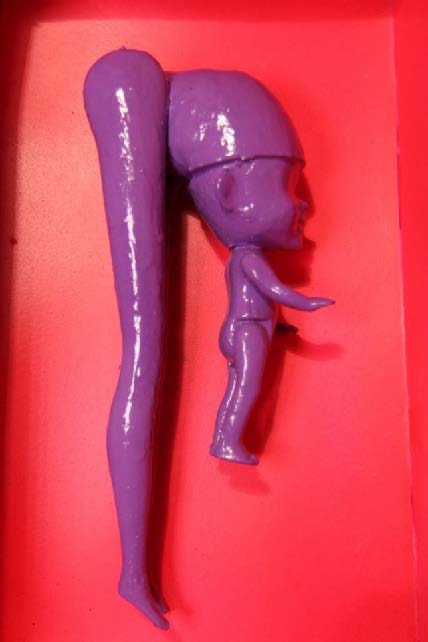
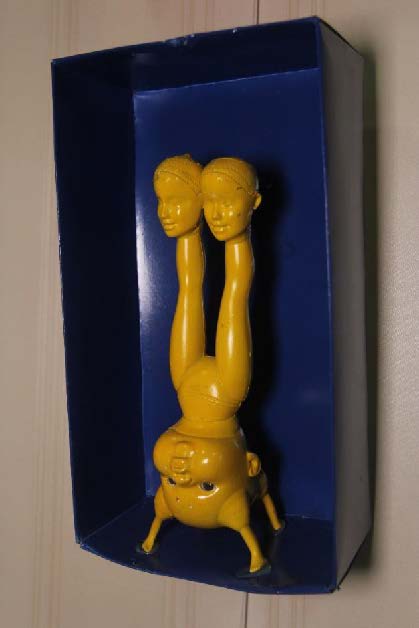
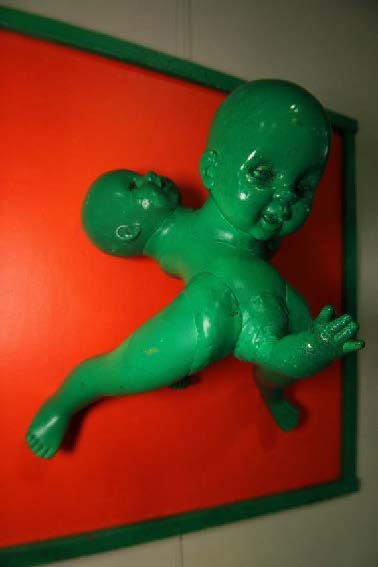
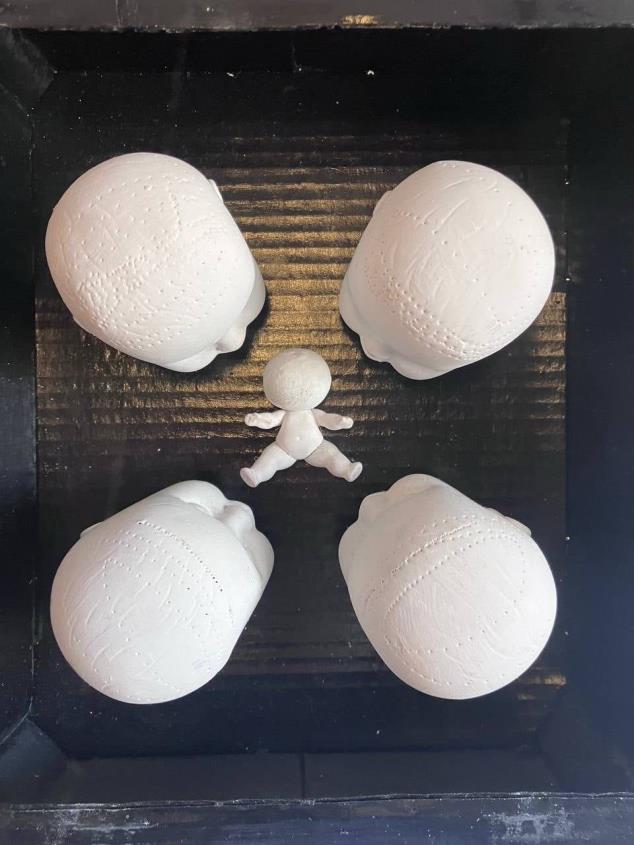
Artist's commentary: "This is the tetralogy 'Tetragrammaton' from the cycle 'And behold the human hieroglyph.' Tetragrammaton is a Kabbalistic concept, the four-letter ineffable name of the Lord. According to tradition, he who can pronounce it will gain power over the world. My four works are exactly an attempt to pronounce this name in the language of contemporary art that I invented."
4. Share a work that was born from what seemed, at first glance, a completely absurd idea.
"Great Sacrifice of Christian Infants For the Buffet Table": A Vegetarian Installation.
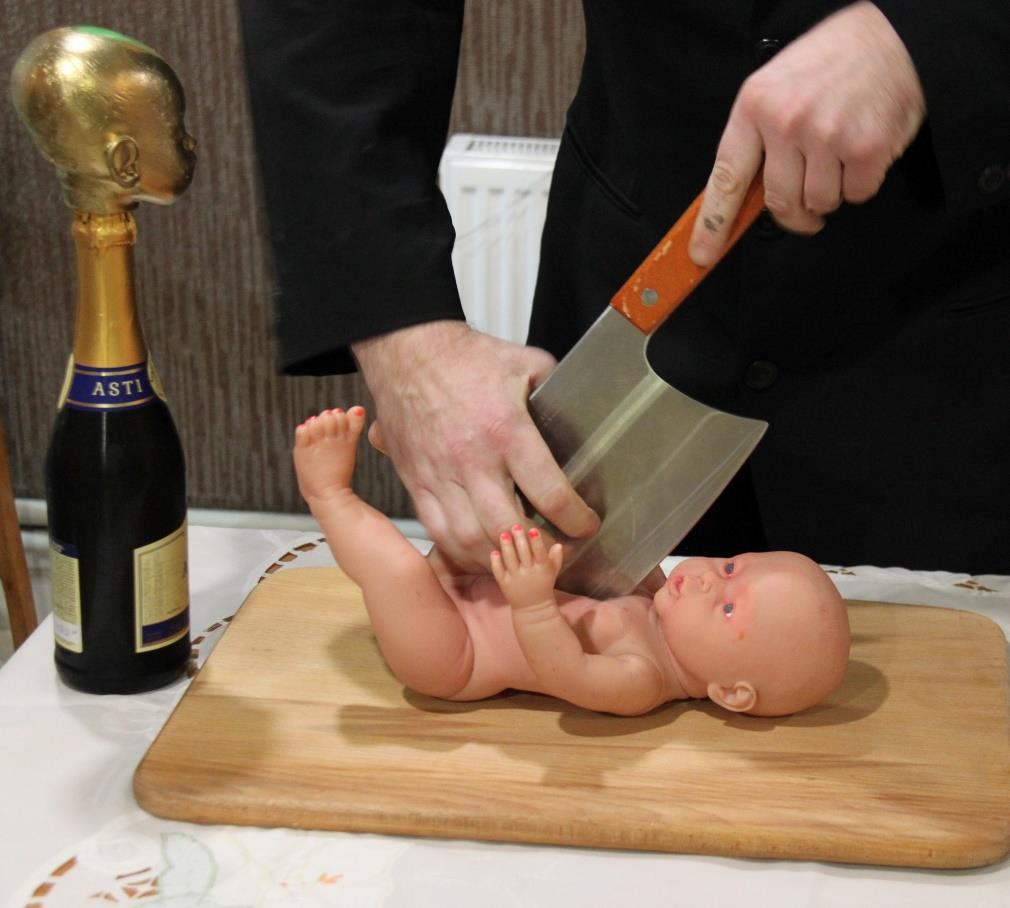
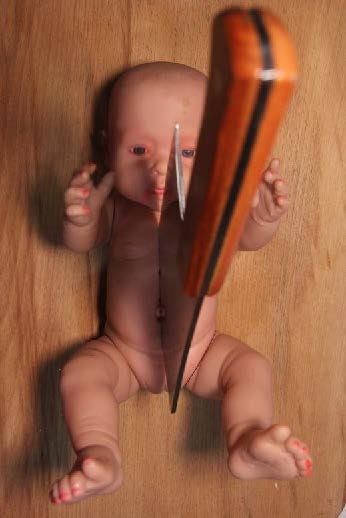
Artist's commentary: "'The Great Sacrifice of Christian Infants for the Buffet Table.' The most absurd and dark idea of humanity is the killing of living beings. Being a long-time supporter of slaughter-free food, I believe that the forbidden fruit from the Tree of Life is meat. By accepting the concept of killing for food, humanity doomed itself to endless wars for resources. Wars will end only when people give up meat.
The art object itself is a diptych where a boy and a girl (dolls) lie on cutting boards under a sickle and a cleaver. At the opening of my first exhibition, I placed this installation right on the buffet table, among meat and sausage, reminding guests that the intellect of a piglet is equal to the intellect of a two-year-old child. Narrow-minded people immediately accused me of Satanism. But I maintain: the real Satanists are those who keep dismembered corpses in their refrigerators and consider it the norm."
5. Which of your artworks provokes the most furious disputes and polar opinions among those who encounter it?
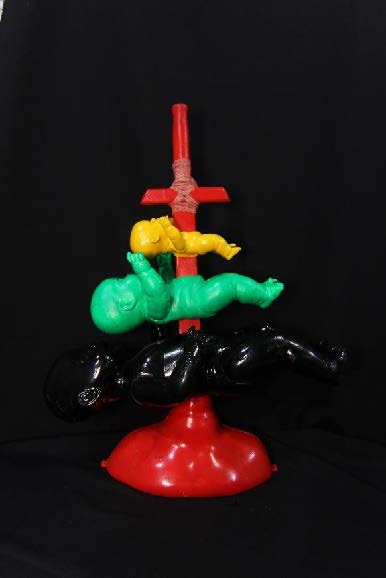
Artist's commentary: "The installation 'Great Sacrifice of the Occupiers for the Glory of Odin,' dedicated to the events in Chornobaivka. Many people are unfamiliar with the concepts of 'allegory' and 'metaphor.' They tend to associate baby dolls with living children. It turned out that piercing a doll with a symbolic weapon requires courage, which ordinary laypeople cannot forgive me for.
Once, a passerby saw this work in a shop window and, almost in tears, demanded it be removed, accusing me of child abuse. He calmed down only when he learned it was a metaphor for the destruction of the occupiers."
6. Which of your works was the hardest in technical terms, but the result was definitely worth it?
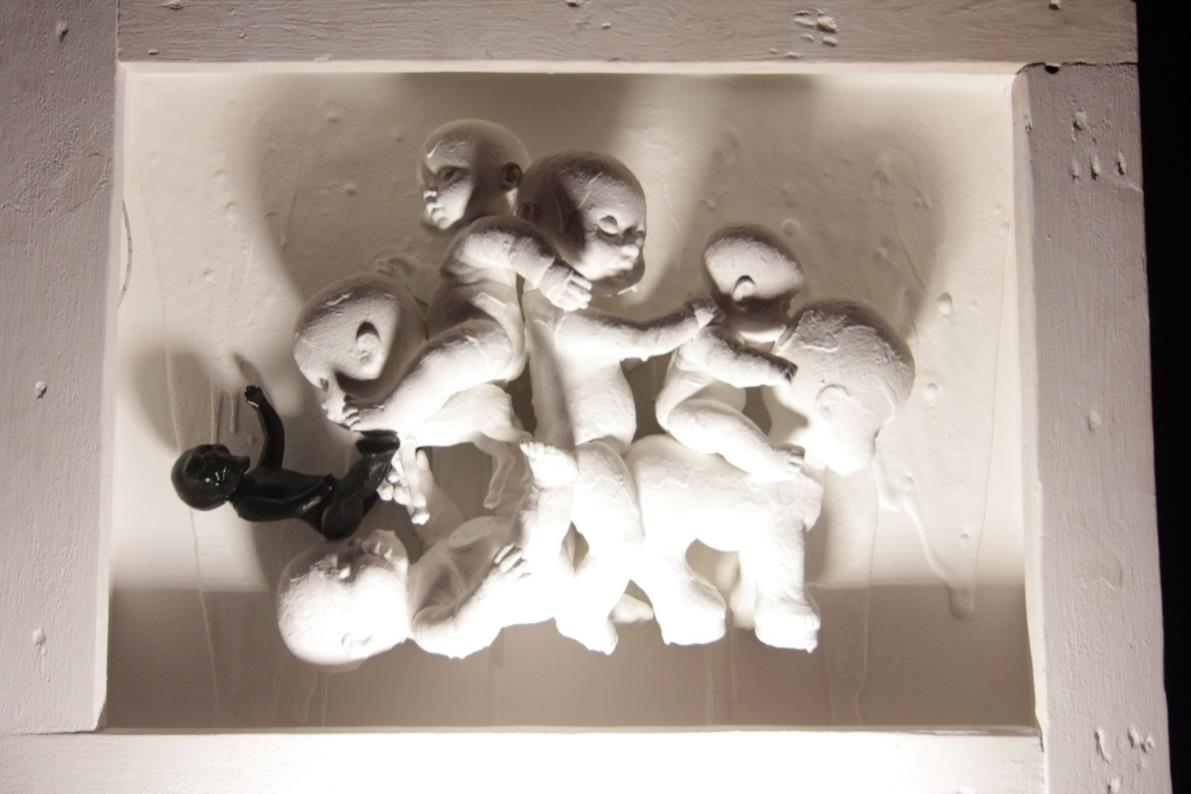
Artist's commentary: "'The Blazing Fireplace of Universal Love.' I have a cycle of works dedicated to carnal love, because modern dolls have long ceased to be just baby dolls, acquiring forms and gender characteristics. During assembly, they often fold themselves into erotic compositions on their own.
The 'Blazing Fireplace' is a technically complex piece. For it, my friend, artist Dmytro Melnykov, specially knocked together a massive frame and equipped it with LEDs with a remote control to change the modes and spectrums of light."
7. Show us a creation where you took special pleasure in breaking all the established rules and canons of the genre.
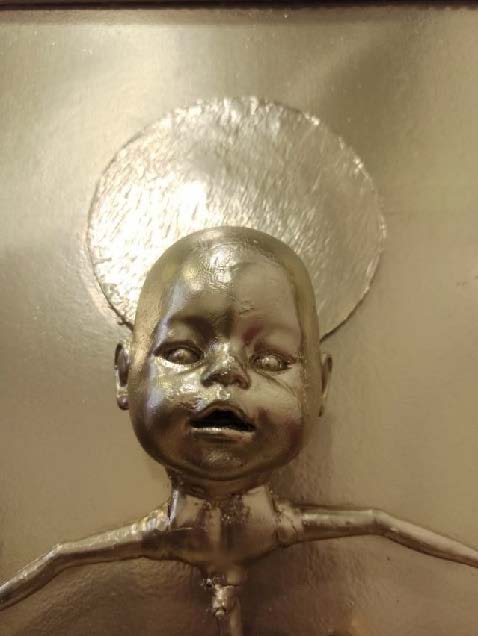
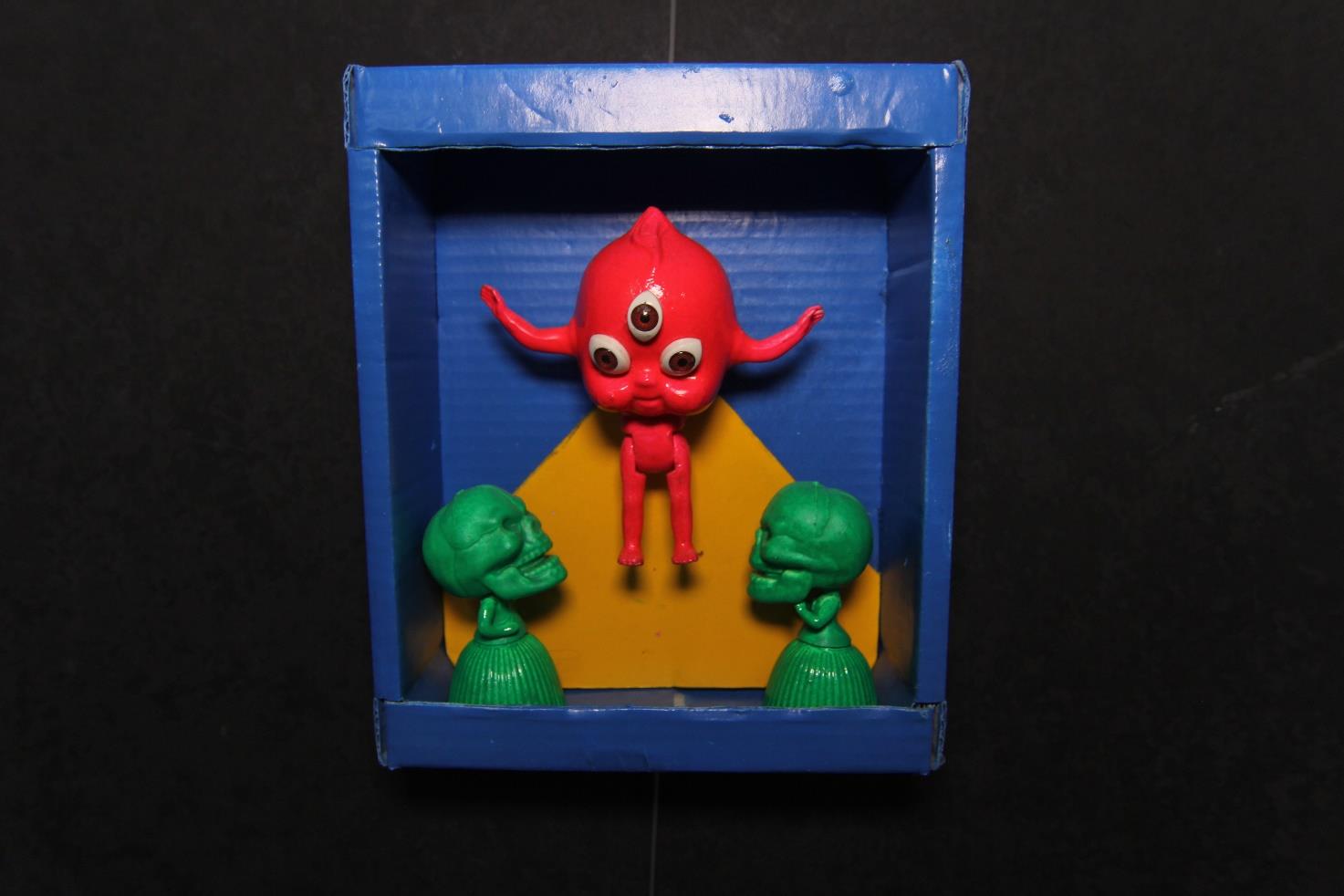
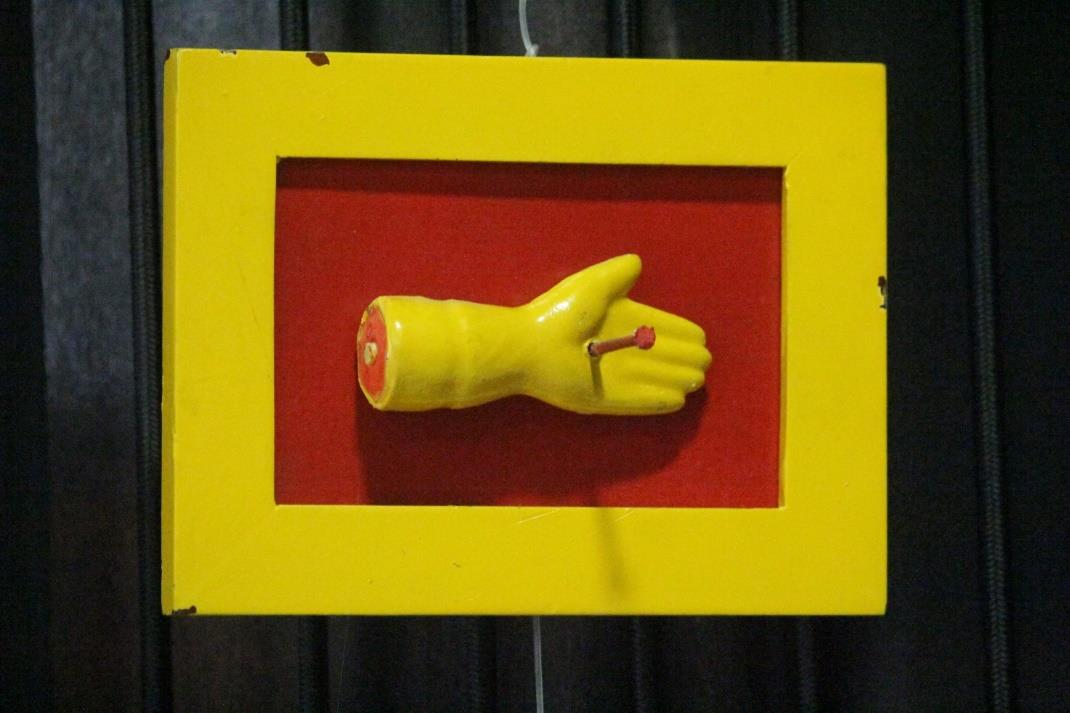
Artist's commentary: "This is the entire 'Heretical Icons' cycle. I am creating a new kind of art, so I invent the canons myself. In every doll, even an industrial one, lies an image of human likeness, and therefore — the image of God. The classic canon implies a halo: if you add it to a doll's head, it automatically becomes the head of a saint. An infant in arms is the Mother of God, multiple arms — a Deity.
When outraged viewers ask what they should feel looking at this, I answer: 'Mystical awe!'. But the non-standard nature of these icons often sends people into cognitive dissonance."
8. Which artwork most vividly illustrates how your authorial style has changed over time?
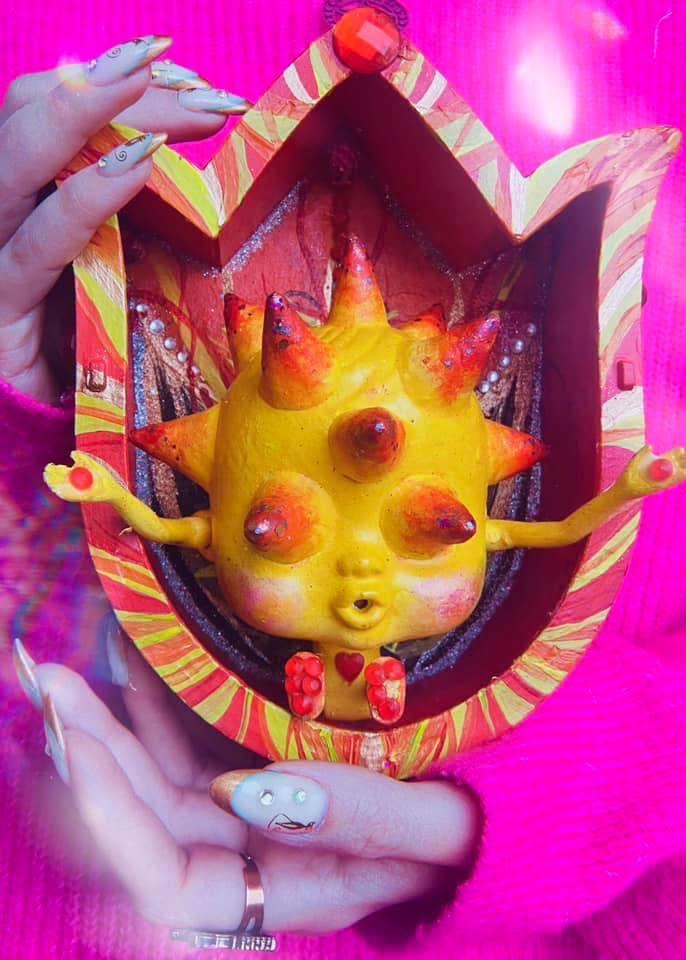
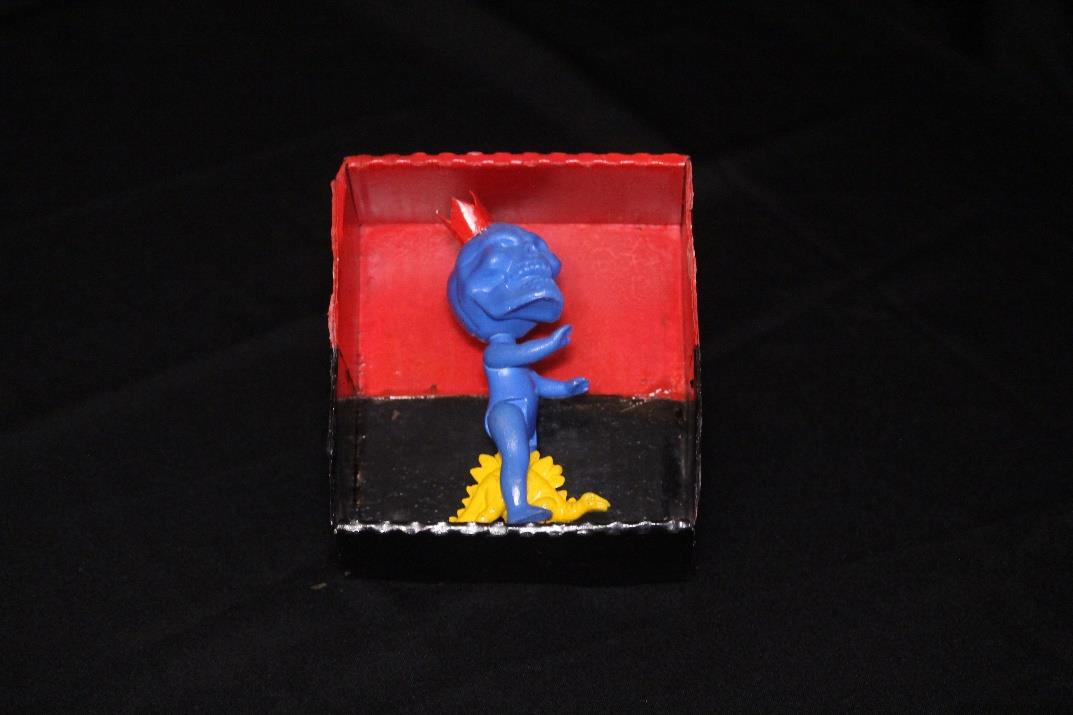
Artist's commentary: "'Lucifer — an example to everyone.' I don't often paint dolls myself, preferring to invite other artists to co-author. This work was brilliantly designed by Odessa artist and designer Kateryna Ivashynnikova.
Interestingly, some of my objects live their own lives. This very baby doll, without any physical cause, has already mystically jumped out of its frame several times. I could glue it dead tight, but it's much more fun this way."
9. In which of your works is a detail securely hidden, the meaning of which only you can guess?
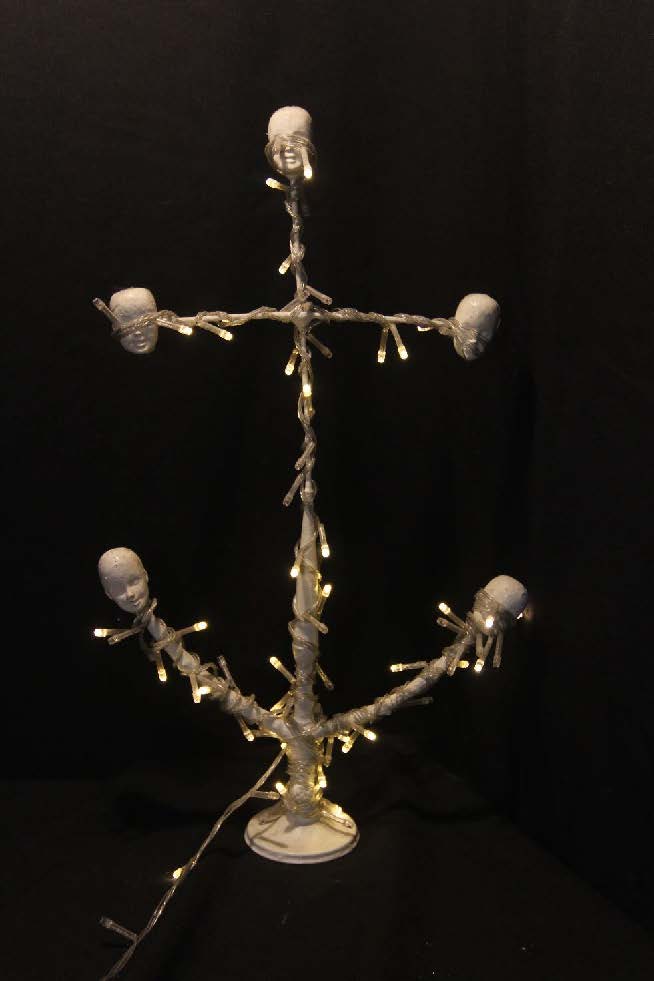
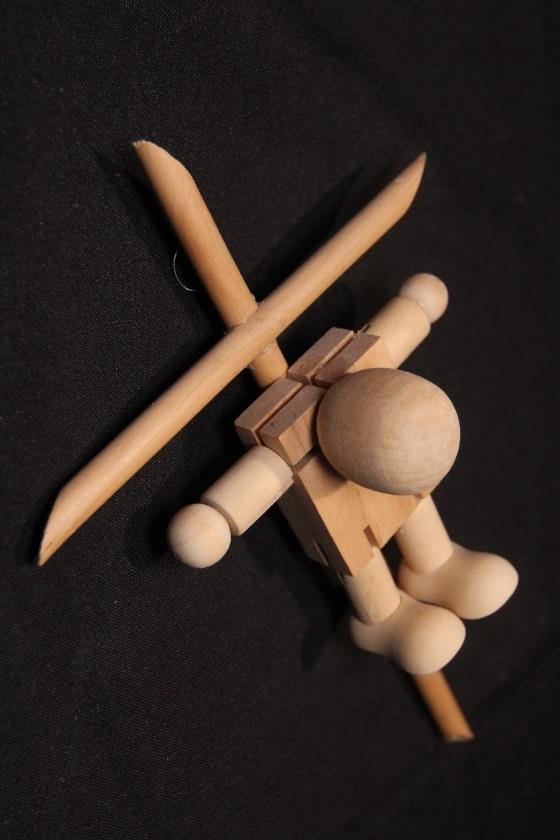
Artist's commentary: "The 'Heretical Crucifixes' series. The most important things are always hidden in plain sight. In my opinion, the main voodoo doll governing this world is the figure of Jesus on the cross. The essence of voodoo magic is to create a copy of a person and pierce it. Millions of people daily visualize a man nailed to boards. This mental magic is so habitual that no one thinks about its essence. Therefore, when blindly believing people ask why I crucify baby dolls, I remind them of what hangs in their temples."
10. Show the work that drained the maximum energy from you during its creation.
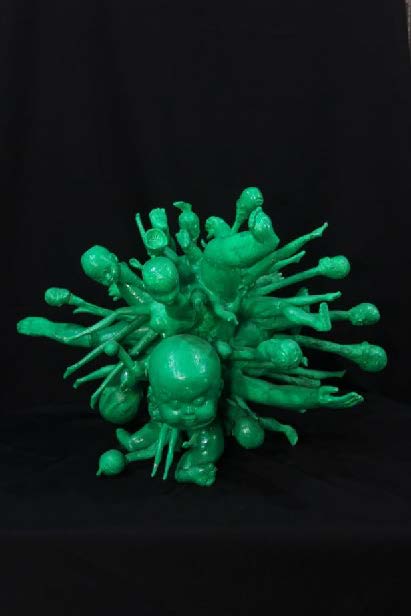
Artist's commentary: "The 'Coronavirus' sculpture. Working on objects doesn't drain energy; on the contrary, it charges me. But this sculpture required the most time. I spent a long time collecting and tying tree branches together, creating a giant sphere into which I wove doll arms, legs, and heads, and then covered it all with fluorescent paint. Only when finished did it become obvious that the shape perfectly replicates the classic image of the virus."
11. Demonstrate an artwork that you still consider your boldest and most risky experiment.
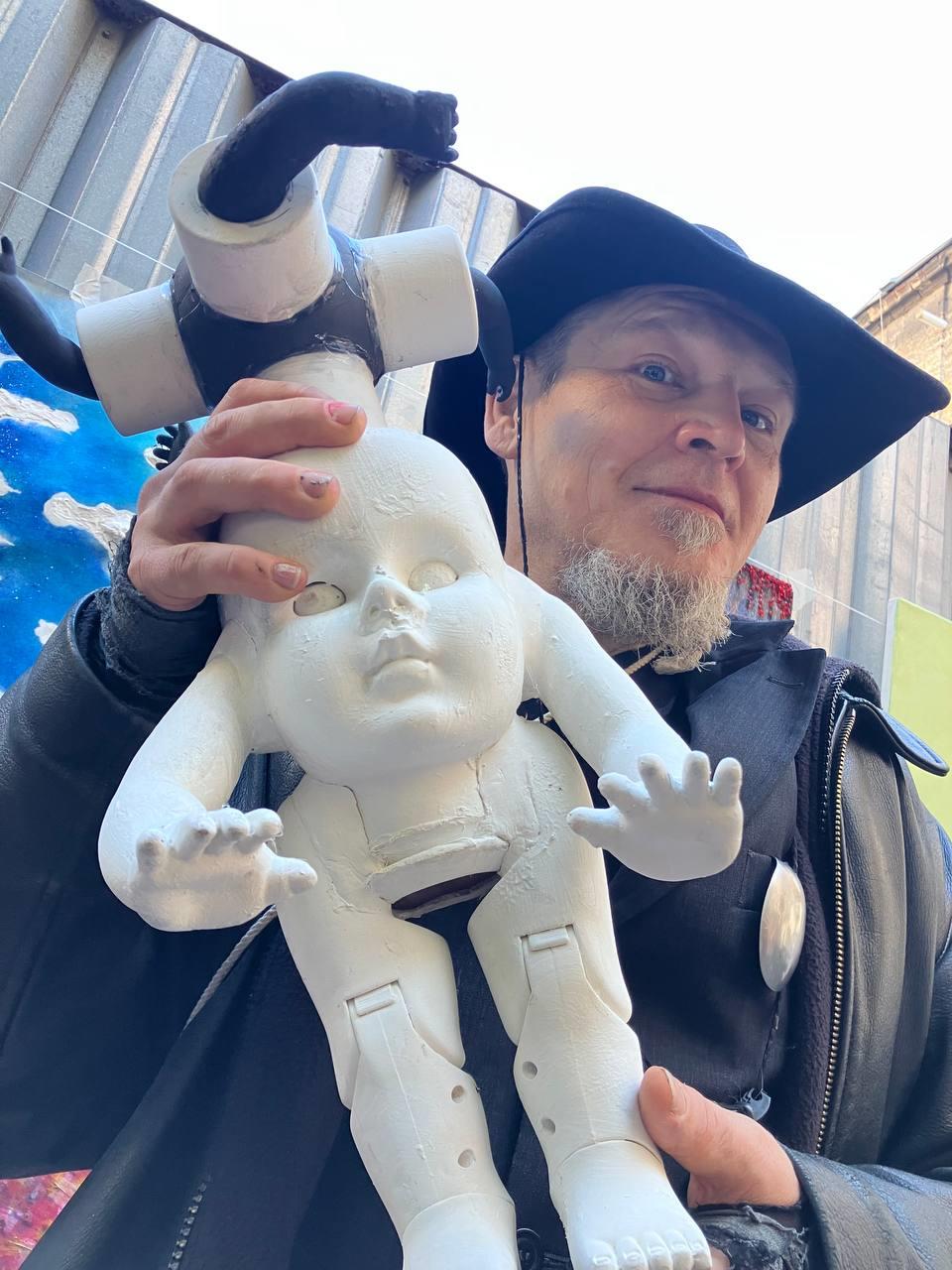
Artist's commentary: "'The Windy Toddler of the Apocalypse,' dedicated to Adolf Hitler. All my works are a risky social and religious experiment. I first presented this work on October 12, 2025, on Artist's Day, at Volodymyr Umanenko's exhibition-action in the courtyard of the Museum of Modern Art of Odessa. This is a reflection on the butterfly effect: what if Hitler had actually become an artist? Which branch would civilization have taken? We need more creators and fewer military men, otherwise our future will become even more cruel."
12. Share a creation that was born due to an absolutely accidental confluence of circumstances.
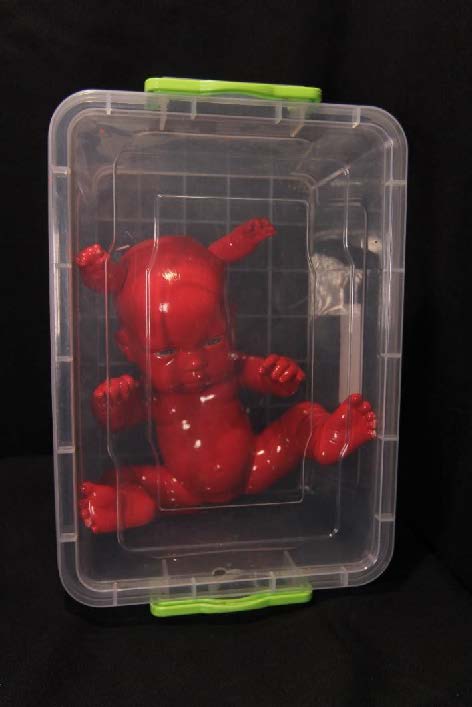
Artist's commentary: "All my art is an accident. I started creating dolls in 2011 when I quit drinking and had free time. For more than 10 years I did this for myself and didn't even allow the works to be photographed. But the war in 2022 became the second confluence of circumstances: I wanted to pour out my inner protest against the impending horror, bringing it to absolute absurdity.
In times of war, people often turn into a faceless biomass — this is exactly what my dismembered and reassembled figures reflect. I am the author of books, films, and songs, but it is the art objects that work the fastest. Dolls are inexpensive, and one glance is enough for the viewer to understand everything. My art instantly splits the audience in half. Some viewers literally run away from my exhibitions to the nearest church screaming, 'Satan, depart!', suddenly remembering their belief in God. So Jesus should be pleased with my activities — I regularly supply him with new parishioners. That is the true magic of my art."
Sergiy Konyakhin's work is not about aesthetic comfort, but about a harsh, uncompromising challenge to our habitual perception of the world, which forces the viewer to come face to face with their own fears and the absurdity of modern times. Regardless of whether his "Biomechanical Constructivism" evokes mystical awe or a burning desire to escape, this radical visual language absolutely leaves no one indifferent.
To continue immersing yourself in this paradoxical universe, to be the first to see new "chilling art objects," and to follow the development of the uncompromising philosophy of the master of marionettes, subscribe to the author's social media pages: