


It is obvious that the United States and Israel were betting on the removal of Iran’s political elites and the formation of a loyal government there.
One of the goals was the seizure of enriched uranium.
These goals have clearly not been achieved.
No one doubted the ability of the United States and Israel to bomb “ten bridges and twenty power plants” in Iran.
But this does not bring the United States any closer to achieving the main objectives of the war.
A few words about the scale of the sides.
What is considered a defeat for one side may be a victory for another.
Let us recall the Soviet–Finnish Winter War.
The end of that war with territorial concessions on the part of the USSR would have been considered a catastrophic defeat for Moscow.
But the war ended with territorial losses for Finland, and this outcome is assessed in Finnish historiography as a victory.
Therefore, the outcome of the war in the Middle East should be assessed in relation to the capabilities of the sides.
For the United States, victory means the ability to allow any ships to pass through the Strait of Hormuz, while for Iran it means the ability to prevent any ships from passing through the strait.
That is the difference.
Therefore, Iran’s ability to block Hormuz is a defeat for the United States and its Gulf monarchies allies.
But it is a temporary defeat, because the potential of the United States is enormous, and there will be more acts in this drama.
For now, the sides have gone into intermission.
But this interim defeat of the United States in the war with Iran has already led to far-reaching consequences.
For example, Orbán’s defeat in Hungary is indirectly linked to the crisis in the Middle East.
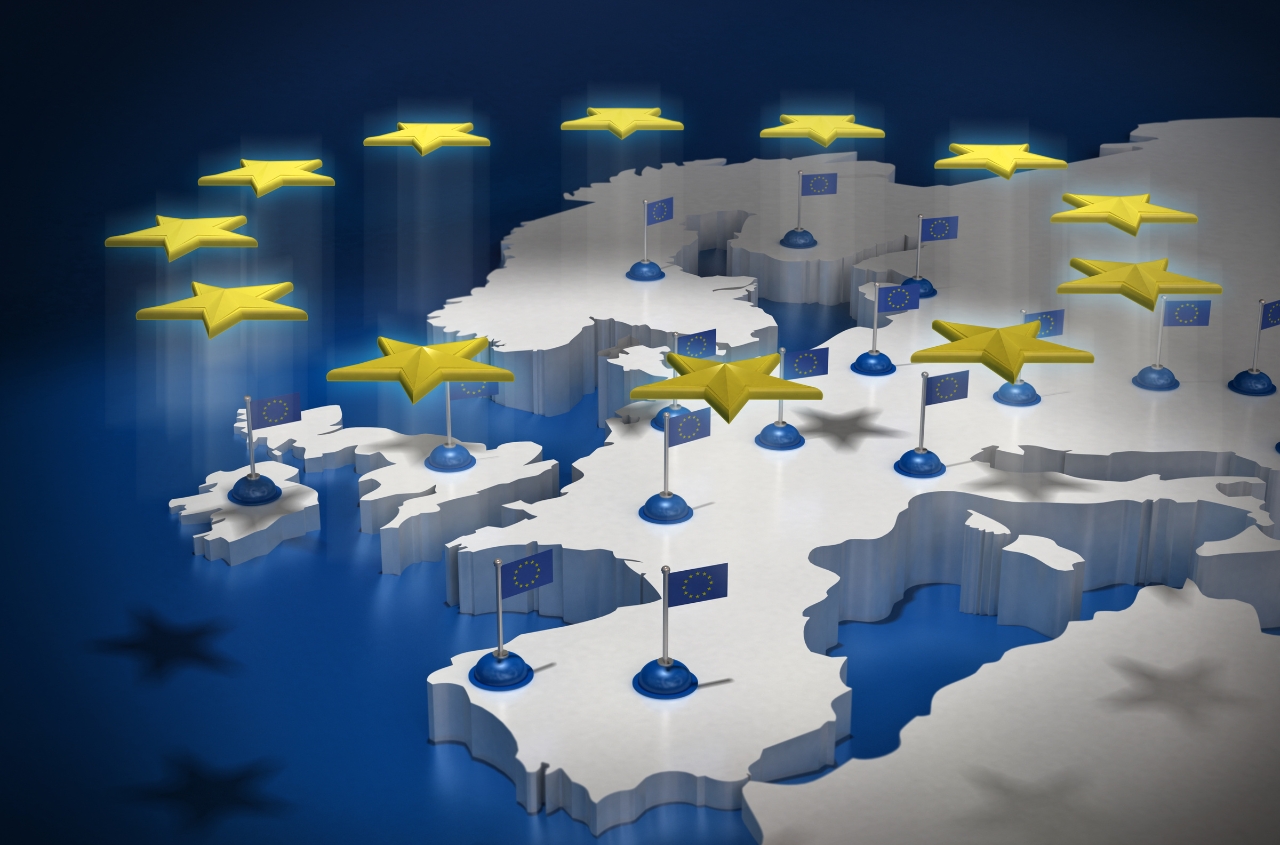
A certain geopolitical rapprochement between the United States and the EU will also be a result of America’s unwillingness to remain geopolitically isolated at such a critical moment.
And also:
At this very moment, Spanish Prime Minister Pedro Sánchez has begun creating a global “anti-Trump coalition.”
There is a factor of Spain’s symbolic influence on Latin American countries; there is even a “Spain + Latin American countries” summit.
Pedro Sánchez organized a conference called “Global Progressive Mobilization” in Barcelona.
A significant part of the participants are Global South countries, including those from Latin America.
This means that the EU globalist agenda is betting on the Global South to shape a new global leadership role for Europe.
As I wrote, within the framework of the global game of Go, Europe is placing “stones” on the US board in the Western Hemisphere—in Canada and Latin America—preventing the United States from forming a Monroe Doctrine 2.0: “America from Greenland to Antarctica.”
Essentially, the Spanish prime minister announced coordinated international opposition to a conservative right-wing global agenda.
This is nothing less than an “anti-American uprising” in Latin America.
At the summit, both Brazilian President Lula da Silva and the President of Colombia discuss this.
And this summit would not have taken place if the United States had succeeded in the Middle East—or it would have taken place with a completely different tone among its participants.