
The so-called “ceasefire” has temporarily reduced the background noise, which has brought some interesting developments into focus.
- Vance has twice painfully hit — with Orbán and with Iran. There is a feeling that Trump deliberately sent him to the Iranians in order to attach negative baggage to a story that Vance does not control, leaving him looking like a useless errand boy. Talk in the US about replacing the leader, because the current one has “lost his mind,” has become too loud.
Meanwhile, Rubio has gone quiet and is calmly handling the Cuba issue, from which positive signals are coming: the local leadership has begun to publicly allow cooperation with the US, investment attraction, and so on.
Trump is adding fuel to the story of self-unraveling. The attacks on the Catholic Church are particularly striking.
It is notable that both Vance and Rubio are practicing Catholics. The views of Catholic communities will be directed at them, expecting a reaction. At minimum, anonymous media leaks should appear suggesting that they do not fully share Trump’s stance toward the Vatican. This is a matter of maintaining support from an influential Catholic network in future electoral cycles.
The story of a joint US–Iran blockade of the Strait of Hormuz is especially interesting.
In Trump’s hands lies an ideal instrument — the military: predictable and effective. However, he has chosen to use it in a highly unconventional way.
Previously, there was a clear logic: complete one stage of an operation successfully, then prepare the next. Politicians decide to give diplomacy a chance — fine. Diplomacy fails — the plan is activated.
A couple of megatons of iron dropped on the remaining IRGC forces and Iranian infrastructure — and then diplomacy resumes. And criticism would be lower, since Washington did not immediately enforce the ultimatum but first gave dialogue a chance.
Instead, the US Navy will now have to perform strange exercises, while projected power remains idle. This is not a normal situation for the military.
Worst of all, if the blockade and new contacts produce no result and force is eventually used, it will create even more doubts within the military. And Hegseth’s determination to “cut off disloyal heads” may not help.
This is truly bad, because it calls into question the only unquestionable global argument of the United States.
- In Russia, a different “movie” is playing. The process of “Juche-ization” is gaining momentum. A potential prolongation of the conflict in the Persian Gulf hypothetically gives Moscow some hope, but the effect is clearly insufficient and delayed.
Meanwhile, Russia is expecting a very bad quarter. The Kremlin is once again asking business to “pay up.”
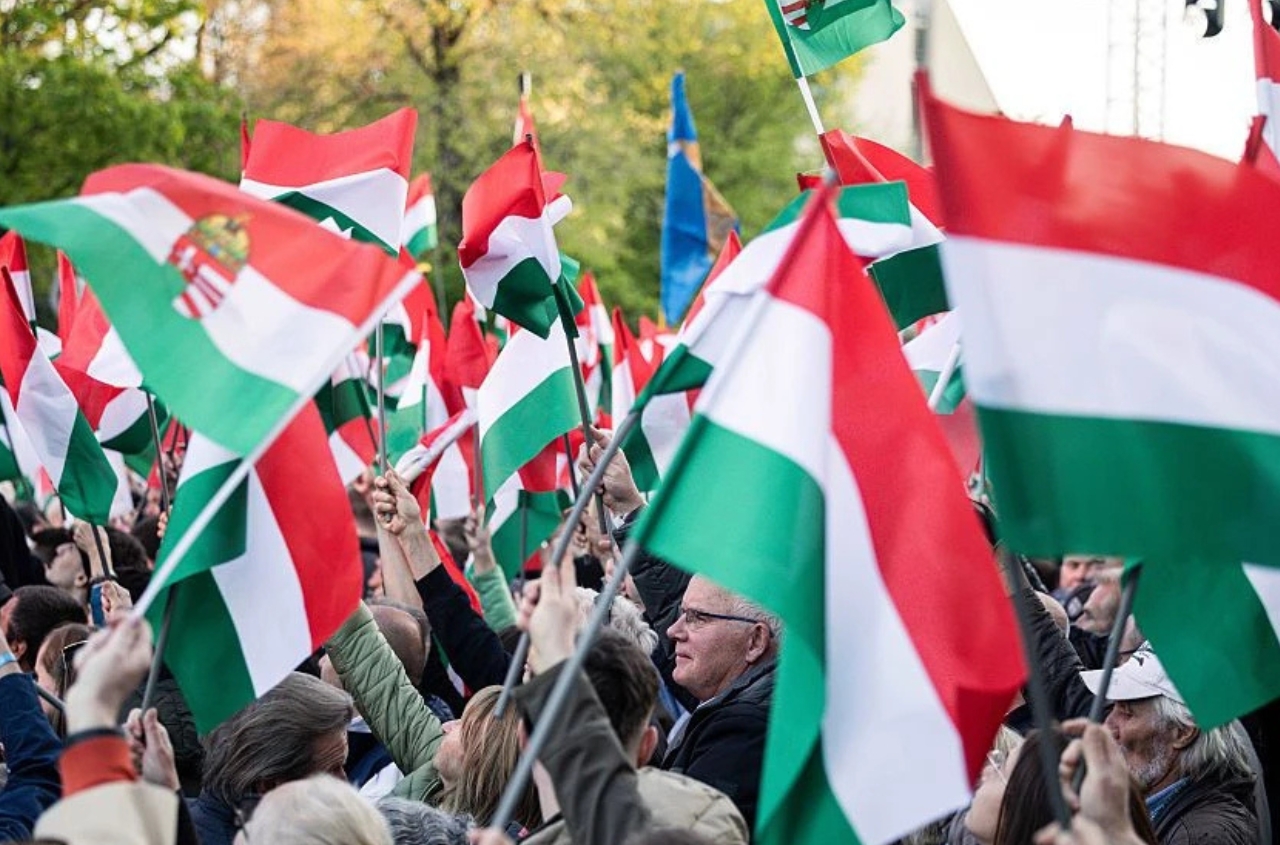
Against this backdrop, Orbán’s defeat revives a highly archetypal story — where Putin’s trouble might come from.
Péter Magyar, himself a member of the Hungarian ruling elite, organized opposition on the basis of internal conflict and removed the incumbent leader who had exhausted public patience.
The potential of the Russian opposition in exile, all non-systemic dissenters, and others appears completely insufficient to shake Putin’s dominance.
That is, a successful (!!!) challenge can only emerge from within Putin’s own elite environment, when a publicly visible figure with some weight takes a special position and is neither suppressed nor neutralized in time.
And now the most interesting exercise is to guess who exactly might become Putin’s “grave digger,” and who inside the elite might support such a faction.
Many in Russia are surely pondering this while scrolling through news from Budapest.
Mishustin? He is 60, has bureaucratic weight, is cautious, not first among war criminals, understandable to business, China, and the West, and could offer a chance of recovery.
The Patrushevs? Understandable to the силовики (security elites), they dislike Kadyrov, and can hold the line, although the younger one does not show impressive results.
The Kovalchuks? The risk is too high and the purpose unclear.
Chemezov and someone from his orbit? A military-industrial technocrat with a “human face”?
Some kind of “war hero”?
All of this will push the Kremlin toward maximum sterilization of both close and distant access routes to power, which should also be reflected in the State Duma elections.
There is experience in tightening control. However, developments in Moldova and Hungary indicate that Kremlin methods are starting to stop working…