

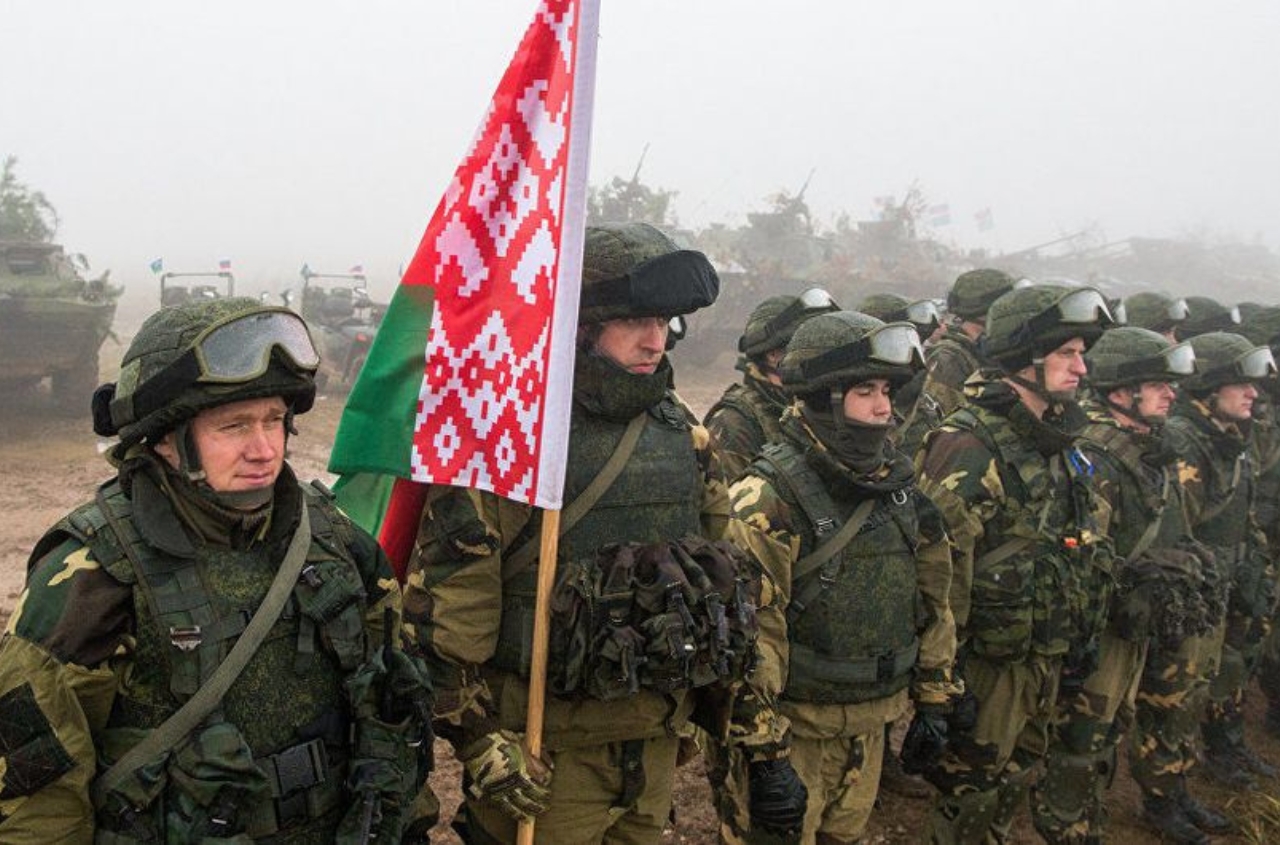

Once again, the topic of Belarus has exploded in the information space.
In reality, if you have been following developments in our neighboring country since January of this year, it has not “exploded” suddenly. Everything has been moving in a planned direction.
Let’s start with February–March 2022. As you remember, Belarus provided its territory to Russia so it could strike Ukraine from the north. As a result, along the route Belarus–Chornobyl–the outskirts of Kyiv, the enemy effectively stood at the gates and at times even crossed into the city.
Belarus has already once fulfilled the role of an accomplice to Russia—an accomplice in the crime of aggression against Ukraine. However, the Belarusian army itself did not take part in combat operations.
Throughout 2022, there were repeated moments when it seemed that Putin was pushing Lukashenko to directly join the aggression, but this did not happen.
Conclusion number one: Russia views Belarus as a second front it would like to open against Ukraine.
Now, January 2026, four years later, military activity in Belarus has intensified.
What does this consist of?
Military preparations began in Belarus at the start of this year and included five elements.
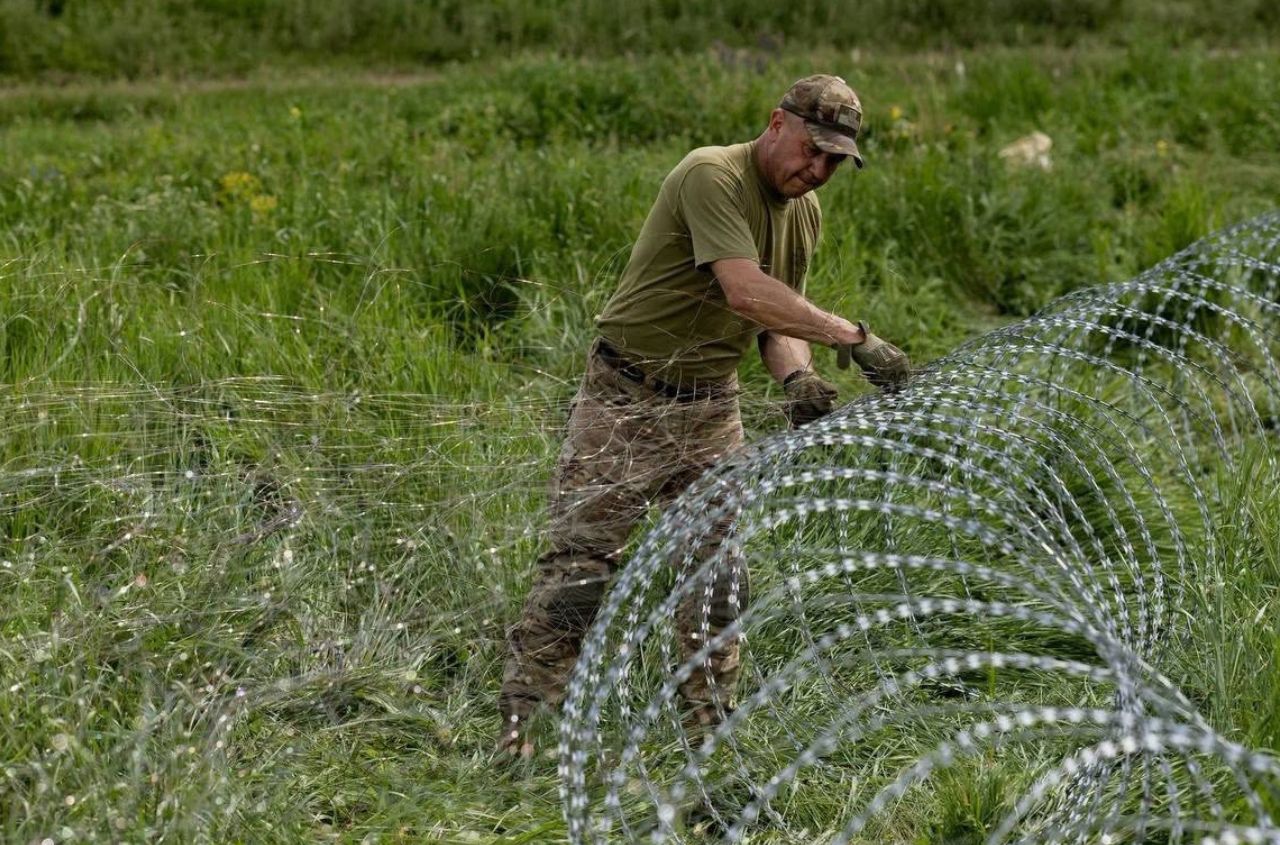
First element: continuous combat training of Belarusian army units, with Russian instructors, coordinators, and commanders present. This is not Belarus preparing independently, but under direct supervision of its curators.
Combat readiness checks are not unusual for any army, but in this case the situation becomes threatening in combination with other factors.
Second element: increasing emphasis on mobilization readiness of the entire country, not just the armed forces, including reservists. There was even a decree signed by Lukashenko calling up reserve officers. This is part of broader mobilization preparations.
Third: in March, large-scale command-and-staff exercises were held. Lukashenko visited military training areas, scolded generals, and demanded physical readiness. Such exercises are no longer just routine checks—they are rehearsals of coordination at the level of headquarters and units.
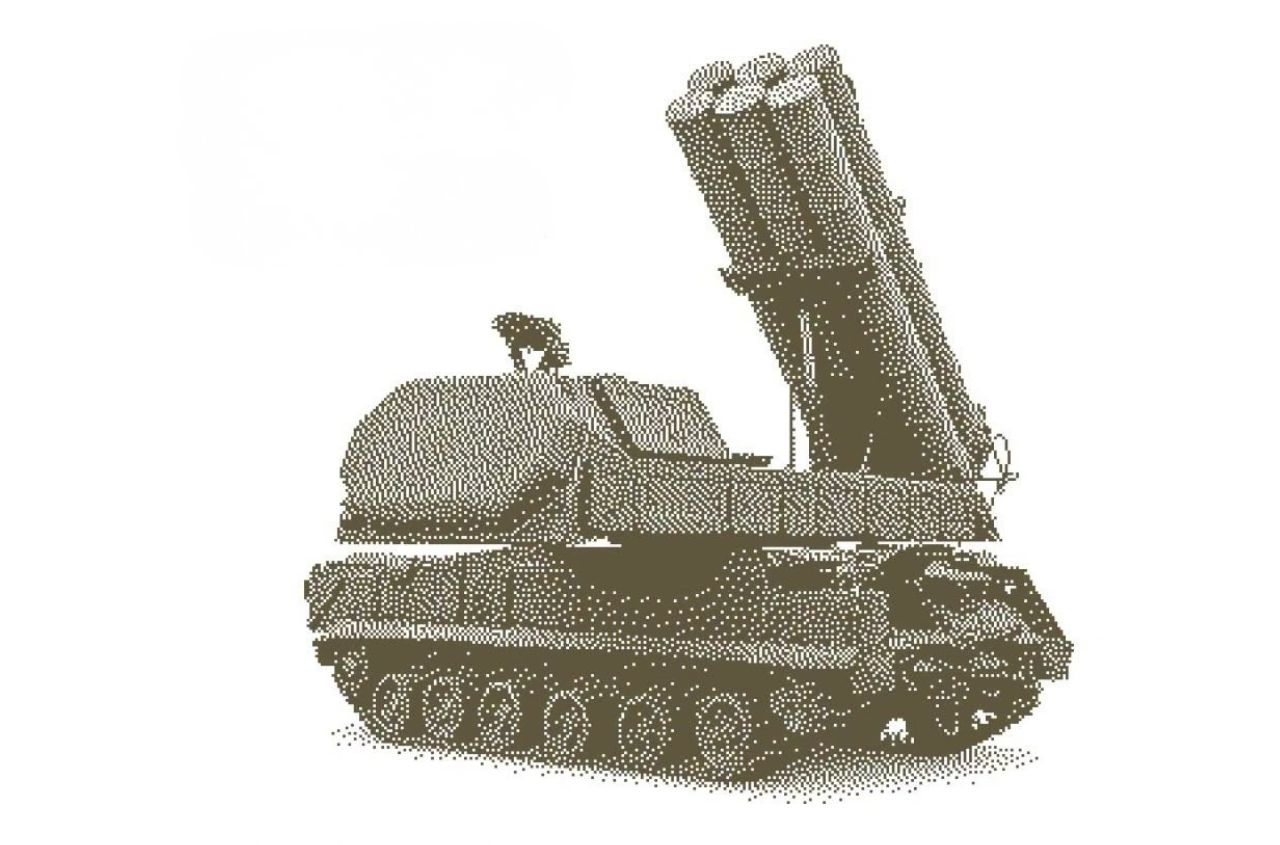
Fourth: strengthening of Belarus’s air defense systems. This suggests Belarus expects incoming strikes—likely long-range drones and missiles. Since its own systems are insufficient, Russia is reportedly supplying additional air defense equipment to create an air shield.
Fifth: growing coordination between the Russian and Belarusian militaries at the planning level. Russia is clearly involved in preparing Belarus in a serious way.
Individually, each factor may not seem decisive, but together they indicate preparation.
At the top of this process is Lukashenko’s meeting with Belarus’s top military leadership, where he stated that the “era of peace is over” and that “we are preparing for war.” He frames this as defensive, but such rhetoric should not be ignored.
This does not necessarily mean Belarus is about to launch an offensive. Lukashenko understands that if Belarus attacks Ukraine, Ukraine will respond with drones and missiles, causing destruction. He is not eager for that scenario and prefers to keep Belarus as a sealed, quasi-Soviet state where his army avoids real war.
However, Russia is clearly pulling Belarus into this trajectory.
Therefore, while an immediate offensive is not imminent in my view, these developments clearly indicate preparation for escalation. The northern front once again requires Ukraine’s attention.
Diplomatic efforts are also necessary, including through the United States, which under Donald Trump has recently developed closer ties with Belarus. Trump would not benefit from a new escalation or the opening of another front. Lukashenko also does not benefit, as his army lacks combat experience.
Russia’s goal is to increase pressure on Ukraine and force it into unfavorable terms.
Diplomatically, influence must also involve China, encouraging Belarus not to escalate. What we are seeing now is part of a broader diplomatic struggle.
Militarily, the risk of a second front would stretch Ukrainian resources, requiring redeployment of experienced units from other regions to the north.
This situation shows that Russia is not interested in ending the war.
There is also a “Plan B” possibility: Belarusian military activity may not be aimed only at Ukraine but also at intimidating the Baltic states and, to a lesser extent, Poland.
For Lukashenko, both scenarios are risky, but engaging with the Ukrainian army would be far more dangerous than pressure involving less experienced forces in the Baltic region.
We have already been at similar points before regarding Belarus potentially entering the war. Escalation is being prepared. Whether it happens depends on a combination of diplomatic and military measures by Ukraine and its partners. But clearly, Belarus is preparing.