

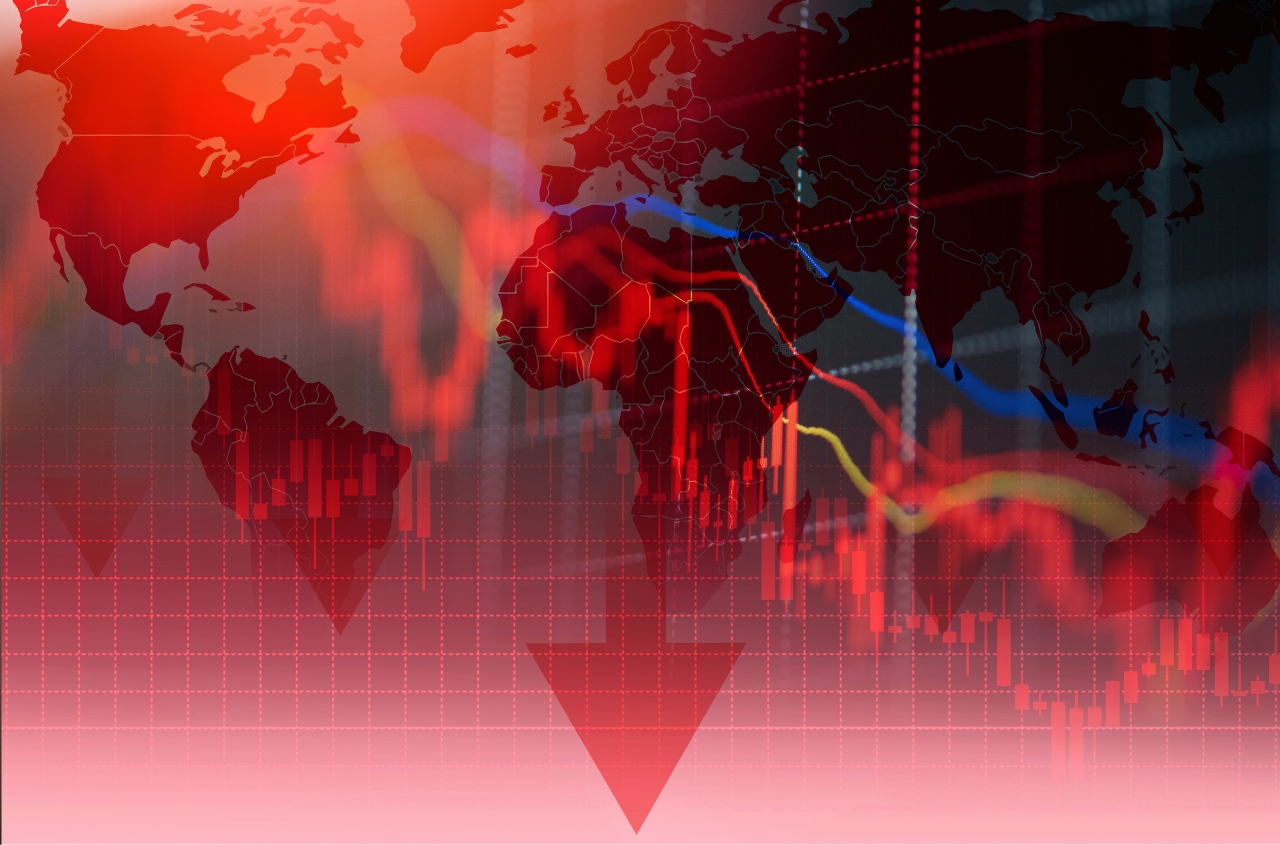
The Russian government is unable to stop the recession in the Russian economy. At the same time, the worsening situation is driven both by increased tax pressure (from January 1, 2026, the VAT rate was raised from 20% to 22%), as well as by the slowdown of social media and internet services, and rising costs for logistics, wages, and marketing. As a result, only in the first quarter of 2026, 6% of enterprises ceased operations.
According to forecasts, in the second half of the year a significant number of Russian companies are preparing to cut jobs, and about 30% of small and medium-sized businesses may leave the market.
The economic situation in Russia’s regions is rapidly deteriorating. The deficit of consolidated budgets of Russian regions for January–February reached almost 1 trillion rubles (12.5 billion US dollars). At the same time, due to a lack of incentives and increased tax pressure, the number of regions showing growing budget imbalances is increasing.
Sanctions pressure and the federal government’s misguided policies have led to a failure in customs revenue targets. In particular, last year the Federal Customs Service of Russia added 5.9 trillion rubles to the federal budget, compared to 7.35 trillion rubles in 2024 (–20%). This is the lowest figure since the start of the full-scale war against Ukraine. It should be noted that in 2022–2025 Russia’s trade balance decreased almost threefold (from 337 to 125 billion US dollars).
In 2026, the negative trend continues: in January–February, the positive trade balance shrank by 33% (to 14.1 billion US dollars) compared to the same period last year (21 billion US dollars).
At the same time, the condition of the Russian banking sector is deteriorating (in 2025, net profits of Russian banks fell by 8%), and it is on the verge of a systemic banking crisis. The current stability of the sector is maintained by the dominance of state-owned banks (Sberbank and VTB accounted for more than 60% of total banking sector profits in 2025), large-scale restructuring of problematic assets, and regulatory easing.
A number of financial indicators (increasing share of non-performing loans, payment arrears, and closure of bank branches) point to growing vulnerability in the banking sector and an increasing likelihood of a full-scale banking crisis.
At the same time, systematic distortion of macroeconomic statistics is being used by the Kremlin to create a false impression for external audiences about the relative resilience of the Russian economy to sanctions pressure and massive military expenditures.