

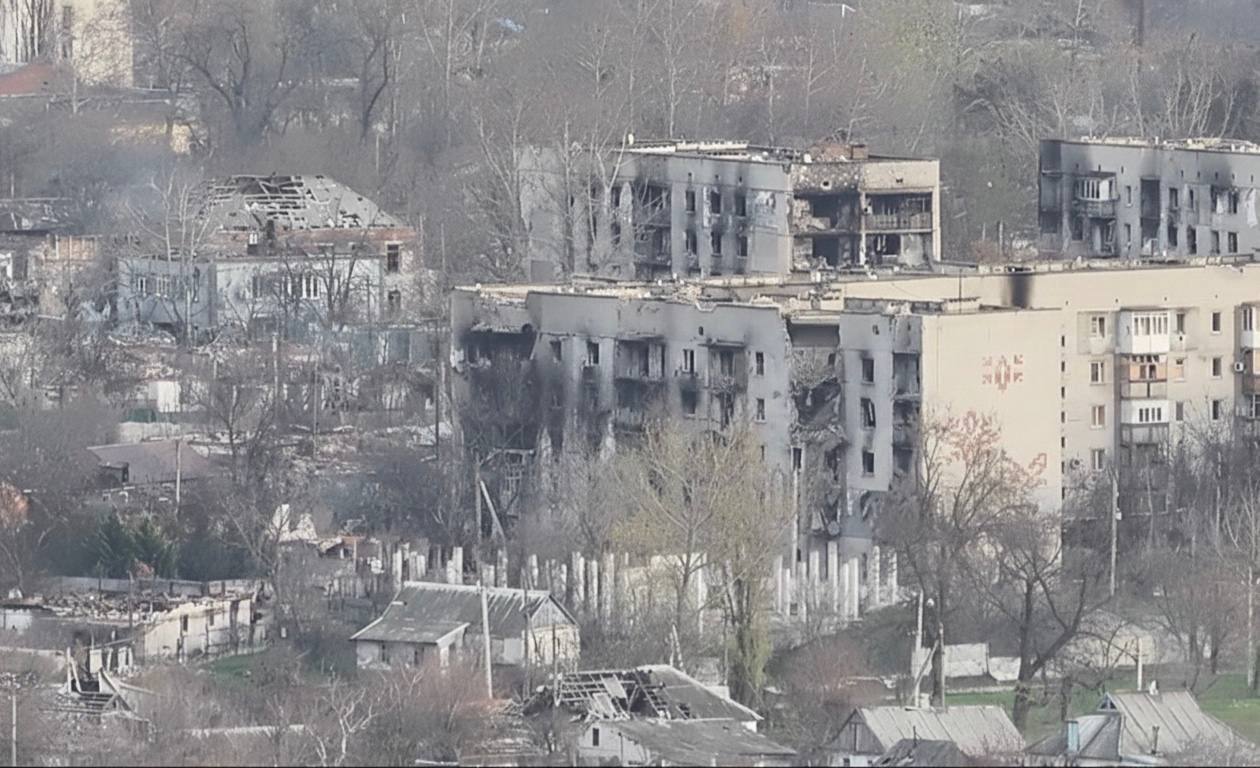
Russian-occupied settlements along the left bank of the Dnipro River in Ukraine’s Kherson region, including Oleshky and Hola Prystan, are facing what local officials and investigators describe as a deepening humanitarian catastrophe under sustained drone attacks.
According to a new investigative assessment based on two months of reporting by Zarina Zabrisky, the situation in these areas has deteriorated sharply, with civilians reportedly lacking access to food, drinking water, medicine, electricity, and heating. Movement is severely restricted, evacuation routes are blocked, and communications are limited or non-functional. The report draws on interviews with Ukrainian officials operating in exile, testimony from evacuees, data from volunteer networks, and visual evidence gathered by Ukrainian drone units. It estimates that several thousand civilians remain trapped under these conditions.
Local accounts describe a collapse of basic services and an emerging burial crisis, with reports of bodies left unattended in streets. Some witnesses claim animals have scavenged remains due to the inability to conduct burials. The situation has been described by survivors and officials as amounting to an “underreported genocide,” a characterization that has not been independently verified but raises serious questions under international humanitarian law.
Investigators also report a pattern of FPV drone strikes targeting civilians, which some describe as deliberate attacks on individuals moving through open areas. These claims include allegations that drone operators are using civilians as moving targets in what has been referred to in testimony as a “human safari.” These allegations remain difficult to independently confirm due to restricted access to the occupied area.
On April 18, Ukraine’s Parliamentary Commissioner for Human Rights, Dmytro Lubinets, urged the international community “to move from statements to concrete actions,” calling for access for international monitoring missions and stronger mechanisms to document and respond to alleged war crimes.
Civilian evacuation from the occupied left bank of the Dnipro remains extremely difficult. Current escape routes require travel through Russia and Belarus, a process described as long, indirect, and associated with risks of detention, filtering procedures, and other forms of administrative control.
Against this backdrop, there are calls for the establishment of a short-distance humanitarian corridor across the Dnipro River into Ukrainian-controlled territory. Such an arrangement would allow civilians to be evacuated by boat in an estimated 20–30 minutes, replacing multi-day journeys through third countries with a direct and monitored crossing.
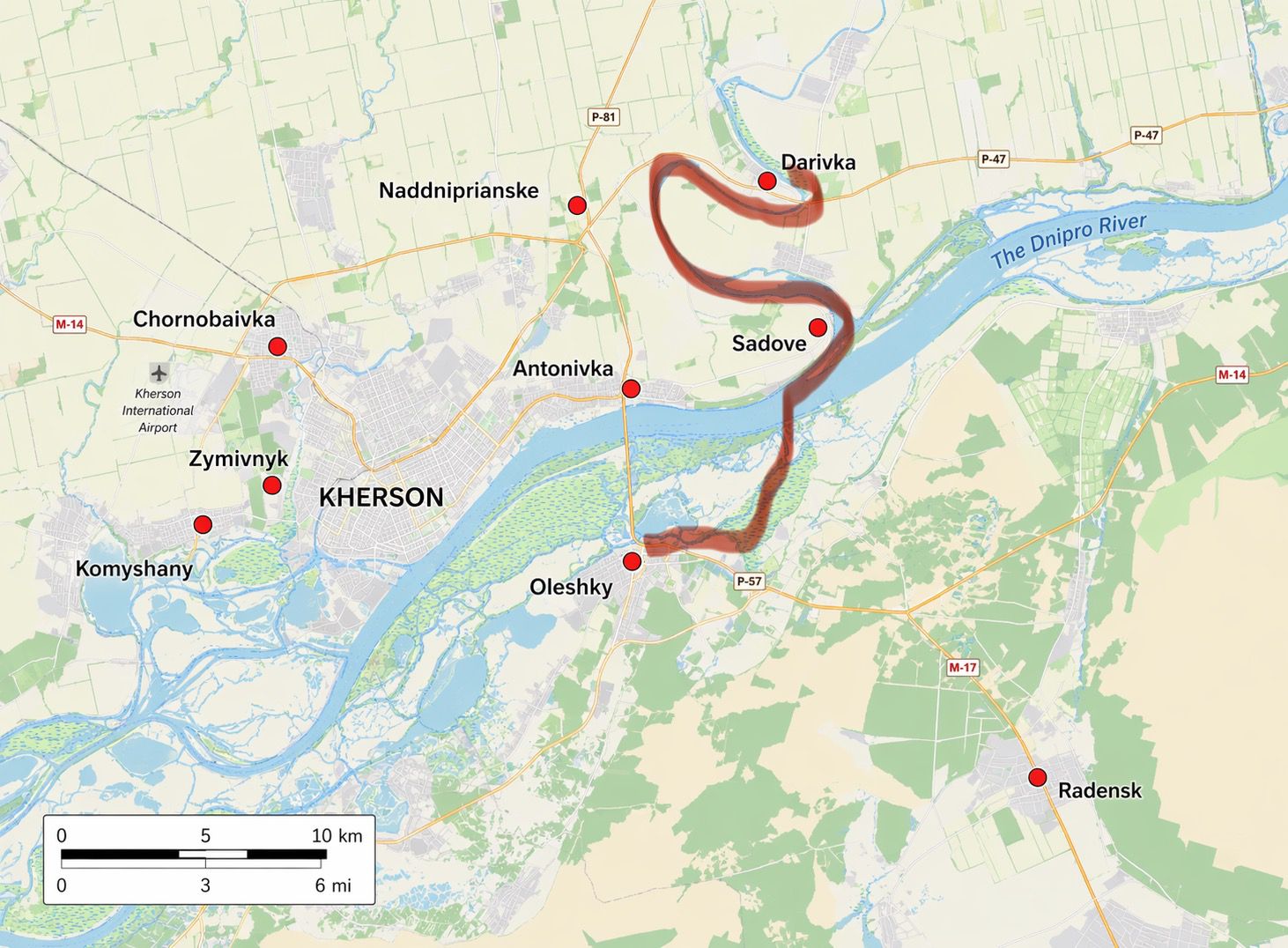
The proposed approach envisions designated river crossing points near Oleshky, supported by temporary localized ceasefire arrangements during evacuation windows. It also includes the use of small civilian or humanitarian vessels operating on a shuttle basis, with reception points on the Ukrainian side providing medical triage, registration, and initial assistance.
International monitoring by organisations such as the United Nations or the International Committee of the Red Cross is also considered essential to ensure transparency and compliance, as well as to document the process.
Additional elements include the provision of logistical support—such as boats, fuel, and medical teams—alongside coordination between relevant authorities and humanitarian actors. A clear communication system is also deemed necessary to inform civilians about evacuation procedures and timing.
Supporters of the initiative are urging European and international institutions to back the creation of such a corridor and to raise the issue within EU, UN, and broader diplomatic channels.
Zarina Zabrisky is a U.S. journalist and documentary filmmaker based in Kherson, Ukraine, reporting from frontline regions since Russia’s 2022 invasion. She broke the “human safari” story on FPV drone attacks against civilians, later connecting UN and Human Rights Watch researchers with victims and local contacts. Her documentary Kherson: Human Safari is endorsed by Ukrainian authorities and featured at the Munich Security Conference.She has presented at the German Bundestag and U.S. Congress, is a member of PEN America, and is sanctioned by Russia.