

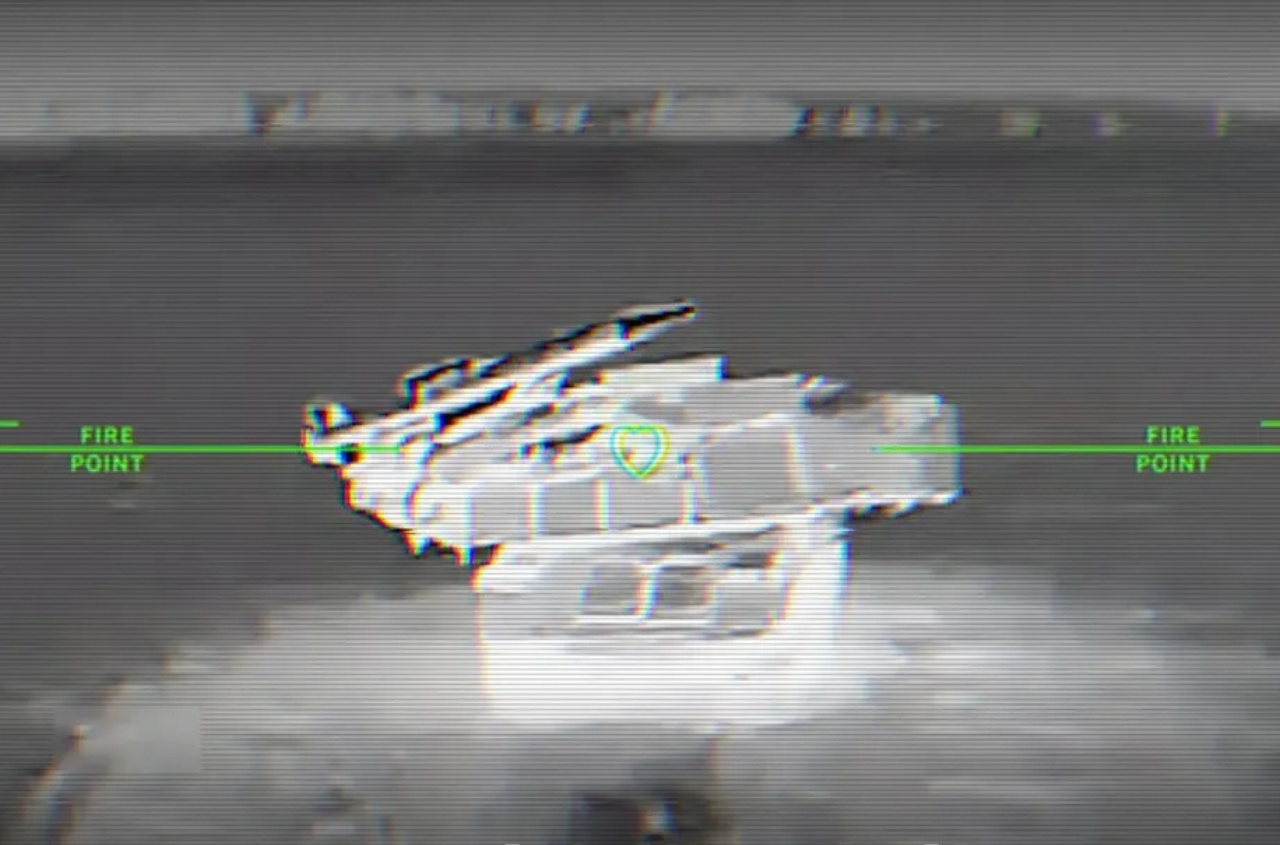

In April 2026, Ukraine’s Defense Forces continued carrying out middle-strike operations targeting Russia’s logistics, warehouses, command posts, air defense systems, and other components of its offensive capabilities.
25 Russian air defense and radar systems hit
According to the General Staff of the Armed Forces of Ukraine, at least 25 major Russian air defense and radar assets were struck during the month.
Radar stations were the largest category of losses in this segment, with around 12 confirmed targets, including systems such as “Nebo,” “Kasta,” “MR-10,” “Ai-Petri,” P-18, “Podlyot,” and the 96L6 radar, a component of the S-400 surface-to-air missile system.
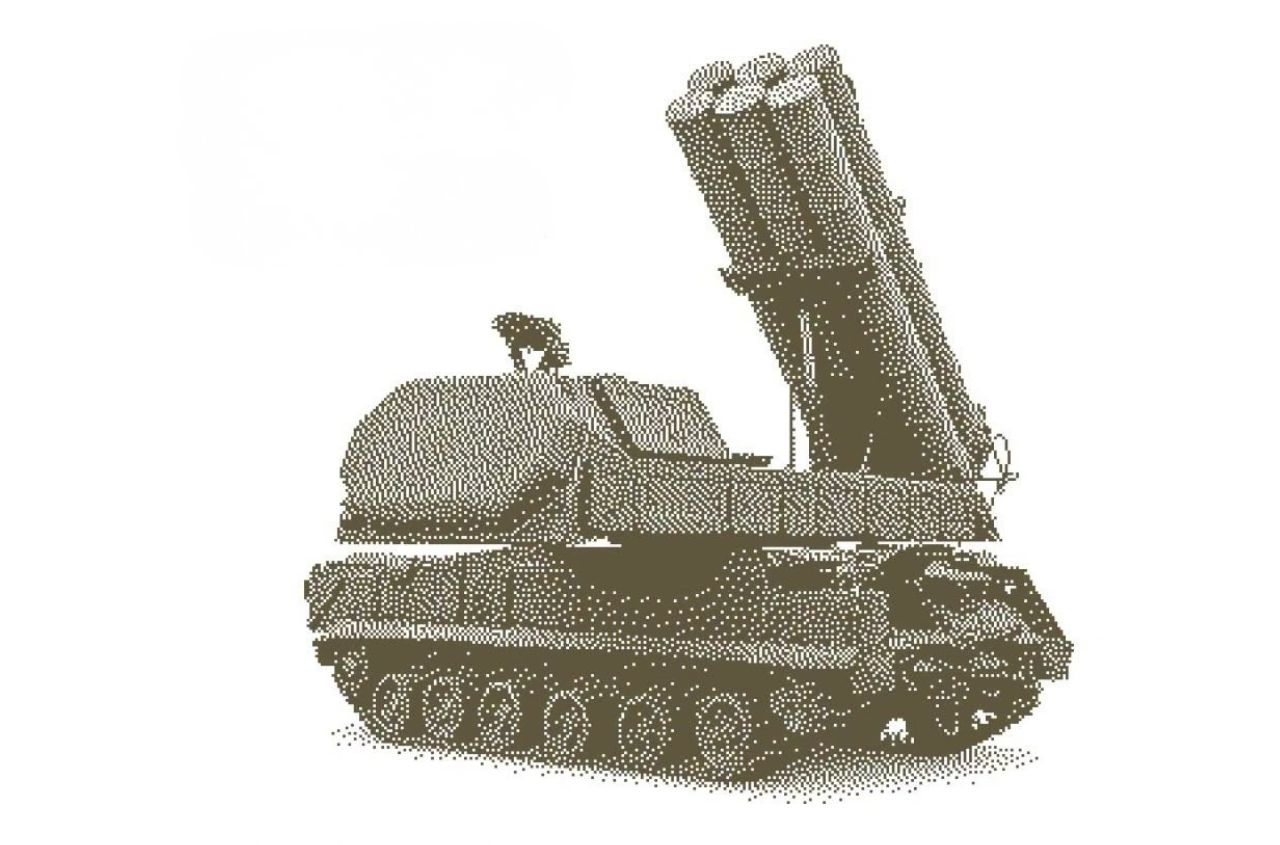
Six surface-to-air missile systems of three types were also hit, including “Tor,” “Buk,” and “Osa.”
In addition, two “Pantsir” short-range air defense systems were struck.
Coastal missile systems “Bastion” were also targeted.
At the Kacha airfield, a command post for air defense and a ground-based radar interrogator “Parol-4” (1L22), a critical friend-or-foe identification system, were destroyed.
Strikes on “Bastion” systems in two different areas of Crimea and Sevastopol are said to limit the Black Sea Fleet’s ability to control maritime space.
The destruction of “Tor,” “Buk-M2,” “Pantsir-S1,” and “Osa” systems is described as expanding operational gaps for further strikes and reducing protection for Russian forces and infrastructure.
Over 55 logistics and warehouse facilities destroyed
In April, Ukraine’s Defense Forces struck at least 23 ammunition depots, 19 material-technical supply warehouses, 13 fuel and lubricants depots, and one logistics hub — totaling more than 55 confirmed logistics-related targets.
The highest concentration of targets was in the temporarily occupied areas of Donetsk and Zaporizhzhia regions, which together accounted for more than two-thirds of all strikes.
Strikes on ammunition depots are aimed at reducing the intensity of shelling. Destruction of supply warehouses complicates troop sustainment, while fuel logistics remain a critical vulnerability for offensive operations, affecting armored vehicles, artillery transport, and supply convoys.
33 Russian UAV infrastructure sites hit
About 24 UAV command posts and 9 drone workshops and storage facilities were struck, totaling 33 facilities.
A notable strike hit a UAV storage site at the Kirovske airfield in occupied Crimea, destroying one “Inokhodets” drone and damaging three more, each valued at several million US dollars. These drones are used for reconnaissance, patrol, and countering naval drones.
In addition, Ukrainian forces struck drone storage sites near Donetsk airport using SCALP cruise missiles and GBU-39 guided bombs. The destruction of drones before deployment is described as particularly effective.
17 strikes on Russian command and headquarters
Around 17 command and control posts of Russian forces were struck in April.
A notable example was the strike on the “Streletsky” naval command post in Sevastopol, affecting the operational capabilities of the Black Sea Fleet.
Strikes on troop and equipment concentrations
Strikes were reported in more than 20 locations, including areas in both occupied territories and inside Russia, such as Belgorod, Voronezh, Kursk, Rostov, and Bryansk regions.
Ukrainian forces also reportedly struck Russian helicopters Mi-28 and Mi-17 in Voronezh region.
Additional strikes targeted training grounds and equipment concentrations, including the “Kulikovsky” range in occupied Zaporizhzhia region.
Overall assessment
April’s middle-strike campaign is described as a coordinated effort of attrition, targeting Russia’s ability to sustain and coordinate operations:
- Air defense suppression creates windows for further strikes
- Logistics destruction limits ammunition, fuel, and supply flow
- UAV infrastructure degradation reduces reconnaissance and strike coordination
- Command post strikes disrupt battlefield control
Together, these actions are framed as systematically eroding Russia’s offensive potential over time.