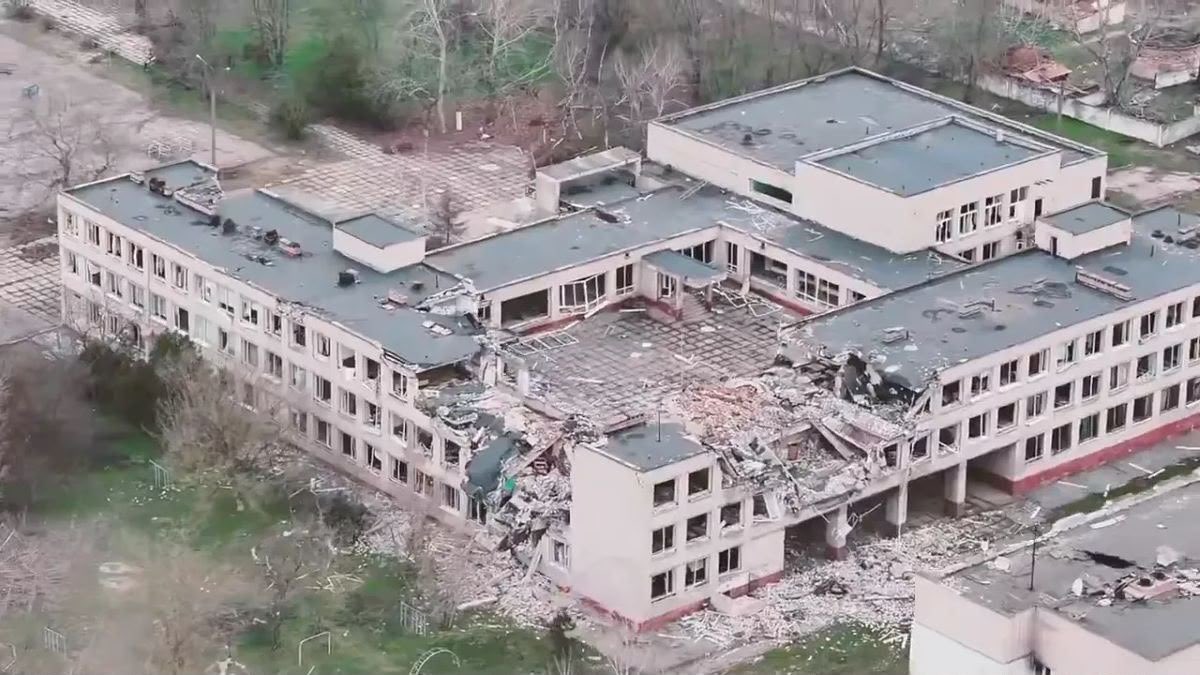


In Poland, a study was presented according to which, in case of a full-scale conflict, the country’s losses could reach 5.5 trillion zloty (about $1.4–1.5 trillion).
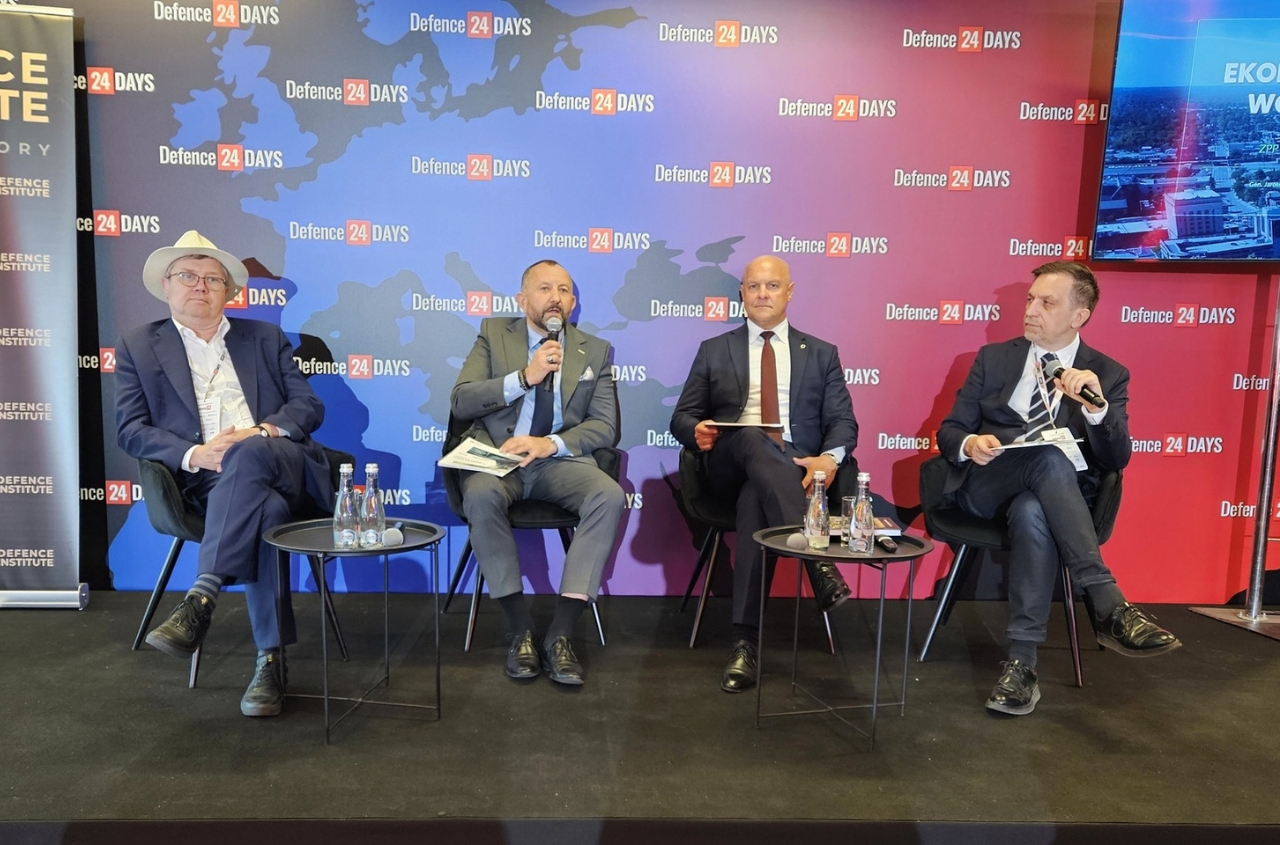
The report was presented by the Polish Union of Entrepreneurs and Employers and the Polish Defense Institute at the Defence24 Days congress in Warsaw. Researchers modeled three war scenarios — ranging from strikes on critical infrastructure to a full-scale invasion and occupation of part of the country’s territory.
The worst-case scenario predicts a 55% drop in Poland’s GDP, inflation at 850%, unemployment above 43% in non-occupied regions, and the destruction of 40% of the country’s infrastructure. The cost of rebuilding infrastructure alone is estimated at 3 trillion zloty ($770–800 billion).
The authors of the report emphasize that human losses go far beyond direct casualties. Poland could face a “tsunami of social trauma” (PTSD), which would reduce the nation’s productivity and innovation capacity for generations.
Long-term brain drain: The emigration of the most highly skilled groups in society — engineers and specialists — represents an irreversible blow to the potential of the Republic of Poland.
Environmental losses: Chemical contamination of soils around destroyed industrial facilities and the mining of millions of hectares of land would permanently remove large areas from agricultural use.
Experts also pointed to modern solutions for building resilience:
State in the Cloud (Digital Resilience State): Full migration of key state registers, banking systems, and tax systems to allied servers (NATO Cloud). This would ensure the continuity of public administration and benefit payments even under conditions of physical occupation of territory.
Build Back Better: Reconstruction planning based on a transition toward a distributed digital state architecture that would be less vulnerable to precision strikes on centralized nodes.
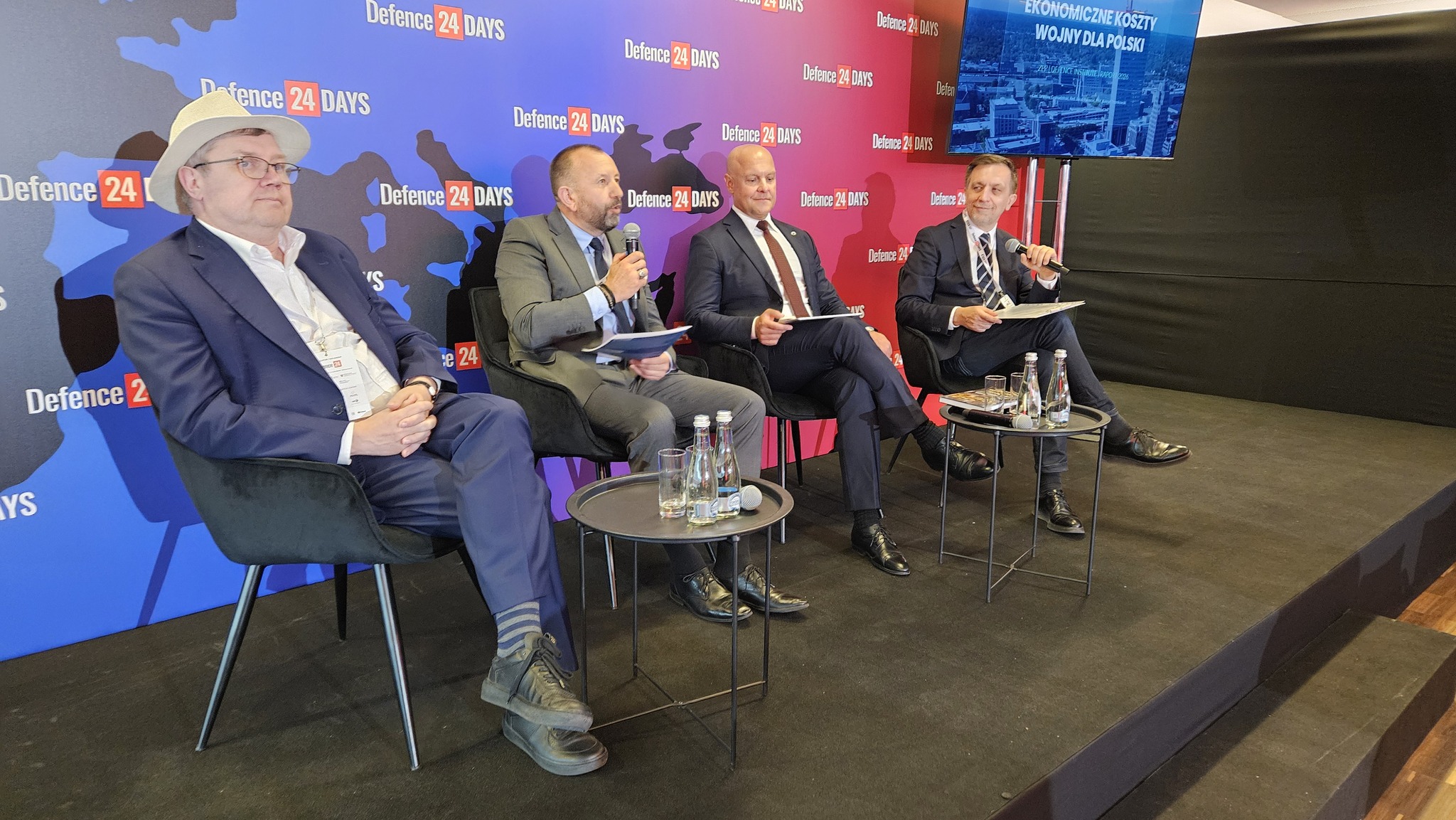
The report “Economic Costs of War for Poland” shows unequivocally that the cost of a state’s lack of preparedness for aggression would be incomparably higher than the cost of consistently strengthening the army, state resilience, and societal awareness. The analysis of three scenarios — from hybrid operations, through kinetic attack, to physical occupation of Polish territory — illustrates the scale of potential losses: economic, social, infrastructural, and strategic.
Defence24 has long emphasized that security is not an expense, but an investment in the survival and stability of the state. Our role is to build situational and strategic awareness among Poles and consistently support the debate on increasing defense spending, modernizing the Armed Forces, and preparing society for crisis.
"A strong army, a resilient state, and aware citizens cost far less than war, destruction, and long-term reconstruction after aggression. Therefore, such reports are not only an important expert voice, but also a warning and a call for responsible decisions today," said Piotr Małecki, president of the Defence24 media group.
The researchers noted that the report is based, among other things, on the experience of Russia’s war against Ukraine.