

By Viktor Yahun
As of May 28, 2026, Ukraine is entering another phase of the war of attrition, in which key factors are not only the situation directly on the battlefield, but also the state of air defense, ammunition supplies, strikes on Russia’s energy infrastructure, the resilience of allies, and the pace of European integration.
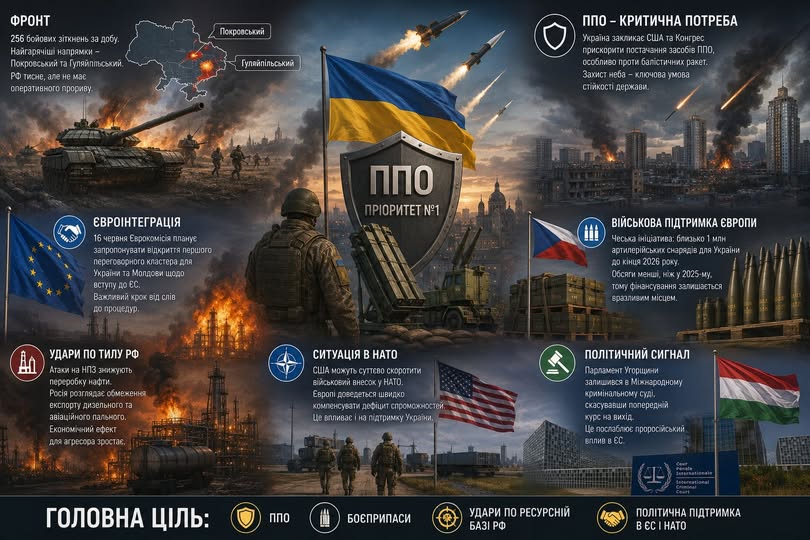
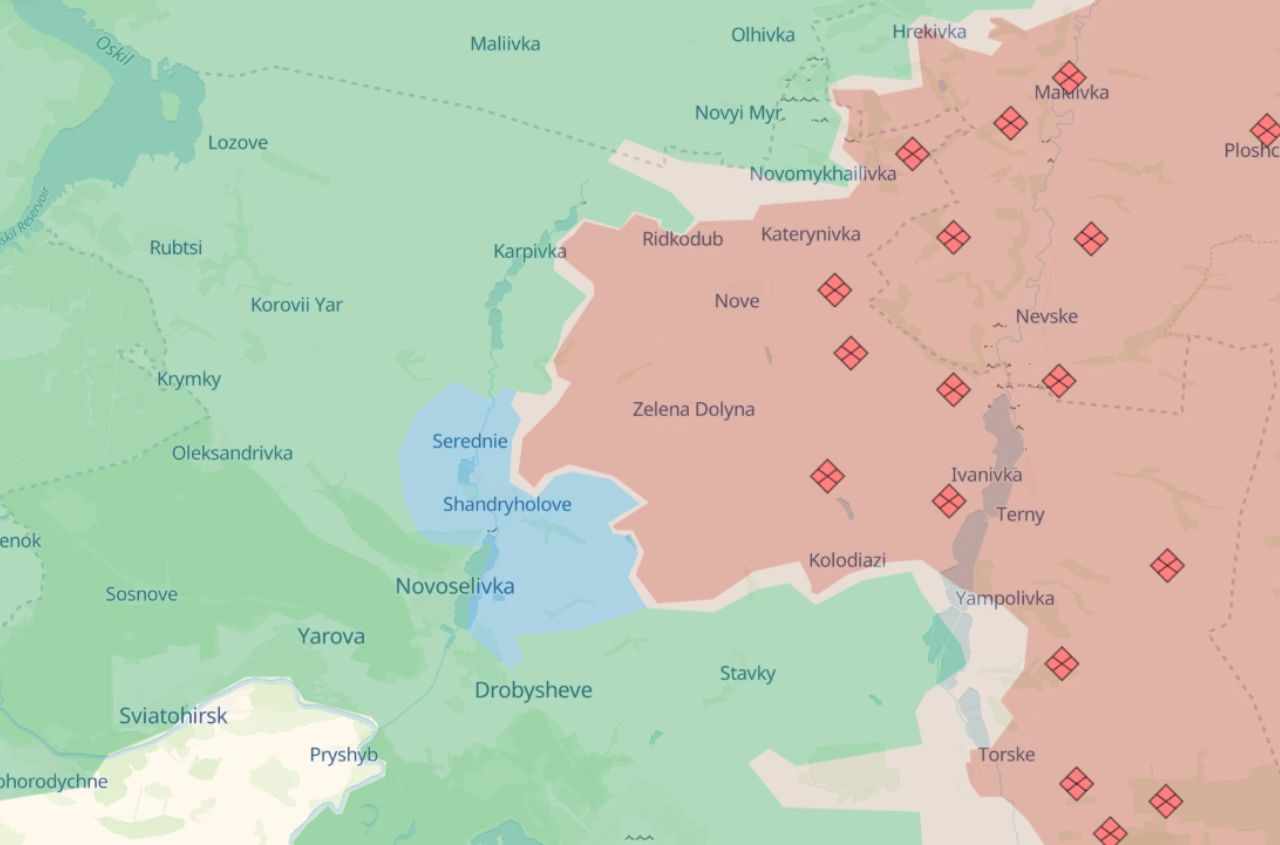
On the front line, Russia continues to maintain a very high intensity of combat operations: 256 combat clashes were recorded in just one day. The heaviest pressure remains in the Pokrovsk and Huliaipole directions. This indicates that Moscow has not abandoned its strategy of constant exhausting pressure, although at present it is not demonstrating the capability for a large-scale operational breakthrough.
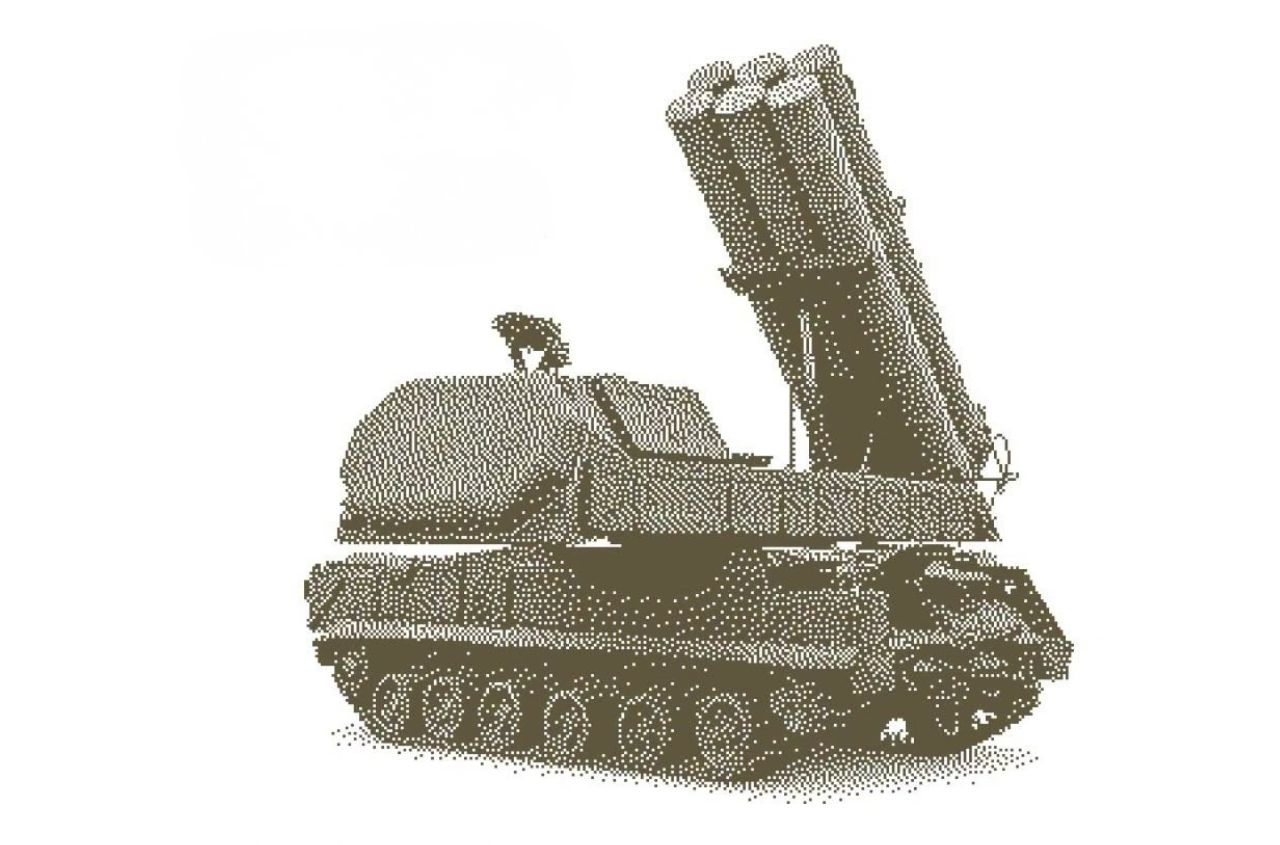
Air defense remains the key problem for Ukraine. Following another wave of massive strikes, President Volodymyr Zelenskyy specifically appealed to Donald Trump and the U.S. Congress to accelerate deliveries of air defense systems, especially for countering ballistic missiles. This means that effective air defense is becoming a central condition not only for protecting Ukrainian cities, but also for the country’s overall strategic resilience.
On the international front, positive signals also remain. The European Commission plans on June 16 to propose opening the first negotiation cluster regarding the accession of Ukraine and Moldova to the EU. This is an important stage because it moves the European integration process from the level of political declarations into a practical procedural framework.
European military support continues, although the pace and scale of assistance remain critical issues. Under the Czech initiative, Ukraine is expected to receive about one million artillery shells by the end of 2026. At the same time, these volumes are smaller than in 2025, meaning that stable financing and long-term deliveries remain vulnerable points in Western support.
Another important trend is strikes on Russian oil refining facilities. Russia is already considering limiting exports of diesel and aviation fuel due to reduced refining volumes after attacks on oil refineries. This indicates that Ukrainian pressure on Russia’s energy rear is beginning to create not only an informational or symbolic effect, but is gradually affecting the economic foundation of the Russian war machine.
At the same time, the security situation in Europe is becoming more complicated. Reports about a possible reduction of the American military contribution to NATO are intensifying discussions about the readiness of European states to quickly compensate for a potential deficit in U.S. capabilities. This directly affects Ukraine as well, since the resources of the United States and NATO remain closely interconnected.
A positive political signal was the decision of the Hungarian parliament to remain a participant in the International Criminal Court after abandoning the previous course of Prime Minister Viktor Orbán toward withdrawing from the institution. This partially weakens one of the channels of political accommodation toward Moscow within the EU.
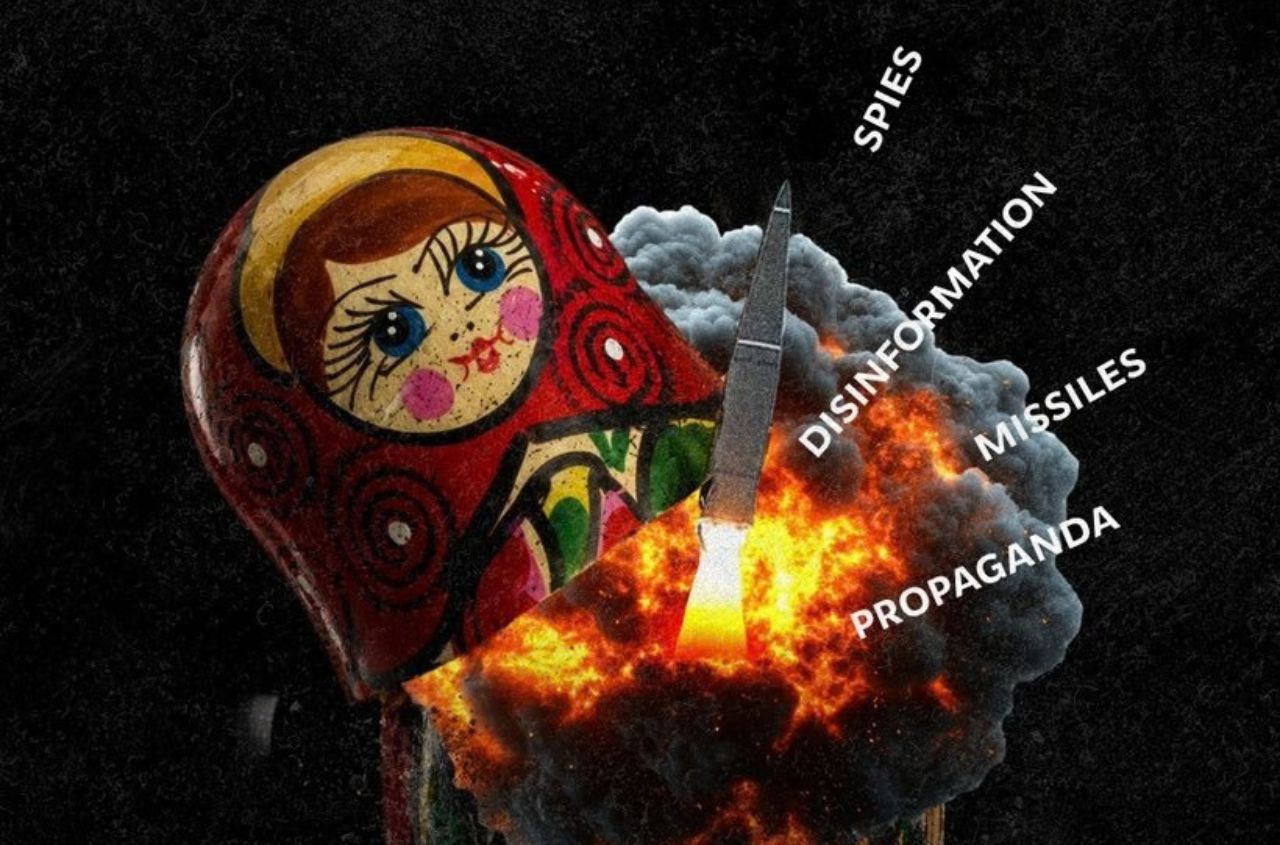
The overall picture indicates that Russia is currently unable to quickly change the battlefield situation in its favor, and is therefore increasingly relying on aerial terror, information pressure, and the exhaustion of the resources and political will of Ukraine’s allies. For Ukraine, the immediate strategic priorities remain strengthening air defense, ensuring stable ammunition supplies, continuing strikes on Russia’s resource base, and consolidating political support from the EU and NATO.