

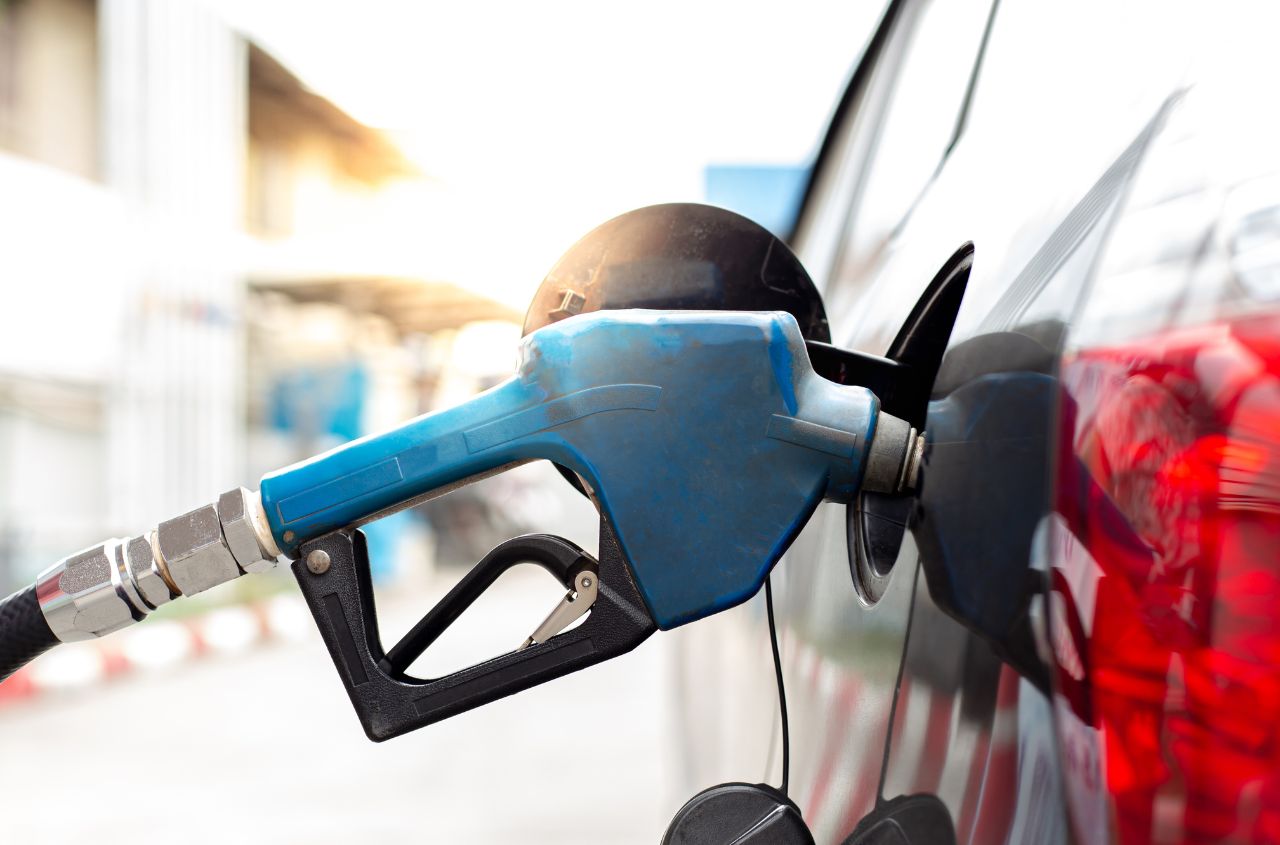
Kazakhstan’s leading oil refineries have declined government quotas to export AI-92 petrol to Russia, choosing instead to direct production to the domestic market. The Pavlodar Petrochemical Plant received permission from Kazakhstan’s Energy Ministry in July to supply 17,500 tonnes of fuel to Russia, while the Atyrau refinery received a similar quota in August. Neither company took advantage of the opportunity.
The formal explanation is unfavourable commercial conditions. The reality is more complex and demonstrates just how fragile the economic dimension of Kazakhstan’s alliance with the Kremlin has become.
The main risk for Kazakh businesses is secondary sanctions. Any expansion of cooperation with Russian companies could complicate access to Western financing, insurance and logistics, while also potentially jeopardising Kazakhstan’s oil exports to Europe. There is also the practical problem of payments: restrictions imposed on Russia’s banking sector turn virtually any payment from Moscow into a potential source of delays and financial losses.
Domestic fuel demand also leaves Kazakh refiners little room for export experiments. Summer traditionally brings higher petrol consumption in the country, while the situation has been further exacerbated by a sharp decline in Russian petroleum product supplies to Central Asia and Afghanistan — petrol deliveries fell by 34%, while aviation fuel supplies dropped by 90%.
There is also a straightforward economic consideration: the profitability of exporting petrol to Russia remains low, while the quotas allocated by the Kazakh authorities, even if used in full, would not be sufficient to cover the fuel shortage Russia is facing.
Ultimately, the Kremlin received a political gesture from Astana rather than actual supplies. Permission to export remains a symbol of willingness to cooperate, while businesses themselves are effectively voting against such deliveries because of sanctions risks and their own profitability calculations.
It is another example of how Moscow’s formal allies across the post-Soviet space demonstrate loyalty in words while avoiding actions that could damage their own economic interests.