


It is interesting to look at the “Belarusian globe” or the “Ukrainian globe” when analysing events and journalists’ questions.
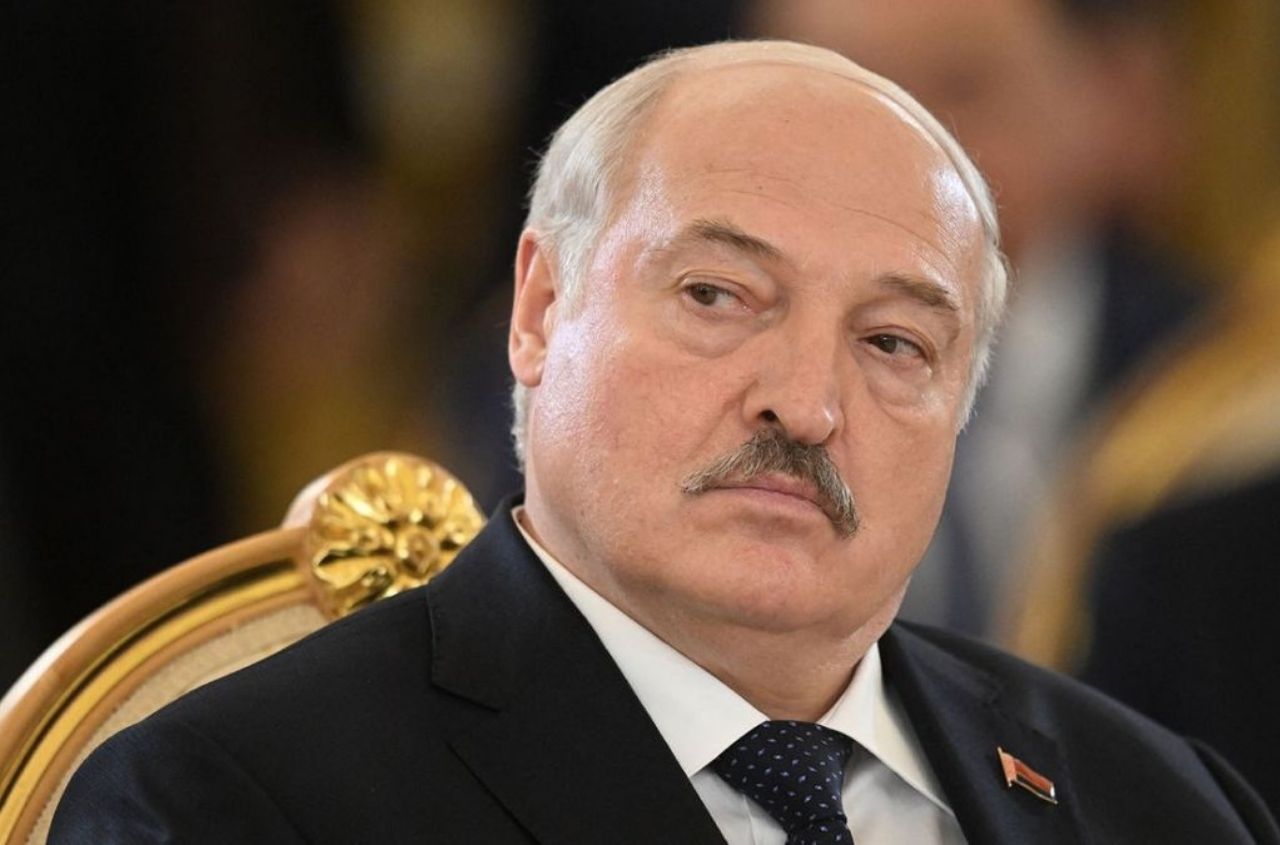
Putin summoned Lukashenko. Naturally, one of the topics is Ukraine. This could be connected with Ratcliffe’s visit. But such summons often take place ahead of major events. So what major event is approaching?
And this is where people seem to draw a blank.
It is the 25th BRICS Summit, which will also bring together BRICS+ countries. Turkey, the UAE, Saudi Arabia, possibly Indonesia, Qatar, Iran and Pakistan. In total, there is talk of around 20 delegations being represented at the level of heads of state.
Look at the list of participants again.
Could they discuss the Persian Gulf, for example? Could they, among other things, discuss Iran’s nuclear materials? I mean transferring them to a third country — something the United States is interested in.
Could they discuss the food market? Grain in particular — corn, barley and wheat — as well as vegetable oils?
And this brings us to another interesting issue.
The 24th BRICS Summit laid the groundwork for the gradual erosion of Russian instruments of influence across the post-Soviet space. I am referring to the CSTO and the SCO Regional Anti-Terrorist Structure, as well as the policy concerning the EAEU set out in the Tianjin Declaration.
In terms of the balance of votes, the SCO has long ceased to be a pro-Russian organisation. Russia can hardly rely on anyone there with complete confidence, particularly given that the organisation’s centre of gravity has shifted towards China.
Now consider the situation.
On the one hand, there will be a major part of the agenda devoted to security and the development of the SCO Regional Anti-Terrorist Structure. There will also be several separate issues concerning the economy and technical cooperation. Moscow wants to try to “preserve what is its own.” It needs votes for Kremlin initiatives.
Then there is the grain issue — and that is also directly connected with the Russian-Ukrainian war. SCO+ countries account for more than half of Ukrainian exports. They are not happy about Odessa being brought to a standstill. Once again, Russia needs “friendly” votes.
Now that you have read all this, ask yourself the question again: was Ukraine really the only reason Putin summoned Lukashenko?