

By Vladislav Inozemtsev for Kremlyovsky Bezbashennik
The hot summer of 2026 is over. A cool autumn has arrived. Yet anxiety in Russian society has not gone away. And today it is being fuelled not so much by queues for petrol, delays in deliveries from Wildberries and Ozon, or even the prospect of airport shutdowns, as by the possibility of an escalation of the war and mass mobilisation. No one — or almost no one — believes the authorities’ claims that mobilisation is unnecessary: losses at the front remain high, while the shortage of volunteers is not being discussed only because the “elections” are approaching.
At the same time, I would once again hesitate to describe mobilisation as inevitable. Yes, the appeal of paid military service is declining — there are simply too many deterrents now, from expanding cemeteries to the narrowing gap between the pay of someone risking death at the front and that of an ordinary worker in the “rear.” The authorities are clearly testing society’s tolerance by carrying out quasi-mobilisation measures in many regions. Yet none of these attempts has developed into anything on a mass scale, while official denials have led to crowds gathering at the Georgian border.
The social and economic consequences of mobilisation appear too serious, while the benefits of sending another tens of thousands of untrained soldiers into a “kill zone” constantly exposed to drone attacks are far from obvious.
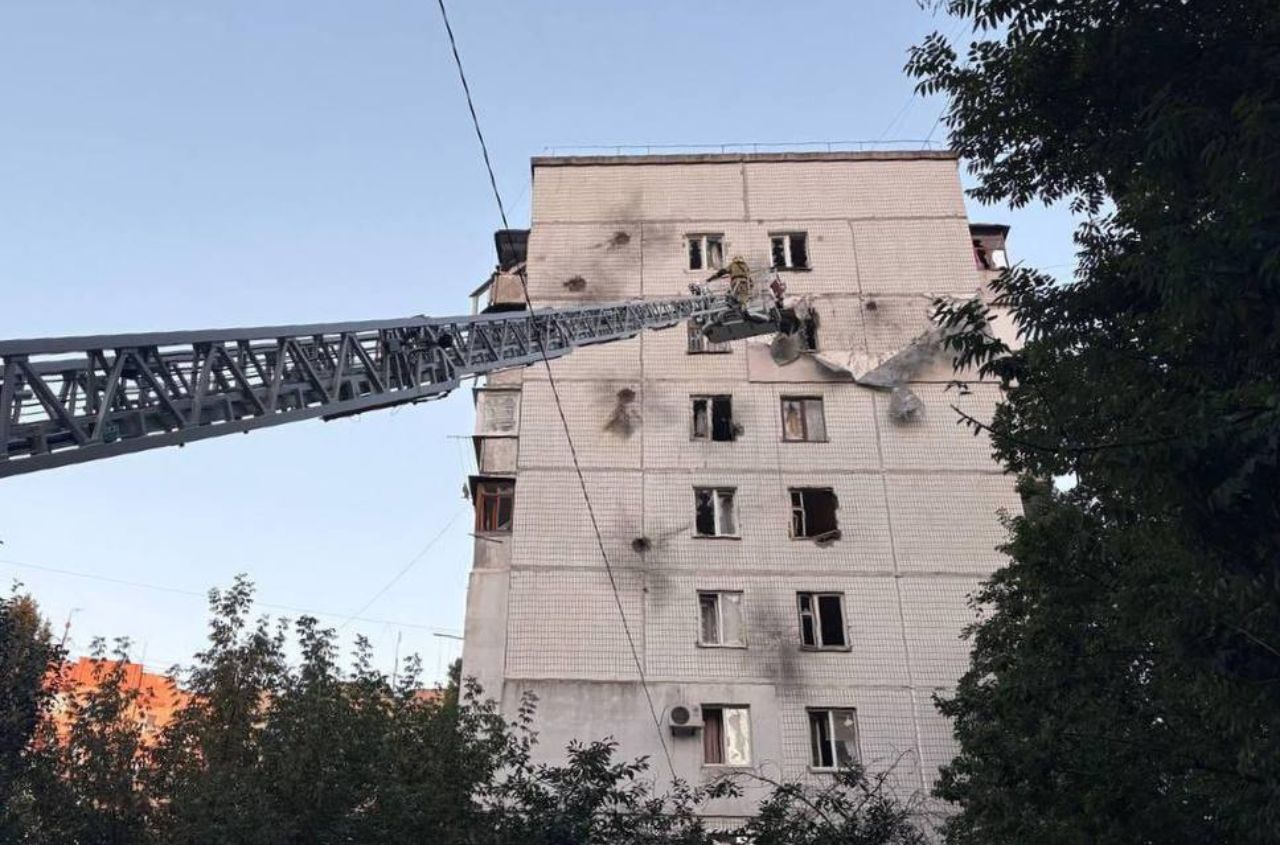
That is why I believe the Kremlin will raise the stakes in the “remote” war in the near future, significantly intensifying attacks on Ukrainian cities, knocking out energy facilities and infrastructure, and systematically destroying logistics.
Moscow is not yet facing insurmountable financial problems: oil prices remain high, the Finance Ministry has resumed large-scale borrowing that effectively conceals monetary expansion, and the beneficial devaluation of the rouble is gaining momentum.
Persistent leaks from diplomatic sources suggest that various intermediaries are looking for ways to organise a new round of negotiations, while delays in arms deliveries to Kyiv only underscore the pressure under which it is being forced to operate. Reports that briefly surfaced about a possible meeting between Trump, Putin and Xi in Shenzhen in November may also indicate that the situation is far from settled.
We will, of course, continue to follow developments. But for now, I would bet that there will be no mobilisation on the scale of 2022 this year.
That does not mean that the Kremlin can continue operating in its current mode indefinitely. But for now, such a radical change of course does not appear to be something it is fully prepared to undertake.