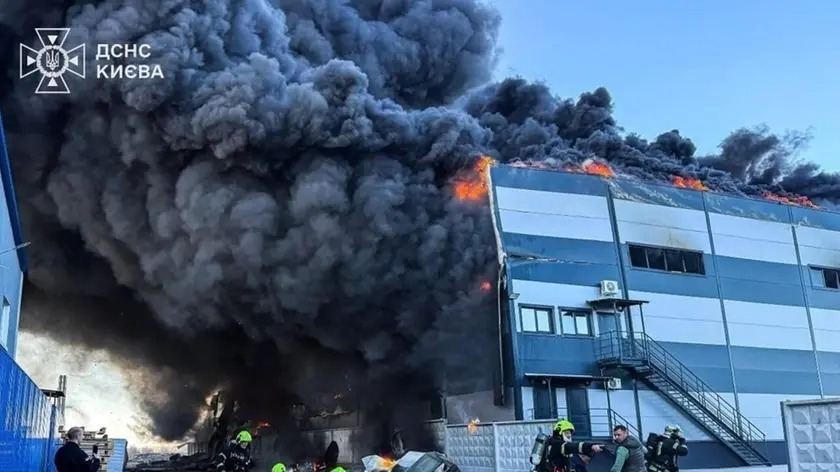


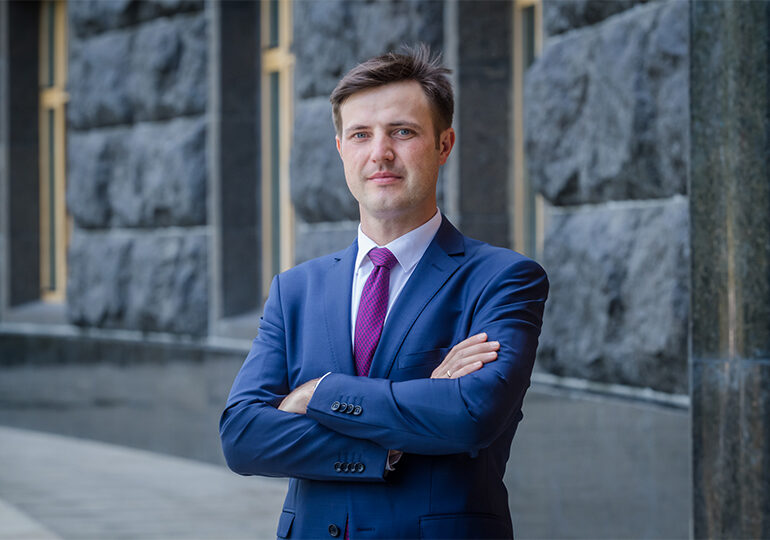
Russian attacks have destroyed around 90% of Ukraine’s modern goods storage facilities, Agriculture and Food Minister Taras Vysotskyi said at a briefing on Friday.
“About 90% has already been destroyed. However, this does not mean that Ukrainians will be left without food. There is no threat of hunger,” Vysotskyi stressed.
At the same time, he noted that attacks on logistics infrastructure could affect the range of products available in stores.
Vysotskyi said that the continued destruction of warehouse infrastructure is forcing retailers to change their logistics. According to him, the most realistic alternative at present is direct delivery of goods from trucks, although this type of logistics is more complicated and expensive.
Some businesses are currently relocating their facilities, but Russian attacks have already been recorded against relocated sites as well.
The minister also called for a balanced distribution of risks among participants in the supply chain when products are destroyed as a result of Russian attacks. At the same time, he stressed that the state is not a party to these commercial and contractual relationships.
“In terms of the supply and sale of products, there is currently no state operator anywhere in this chain. These are exclusively commercial and contractual relationships between businesses. From our perspective, a balanced distribution of risks would be fair,” Vysotskyi said.
He explained that a mechanism for compensating losses from destroyed goods does not necessarily have to divide losses on a 50-50 basis, since different products have different margins, sales conditions and profitability.
“It would be fair to establish a risk-sharing arrangement for goods depending on the final economic outcome. The risk cannot be borne 100% by one side. But the arrangement should be individual, depending on the type of product and the terms of cooperation,” Vysotskyi concluded.