


Companies from Russia’s border regions have begun actively re-registering and relocating their operations “across the river” to China. The main reasons are high fiscal pressure, labour shortages and the unpredictability of Russia’s domestic and foreign policy.
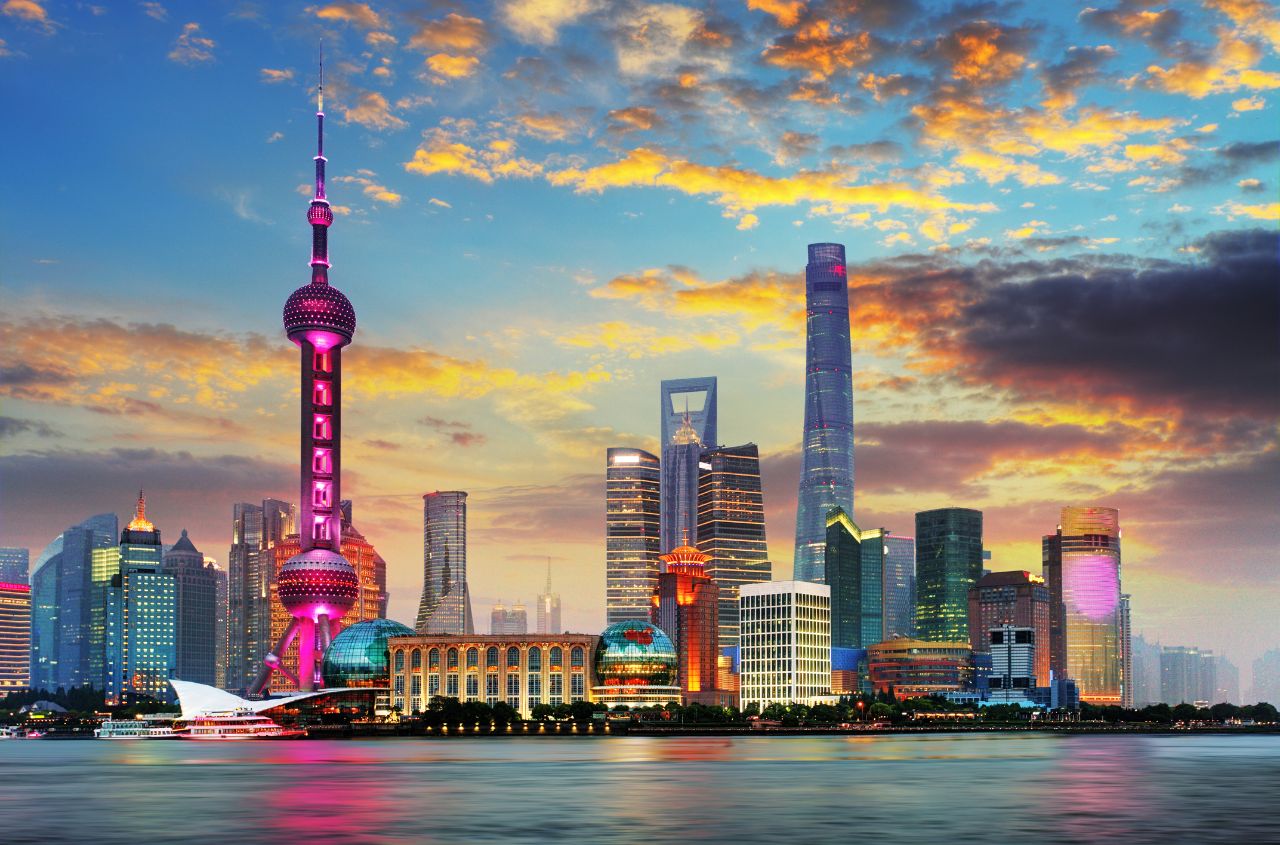
More than 3,800 organisations with Russian participation or roots are currently operating in China. These are mainly importers, manufacturers of electronics, equipment and consumer goods, as well as companies in the light industry sector.
Unlike in Russia, where VAT stands at 22%, China applies a 13% VAT rate to most goods and services, while the rate for small businesses can be as low as 3%. This is supplemented by favourable Chinese loans at 3% per annum and government grants for capital expenditure.
Even businesses that form part of Russia’s powerful propaganda apparatus have been unable to withstand the burden imposed by their own country. This includes book printing and the printing industry more broadly.
As a result of sanctions pressure, Russian printing companies face shortages of inks, varnishes and specialised components, as well as modern equipment and spare parts. China, meanwhile, offers all of these in abundance. In other words, high-tech orders for modern printing services are increasingly moving to China, while Russia continues along the path towards becoming a raw-material appendage.
Between January and July 2026, the volume of printing activity in Russia stood at only 92.8% of the level recorded during the same period last year, while production of paper and paper products also fell by 8%.
Prosveshcheniye, the largest player in Russia’s publishing market, has already reduced its orders from domestic printing companies by 25–30% this year. As a result of these developments, staffing levels in Russia’s printing industry have fallen by approximately 30% this year.
These trends indicate a weakening of the Russian economy and a decline in its attractiveness to its own businesses. If the trend continues, an increasing number of Russian companies may seek more favourable conditions outside the country, further deepening Russia’s economic dependence on China and contributing to the continued erosion of its domestic manufacturing capacity.