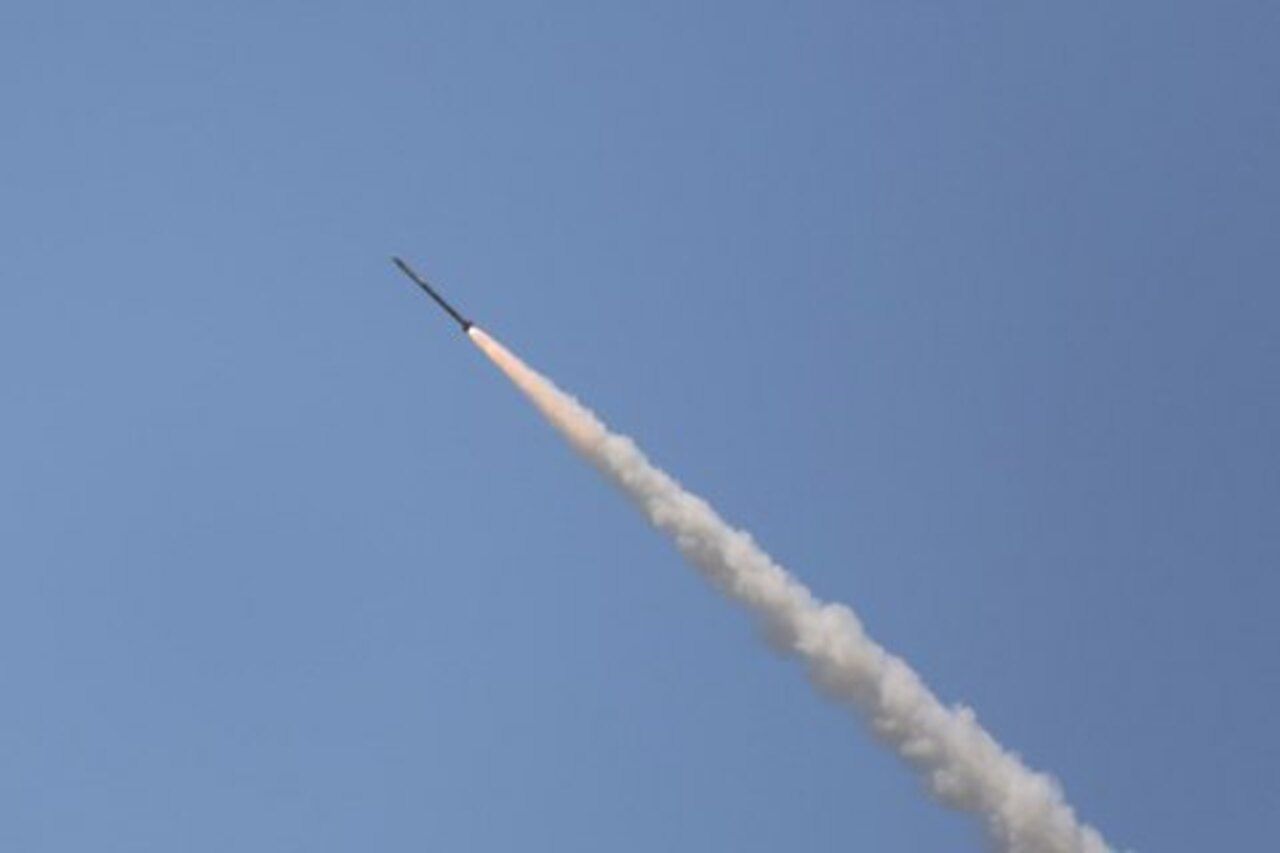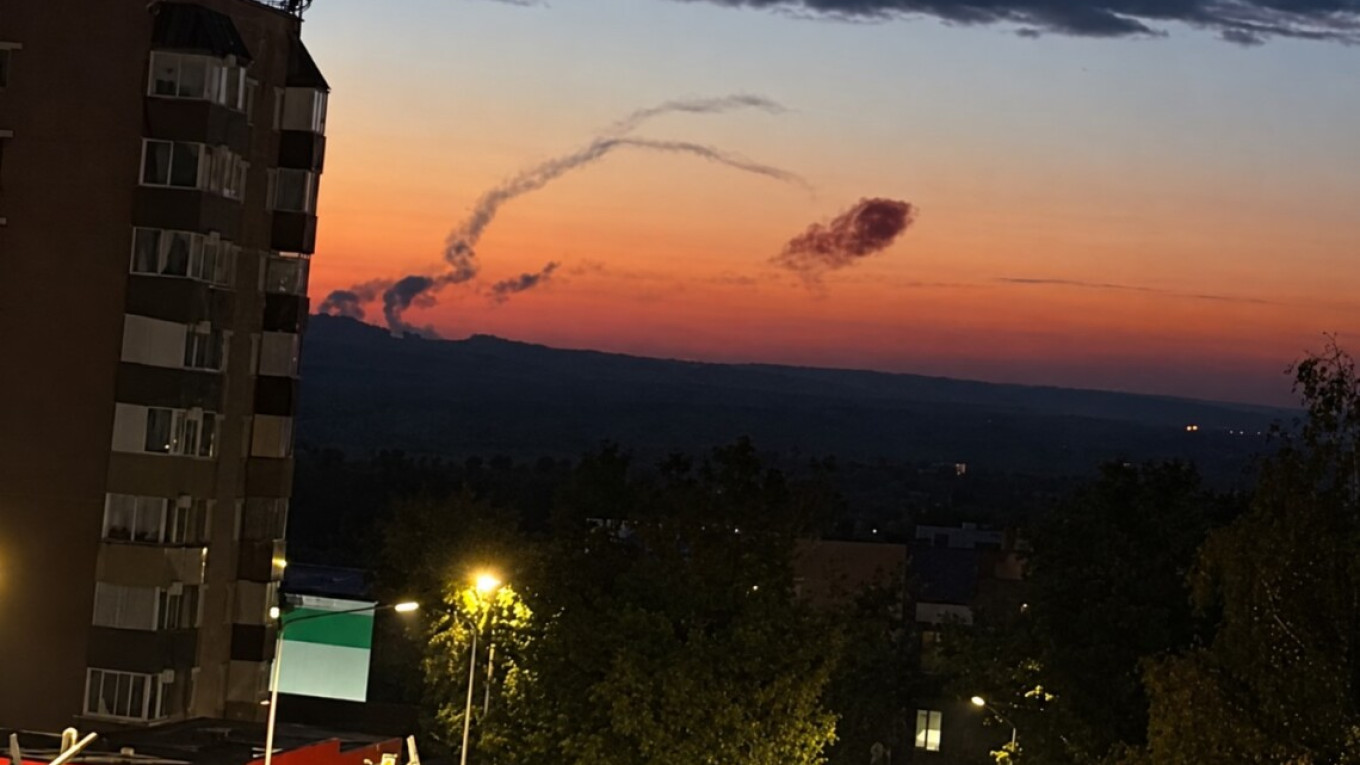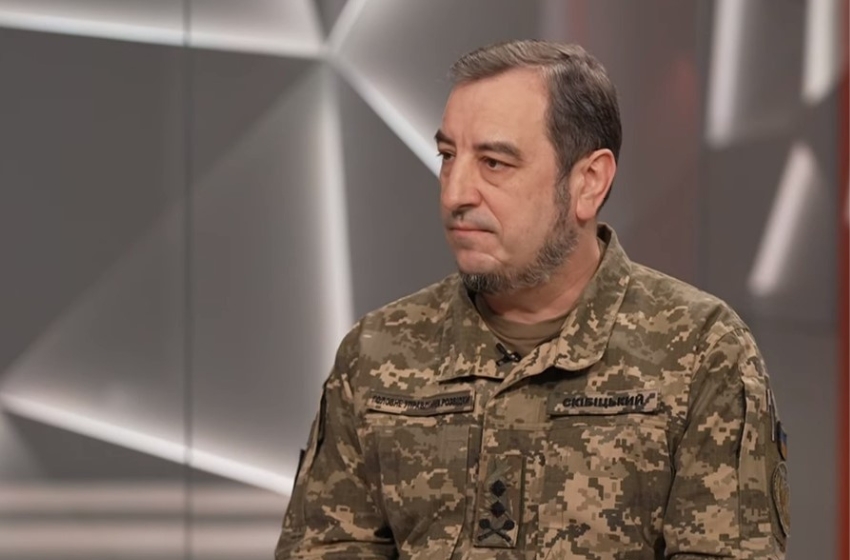


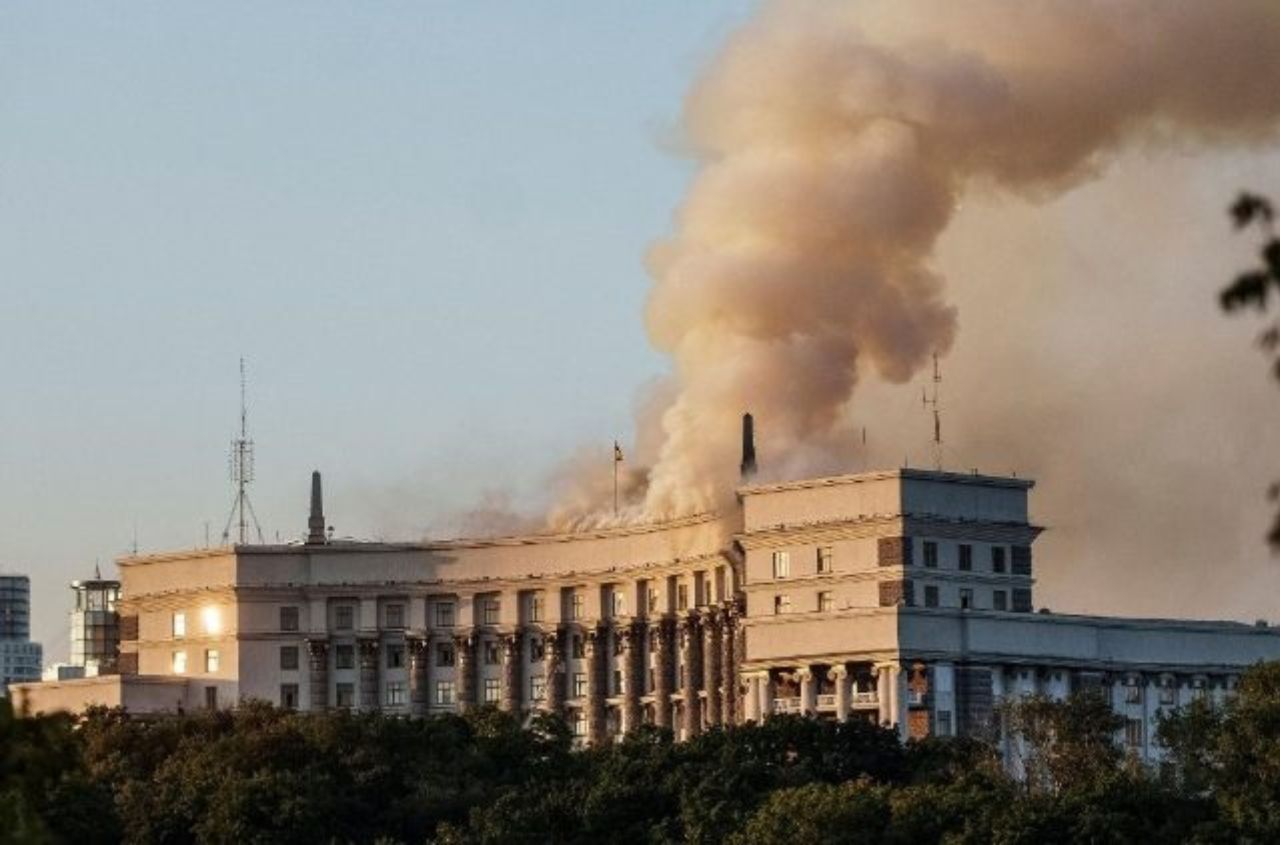

Vadym Skibitskyi, Deputy Chief of the Defence Intelligence of the Ministry of Defence of Ukraine, said that Kyiv and the Kyiv region are currently the primary targets of Russian air attacks and that destroying Russian ballistic missile launchers is an effective way to counter the threat.
“In September — this month — according to Russia’s plans, its defence industry is expected to produce at least 100 ballistic missiles, including missiles for Iskander systems and missiles for S-400 systems. When it comes to ballistic missiles, our response is first and foremost interceptor missiles. We clearly understand the situation with interceptors, including existing stocks and supply capabilities,” Skibitskyi said during the annual Yalta European Strategy (YES) meeting in Kyiv, organised by the Victor Pinchuk Foundation.
Skibitskyi stressed that Ukraine knows exactly how many interceptors its partners are capable of providing.
The second step in countering the aerial threat is to destroy and disrupt the production of such missiles inside Russia, Defence Intelligence said. Skibitskyi stressed that Ukraine knows all the enterprises, factories and companies in Russia involved in ballistic missile production.
Another crucial element, he said, is targeting the launchers themselves.
“Today, the primary target of the Russian Federation is Kyiv and the Kyiv region. On some days, between 17 and 19 ballistic missile launchers deployed in Russia’s Kursk, Voronezh and other regions are involved in attacks on Kyiv. Therefore, our response is the actual destruction of launch positions and sites in these regions,” the Defence Intelligence deputy chief said.
Defence Intelligence identified international sanctions as a fourth important element in countering the threat.
“Believe me, sanctions really do work — particularly those affecting navigation systems. This also concerns electronic components from many countries, not only China. Supplies come from numerous countries around the world, and strengthening sanctions will make it possible to prevent these critical components from reaching Russian industry and Russian territory,” Skibitskyi concluded.