


Ukraine's Defence Intelligence Directorate (DIU) has published information about Russian research institutes and scientists involved in supporting Russia's military-industrial complex.
Information on 10 institutions and 13 engineers and scientists has been published on the War&Sanctions portal in its Engineers of Aggression section.
The newly released data includes Russian higher education institutions that train personnel for the country's defence industry, maintain cooperation agreements with weapons manufacturers, train drone operators for Russian military units, and conduct research and development in military and dual-use technologies.
Among the institutions identified are:
- Skoltech, which develops anti-icing coatings for unmanned aerial vehicles and technologies for manufacturing turbine blades for aircraft engines.
- Moscow Institute of Physics and Technology, where computer vision systems are being developed in partnership with the High Precision Systems holding company, part of Russia's state-owned Rostec corporation.
- I. N. Ulyanov Chuvash State University, which trains engineering and technical personnel for VNIIR-Progress, a manufacturer of Kometa anti-jamming navigation modules used in Russian missiles and drones. The university also conducts joint research and innovation projects with the company.
Researchers from most of these institutions have already appeared in previous DIU publications, partly because of their continued cooperation with the international scientific community.
The latest update adds another 13 engineers and scientists involved in developing technologies such as onboard control systems for military aircraft, machine vision, robotic systems and turbojet engines.
Some of these researchers continue to publish papers in international scientific journals alongside colleagues from other countries and maintain membership in international organisations and committees.
According to Ukrainian intelligence, the results of such international cooperation are subsequently used to advance technologies in Russia, with the country's defence industry serving as their primary consumer during the war.
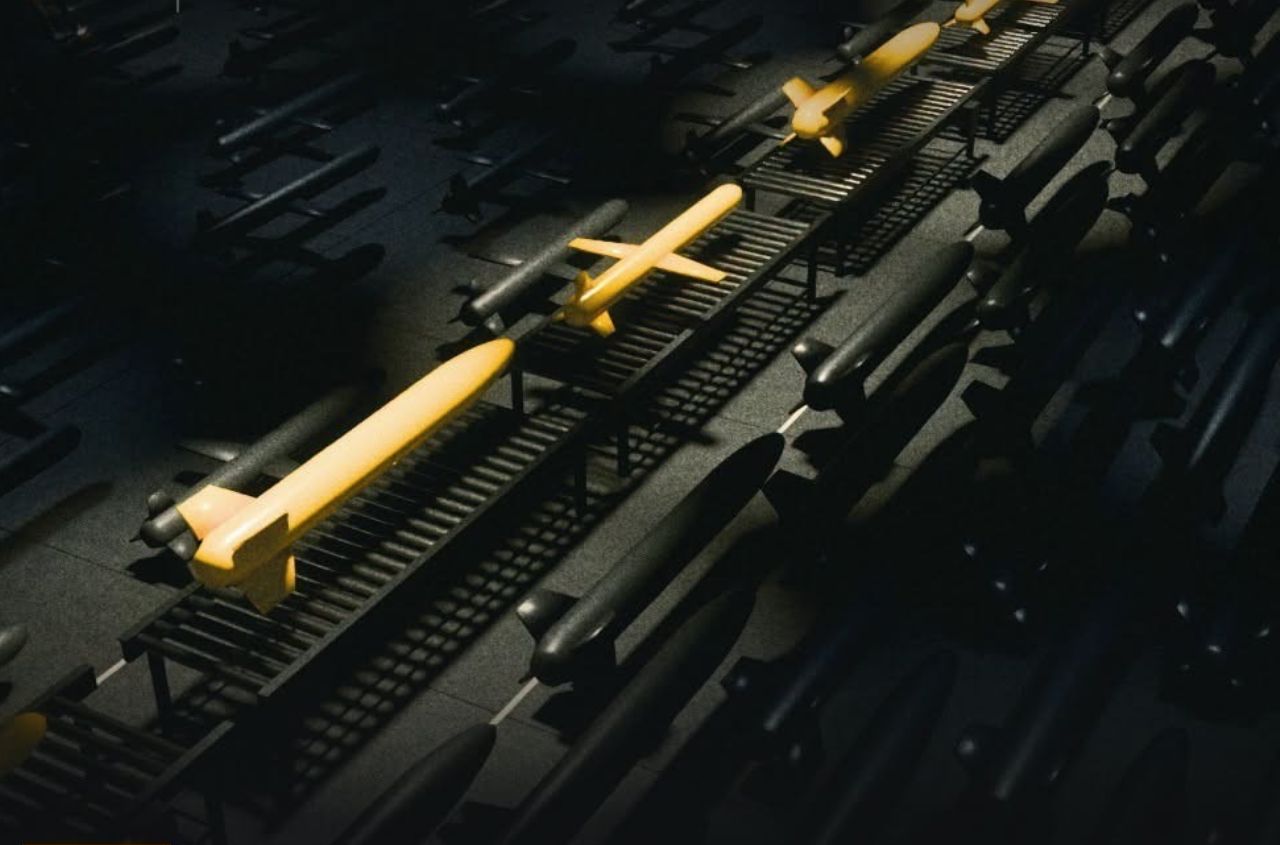
These technologies include machine vision systems for attack drones, propellers for military aircraft and integrated circuits for the onboard systems of cruise missiles.
The DIU emphasised that anyone in Russia involved in developing military and dual-use technologies should be considered a legitimate target for sanctions.
The agency also called on the international scientific community to completely end cooperation with Russian scientists and research institutions.