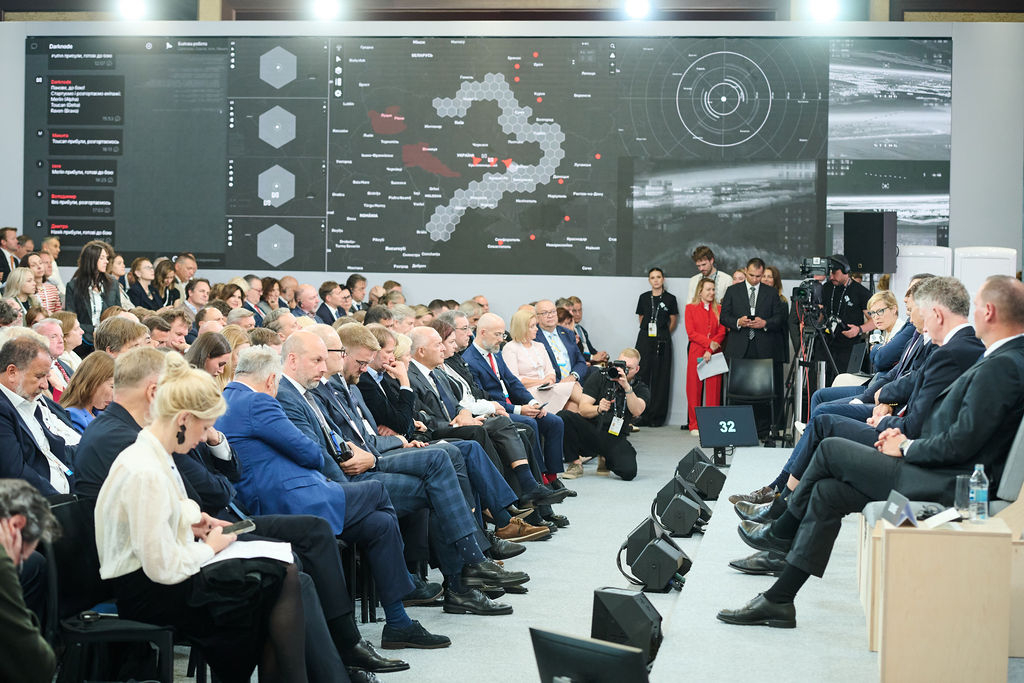


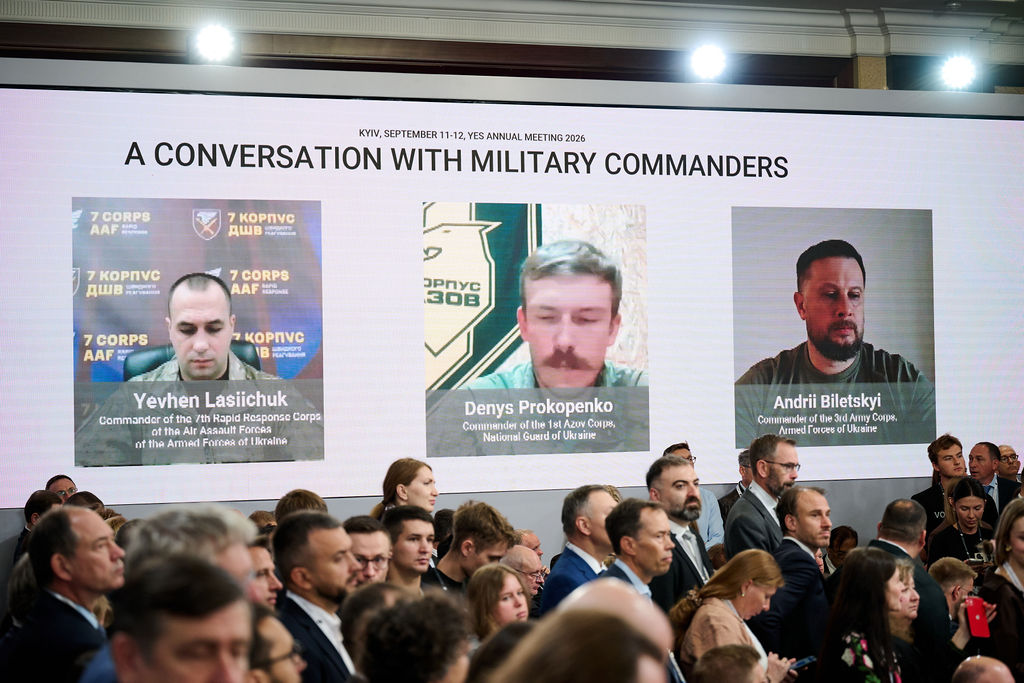
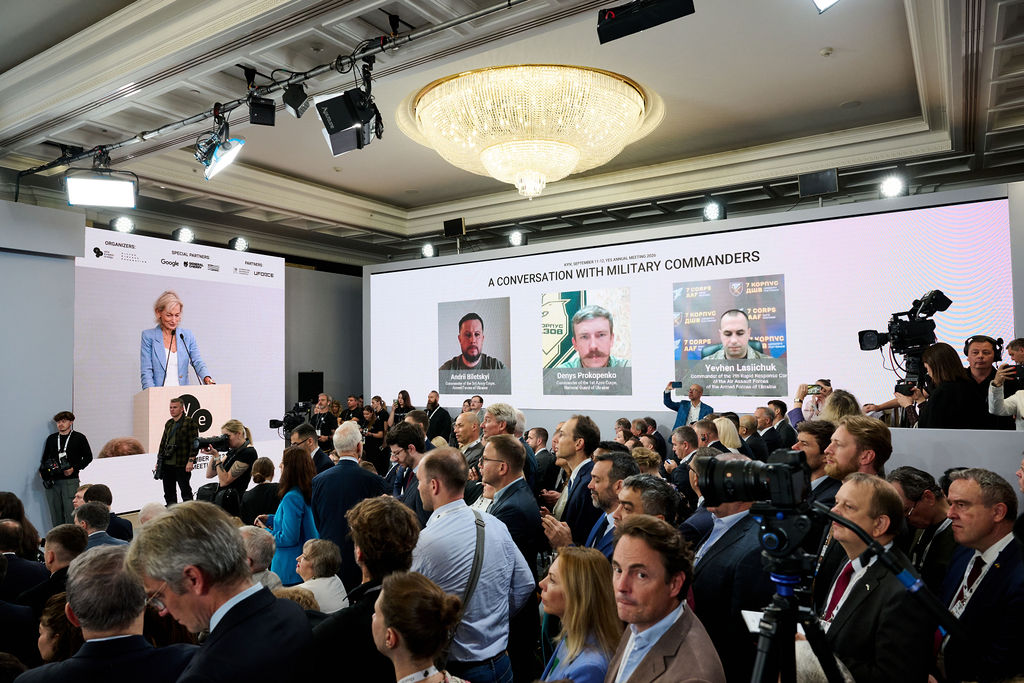
On September 11–12, 2026, Kyiv hosted the 22nd Annual Meeting of the Yalta European Strategy (YES), titled “Peace Through Strength NOW!”. Organised by the Victor Pinchuk Foundation, the conference brought together 700 leading politicians, diplomats, business leaders, members of the Armed Forces of Ukraine, veterans, civil society activists and experts from 28 countries.
During the first panel discussion, participants heard from Andrii Biletskyi, Commander of the 3rd Army Corps; Denys Prokopenko, Commander of the 1st Corps of the National Guard of Ukraine “Azov”; Oleh Apostol, Commander of the Air Assault Forces of the Armed Forces of Ukraine; Ihor Obolenskyi, Commander of the 2nd Corps “Khartiia” of the National Guard of Ukraine; and Yevhen Lasiychuk, Commander of the 7th Rapid Response Corps of the Air Assault Forces of Ukraine.
Speaking directly from the front, the commanders addressed European policymakers responsible for key decisions with a question: “Can Europe help Ukraine obtain what it needs right now? What does the title of the conference — Peace Through Strength NOW! — actually mean in practical terms?”
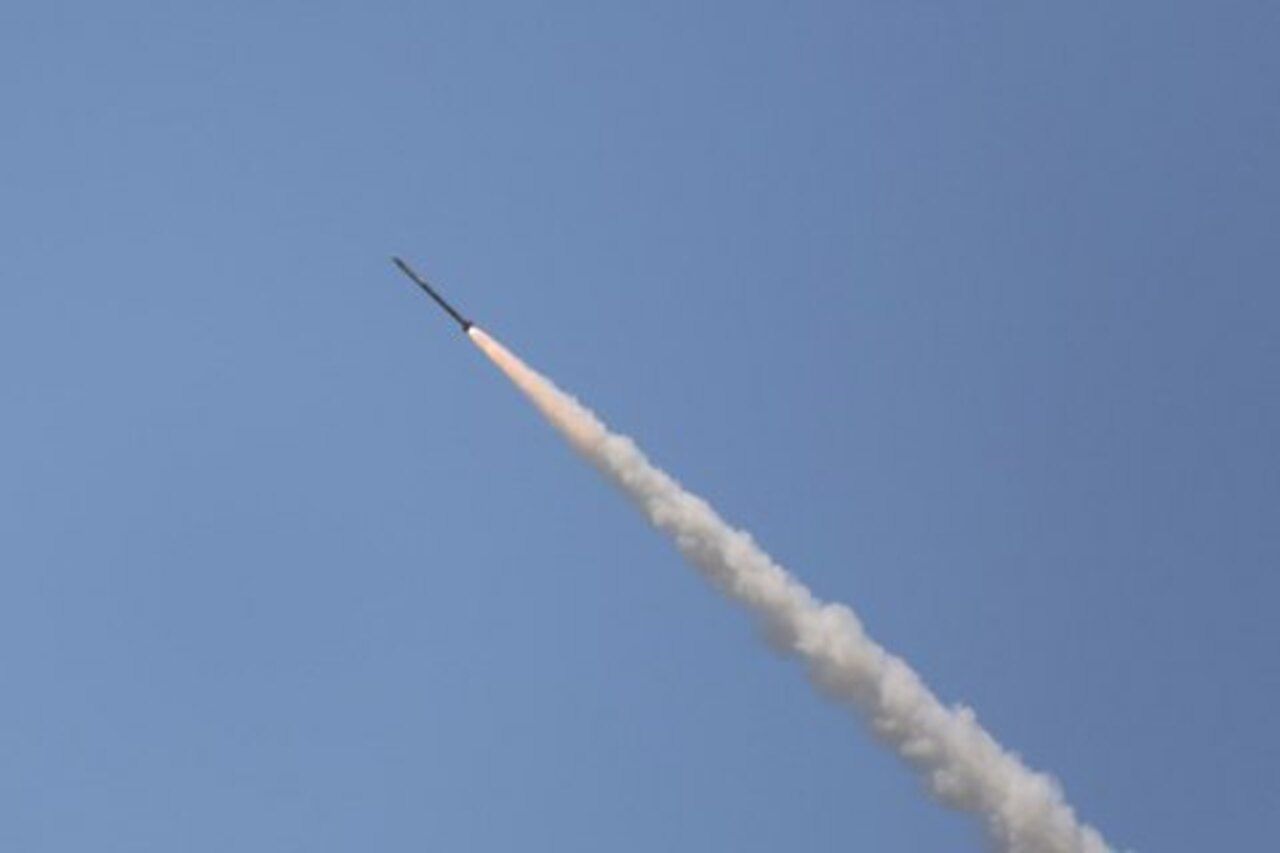
Commander of the 3rd Army Corps of the Armed Forces of Ukraine Andrii Biletskyi said that Ukraine’s ability to get through the winter successfully would depend to a large extent on its ability to protect its airspace effectively against ballistic missiles and strike drones.
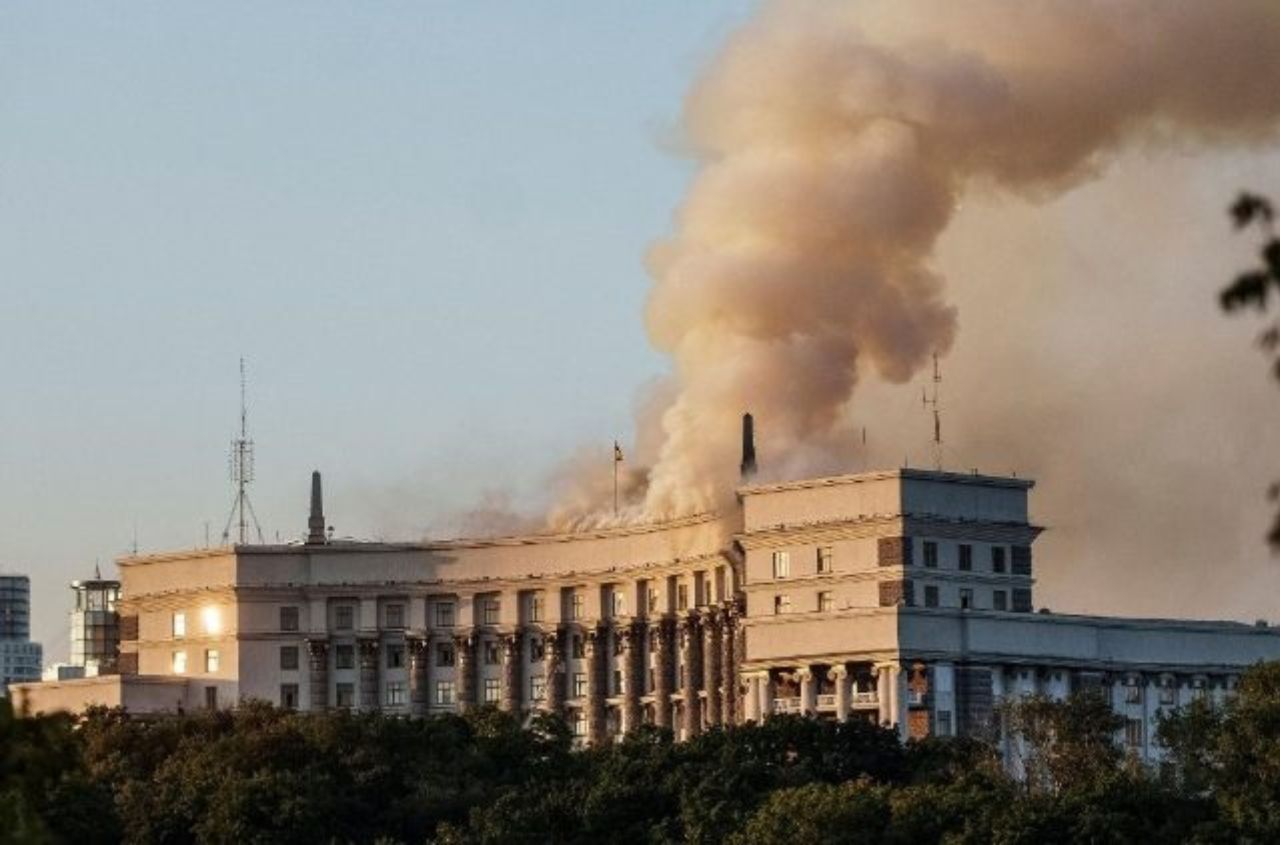
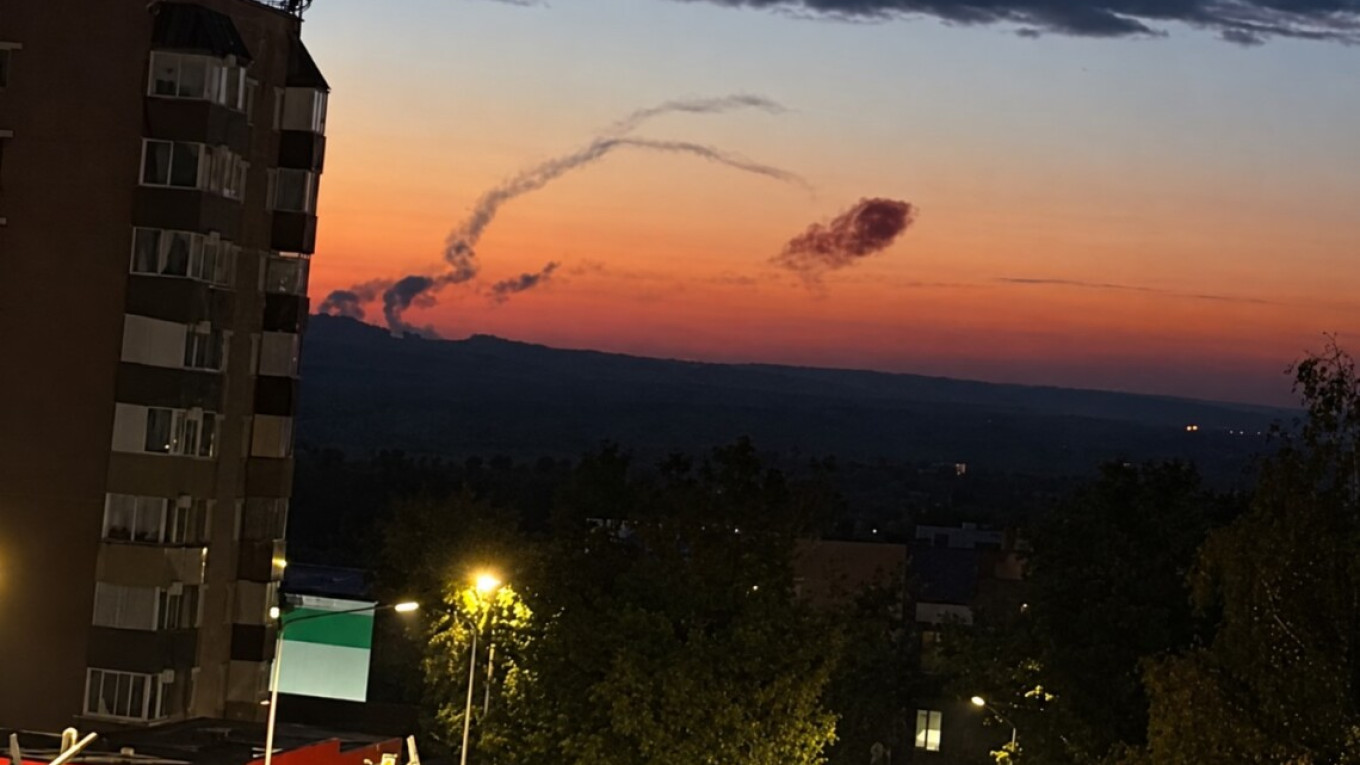
“This will be a very difficult winter. Our victory or defeat here will depend on whether we can protect Ukrainian skies this winter. This task has two components: protecting our skies against the missile threat, particularly ballistic missiles, and protecting them against jet-powered Shaheds and jet-powered drones such as the Shahed-Banderol.”
“If we also manage to overcome these challenges effectively, I think that by April Russia will face an existential question: why and how should it continue the war at all, given that it will have failed to achieve any of its strategic objectives?” Andrii Biletskyi concluded.
Commander of the 1st Corps of the National Guard of Ukraine “Azov” Denys Prokopenko said that in its existential struggle against Russian aggression and terror, Ukraine is defending not only itself but also buying time for the entire civilised world by preventing the war from spreading further across Europe.
“Russia is not fighting only Ukraine; it is fighting the entire civilised world. This is a major challenge for all civilised Western countries. And this is not a war between two armies. It is a war and a campaign of terror against civilians; it is the daily destruction of our energy infrastructure; it is the torture to death of our prisoners of war; it is the forced mobilisation of Ukrainians in the temporarily occupied territories. And, unfortunately, this is what European countries can expect if Ukraine stops resisting. Everyone must clearly understand that Ukraine is currently giving Europe, the United States and the entire civilised world the most valuable resource before the outbreak of a large-scale war — time,” he concluded.
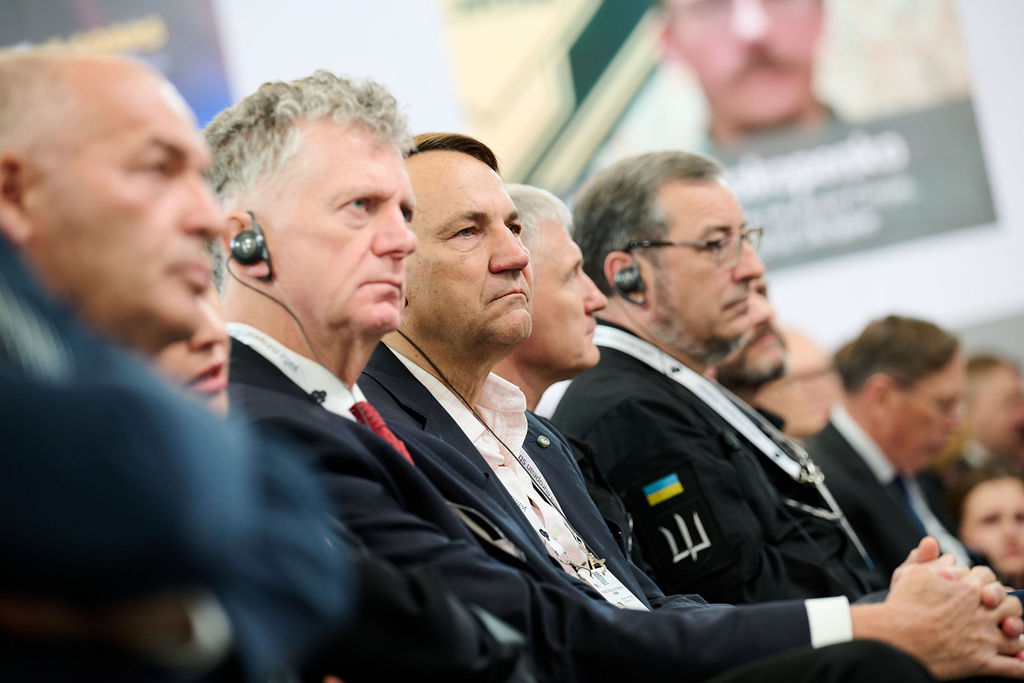
Commander of the 7th Rapid Response Corps of the Air Assault Forces of the Armed Forces of Ukraine Yevhen Lasiychuk said that partially replacing soldiers with robotic systems on the front line could reduce personnel losses. However, achieving this would require critical support from Ukraine’s partners, scaling up successful solutions and introducing the latest technologies directly on the battlefield.
“I believe we are on the threshold of the next technological step: partially replacing people with robots. For us, this means, first of all, fewer people on the line of contact and fewer personnel losses. But to implement this plan, support from our partners in scaling up successful experience and technologies is crucial,” Yevhen Lasiychuk said.
“Ukraine is paying a very high price for the experience that could save the lives of our partners tomorrow. Our task is to turn this experience into a shared advantage,” he concluded.
Oleh Apostol, Commander of the Air Assault Forces of the Armed Forces of Ukraine, argued that Russian aggression represents a long-term threat extending far beyond Ukraine, as the Russian leadership has shown no indication that it would stop even if it hypothetically achieved its objectives in Ukraine.
“Believe me, he [Putin] has nothing to lose. He will go all the way. So he will not stop with Ukraine. He does not care what happens after him. He does not care if China takes half the land. He does not even care about that. Right now, he has set his sights on Ukraine. But we will not be the last. You can see signals that he is considering an attack on the Baltic states. Fine, but would he stop with the Baltic states? No, he would not.”
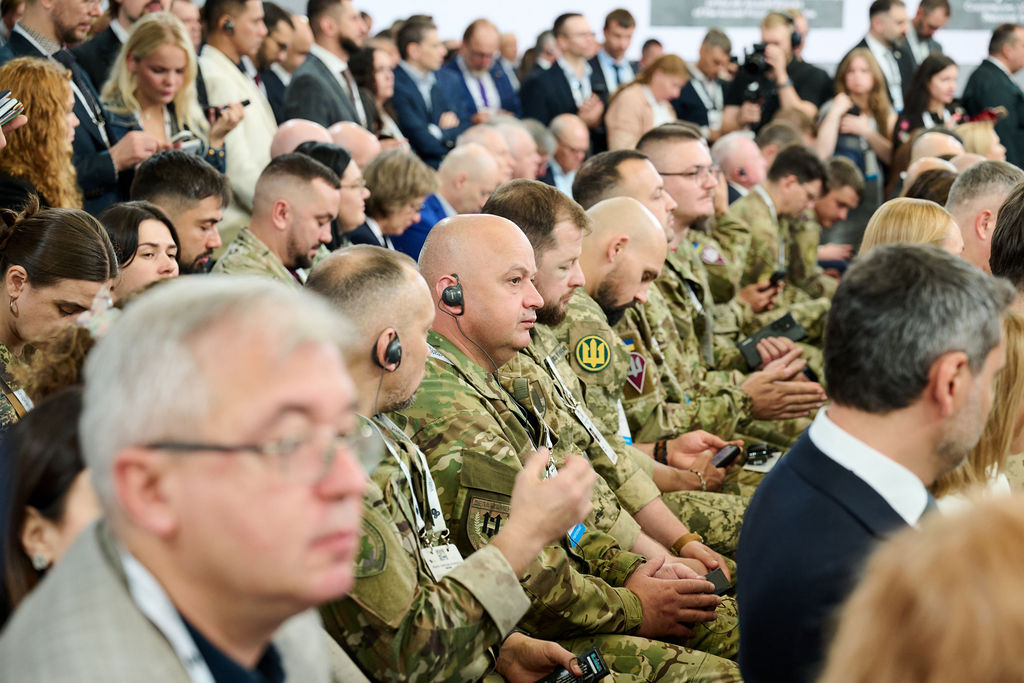
Commander of the 2nd Corps “Khartiia” of the National Guard of Ukraine Ihor Obolenskyi said that it is Ukraine and the Ukrainian people who have been containing Russian aggression in recent years and preventing it from spreading further into EU and NATO countries.
“Is the war itself stopping Russia from attacking the West? No. I want all of you to understand that it is not the war that is holding Russia back — it is Ukraine and the Ukrainian people. It took 12 years to go from ‘let’s not admit Ukraine to NATO’ to ‘thank God Ukraine is there’,” he said.