

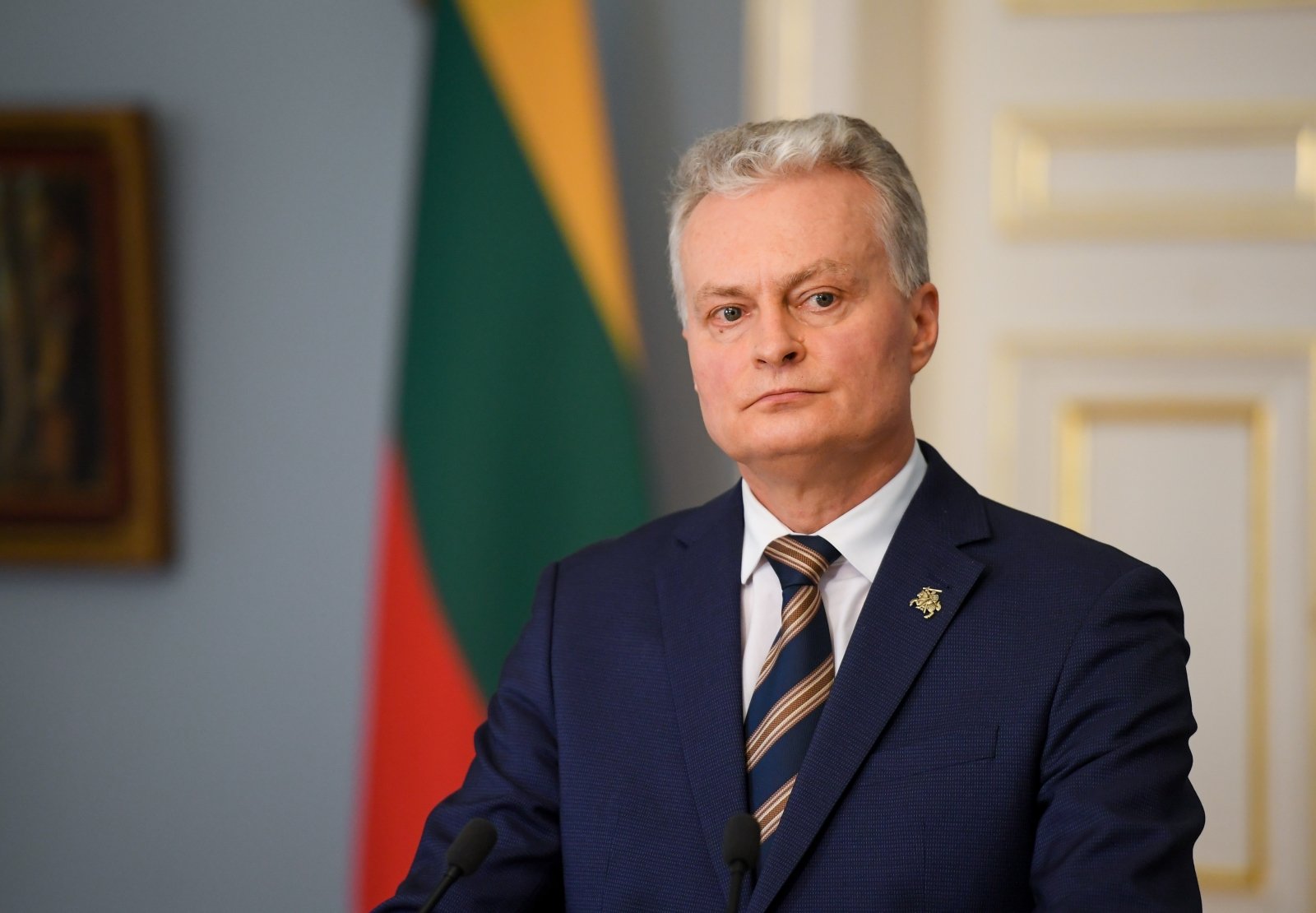

Russia is likely to seize another opportunity to test the resilience of the Ukrainian people and try to force Ukraine through another cold winter, while peace negotiations may resume next spring, Lithuanian President Gitanas Nauseda said ahead of the European Arctic Summit in Rovaniemi, Finland, on September 14.
“I assume that Russia will seize another opportunity to test the resilience of the Ukrainian people. It will try to force Ukrainians through another cold winter,” Nauseda said.
According to him, there is no reason to expect Russia’s aggressive behaviour to change in the coming months.
“I think there will be limited progress in any peace negotiations that are currently expected. At best, we can expect peace talks to resume next spring,” the Lithuanian President said.
He stressed that the Russian threat is not limited to the Baltic states or Poland.
“For me, this is a clear signal that this time Russia is challenging all of us. We should not speak only about specific geographical regions, because Russia’s intentions are much broader — it seeks to test the rule of law, our way of life and democracy,” Nauseda said.
He added that Moscow was likely to intensify its efforts in this direction.
“It would be naive to expect the Arctic to remain free from such threats,” the Lithuanian President said.
Nauseda also called for a stronger NATO military presence in the Arctic, arguing that the EU and NATO should complement rather than duplicate each other’s efforts.
“Europe must do its part — strengthening economic resilience and interconnectedness. At the same time, NATO should use the opportunity to strengthen its military presence and deploy forces in the region,” he said.
According to Nauseda, deterring Russia remains the key priority.
“If we demonstrate credibility, act proactively and respond to threats, we can count on a sufficient level of deterrence so that Russia does not dare to test our ability to defend ourselves,” he said.
The Lithuanian President also drew attention to China’s growing presence in the Arctic. He noted that it is currently primarily focused on research and scientific activities but could, in the future, be accompanied by a military presence.
Nauseda stressed that security in the Arctic and the Baltic Sea is indivisible and that countries therefore need a common approach to regional security.