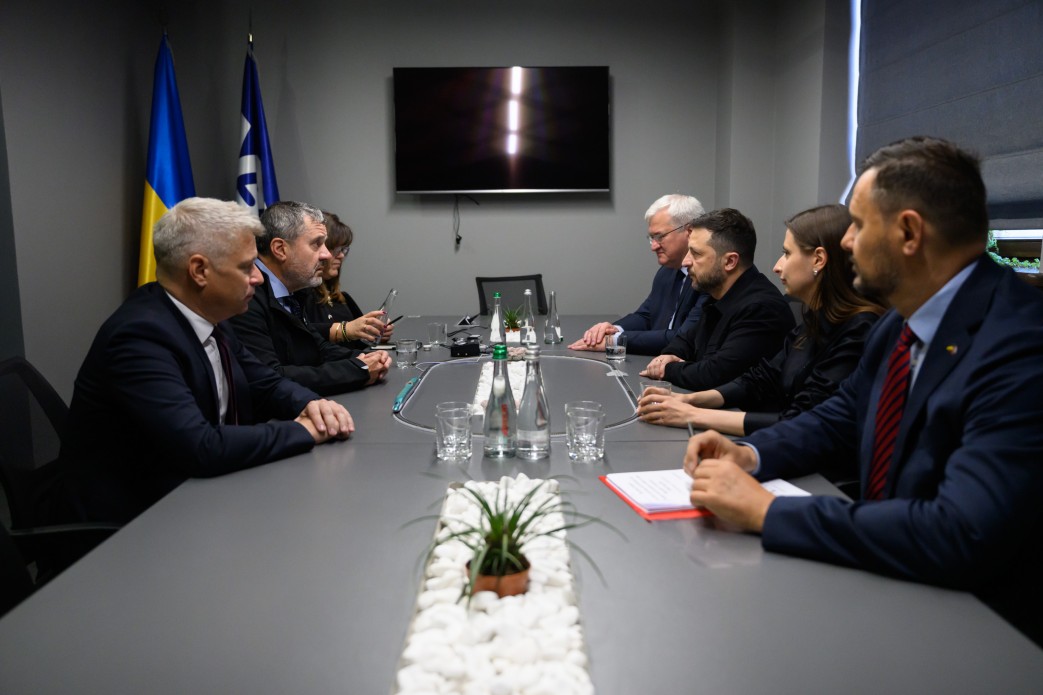


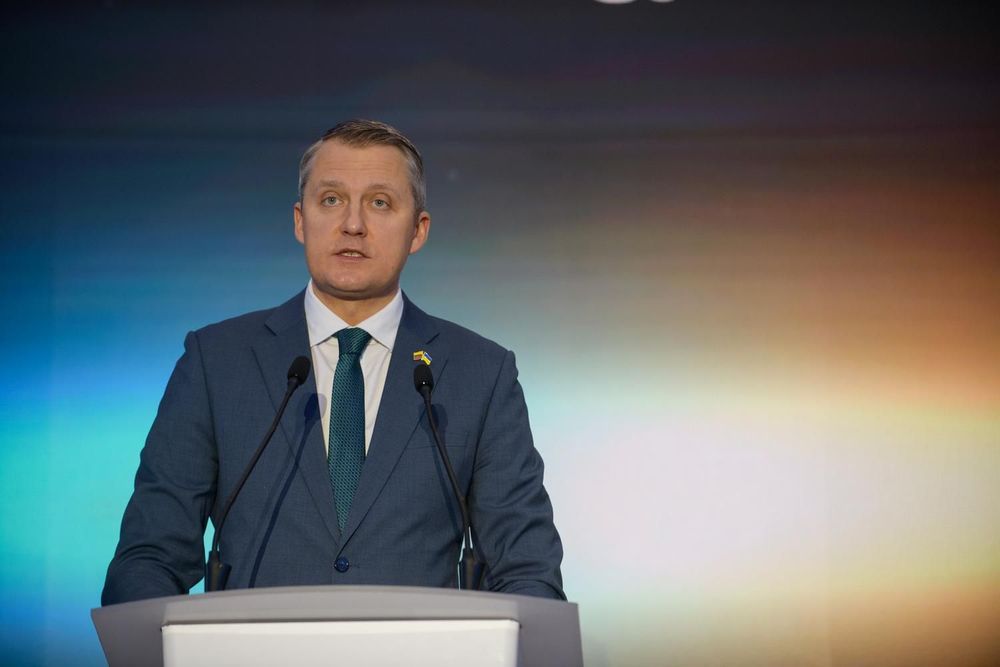
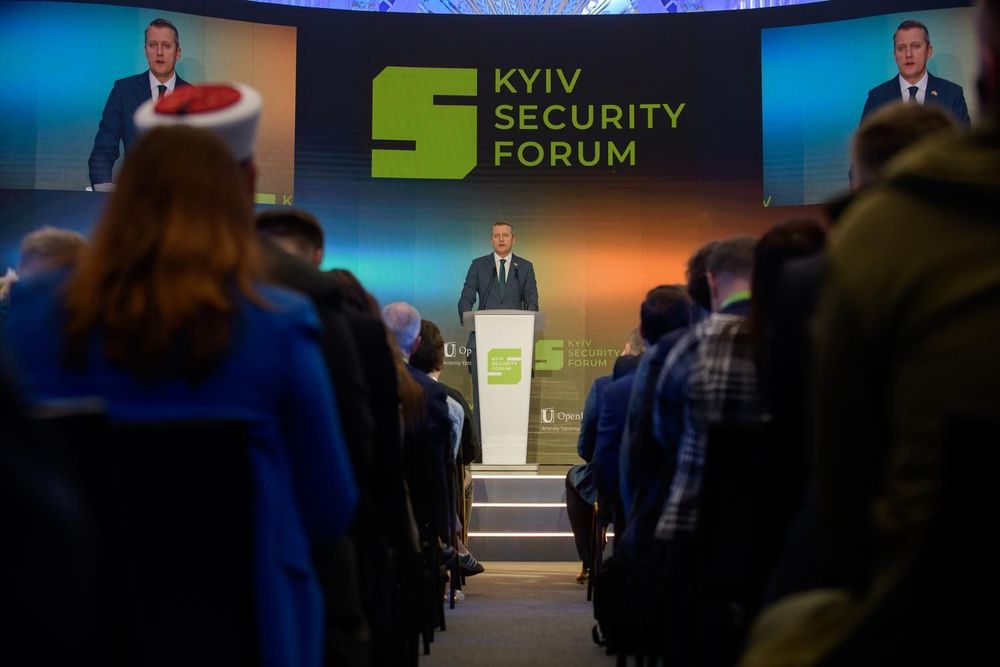
Energy infrastructure in wartime has ceased to be merely an economic resource and has become a strategic target. This was stated by Lithuania’s Minister of Energy, Žygimantas Vaičiūnas, during the 18th Annual Kyiv Security Forum on the theme “Darkness or Dawn: Is There Light Ahead?”
“Ukraine’s energy system has become a decisive factor for the country’s survival. Despite unprecedented destruction, Ukraine continues to supply electricity — this is not only a story of resilience, but also an important lesson for everyone,” he emphasized.
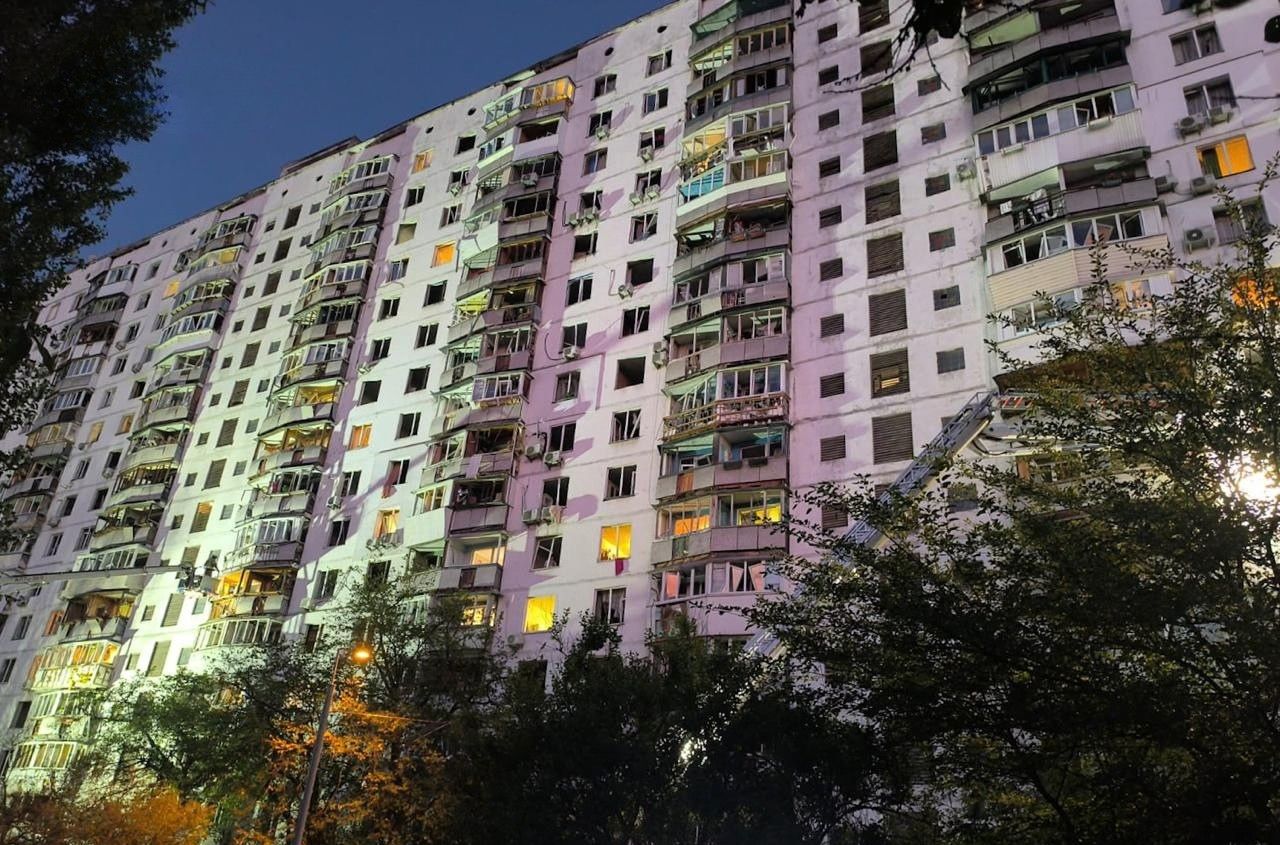
The minister noted that Europe has never seen such масштабed destruction of energy infrastructure: major power plants have been destroyed, generation capacity has been significantly reduced, and substations, including those linked to nuclear energy, are regularly under attack.
At the same time, Ukraine’s experience demonstrates the vulnerability of centralized energy systems and the need for their transformation.
“This shows that energy is a matter of sovereignty and security. Nuclear safety can no longer be considered separately from military and geopolitical realities,” Vaičiūnas stressed.
He recalled that Lithuania has already undergone a transformation of its energy sector: it reduced dependence on a single supplier, invested in diversification, and integrated into the European market. According to him, this approach is also relevant for Ukraine.
The minister separately emphasized the importance of synchronizing Ukraine’s energy system with the European grid through Poland and the Baltic states, which would strengthen resilience and supply security.
He also highlighted the need to develop new solutions, including energy storage systems and decentralized generation. As an example, he mentioned hospitals in Ukraine where solar installations help ensure critical electricity supply even during attacks. Vaičiūnas also stressed the role of international support.
“We must remain united. Lithuania is supplying Ukraine with generators, transformers, and other critical equipment, as well as supporting electricity supply during the most difficult periods,” he said.
The minister also welcomed the decision to deepen Ukraine’s integration into the European energy market and emphasized the importance of continued coordination with partners.
According to him, Ukraine’s experience is forcing Europe to rethink approaches to protecting energy infrastructure from both physical attacks and cyber threats. He reminded that 40 years after the Chernobyl disaster, the world is once again forced to ask fundamental questions about energy safety.
“Today, Ukraine is defending not only its territory but also the principles of international security. Whether there will be light ahead depends on our joint actions,” the minister concluded.