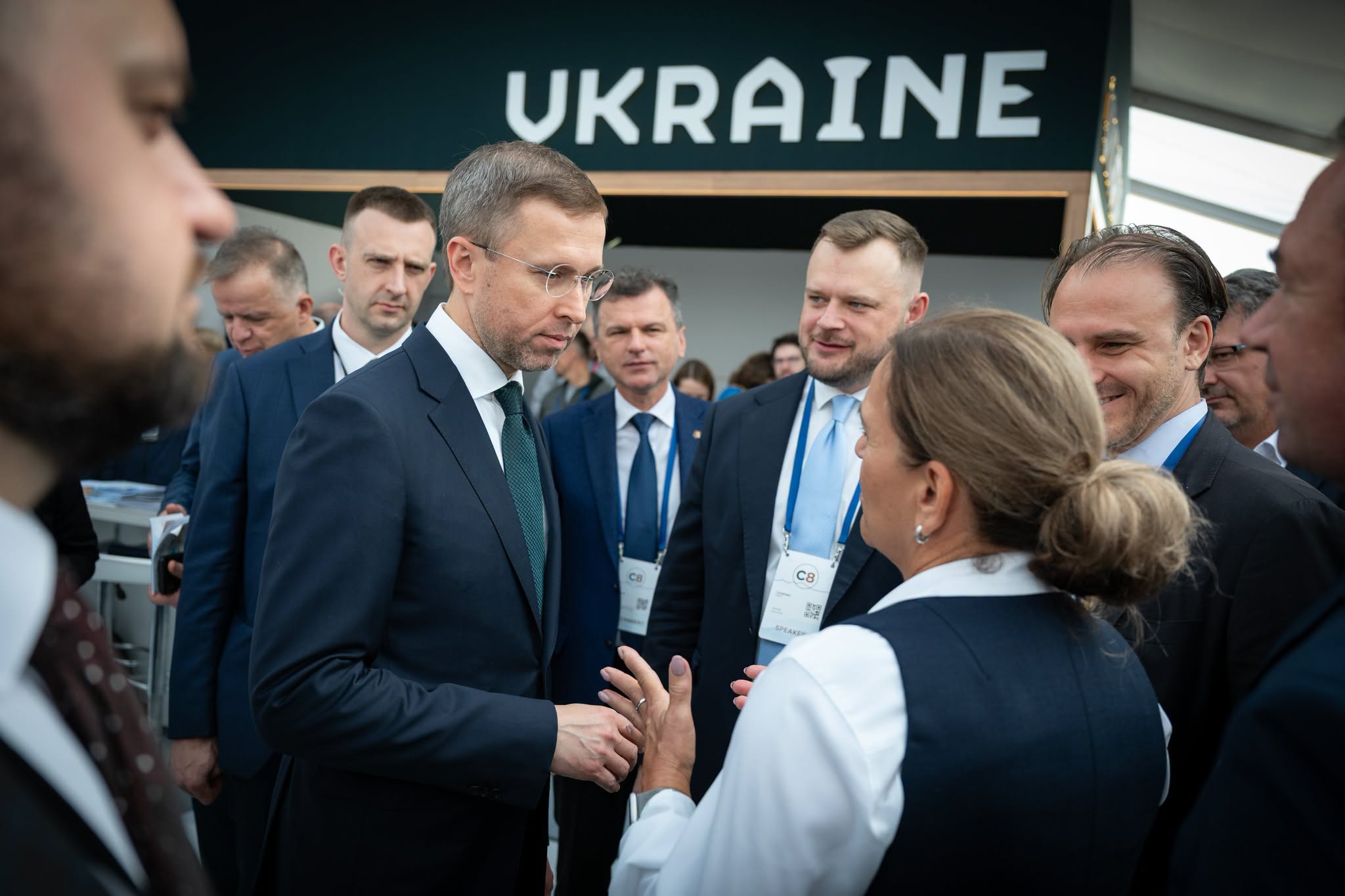


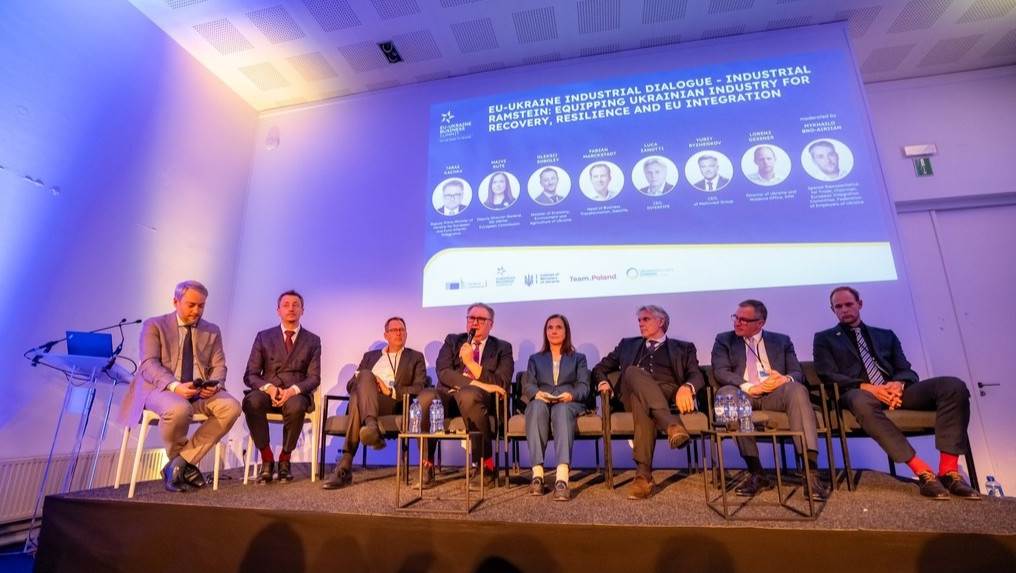
The summit dedicated to strengthening Ukraine’s economic integration into the EU became a platform for discussing reconstruction and investment in strategic sectors of the economy. It brought together more than 140 speakers, including senior officials from the European Commission and the Ukrainian government, representatives of international financial institutions, and leading Ukrainian companies. The event was organized by the European Commission, the governments of Ukraine and Poland, and European Business Summits.
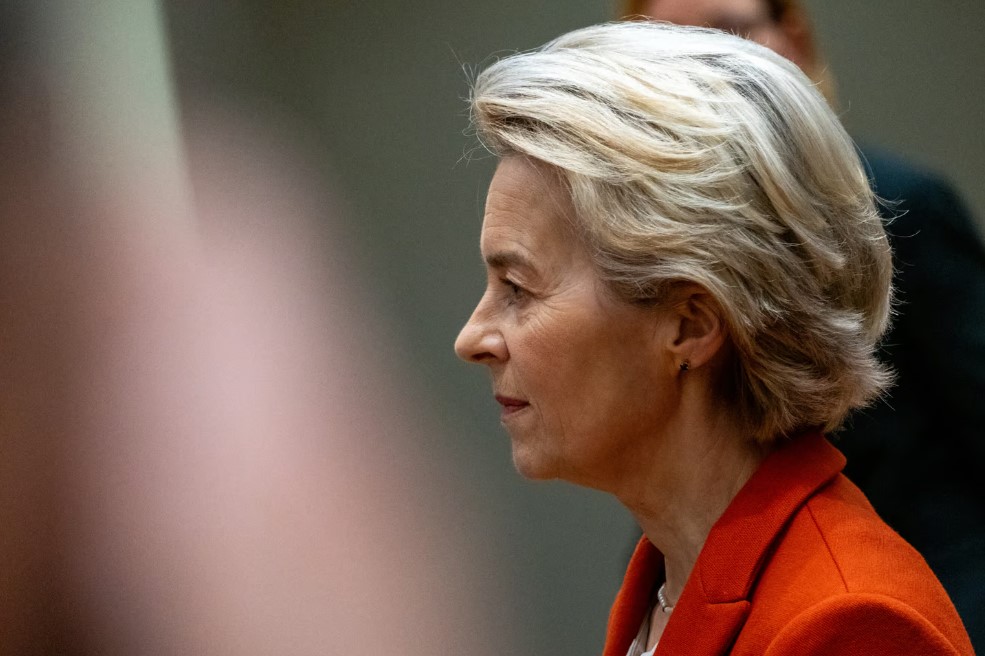
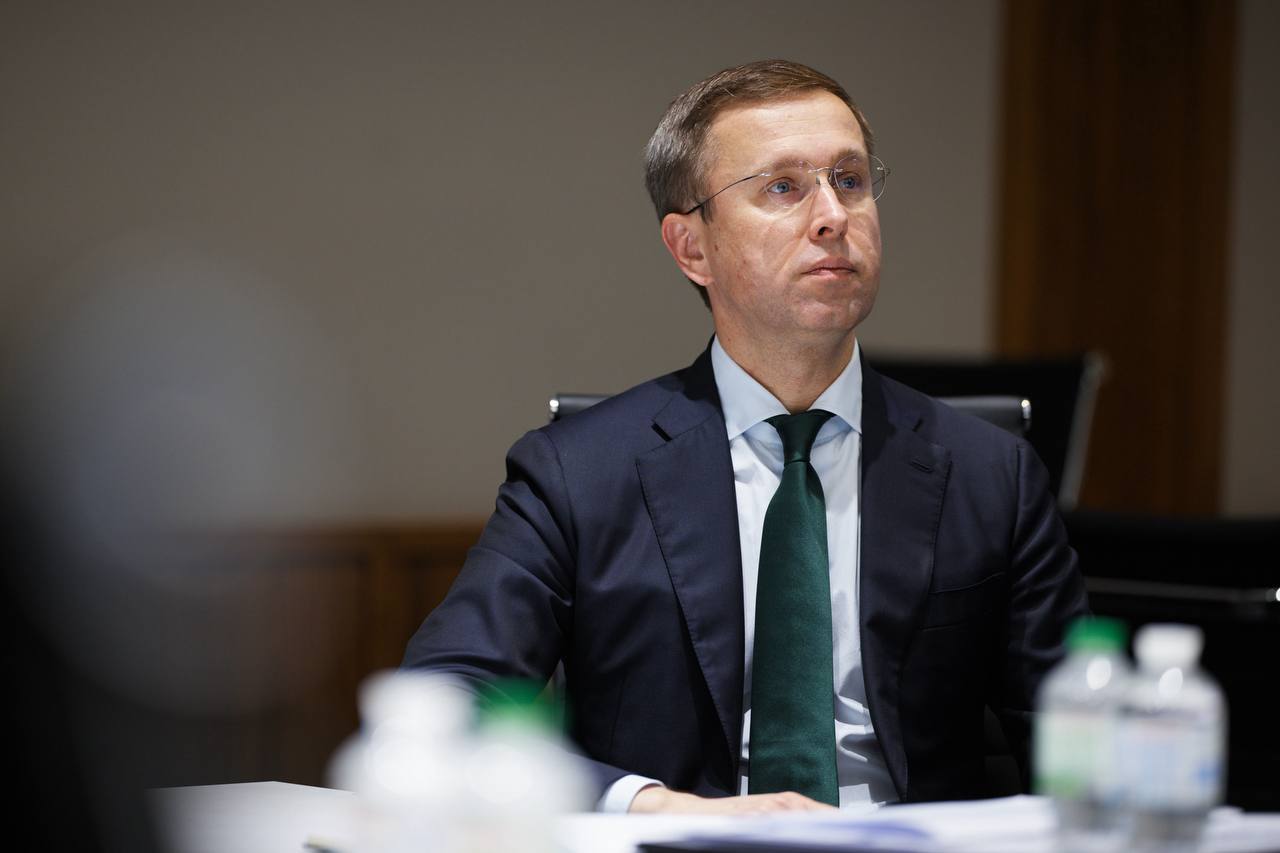
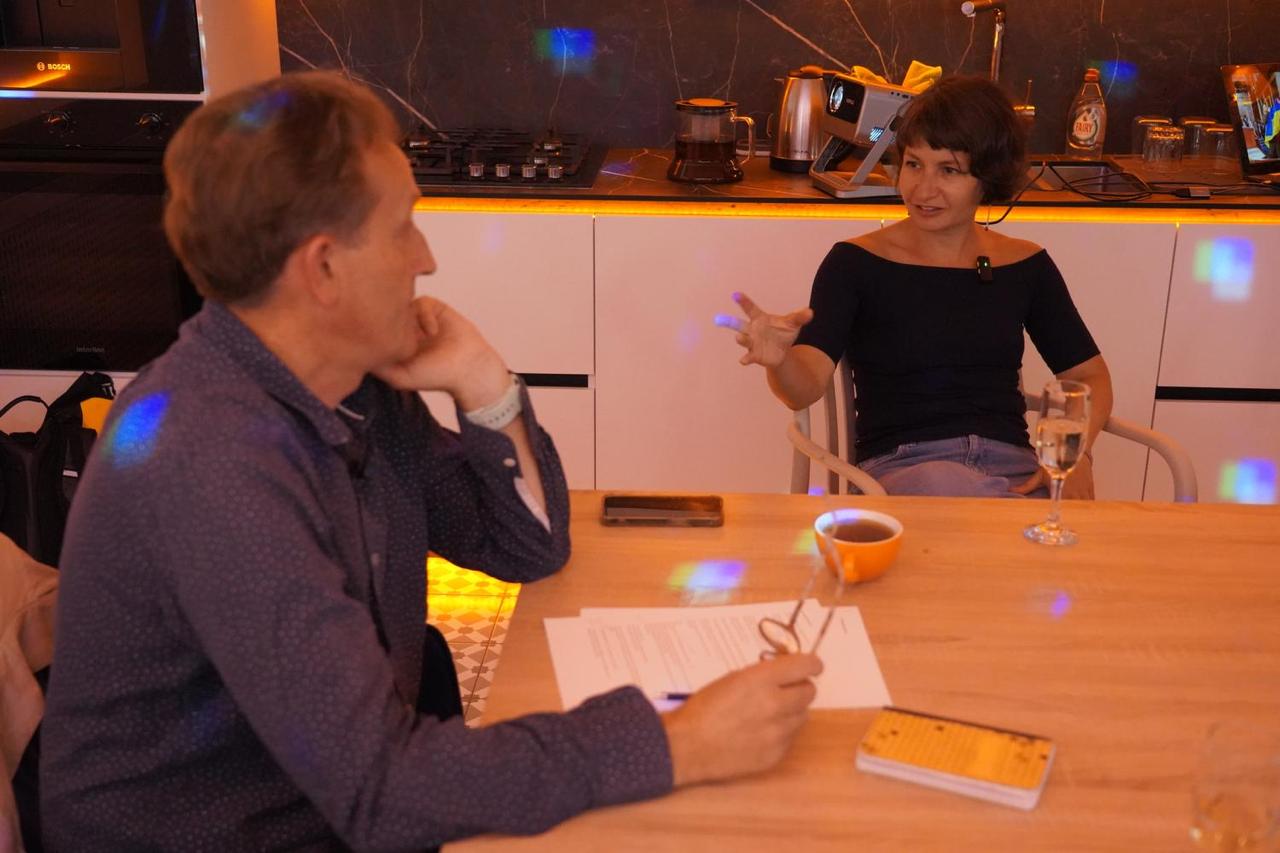
Yuriy Ryzhenkov took part in the panel “Industrial Ramstein: equipping Ukrainian industry for recovery, resilience, and integration into the EU,” held within the framework of the “EU–Ukraine Industrial Dialogue.” The discussion included Deputy Director-General of the European Commission’s DG GROW Maeve Rute, Ukraine’s Deputy Prime Minister for European and Euro-Atlantic Integration Taras Kachka, Minister of Economy, Environment and Agriculture Oleksii Sobolev, as well as representatives of Interpipe, KfW, and Deloitte.
According to the CEO of Metinvest, the company has been working with the EU for about 20 years, and throughout this time the European market has remained the largest sales destination — around 50% of its products are supplied there.
“We know well how to work in the EU market and interact with its regulatory system. At the same time, there have always been significant challenges, particularly related to restrictions on imports of finished steel products. In 2022, the European Union lifted these restrictions for Ukraine, and we effectively became part of the EU single market in steel supply. In addition, in recent European Commission documents on quotas, Ukraine is already considered a special case, and we see strong support from Europe over the past years,” said Yuriy Ryzhenkov.
Among the challenges complicating the integration of Ukrainian metallurgical companies into European industry, he mentioned the Carbon Border Adjustment Mechanism (CBAM), introduced earlier this year.
“CBAM creates serious challenges for us. We were aware of this and prepared in advance for its introduction. In 2021, we announced two decarbonization projects in Ukraine. However, the war makes large-scale investments impossible, which significantly worsens our position compared to European competitors. Together with the global energy crisis, logistical difficulties, and complex business conditions in Ukraine, CBAM significantly worsens operating conditions. Today, this is one of the biggest challenges in Ukraine–EU relations,” the Metinvest CEO said.
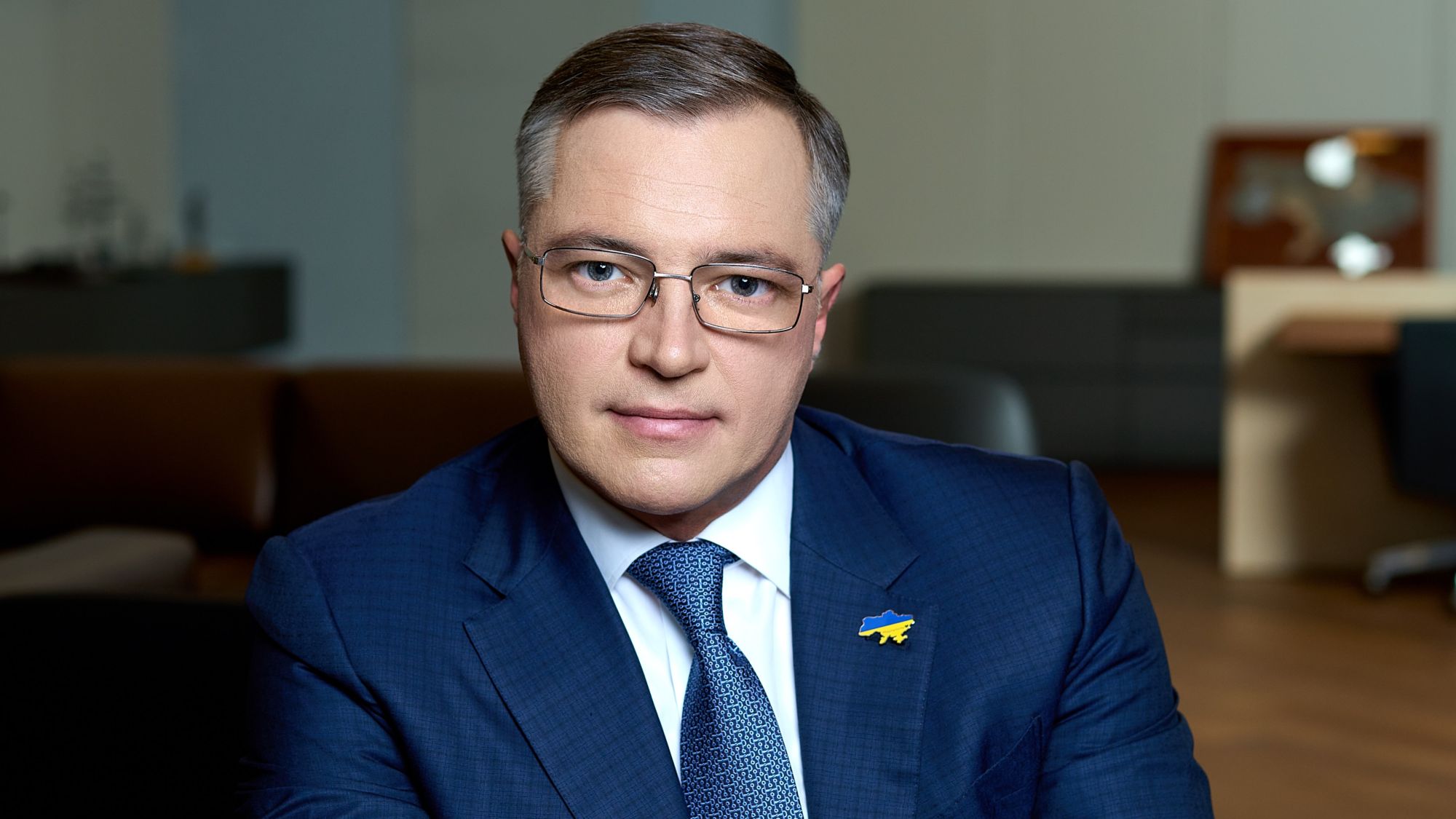
In his view, one possible solution could be delaying CBAM payments or directing revenues from the mechanism toward modernization and decarbonization of Ukrainian industry.
“There are several approaches known to our government that could, in the medium term, improve the situation and give Ukrainian industry time to adapt. We are not asking for special treatment — we are asking for time to put internal processes in order,” added Yuriy Ryzhenkov.
The Metinvest CEO is convinced that within the next 10 years Ukraine will become a member of the EU, integrate into the European steel and mining industries, and contribute to Europe’s decarbonization thanks to its resources.
“It is important that both the EU and Ukraine see each other as partners and recognize the mutual benefits of Ukraine’s European integration. We would like our company to be viewed as a partner in new projects and areas of development. With such an approach, we will be able to move forward,” Yuriy Ryzhenkov emphasized.