

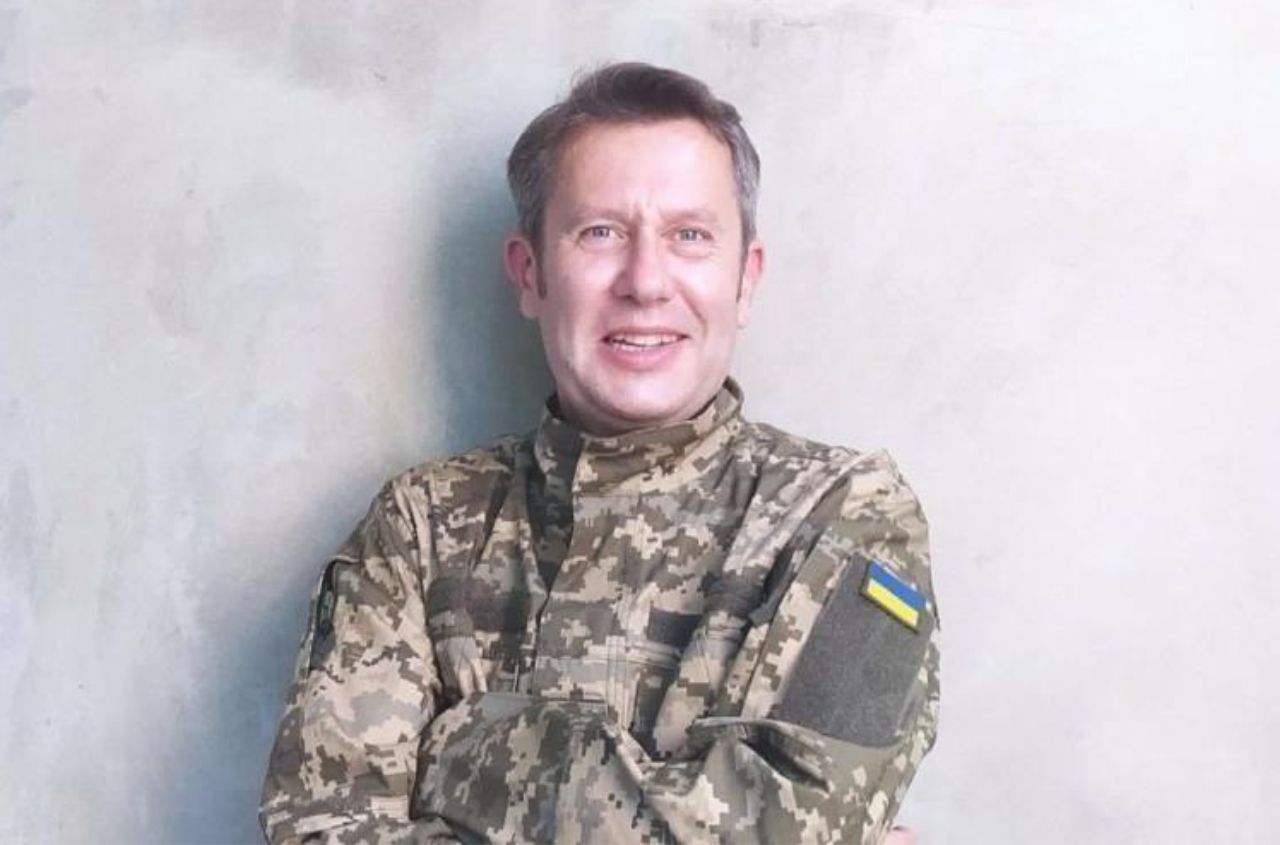
Main image: Vadim Lugovtsov
The twenty-seventh interview through images by Andrew Sheptunov
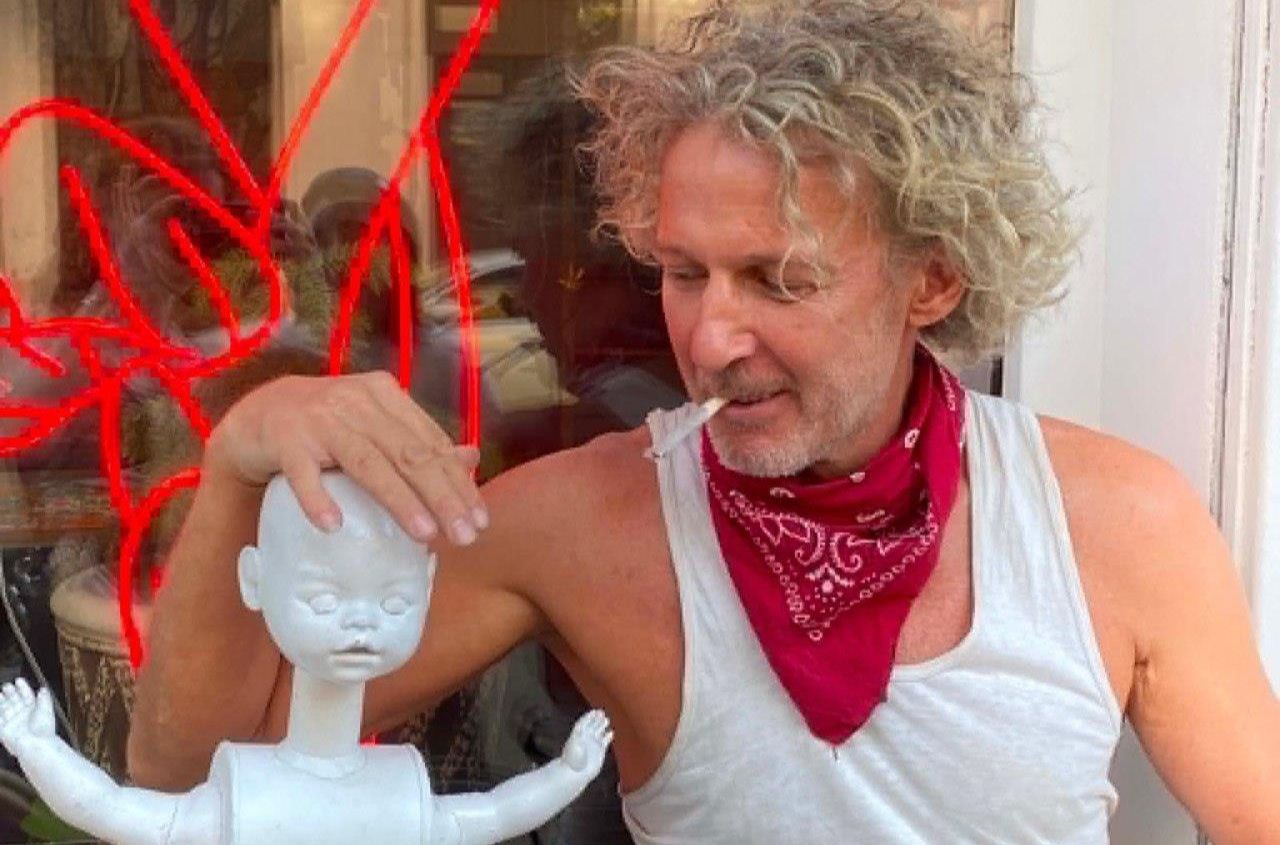
Odessa is often called a "city-as-text," but for Vadim Lugovtsov, it has always been a vast concrete canvas. His creative path began not in the hushed halls of galleries, but where the city truly breathes—on the jagged slopes of the Devolanivskyi Descent and beneath the gothic arches of the Kotsebu Bridge.
Having received a classical education that gave him a fundamental understanding of structure and form, Vadim quickly realized: to reach the passerby, art must be more than just aesthetic; it must be stinging, like a sea breeze during a storm.
This piece is a continuation of our special column, "You in the army now," dedicated to art figures who have exchanged the sterile comfort of studios and exhibition halls for the harsh reality of army life. Lugovtsov has become the fourth hero of our cycle; the stories of previous participants who found their path in the ranks of the Defense Forces can be found in past issues. Our goal is to show how creative energy transforms into steel and discipline without losing its essence.
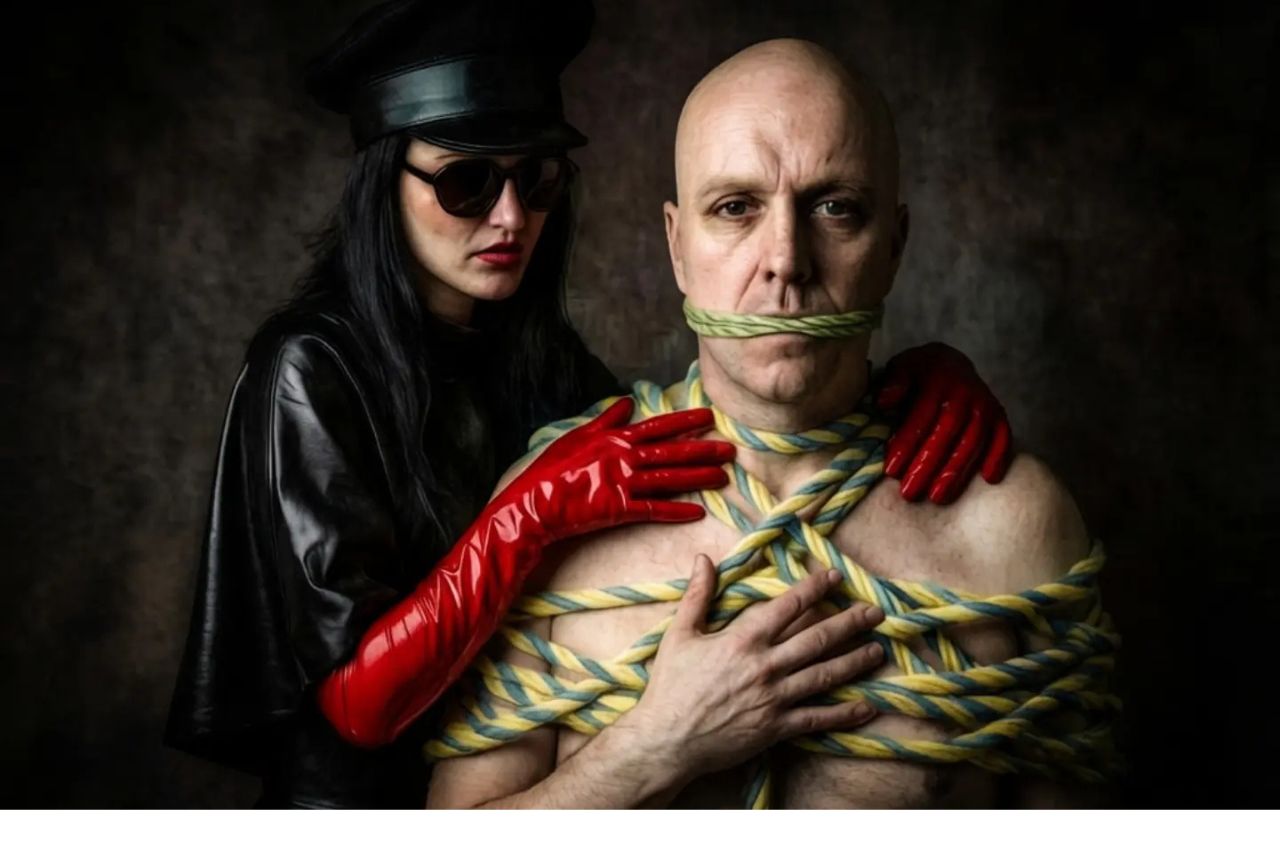
Vadim’s style—stencil art—is always a balance between filigree preparation and instantaneous action. There is something in this method deeply kindred to military operations: meticulous planning, terrain reconnaissance, and a single precise, calculated "shot" of spray paint. Vadim didn’t just paint; he chronicled change, mocking the enemy’s imperial ambitions and defending the European face of his native Odessa.
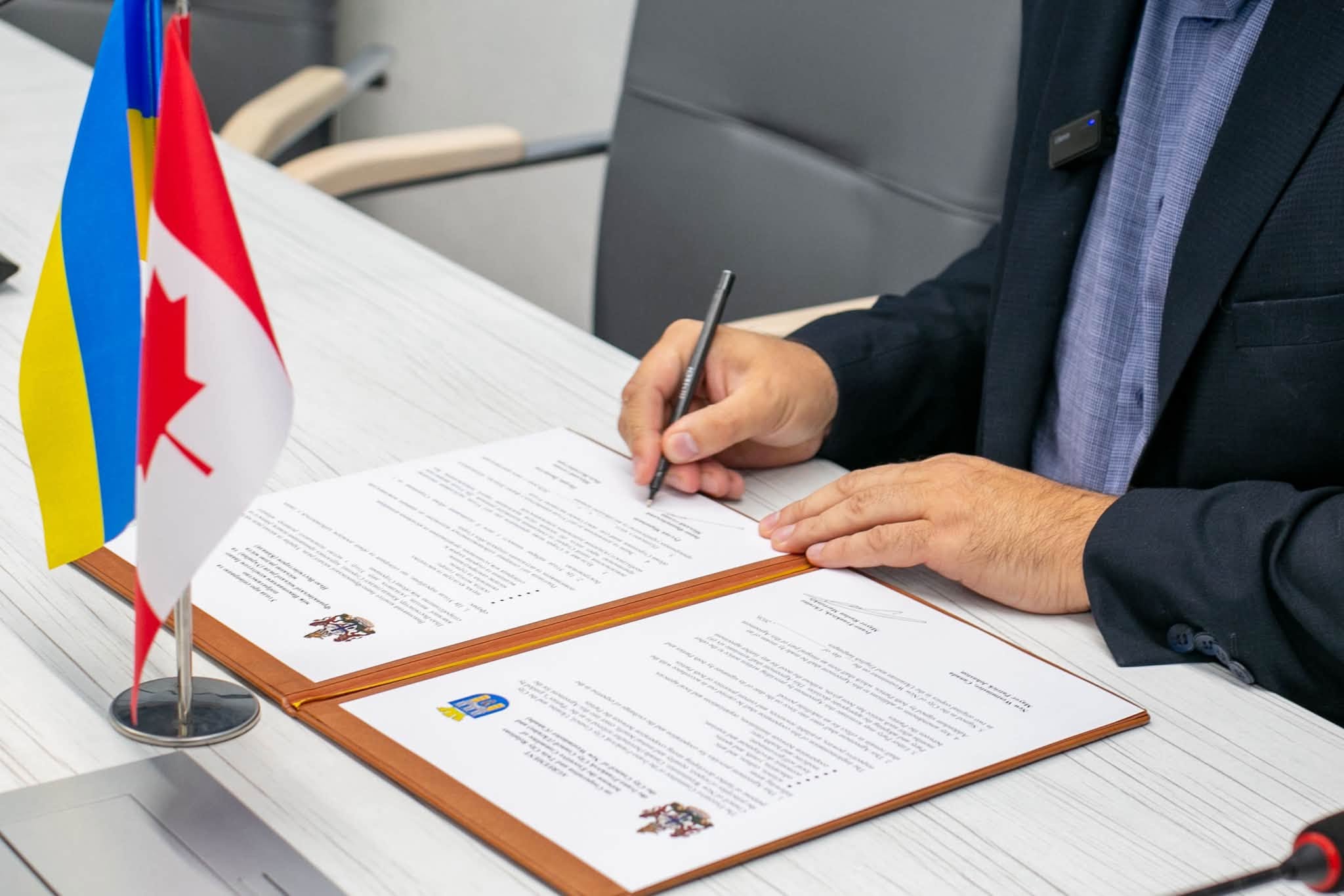
When the shadows of the great war gathered over the country, the artist within Vadim entered a direct dialogue with the citizen. The decision to swap a respirator for body armor became a natural extension of his convictions. Today, he is not in the trenches, but his staff work is "Insha Zbroya" (Another Weapon) in the most literal sense. Symbolically, this was the name of his very first exhibition, and now the title has acquired a new, steely density. Protecting the "city of meanings" takes many forms, and Vadim found his sector of the front where his precision and systematic approach serve the common cause.
Today, Vadim is a soldier, but his gaze remains that of an artist. He sees the strict aesthetics of headquarters life, the irony in camouflage nets, and the tragedy frozen in ruins.
His works have always been information strikes, provoking rage in the enemy, because quality satire can sometimes strike with greater precision than artillery. It desacralizes fear, turning "the great and terrible" into a reason for a bitter but liberating smile.
Odessa, in his understanding, is not a mythical "Russian gift," but the result of the labor of European architects, Ukrainian will, and port-city freethinking. This manifesto of freedom runs like a red thread through all his work: from portraits of world leaders to biting inscriptions that, over time, prove prophetic. Every one of his works on a wall is a solidification of Ukraine's right to its own land and its own culture.
We proposed a format of communication to Lugovtsov that is as close to his nature as possible. To every question about the war, Odessa, fear, and hope, he answers not with long tirades, but with his artworks. This is an art-interview, where the image becomes a direct quote. There is no room for ambiguity here—only the sharp lines of the stencil and honest meanings.
Prepare to see reality through the eyes of a man accustomed to cutting stencils as sharply as life today cuts through our destinies.
1. Which of your paintings best illustrates the moment you decided: "Stop fearing the recruitment center, it’s time to go myself"?
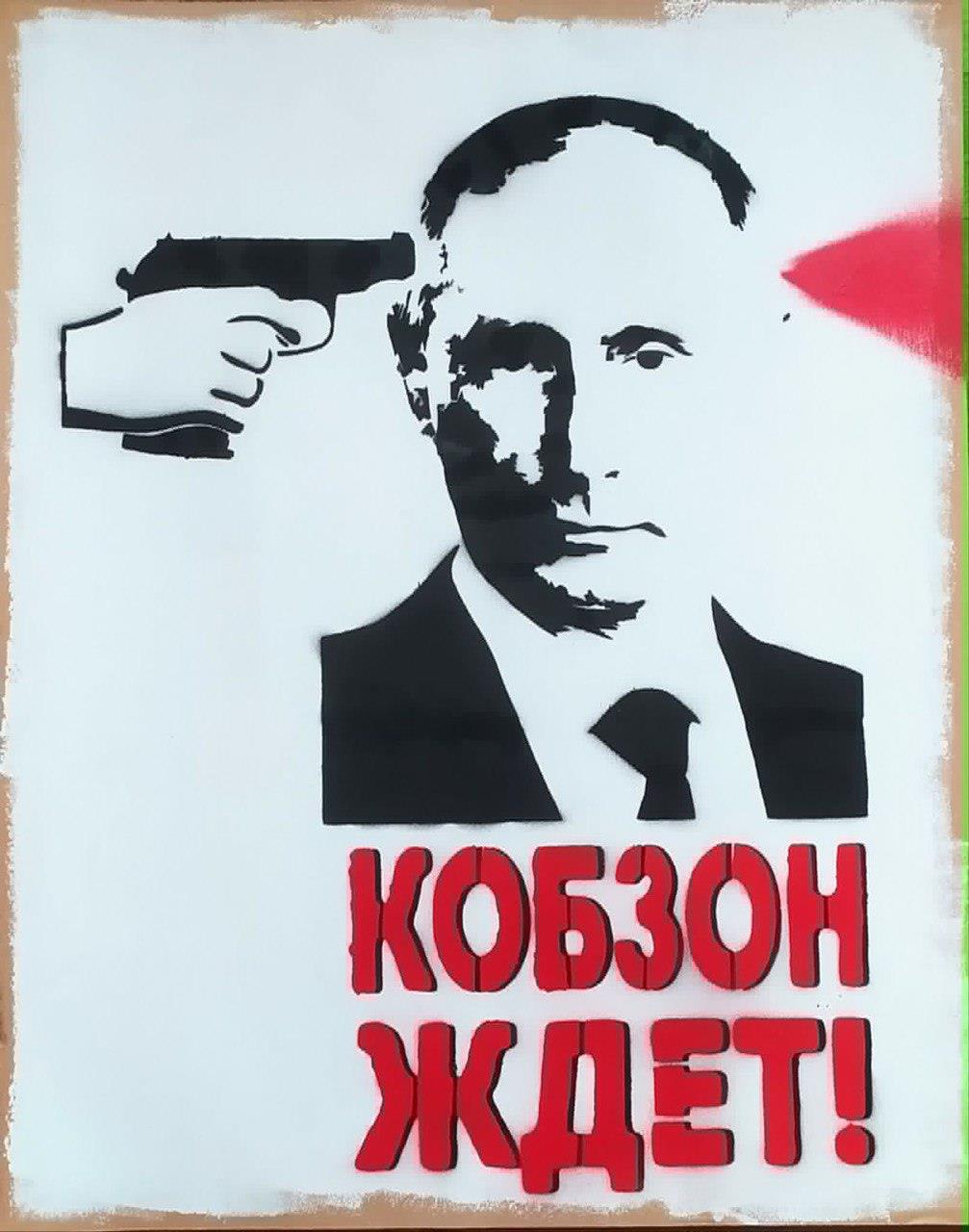
2. Odessa is a city of humor even in dark times. Choose the most satirical work that makes you smile even while on duty.
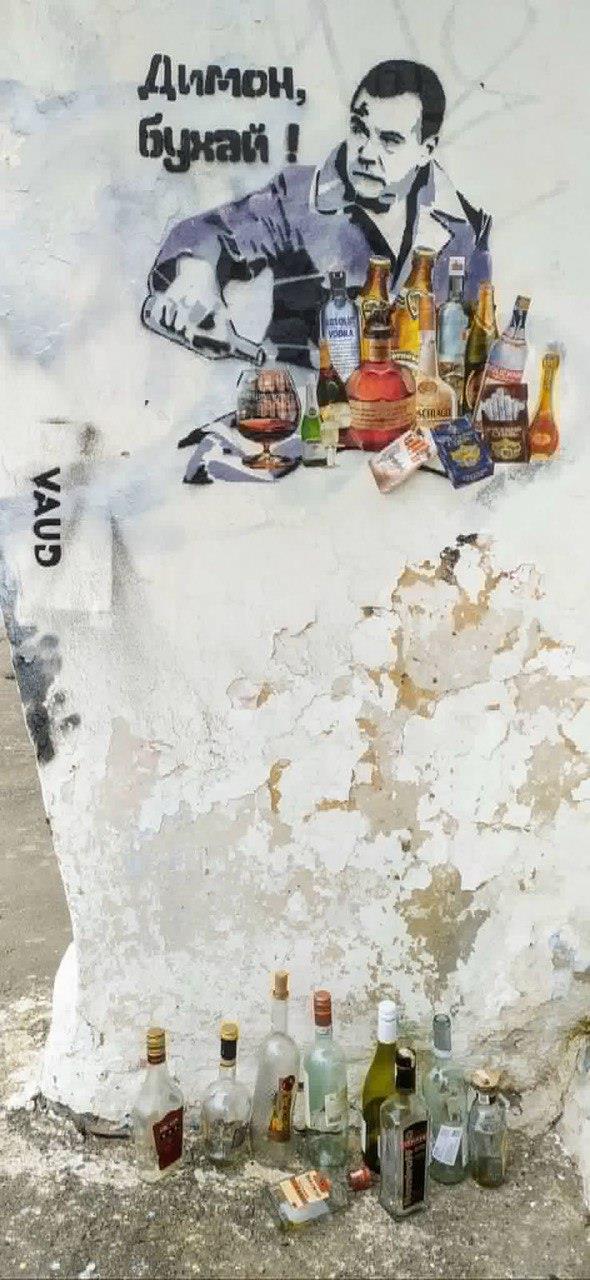
3. You mentioned that Russians get "triggered" by your work. Which painting, in your opinion, dealt the most powerful informational blow to the enemy?
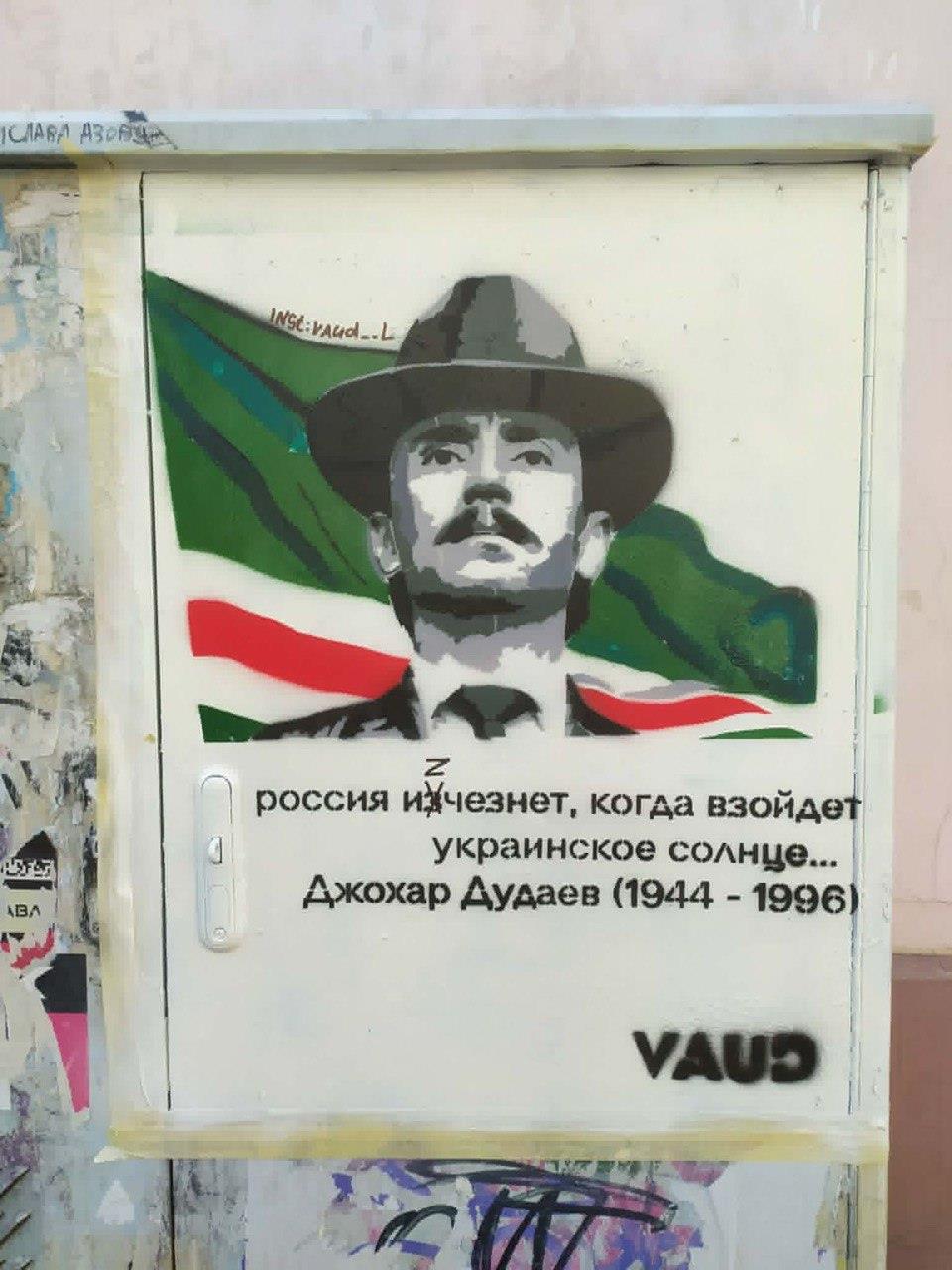
4. War is chaos, but art requires structure. Choose a work that currently symbolizes this internal conflict between the artist and the soldier for you.
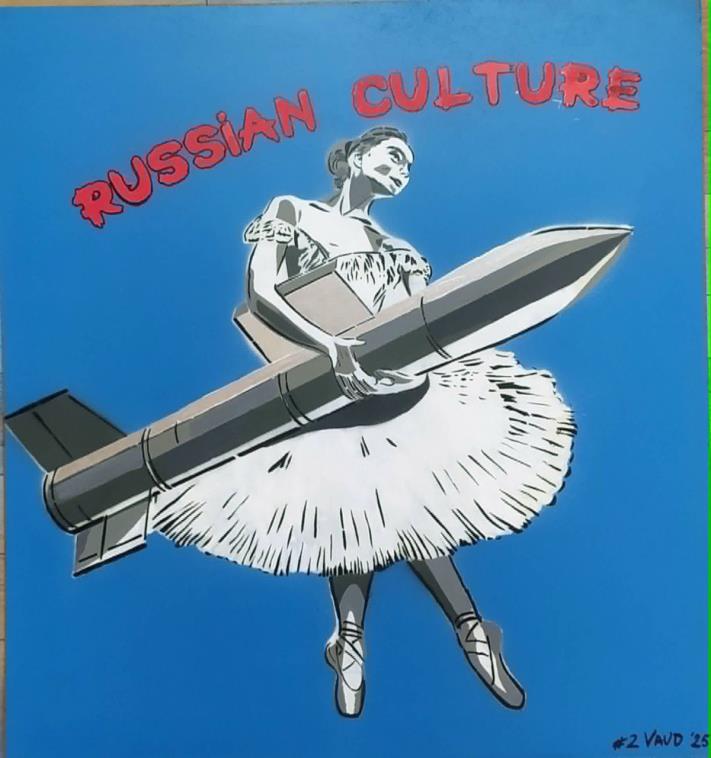
5. You said that Odessa is not just a myth about "Russian construction," but the labor of Europeans. Choose the work that screams brightest that Odessa is Ukraine.
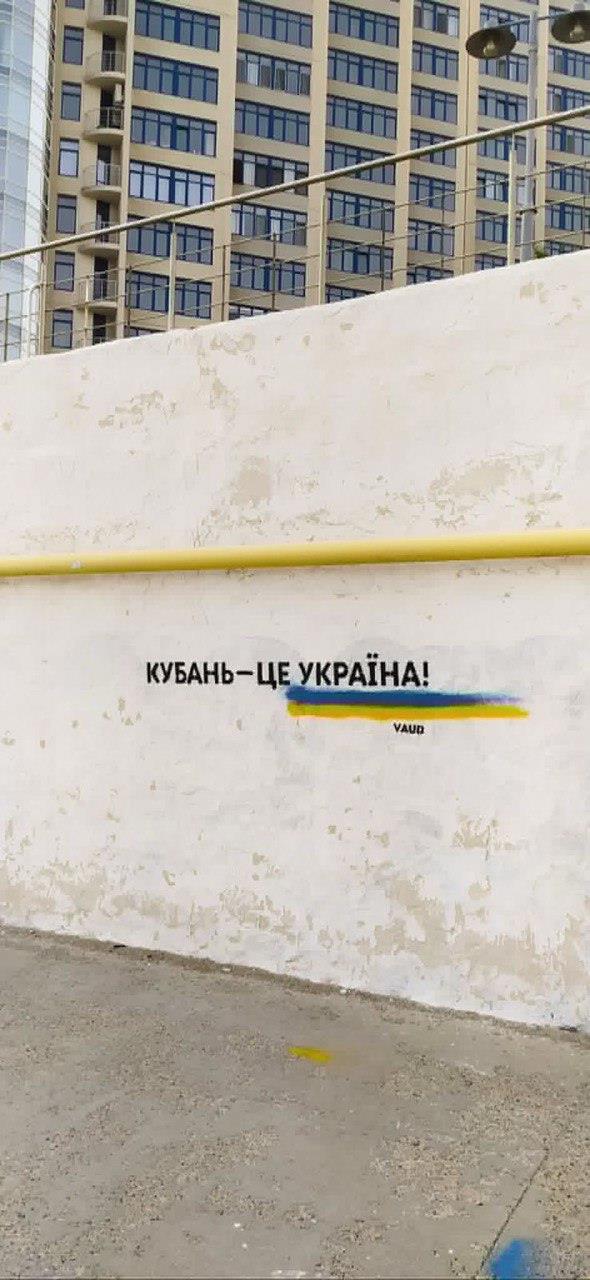
6. In the army, camouflage is key, but in street art, it’s brightness. Which of your works best conveys this contradiction?
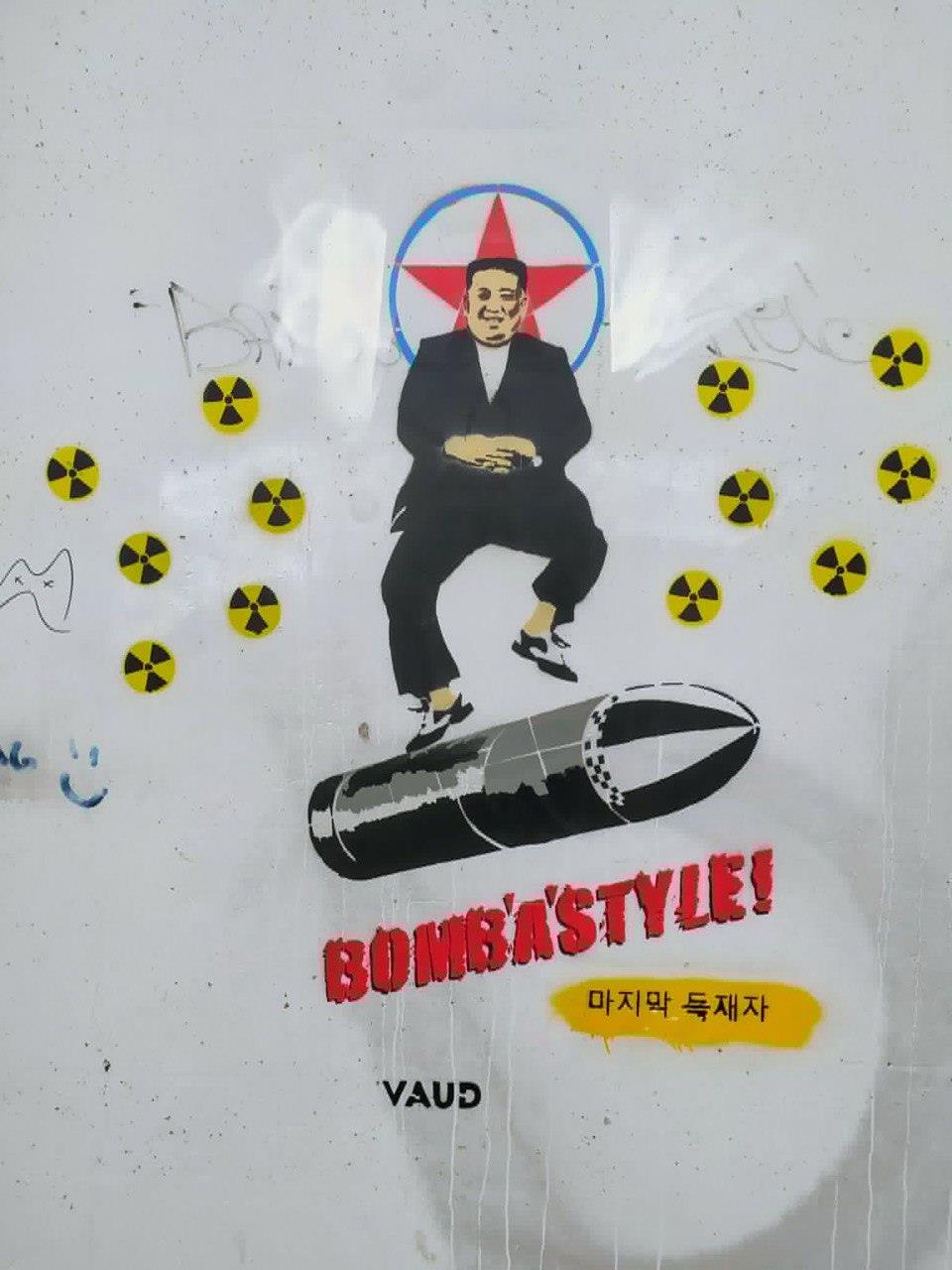
7. Devolanivskyi Descent and Kotsebu Bridge are iconic places for your exhibitions. Which work, in your opinion, "grew into" Odessa’s architecture most organically?
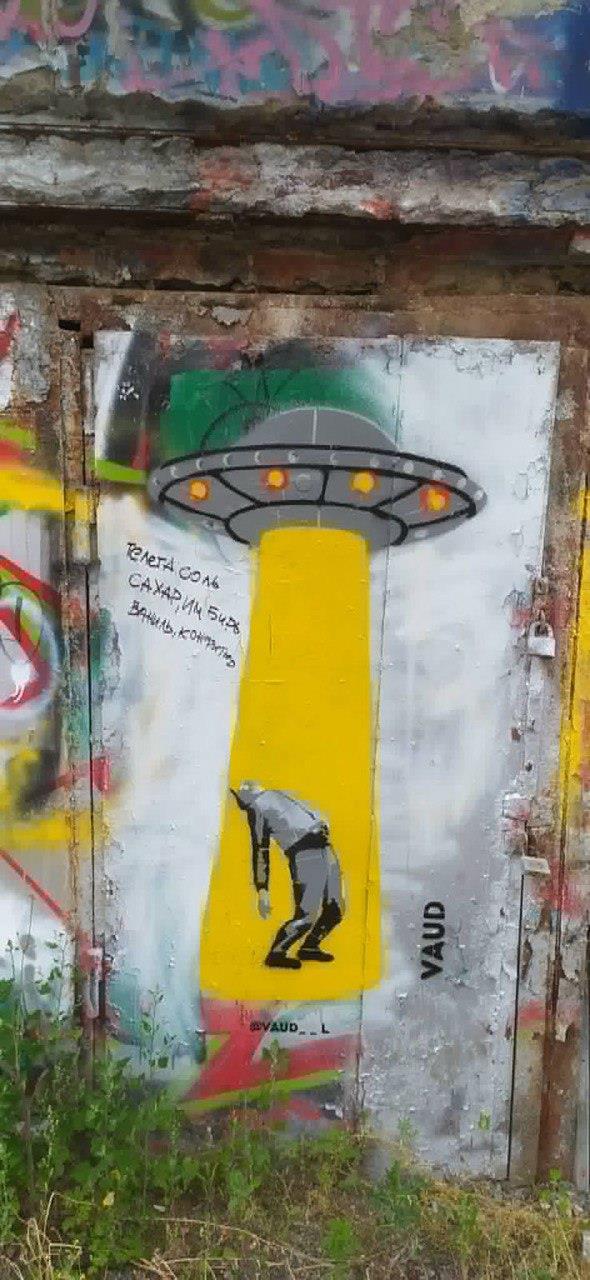
8. Kadyrov, Putin, Trump—you’ve drawn many leaders. Which of these works seems the most prophetic to you now?
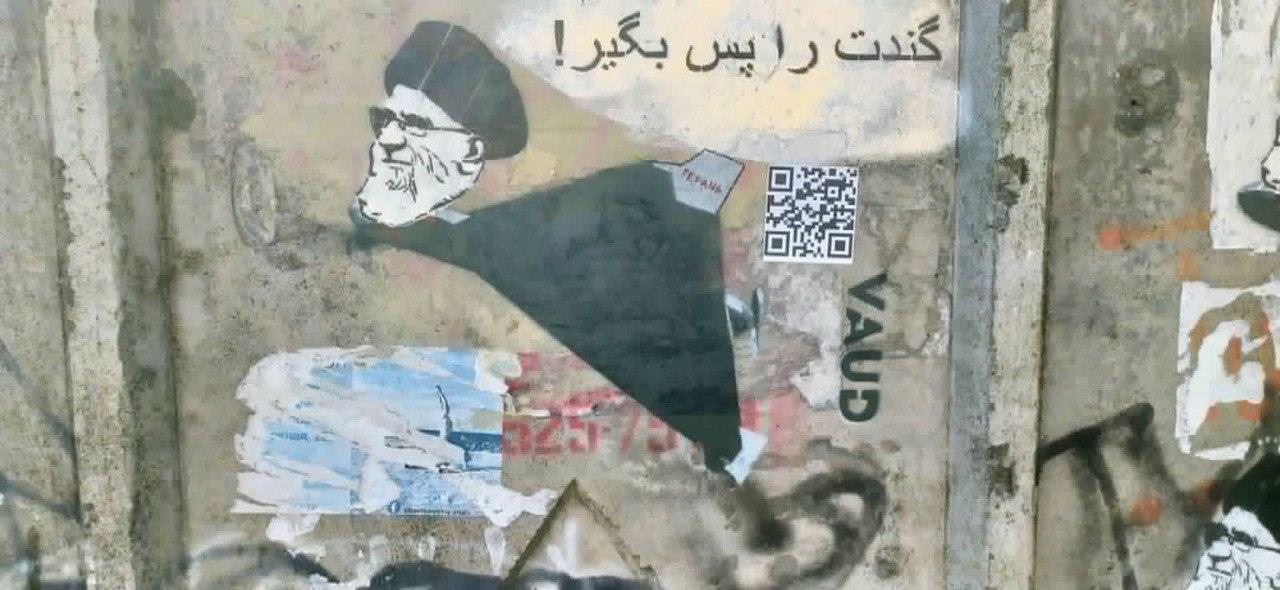
9. Which work depicts the state of a "straightened back" (dignity) that you spoke of after mobilizing?
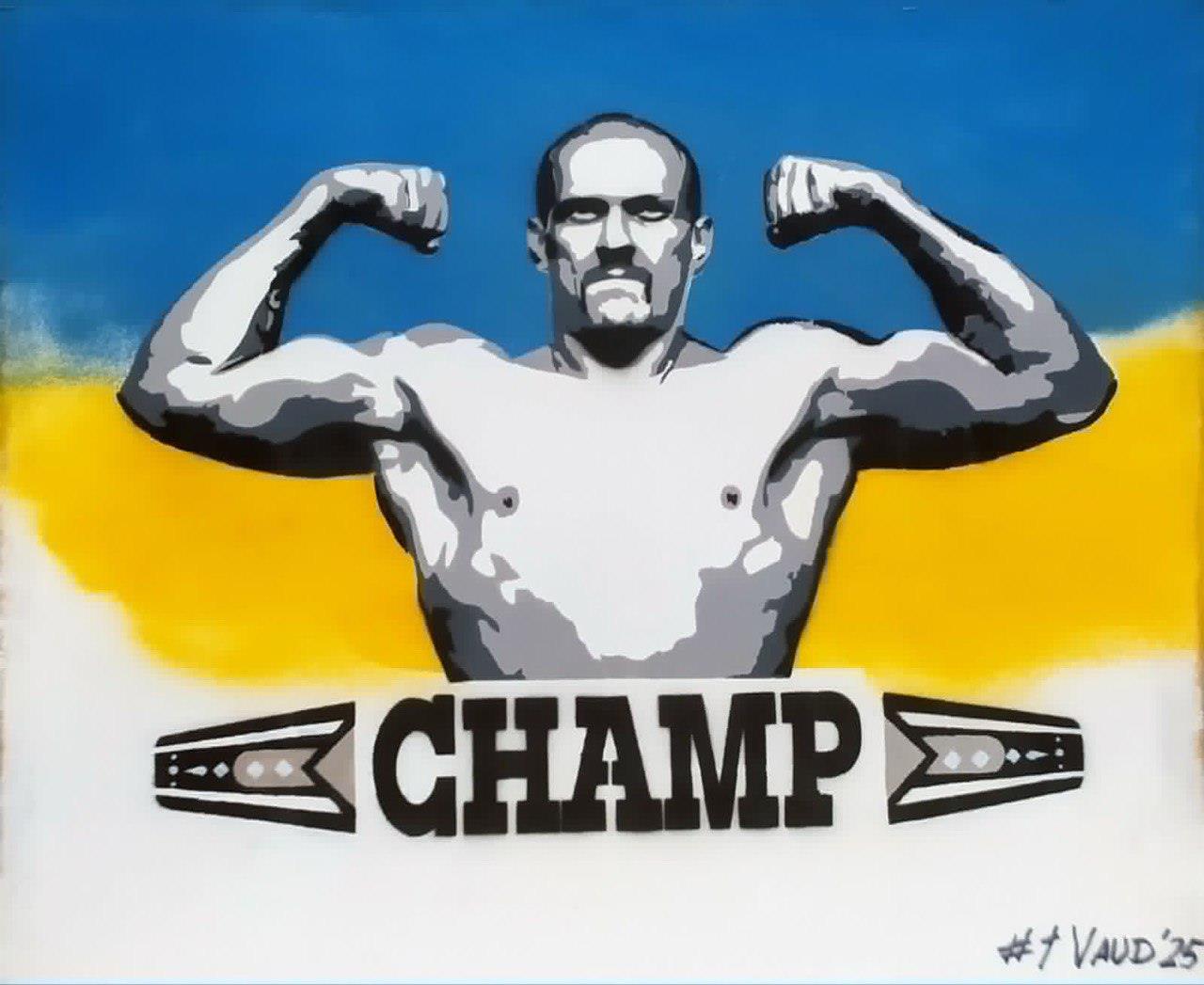
10. Imagine the war has ended. Which of your old paintings would you want to see on Odessa’s main square on Victory Day?
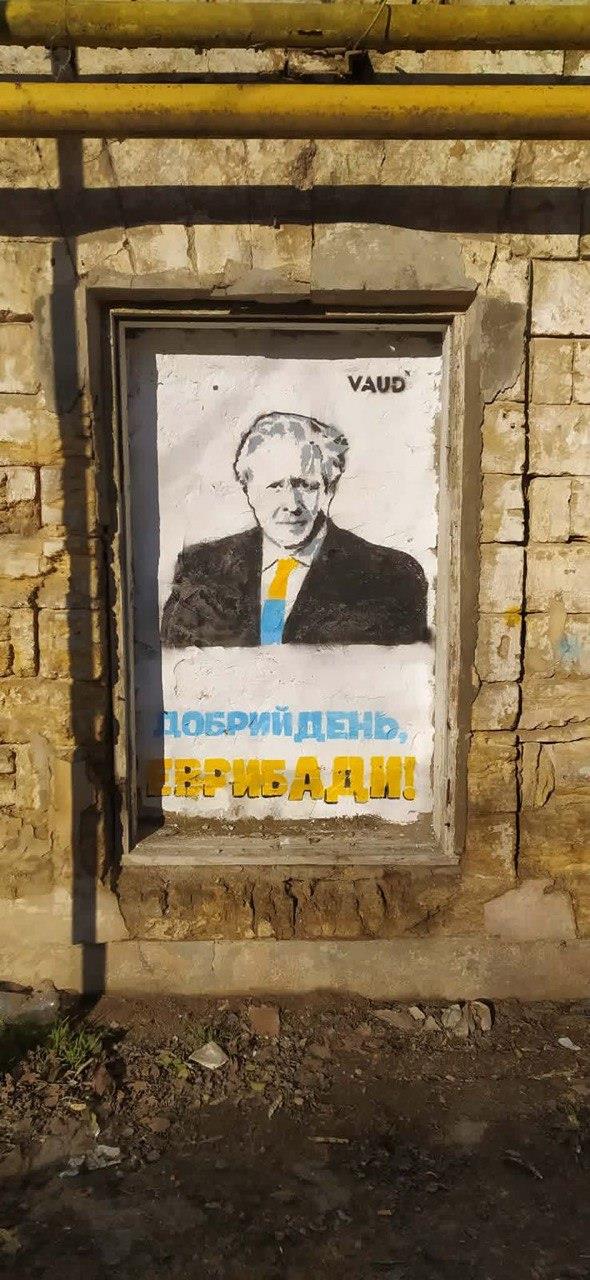
11. If you had to leave one of your paintings in the barracks as a talisman, what would it be?
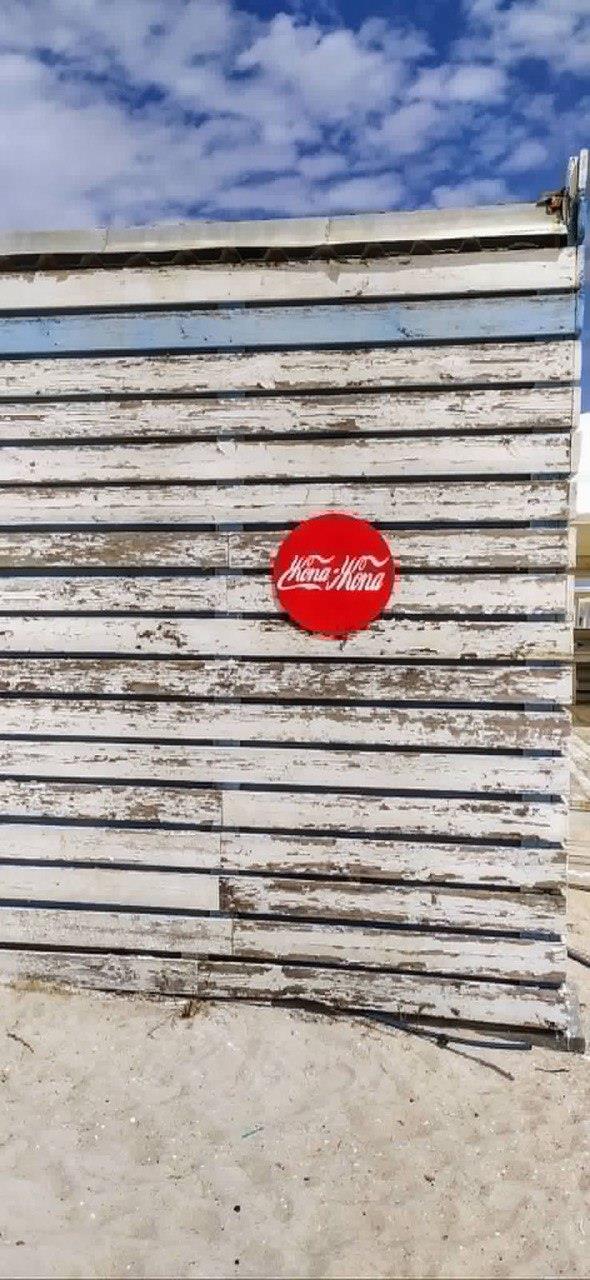
12. Choose the work that best answers the question: "What was this all for?"
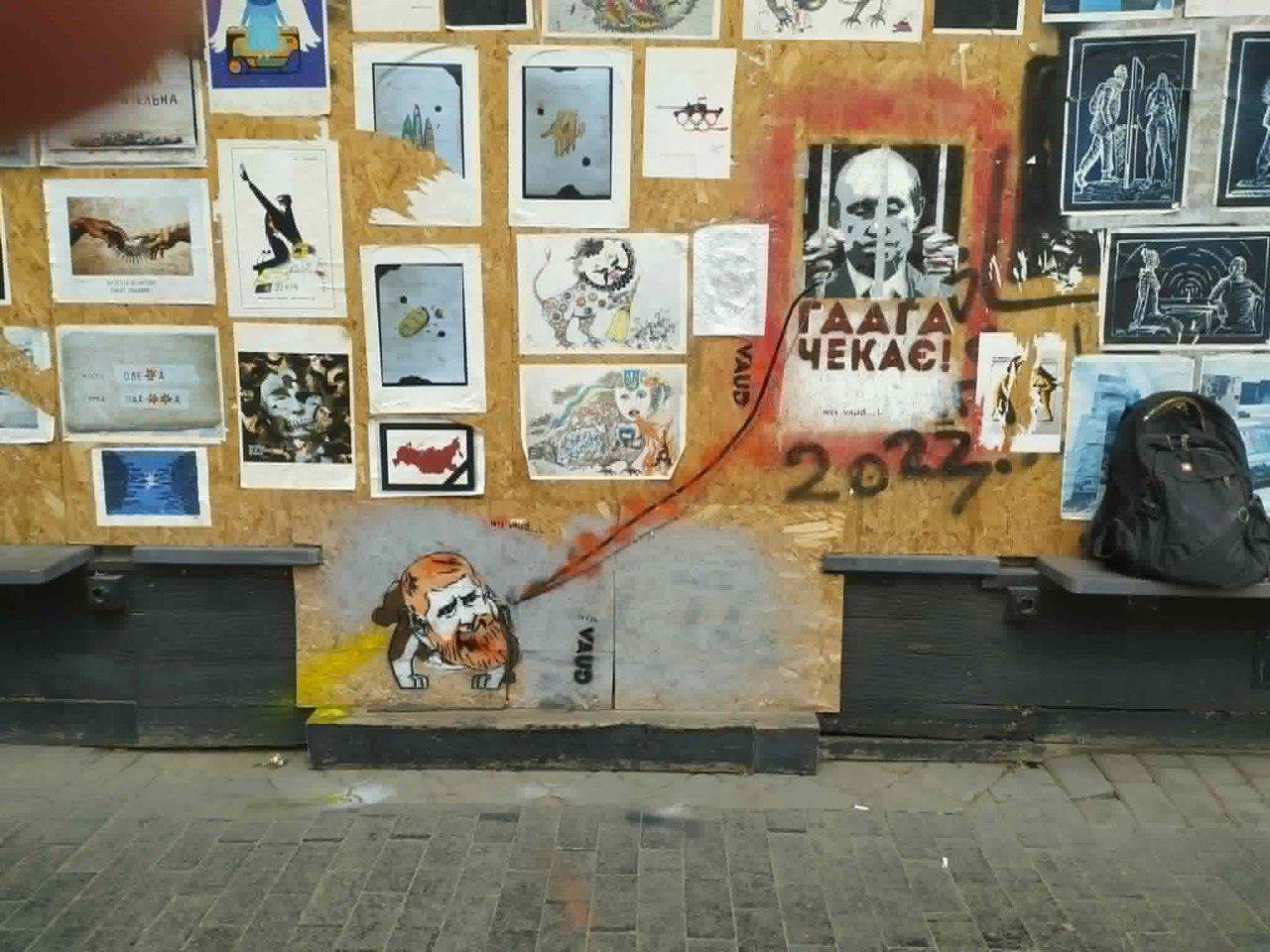
This collection of works is not just a gallery of street art, but a visual diary of transformation. In every layer of paint, in every sharp angle of the stencil, one feels the pulse of a man who refused to be a bystander. Vadim has proven that art does not end where military statutes begin; it simply acquires a new form, becoming for the soldier and his brothers-in-arms that very "other weapon" he declared back at his first exhibition.
Lugovtsov's story is a manifesto that Odesa remains true to itself: ironic, rebellious, and deeply European, even when its sons swap creative freedom for army discipline. We conclude this art-interview, but the artist's dialogue with the world continues every day—in headquarters, in barracks, and on those invisible fronts where meanings matter no less than shells.
To see more of Vadim's work, follow his creative path, and support his current projects, we sincerely recommend visiting his social networks.
There, meanings come alive in color, and the urban environment continues to speak to us with the voice of those who protect our skies today.