

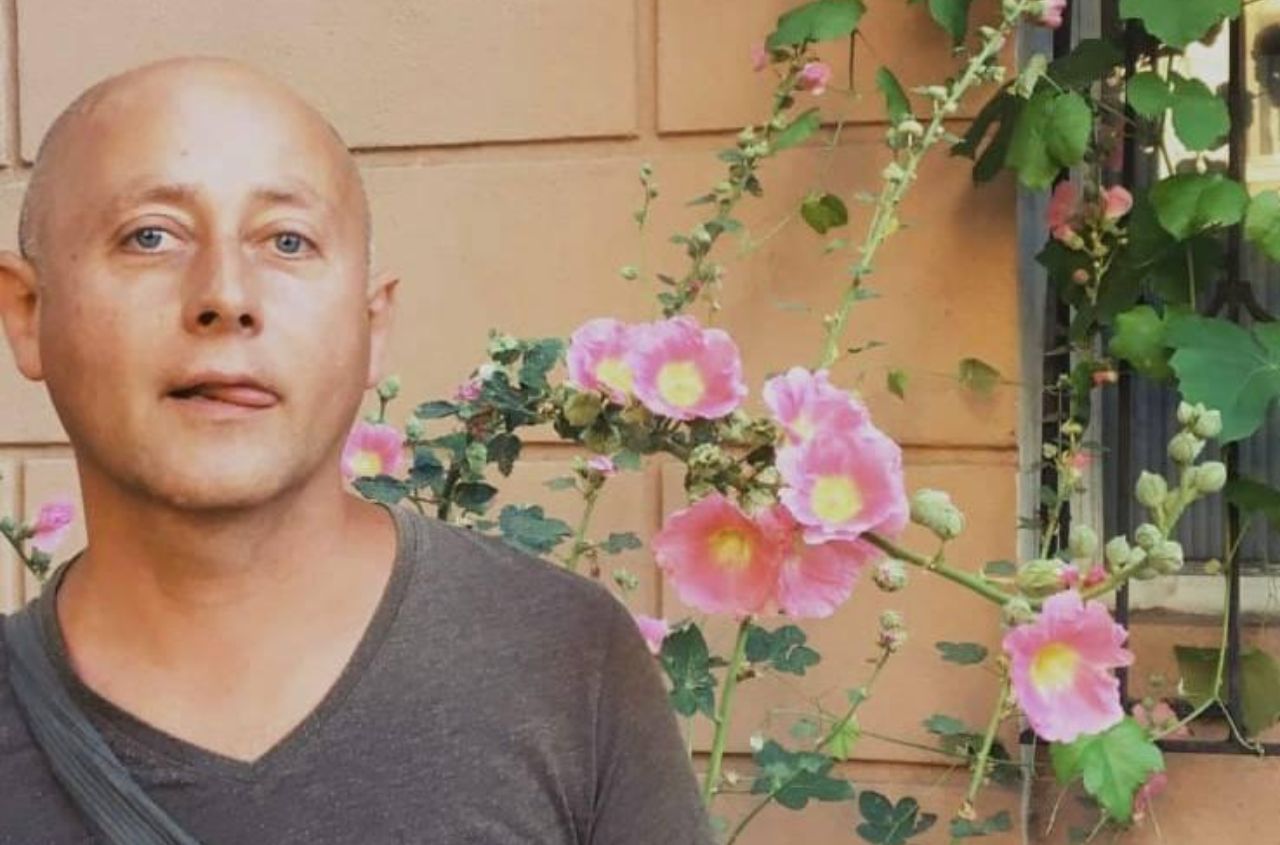

Main Image: Denys Mikhov
The twenty-fifth interview through images by Andrew Sheptunov
In contemporary Ukrainian painting, some names resonate like a jazz improvisation—light, vivid, and with a touch of raw emotion. Denys Mikhov is exactly that kind of artist. His work is not merely a fixation of reality, but an emotional cast of the moment, be it a sweltering afternoon or the intimate silence of an old Odessa apartment. His works are instantly recognizable: by the bold brushstroke, the vibrating light, and that distinct, almost tangible lust for life that breaks through every layer of paint.
Mikhov is a voice of the South in the broadest sense. Born in Tiraspol (Moldova), he moved to Odessa at the age of 14, and it was this city that became the place of his artistic coming-of-age. He absorbed the region’s unique flair: the hot sun, the tartness of wine, and the boundless open spaces. His professional foundation is solid: behind him are studies at the legendary Grekov Odessa Art School and the National Academy of Visual Arts and Architecture in Kyiv. This combination of the Odessa painting tradition and the high academic school of Kyiv allowed him to feel absolutely free in his technique, eventually permitting him the luxury of effortless ease.
Odessa is a distinct character in Mikhov's work. He eschews tourist clichés, preferring the city’s "unvarnished side": cozy, dilapidated courtyards, the play of shadows on old facades, lazy cats, and the atmosphere of an eternal summer. He continues the traditions of the Southern Ukrainian school of painting but filters them through a prism of modern perception. His city is not frozen in the past; it lives, breathes, and changes, while remaining that legendary Odessa we love.
A special place in the artist's oeuvre is occupied by the nude genre. Mikhov's female images are far from glossy standards, and therein lies their beauty. They are a hymn to naturalness, sensuality, and plasticity. As critics accurately note, his heroines are often captured in complex, almost acrobatic angles, which demands virtuoso draftsmanship from the artist. But behind the complexity of the pose, there is never a mere desire to demonstrate skill, but a drive to capture raw emotion, playfulness, and that certain mischievous spark that makes a woman a muse.
Denys's style is often termed expressive realism. He does not write out details with photographic precision; he paints the mood. There is something Impressionistic about it, but with a denser, more material texture. Each of his paintings is concentrated energy splashed onto the canvas, a dialogue with the viewer without intermediaries or complex conceptual labyrinths.
For Denys Mikhov, painting is, first and foremost, honesty. There is no attempt to seem better, more complex, or more trendy. There is only the artist, the subject, and that invisible current that sparks between them. Perhaps that is why his works are so warmly received by both collectors and casual viewers alike: one can feel the pulse of real life in them, without filters or retouching.
But how do you speak with an artist who is accustomed to expressing his thoughts through color and form? Words are often clumsy; they narrow meanings, whereas painting expands them. We decided that Mikhov's inner world is best revealed not by his words, but by his works. After all, a painting is the most honest answer to any question. We proposed an unusual experiment to Denys: an interview without words.
We asked him questions—about life, feelings, and Odessa—and he answered them with his paintings. See the results below.
1. Which painting starts your morning?
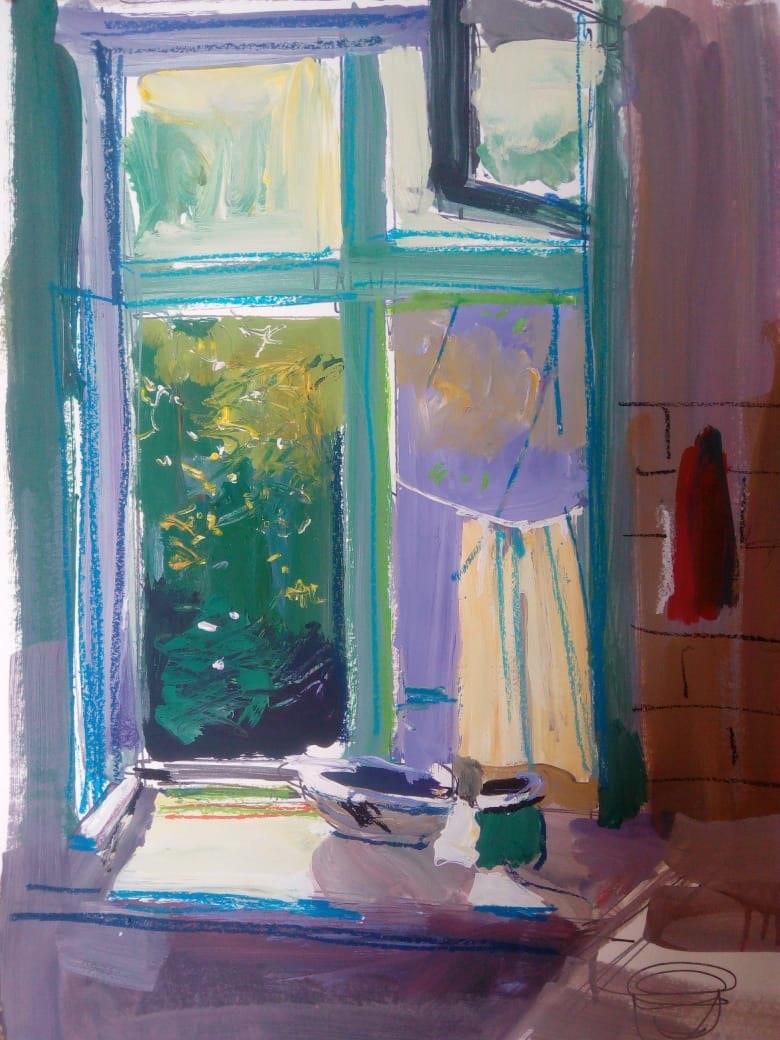
2. Show me "that" Odessa woman legends are made of.
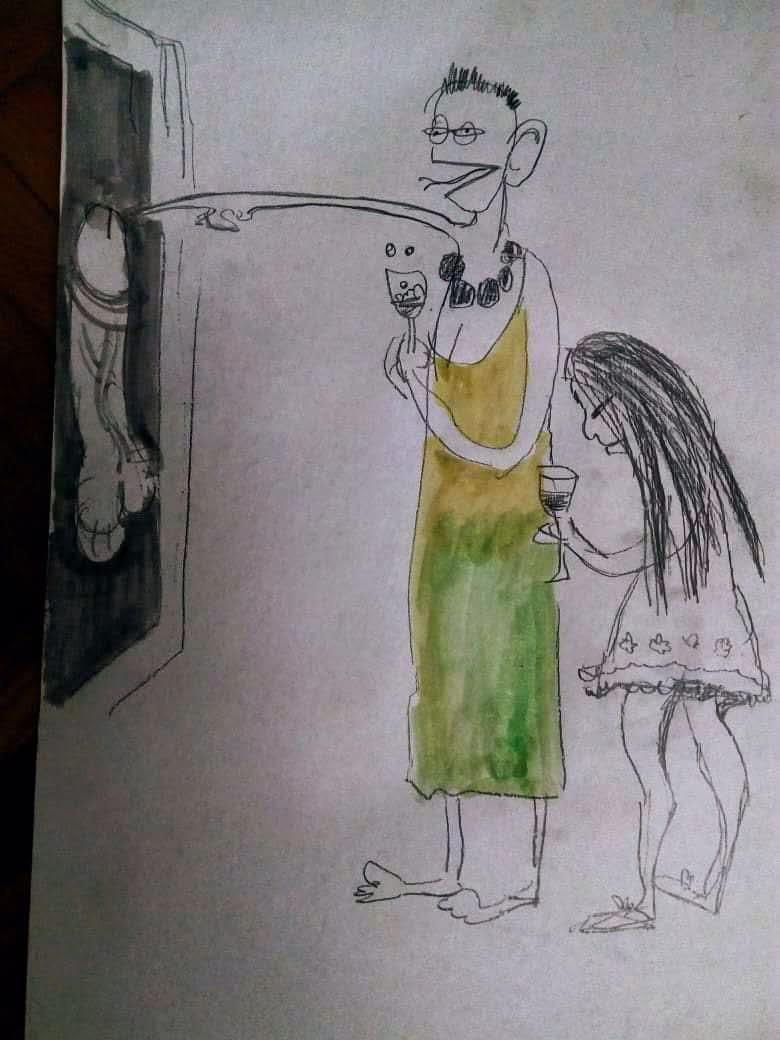
3. A painting that sounds like jazz.
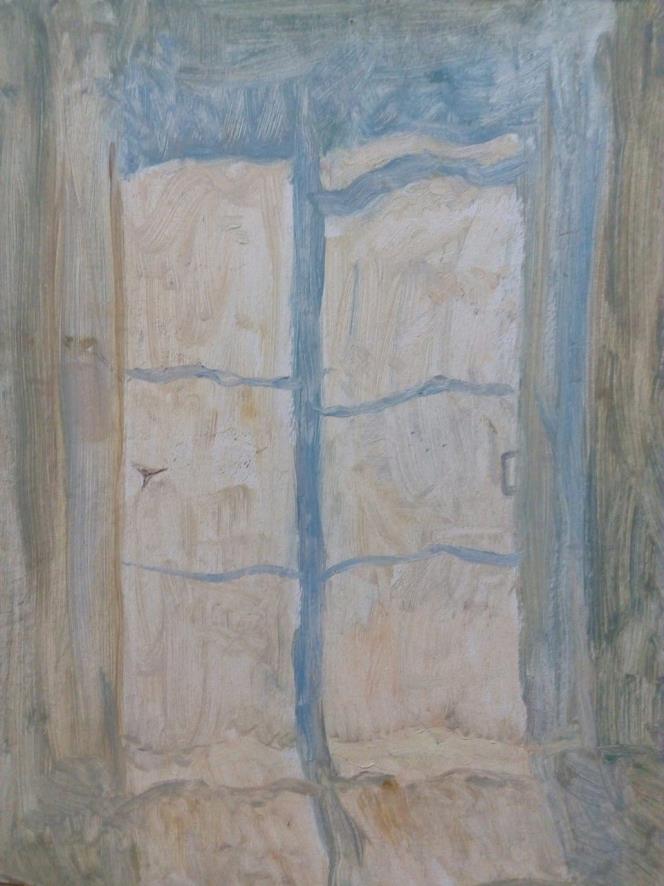
4. What does the wind look like in the Bessarabian steppe?
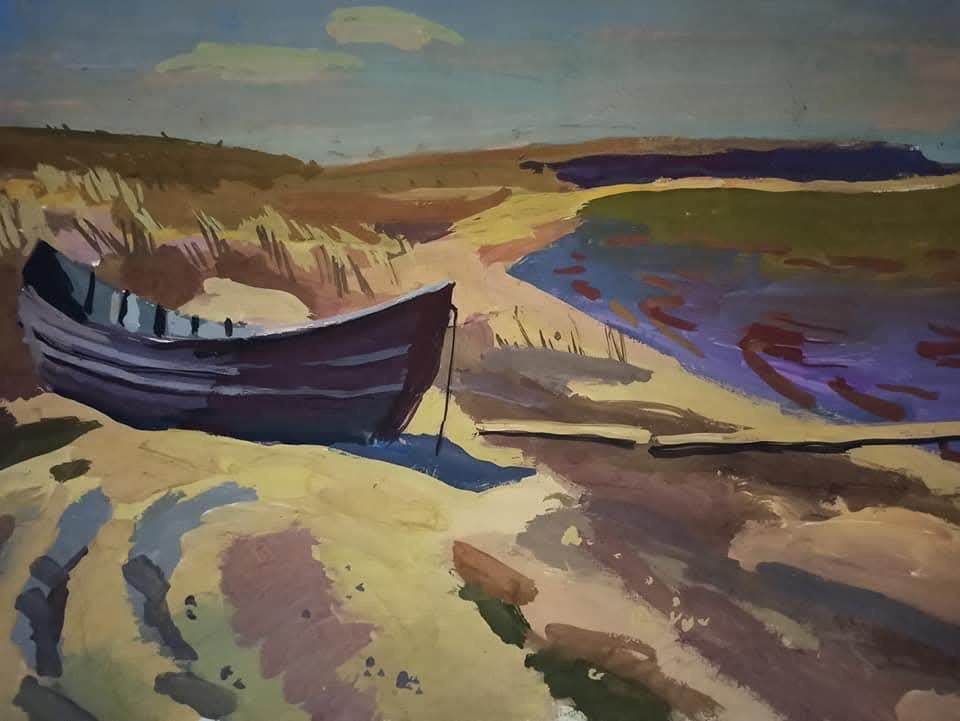
5. The moment gravity stops working.
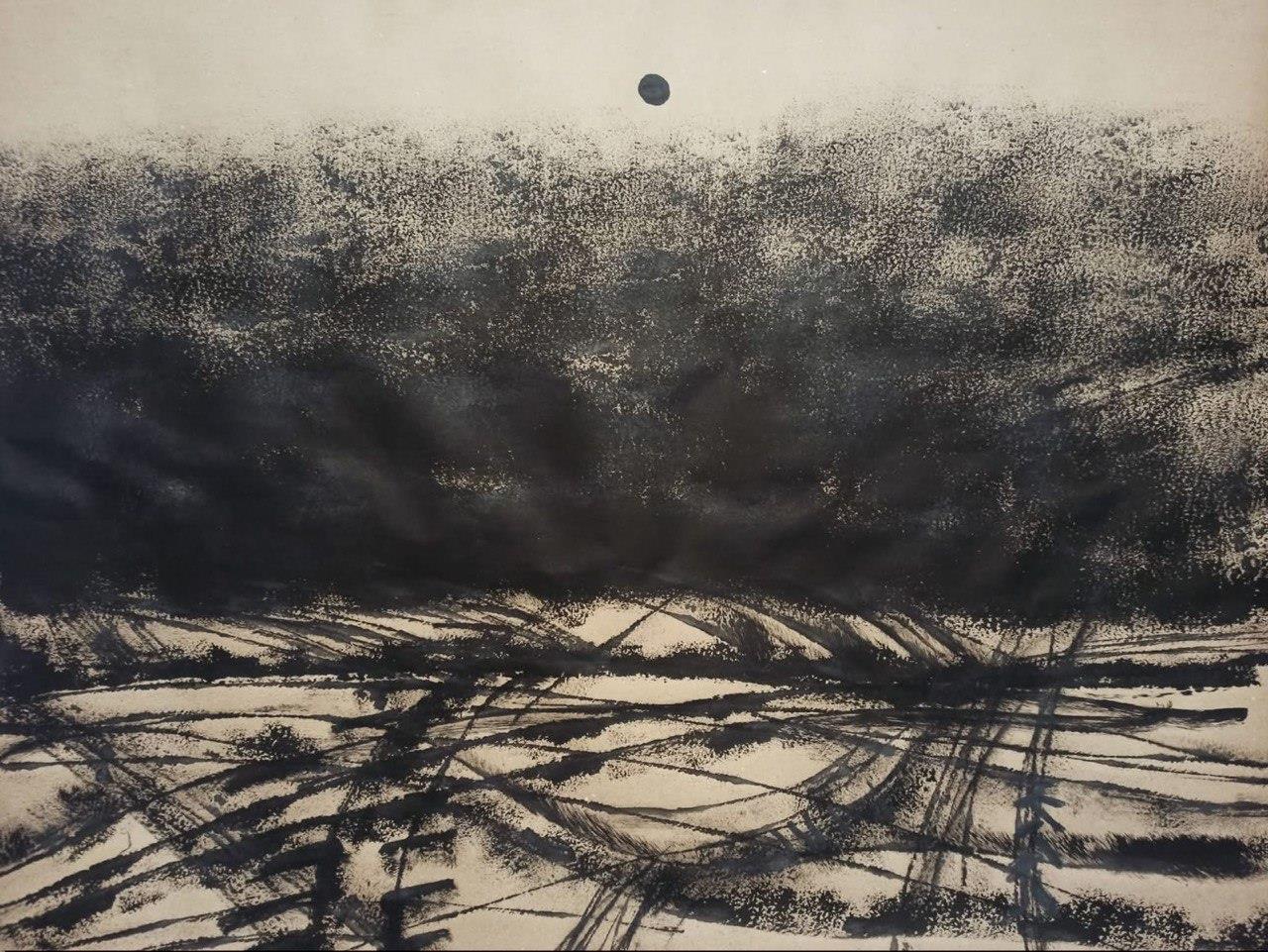
6. Where does the soul of an old courtyard hide?
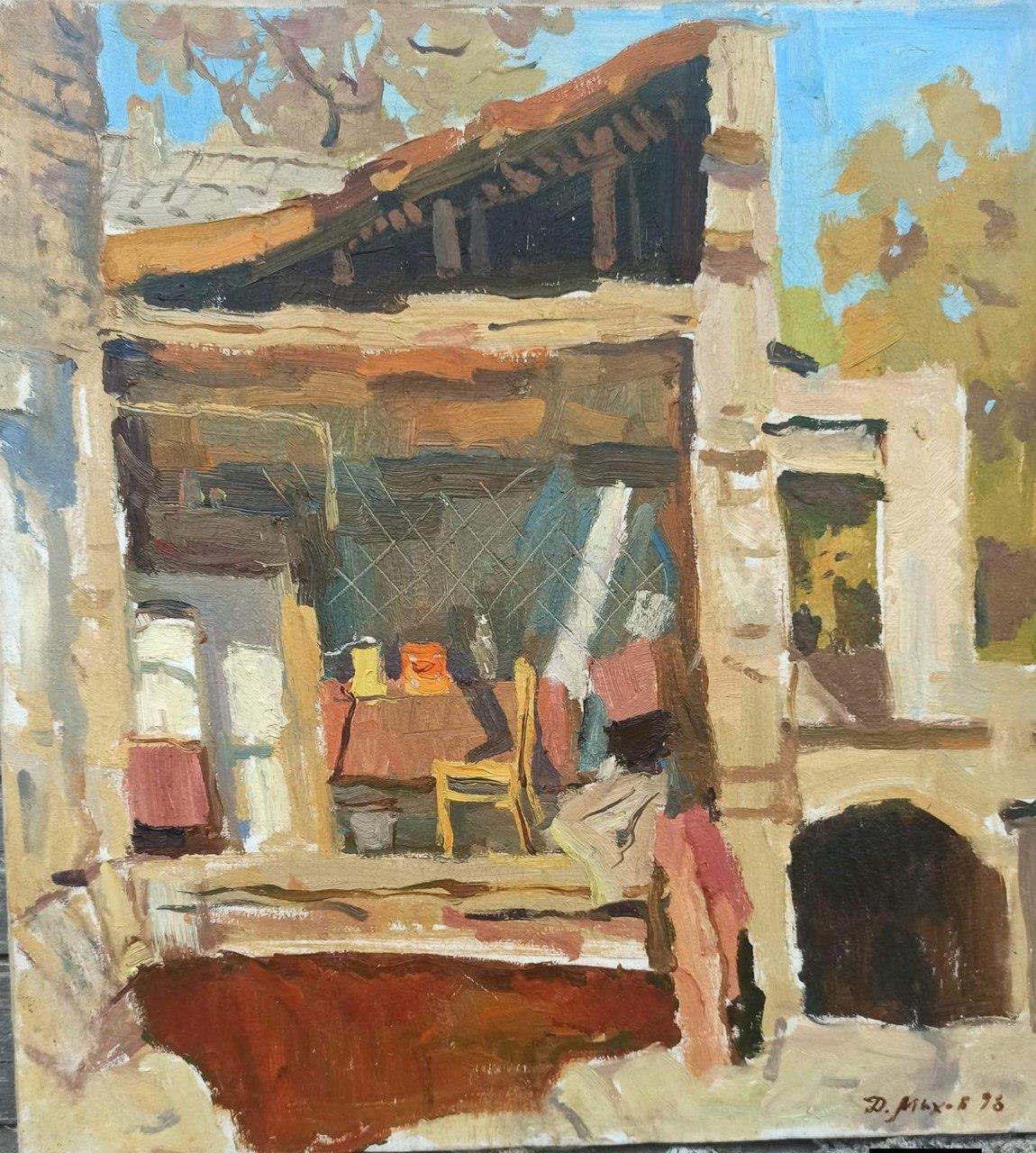
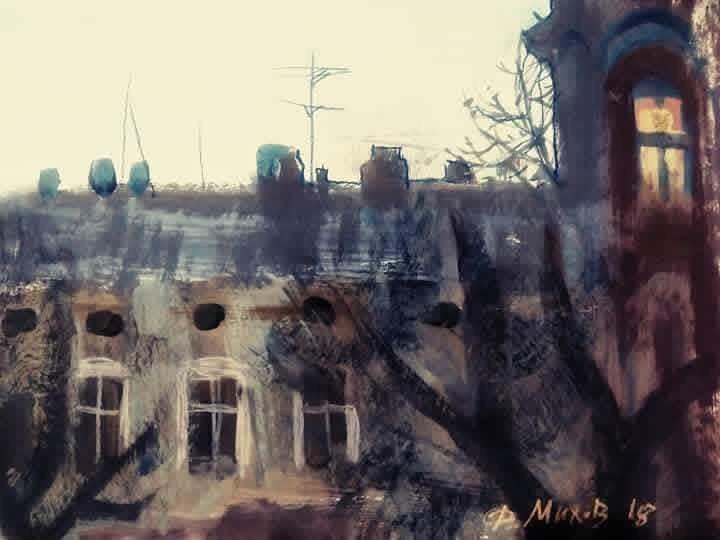
7. Show me a gaze that is impossible to forget.
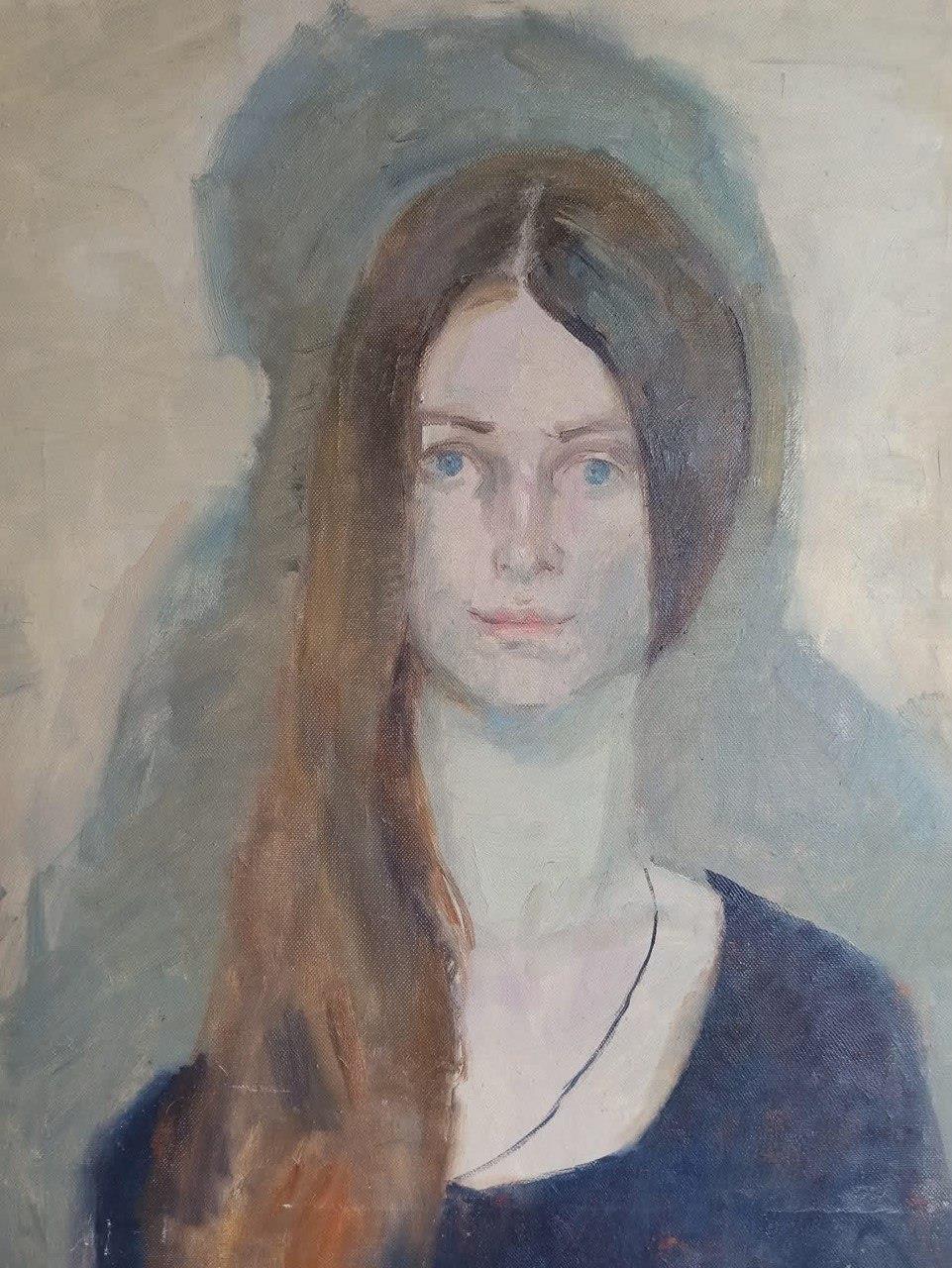
8. Your "tastiest" work (literally or figuratively).
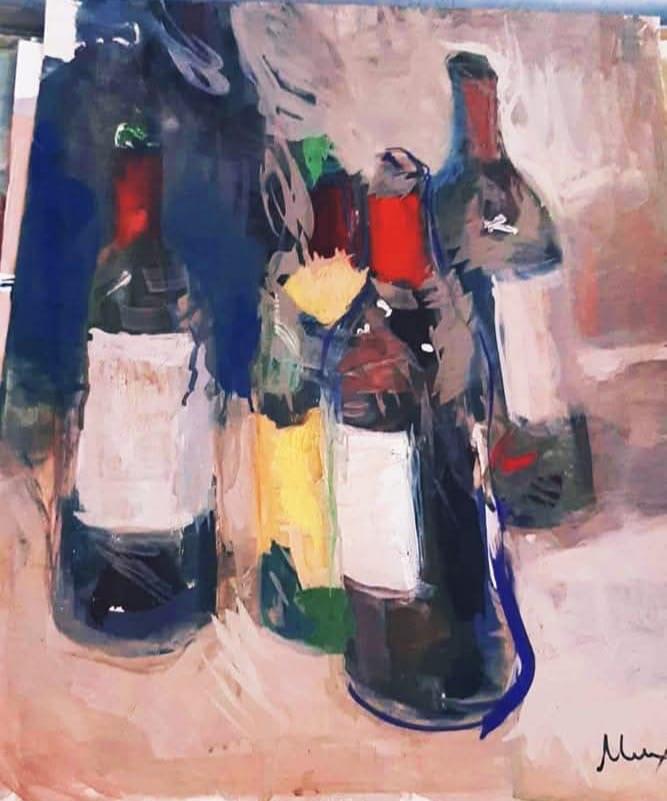
9. A "joke painting" that only insiders will understand.
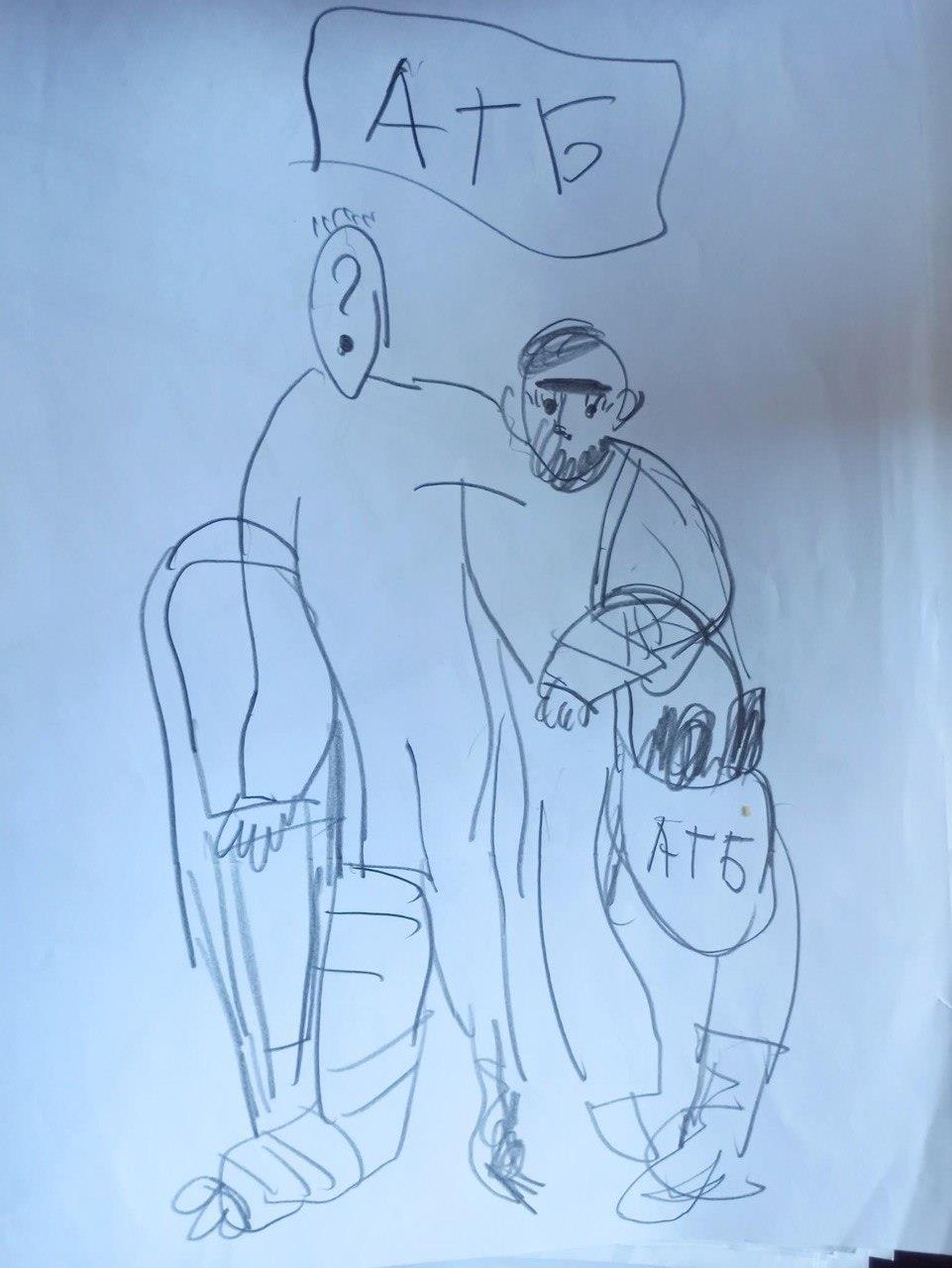
10. A landscape where the memory of your ancestry lives.
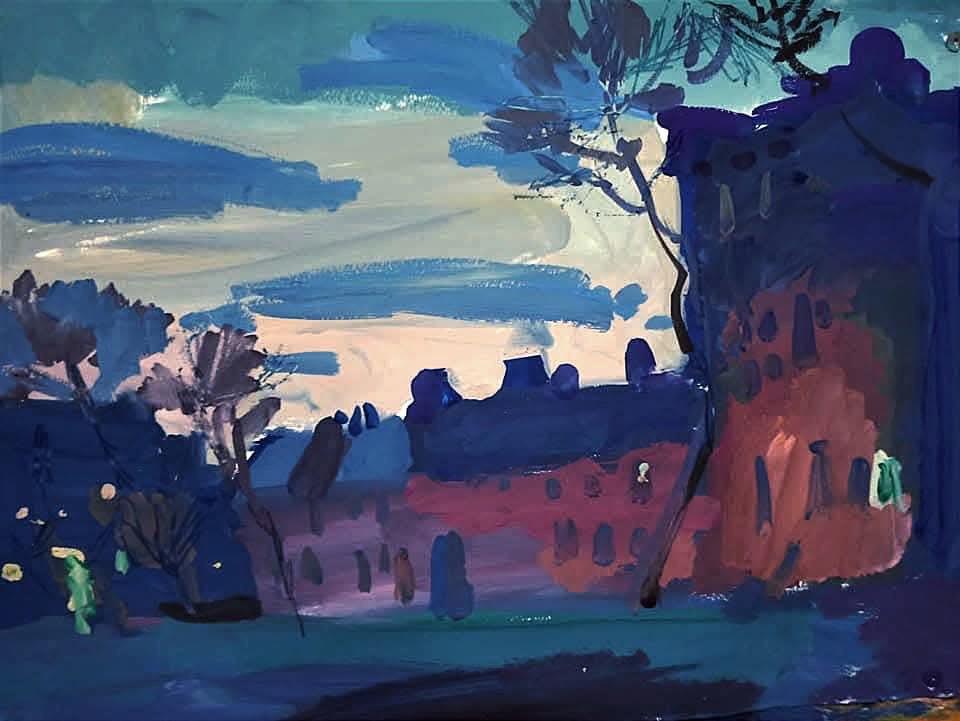
11. The painting you would find hardest to part with.
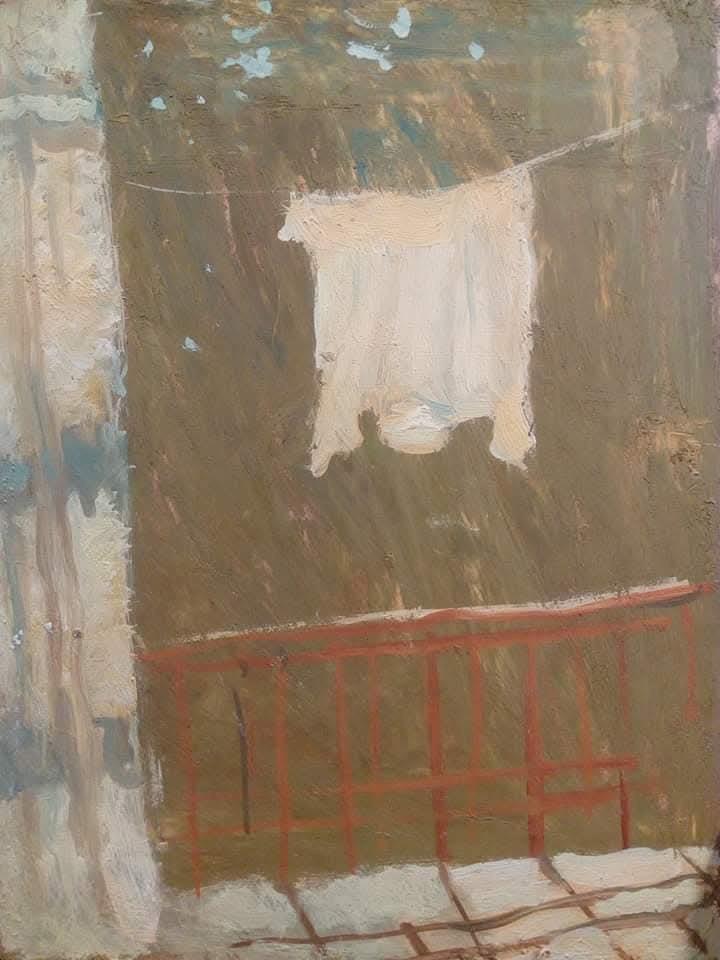
12. A moment of absolute freedom transferred to canvas.
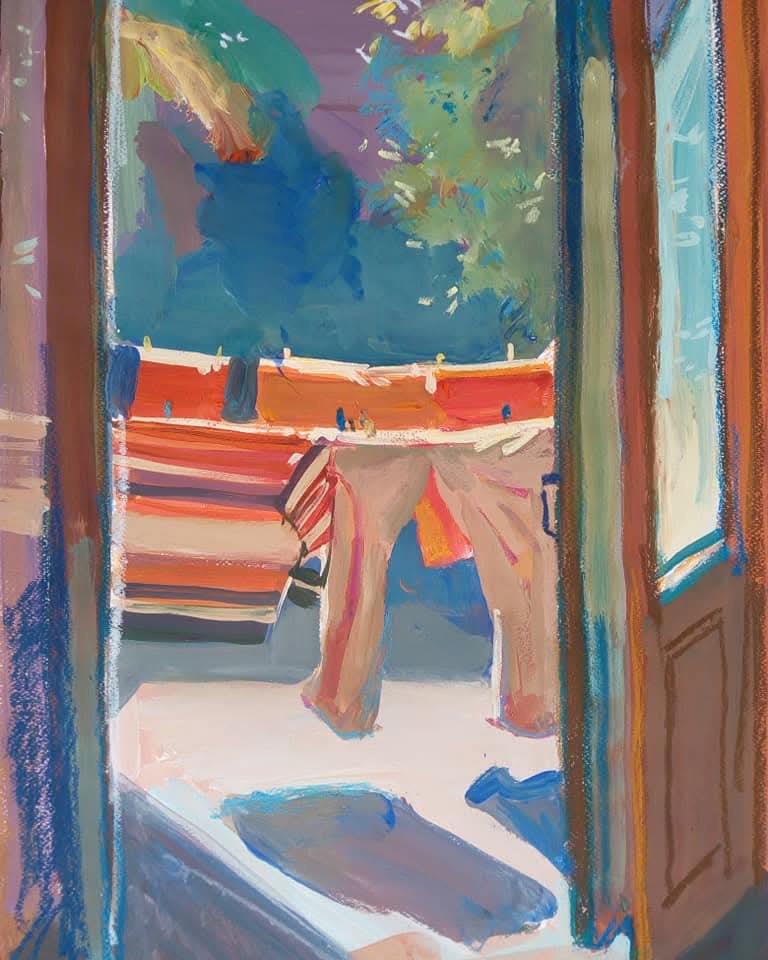
This visual dialogue explains who Denys Mikhov is more eloquently than any manifesto. His answers require no translation—they are read at the level of emotion, be it nostalgia for the fading nature of old Odessa or awe at the infinity of the southern sky. In every work, one feels the pulse of life, that very temperament that cannot be faked.
Denys's painting is an open book that continues to be written every day. New stories are born in Odessa courtyards, on the sea coast, and in the silence of the studio.
To ensure you don't miss new chapters of this picturesque story—and perhaps to find a painting that answers your own personal questions—follow the artist's work on his official pages.
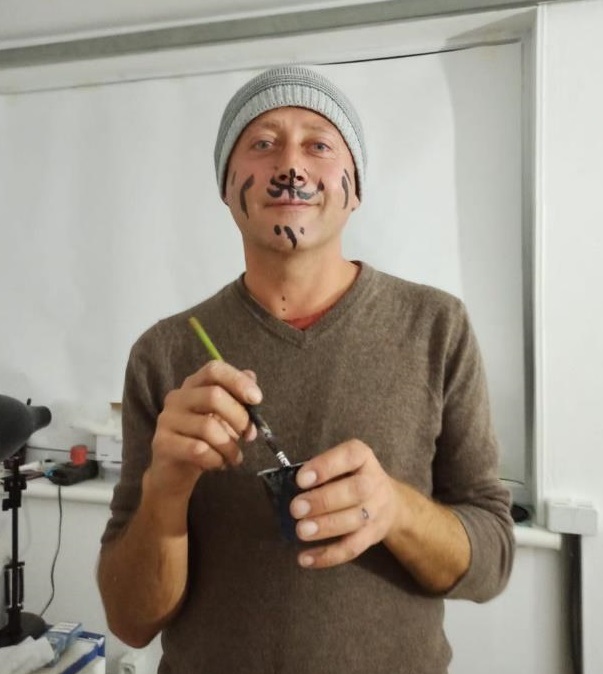
Follow new works and contact the author: