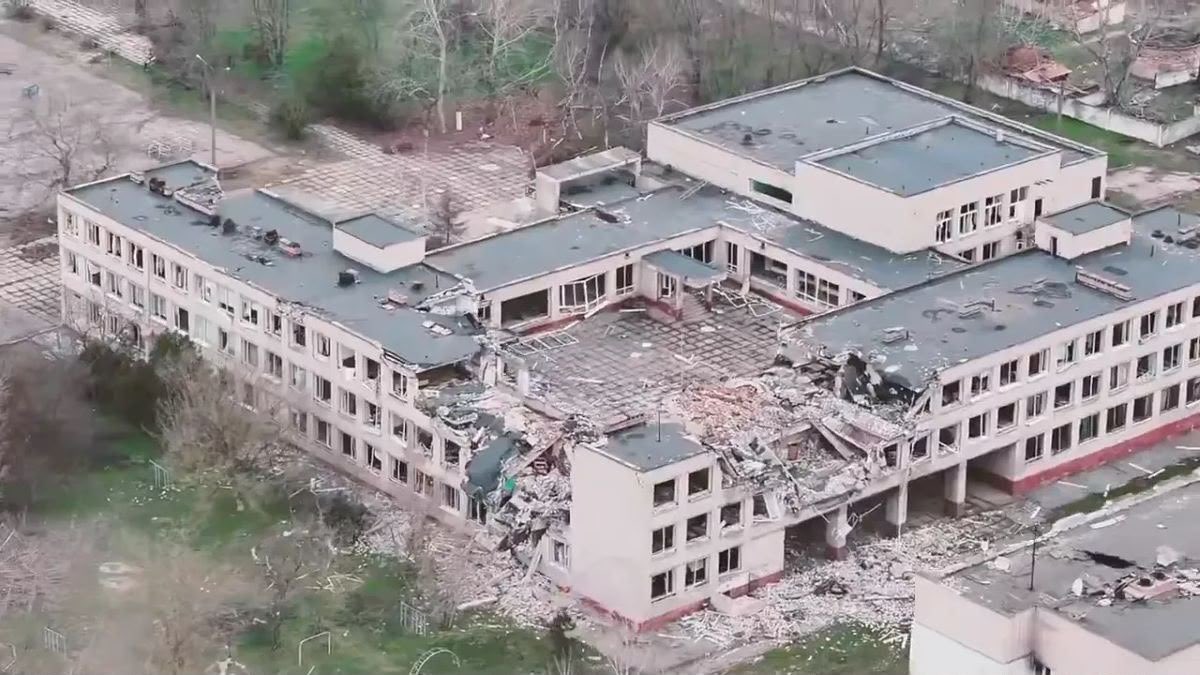



The war of Russia against Ukraine, Trump’s rise to power, and everything that happened during his year in office drew a thick line under the global security system that existed in the world after World War II.
The Epstein files drew the same thick line under the moral authority of the United States, under the example it once represented for many (though by no means for everyone).
The absence of a positive strategy for the development of humanity, the lack of goals that unite rather than divide, the prioritization of profit over the common good, and the horrific, unabashed monetization of political capital have dealt a devastating blow to the intellectual image of contemporary leaders. There is no longer anyone to hold up as an example or to emulate.
The thesis that Putin fears only the United States is mistaken. He does not fear the U.S.; he manipulates it, doing so in the best traditions of the KGB-FSB. Likewise, he does not fear Europe, because he is well aware of the existence of similar “Epstein files,” which have not yet been made public and may contain evidence of pandemic-related corruption rather than pedophilia.
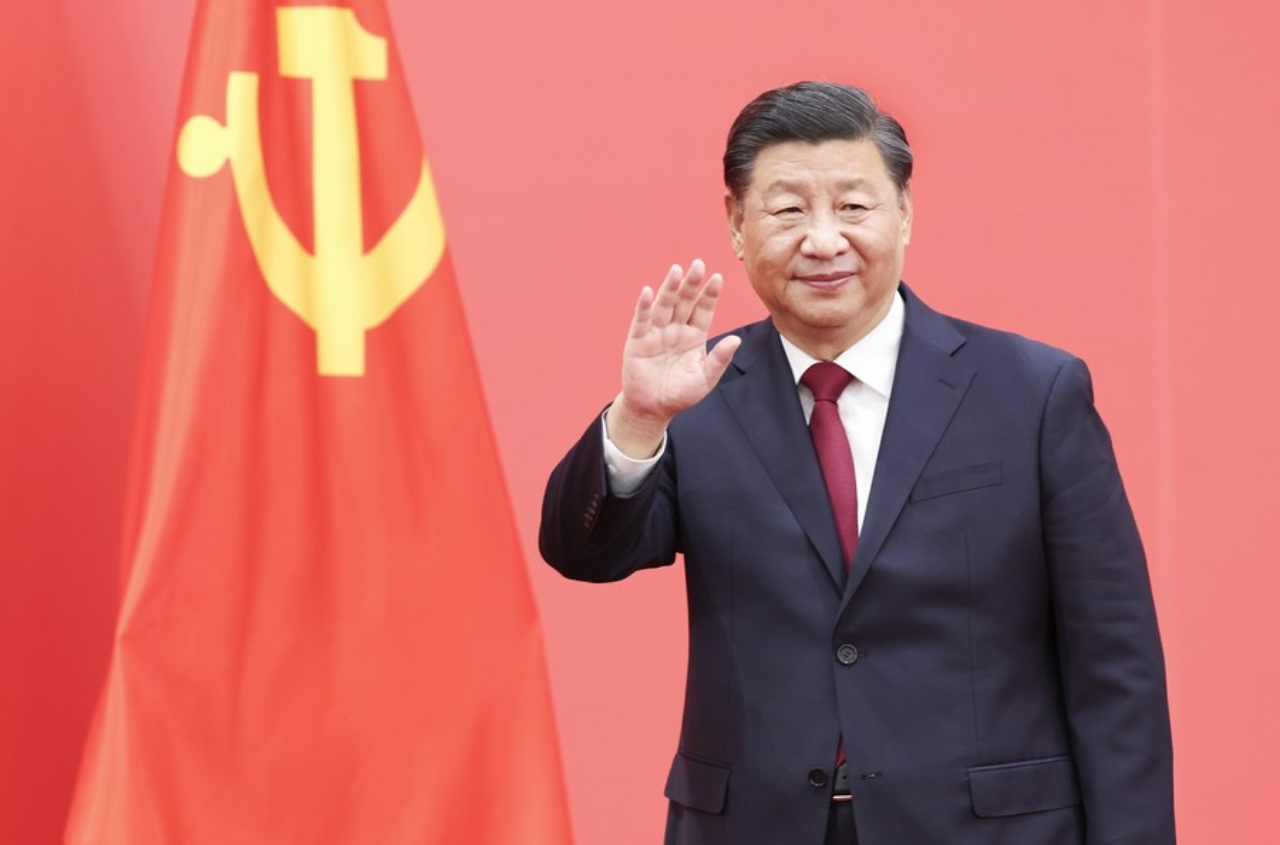
There is only one country that Putin fears: China. He has said this many times. China is the only one that could eat Putin for breakfast without noticing. China also does not fear the U.S., because in Beijing they have seen clearly how the U.S. was defeated in Korea, Vietnam, and Afghanistan, and the “victory” in Iraq hardly brought the U.S. glory. China has brilliantly used American fears from the Kissinger era to its advantage and now wants to negotiate with the U.S. again—and everything is moving in that direction already this year.
The only entity that has influence over China is Europe. For China, Europe is a huge market, an alternative to the U.S., and a source of development opportunities. The Belt and Road megaproject was aimed precisely at Europe. But Europeans must speak to China collectively and in the right tone. This must be done by a pool of countries that have a high level of localization—both in security and in economy—and that are capable of offering mutually beneficial conditions of interaction, primarily in the economic sphere. They must propose to China the creation of a new security and trade architecture in Eurasia under one condition: the taming of the maniacal Kremlin Führer.