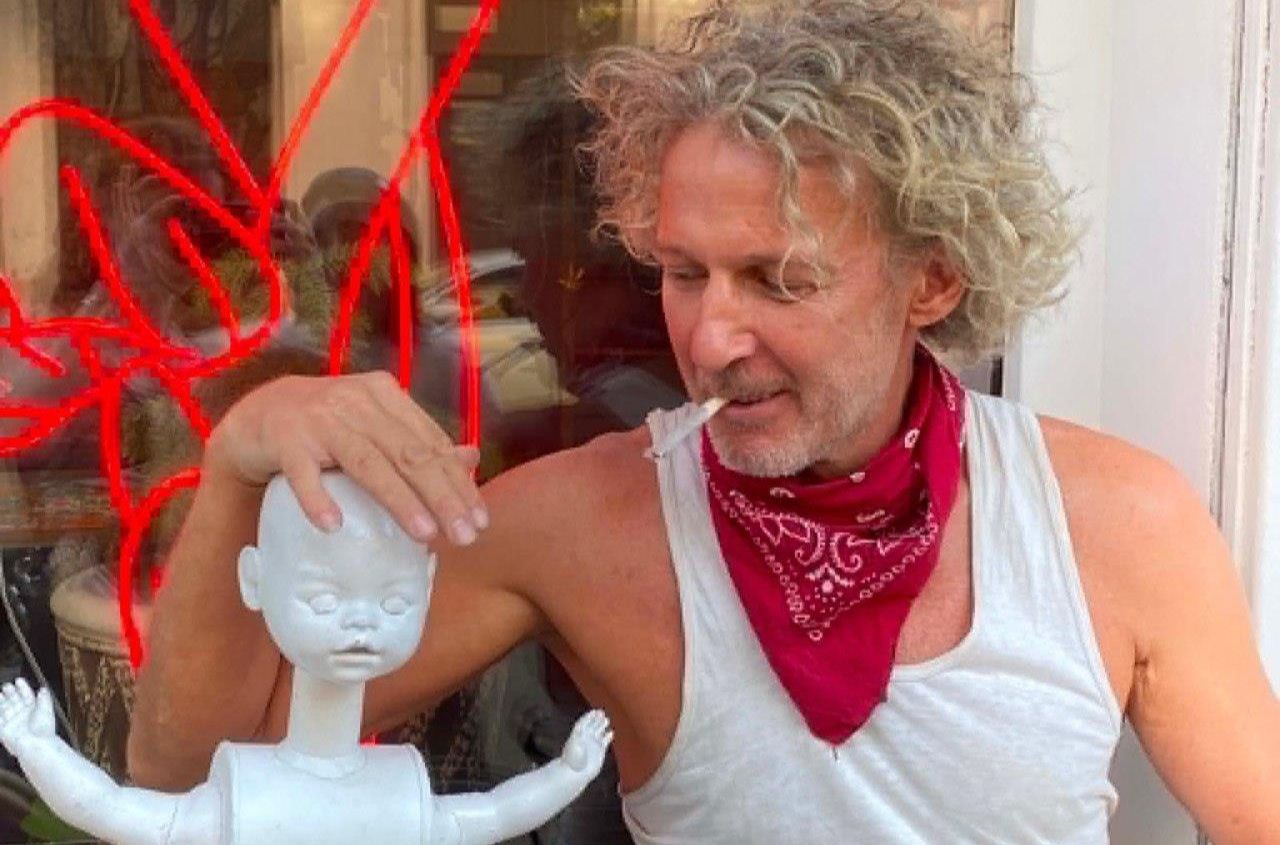


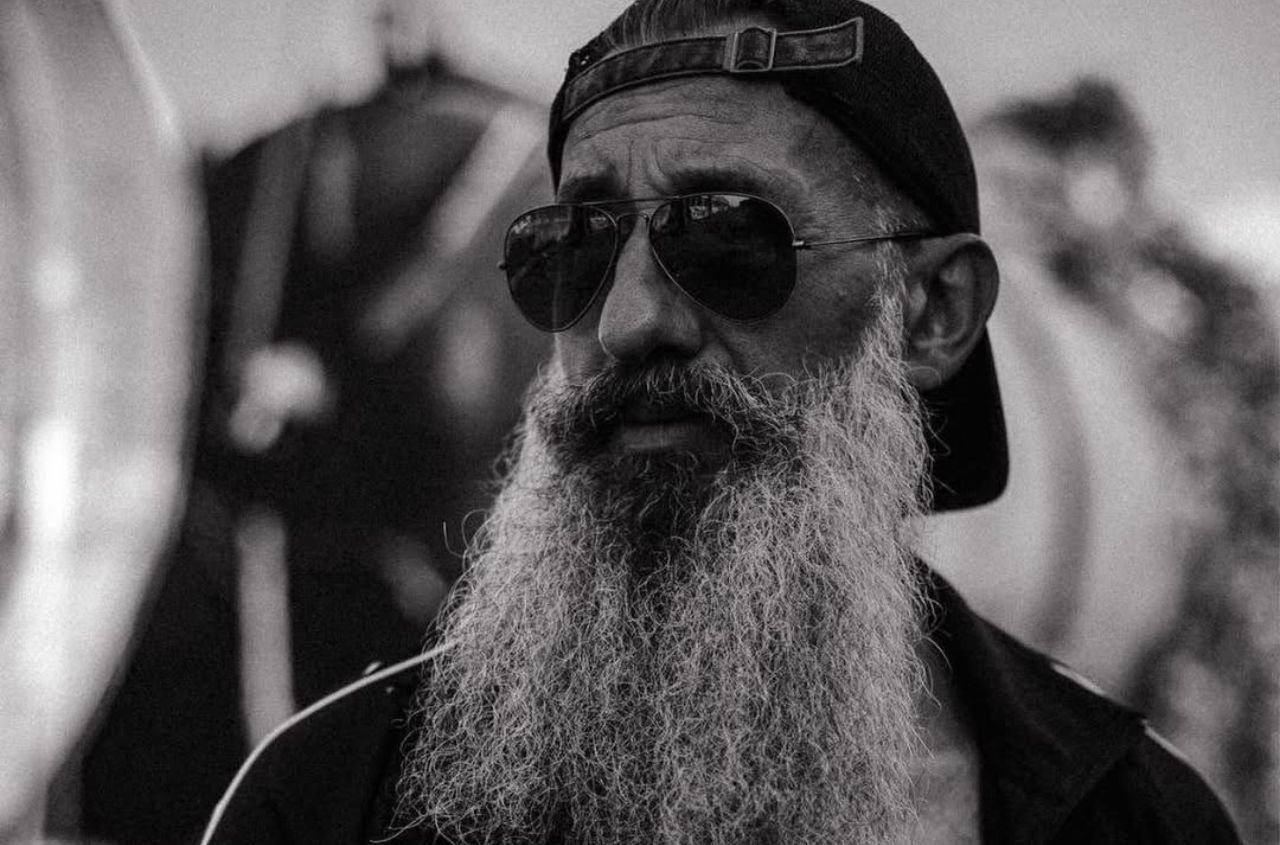

Main image: Alexander Dremov (Instagram)
The twenty-first interview through images by Andrew Sheptunov
In contemporary Ukrainian art, there are figures who prefer to speak not with words, but with images—radical images at that. Alexander Dremov is an artist of paradox, whose work balances on the verge of the sacred and the provocative.
His official biography is a manifesto of refusal to accept the inertia of the past. The story of the artist, born in 1970, begins for the art world only at the age of 40. The author leaves the period prior to this milestone outside the brackets of his public biography, preserving only vivid childhood memories of drawing on wallpaper and title pages of books. This conscious "reboot" of personality allowed him to return to academic training at a mature age and develop a unique, recognizable style.
Dremov is inextricably linked with the Ukrainian art context. His personal and group projects have been regularly exhibited at iconic venues: from the "Question Mark" gallery and the Museum of Contemporary Art Odessa (MSIO) to the halls of the Mystetskyi Arsenal in Kyiv and the Odessa National Fine Arts Museum.
Dremov's artistic language is a bold synthesis of traditional icon-painting techniques and harsh social criticism. Using canonical methods, he depicts not saints, but wars, ecological catastrophes, and social inequality. Confrontation is constantly present in his works: a form designed to convey grace is filled with content screaming of pain and injustice.
Renowned conceptualist Sergei Anufriev describes this transformation in Dremov's work as follows:
"A video camera on a crucifix is a breaking of stereotypes, an opening of eyes to the true state of things... If earlier his work was essentially like icon painting depicting the Other World, then Dremov's new art depicts our world, its problems and sorrows, its sins and delusions."
Surprisingly, Alexander Dremov has found resonance with a broad audience not only through canvases but also through the media space. He has become a star of TikTok, Instagram, and YouTube, where his content shatters all age-related stereotypes.
Viewers are captivated not only by his colorful image—a thick gray beard and tattoos—but also by his superb physical shape. In his videos, often filled with humor and self-irony, he effortlessly jumps from piers, balances on railings, or dives into ice holes. This vital energy and physical freedom obviously nourish his radical art as well.
Alexander Dremov's paintings often speak louder and more volubly than any text. They prompt a rethinking of values. Therefore, for this article, we chose an experimental interview format.
We prepared questions for Alexander—about the past, about war, about hope and fears. But instead of words, the artist answers them with his works.
Look closely. The answers are before you.
1. Which of your works became the point of no return, after which the "old" landscape painter Dremov vanished and Dremov the conceptualist appeared?
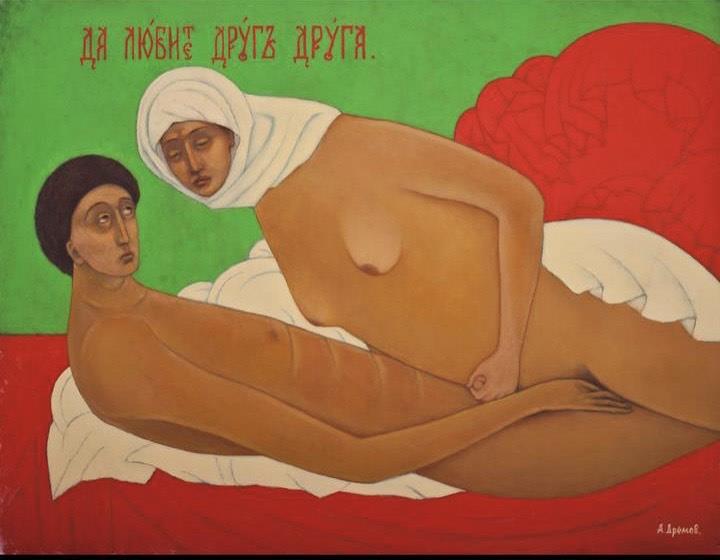
2. Which of your paintings scares you yourself?
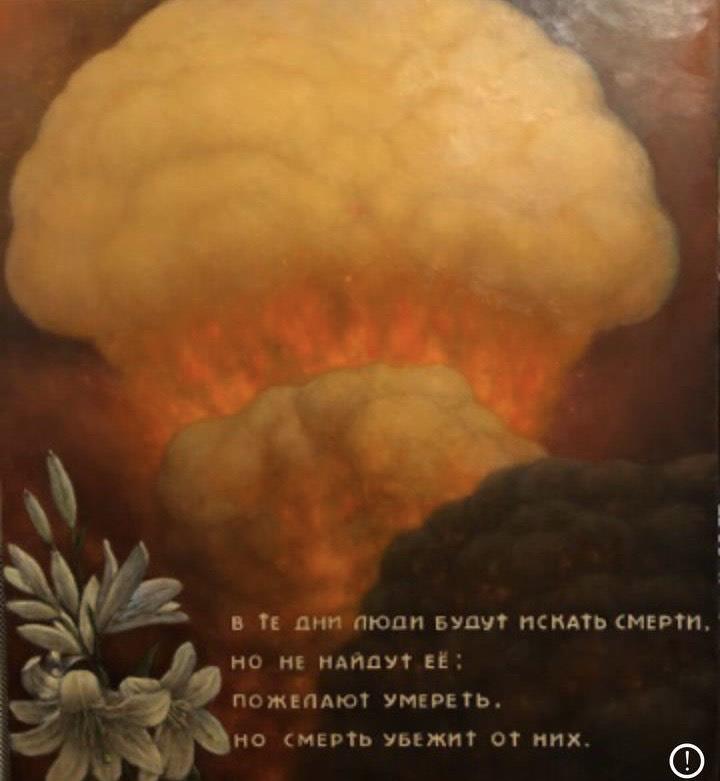
3. You work in the technique of iconography, but speak of modernity. Which work is your "icon of the 21st century"?
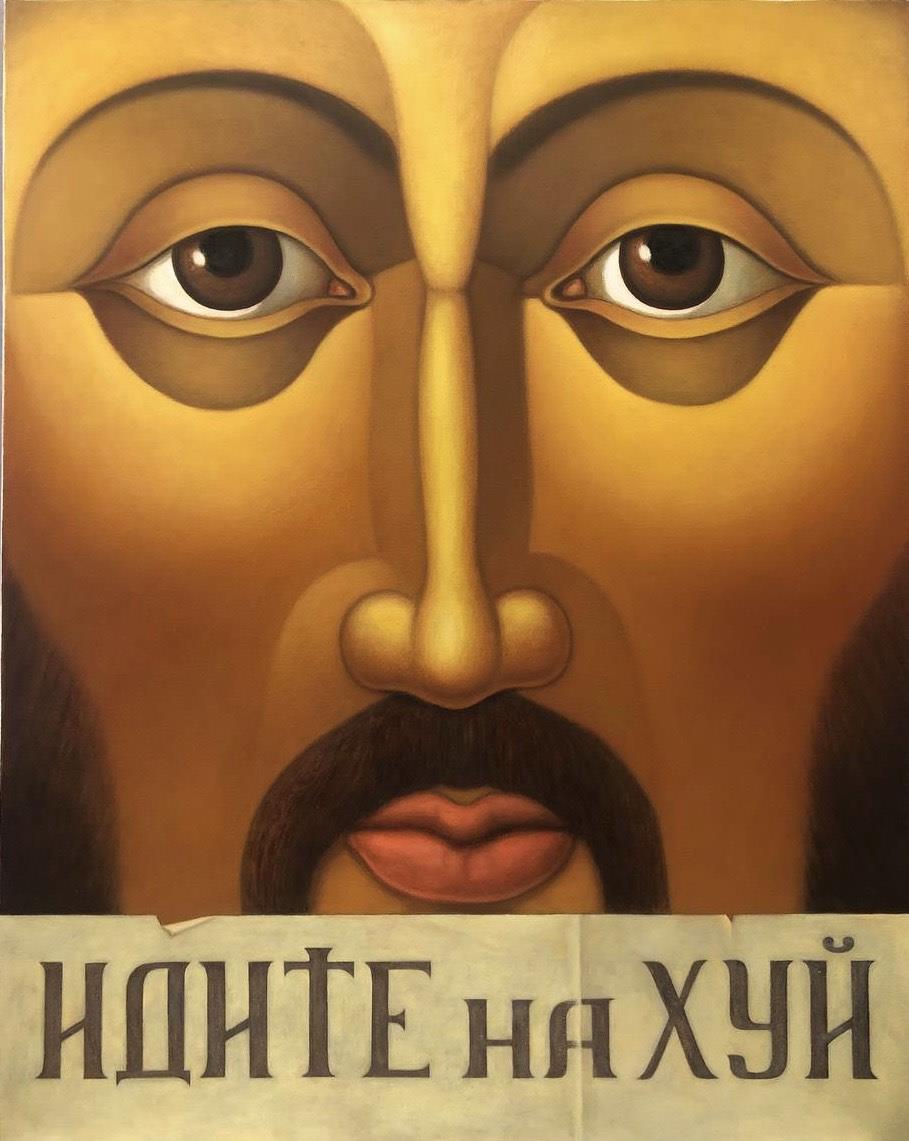
4. The theme of ecological catastrophes is often mentioned in your works. Which painting best conveys the pain of nature?
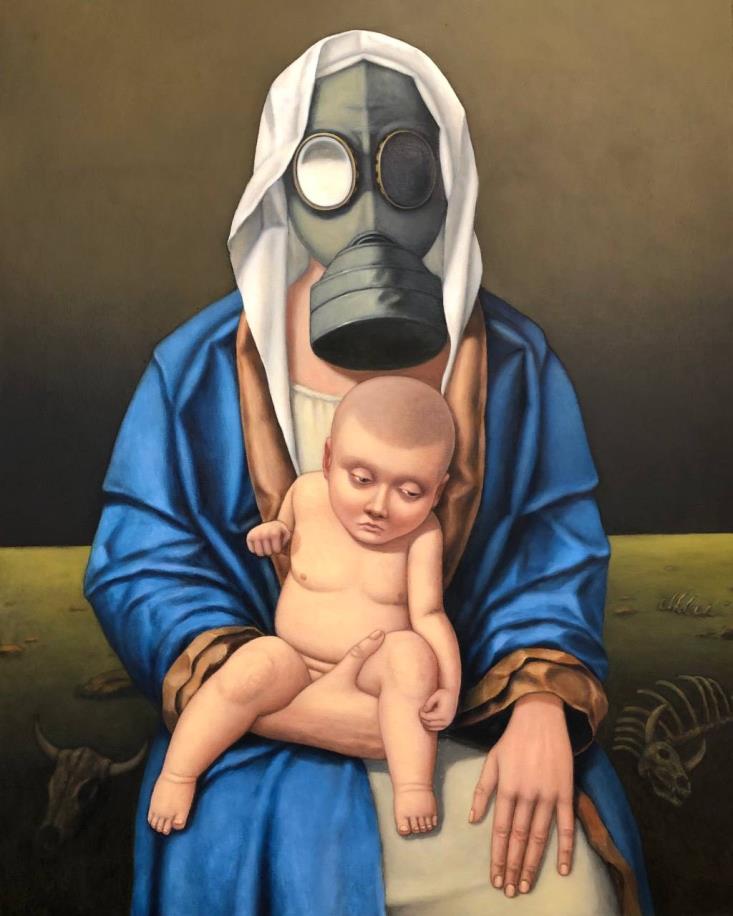
5. Which of your works causes the strongest cognitive dissonance in the viewer?
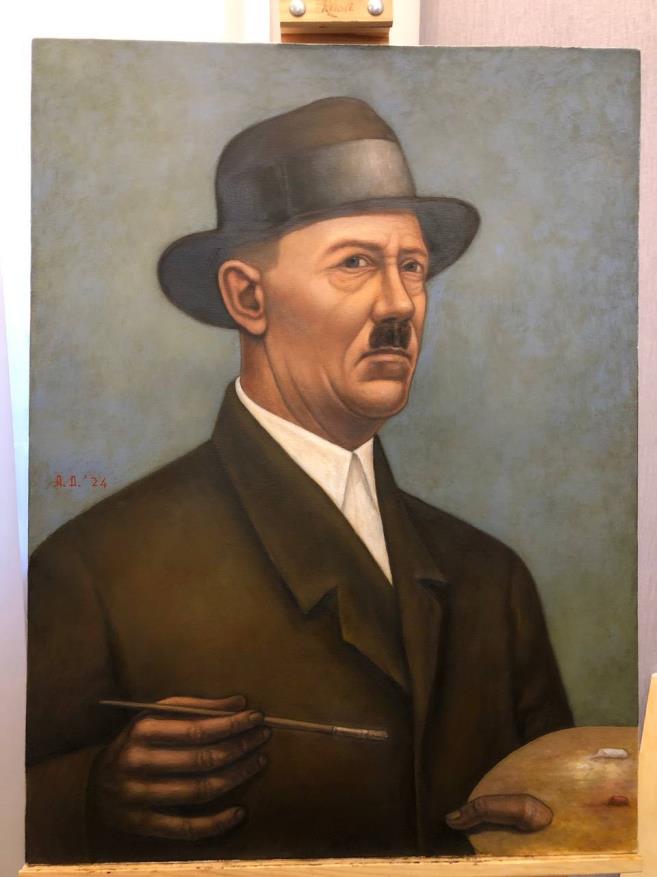
6. Which work best illustrates the concept of social inequality?
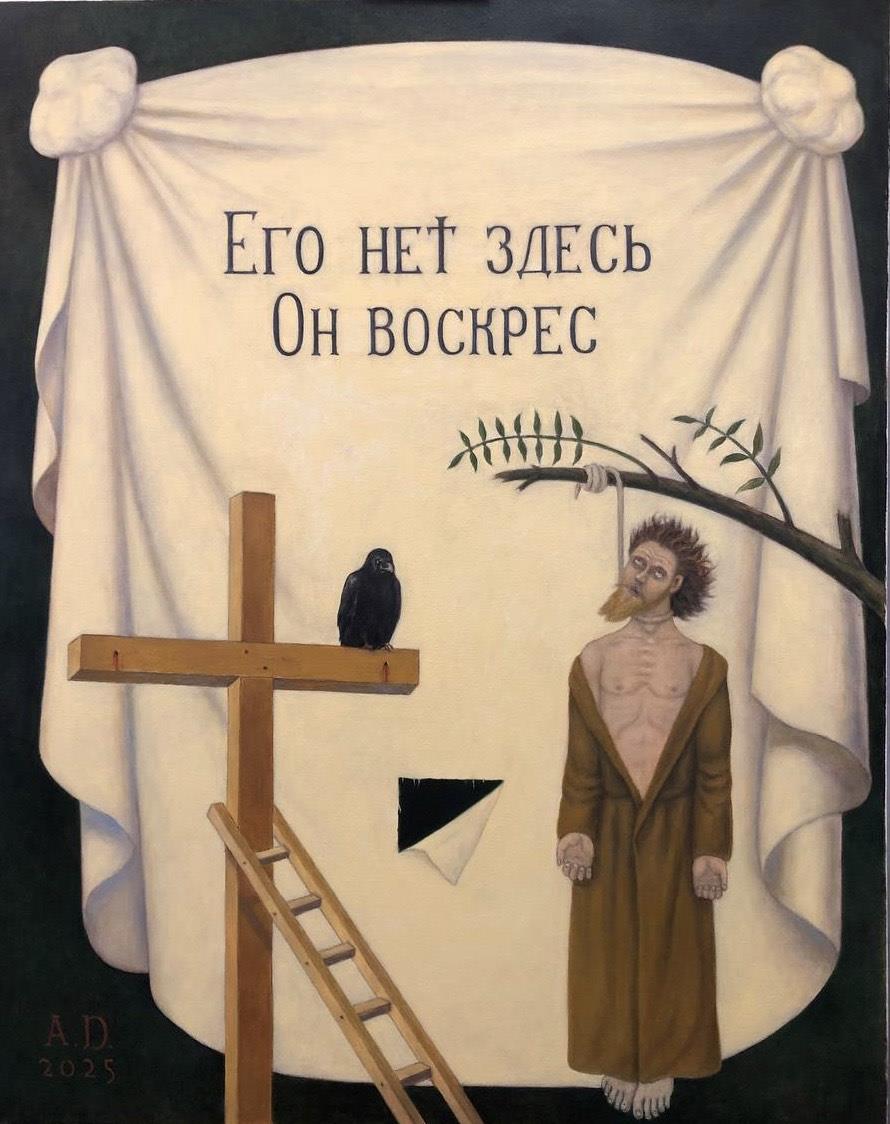
7. Which work best describes what is happening to Ukraine right now?
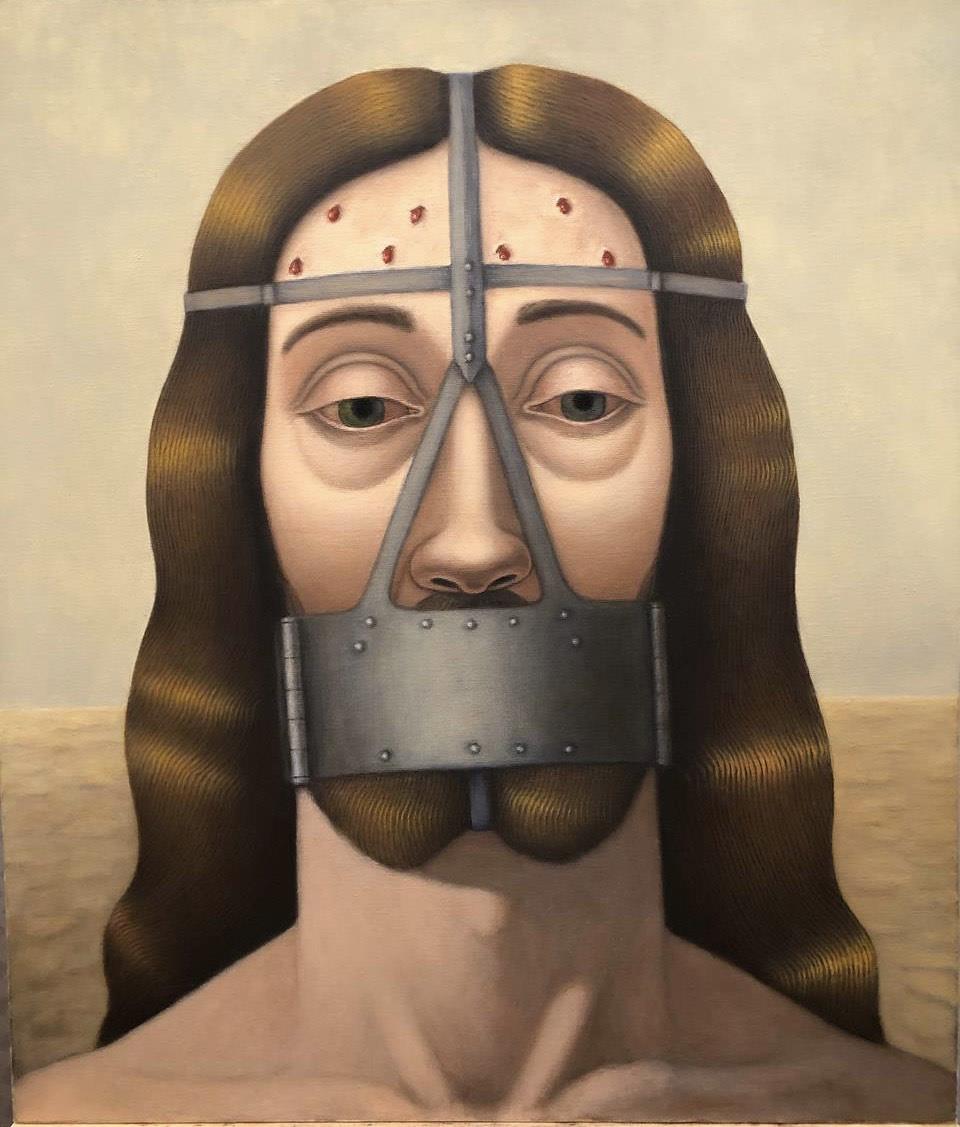
8. Which painting contains a riddle to which only you know the answer?
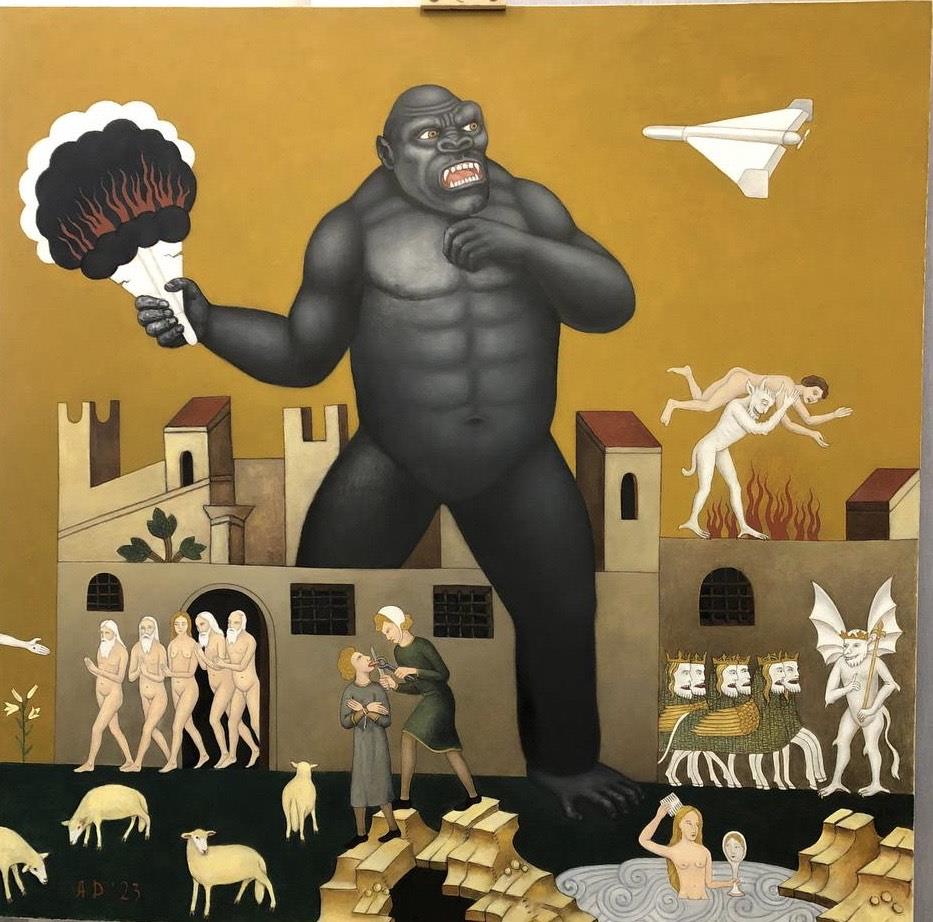
9. Which work is your personal "Hero of Our Time"?
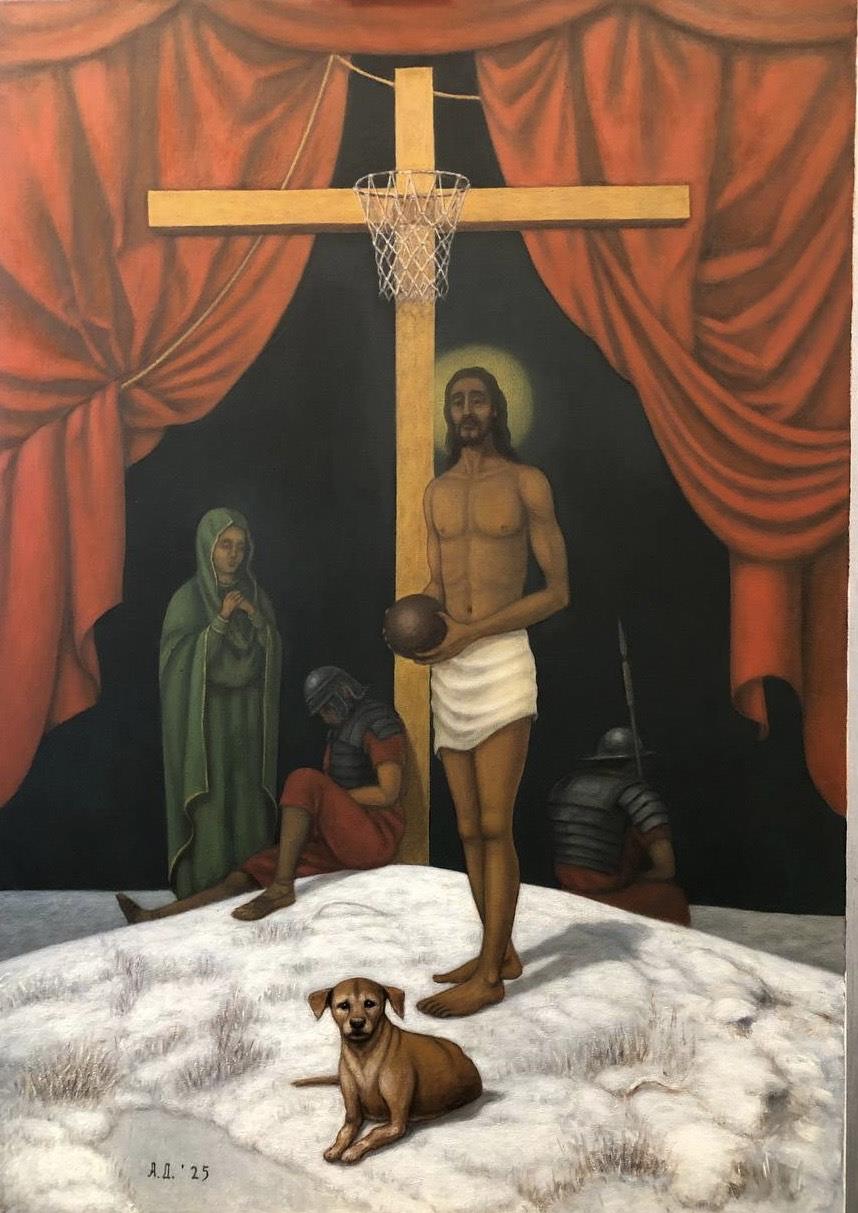
10. Which painting best conveys the spirit of "Seaside Hedonism," but from the reverse, dark side?
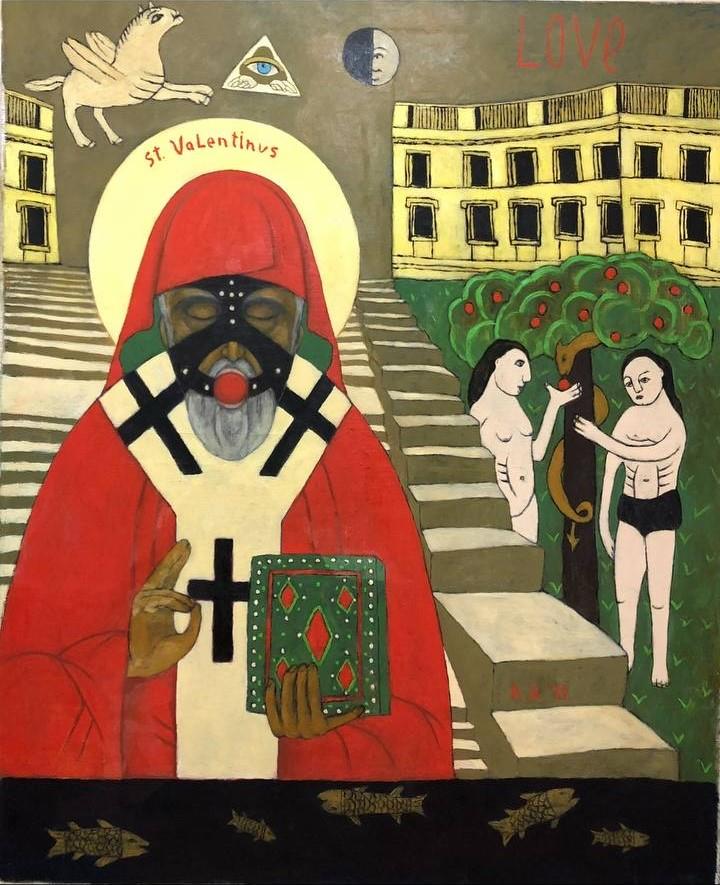
11. Which of your works could become a flag of resistance?
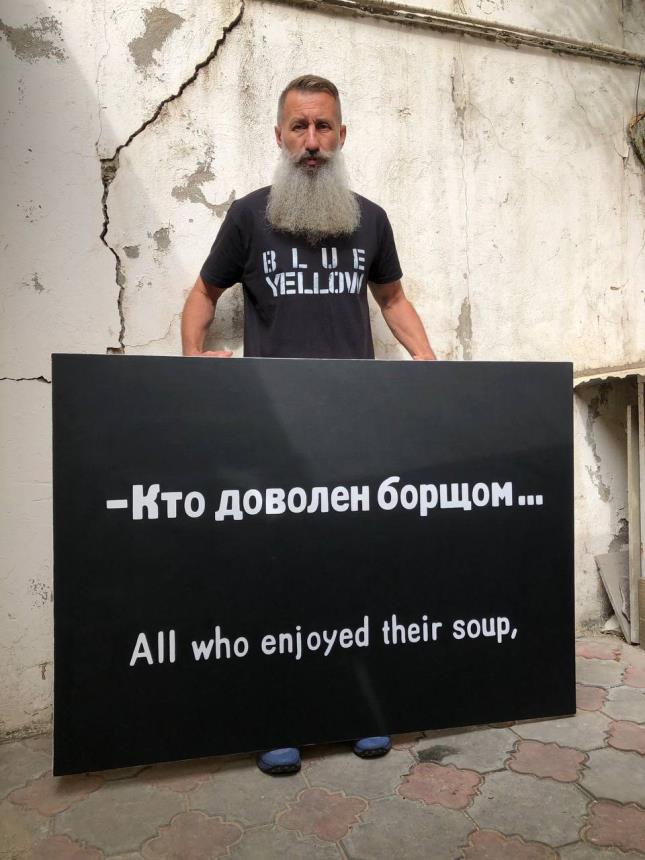
12. If you could save only one of your works for descendants in 100 years, which painting would it be?
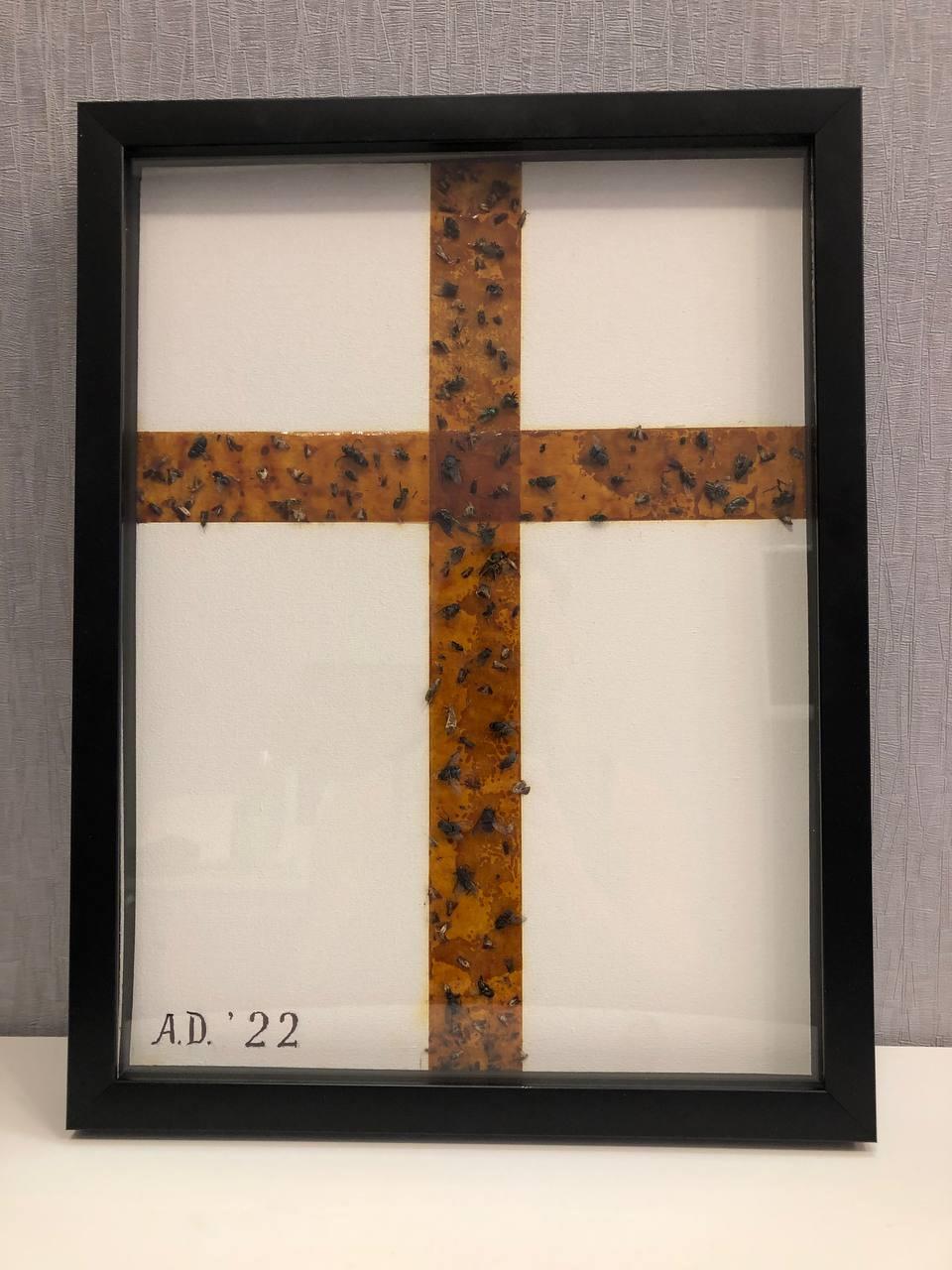
Alexander Dremov's silence sounds louder than any manifestos. His visual answers leave no room for ambiguity—they strike right at the target, exposing the nerve of the time in which we live. From an ironic reinterpretation of classics to a grim recording of the consequences of war, every canvas becomes a mirror into which it is sometimes scary, but necessary, to look.
Dremov proves that art does not have to be comfortable or verbose. It must be honest. And in this honesty—whether it be a stern face from a painting or a life-affirming jump into icy water in a social media feed—lies the secret of his attraction.

You can observe how the artist combines sacred meanings with the drive of modern life in real time. Follow Alexander Dremov's new works, performances, and everyday philosophy on his pages: