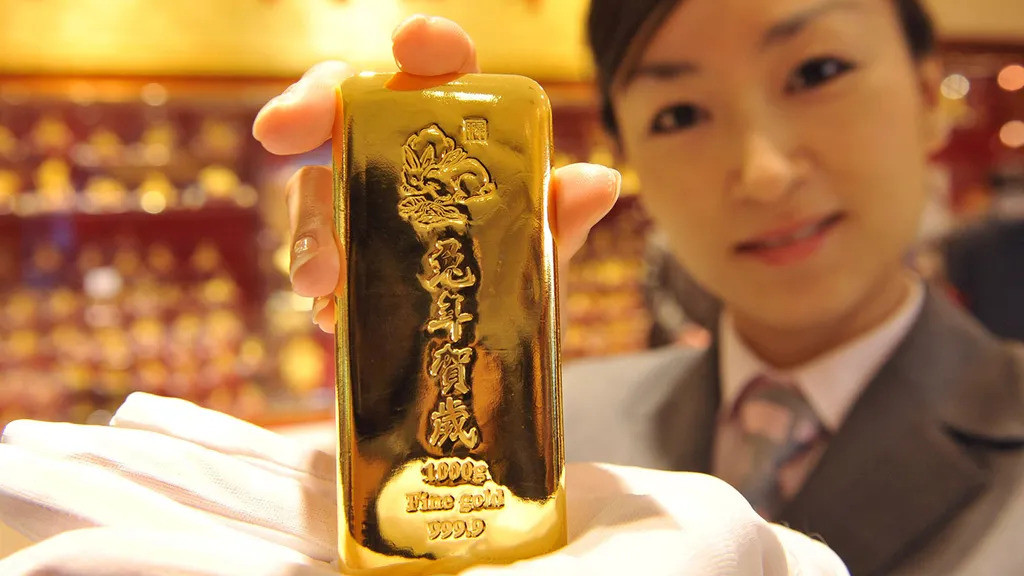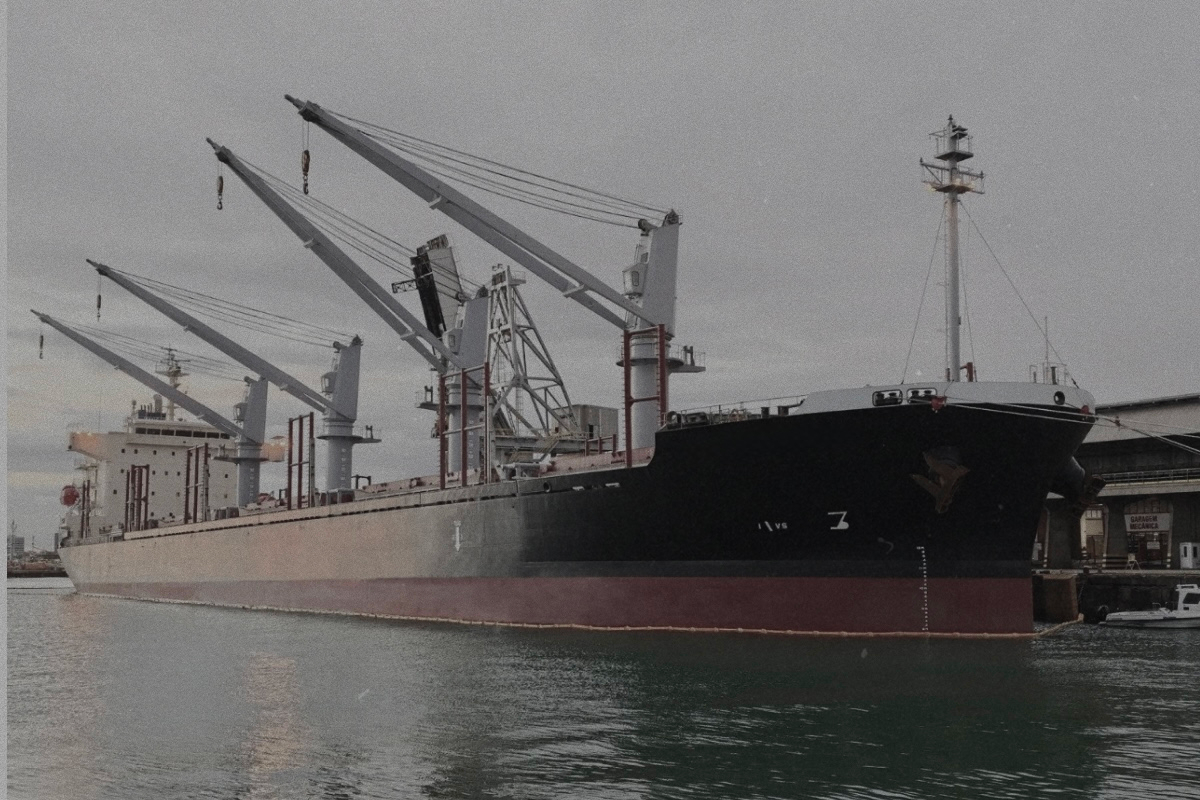




In 2025, Russia sharply increased its gold exports to China, which appears to be a forced liquidation of reserves under financial pressure. Over the year, Russia shipped 25.3 tons of gold to China—nine times more than in 2024. In monetary terms, exports rose to $3.29 billion compared to just $223 million the previous year, highlighting the scale and unusual nature of these transactions.
The shipments were uneven and situational. The bulk occurred in two periods—February–March and October–December—indicating an unstable export schedule. Peak activity was recorded in December, when Russia shipped 10 tons of gold worth $1.35 billion, over 40% of the annual volume. Such year-end concentration suggests the use of gold as a tool for rapid fundraising. Exports were mainly in the form of gold bars, allowing quick monetization of assets.
The export growth coincided with a sharp decline in Russia’s domestic gold reserves. As of January 1, 2026, only 160.2 tons of gold remained in the National Wealth Fund accounts at the Russian central bank, compared to 554.9 tons in May 2022. This trend indicates systematic depletion of reserves.
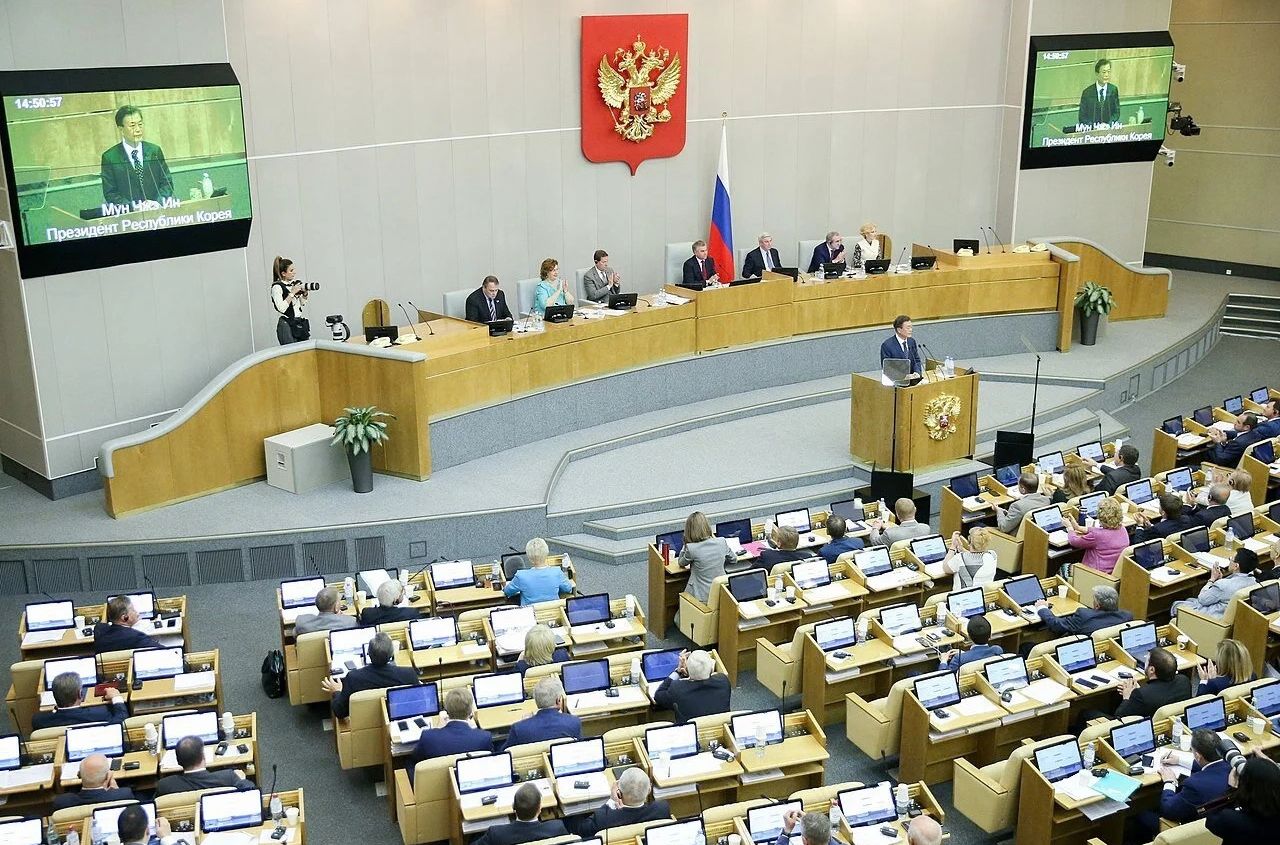
Sanctions pressure and loss of access to Western trading infrastructure forced Russia to redirect gold flows to Asia, primarily China, leaving Moscow with a limited pool of buyers. At the same time, the rapid increase in exports to China appears to be a short-term financial maneuver aimed at covering budget gaps, particularly at the end of the fiscal year, at the expense of reducing strategic reserves.