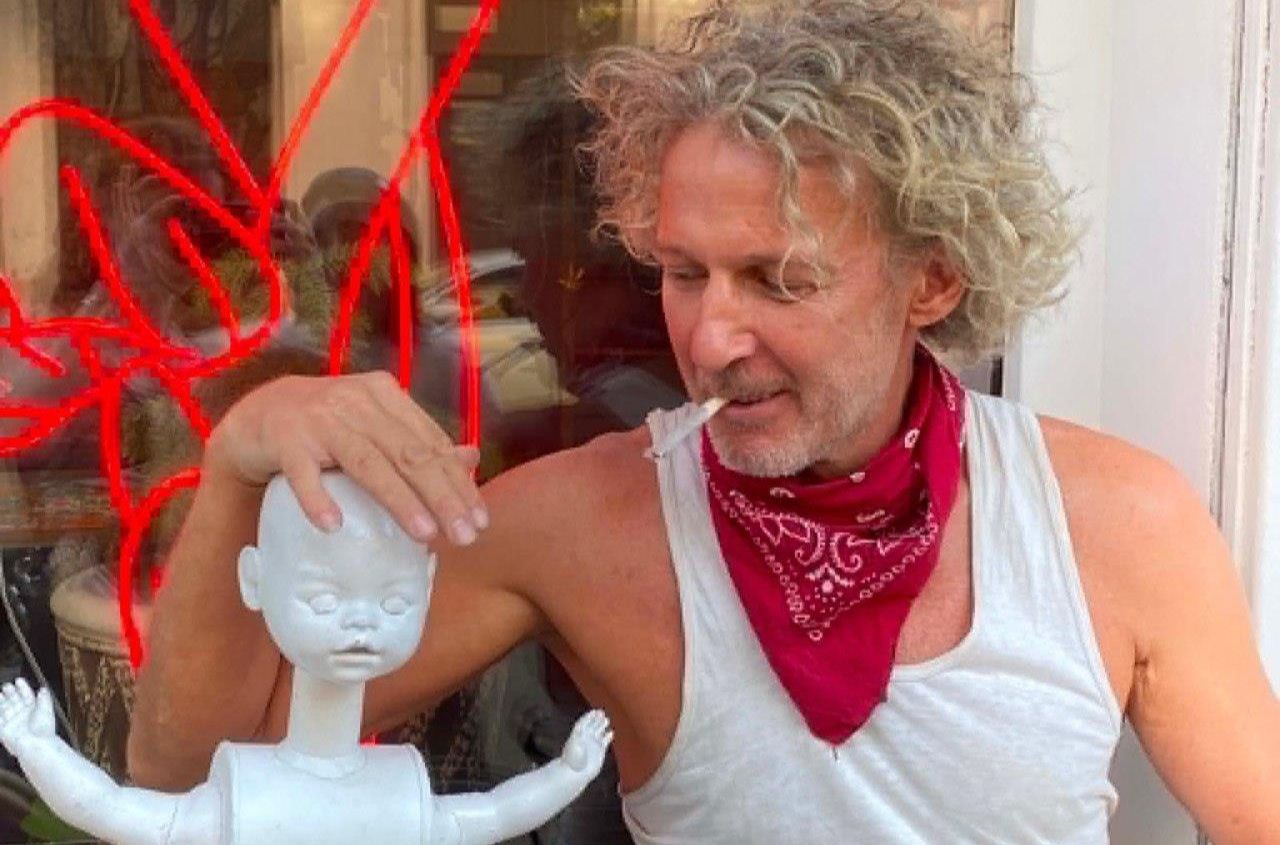


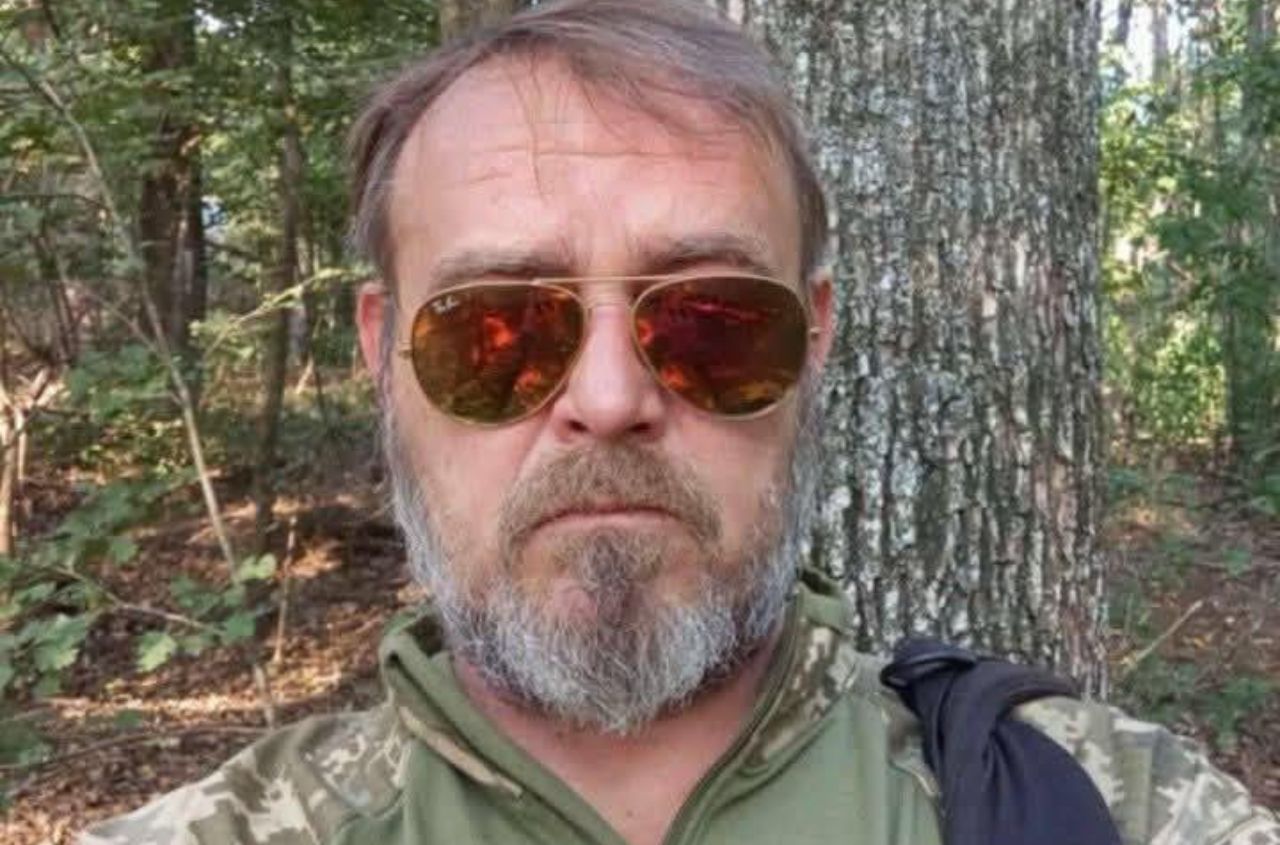
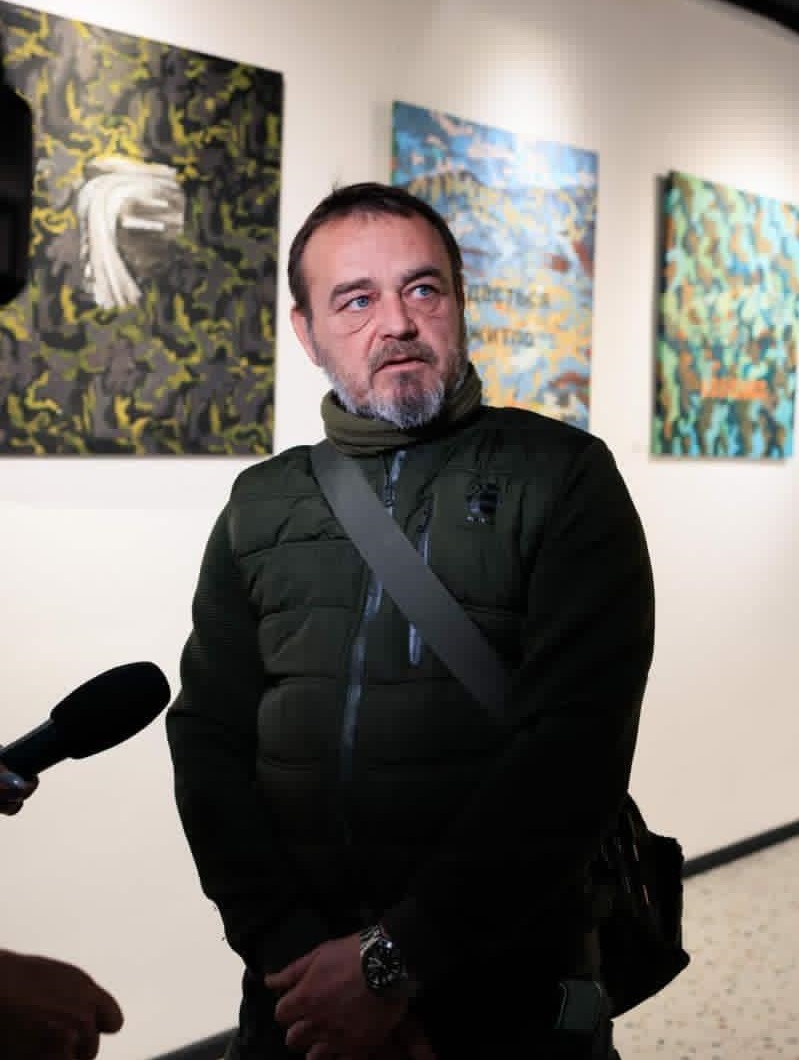
Main image: Alexander Tanasiuk
Twenty-fourth interview through images by Andrew Sheptunov
Alexander Tanasiuk is a multifaceted figure: an artist, performer, psychologist, and curator. His creative method has always been built upon deep explorations of human self-awareness and psychology. For Tanasiuk, art is not merely aesthetics, but a vital tool for adaptation and a means to process traumatic experience, whether it be the loss of a home or the search for a new identity.
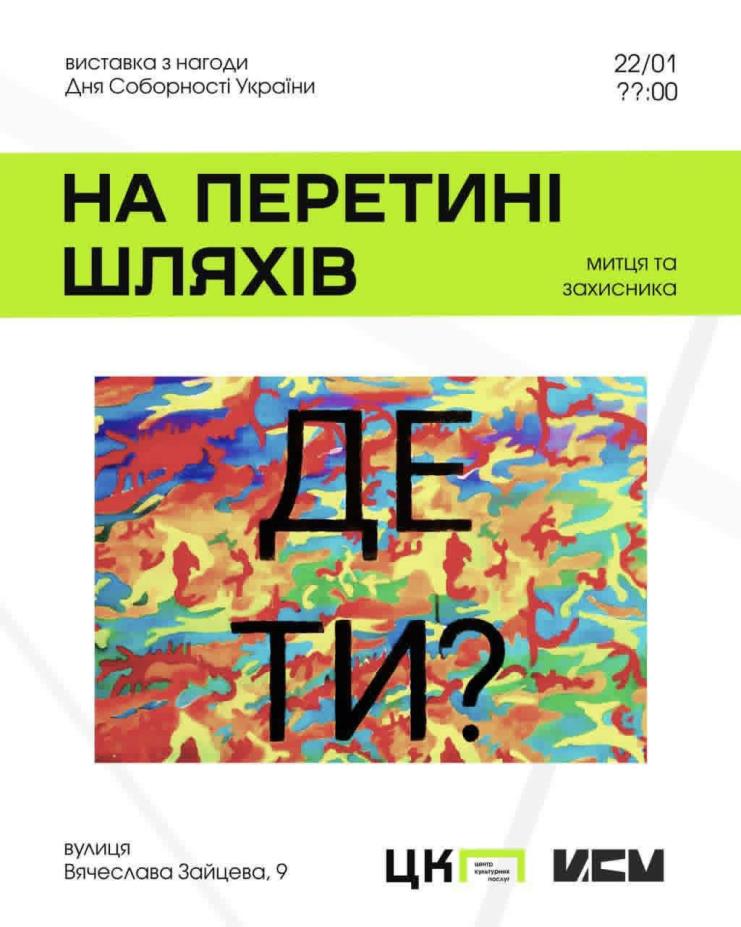
His bond with Odessa strengthened during the full-scale invasion. Forced to leave his native Kherson, Alexander continued his practice in Odessa and Lviv. It was in Odessa, at the Subtle Matters (Tonki Materii) gallery, that he realized the landmark curatorial project Adaptation—a logical continuation of the Ausländer theme. In this project, the concept became reality: Kherson artists, who had previously explored the theme of the outsider, found themselves in the position of refugees, living through the experience of adapting to an alien space. His recent works are a piercing reflection on war: ranging from the Camouflage series, where the personality dissolves for the sake of survival, to performances symbolizing the fragility of human shelter and life.
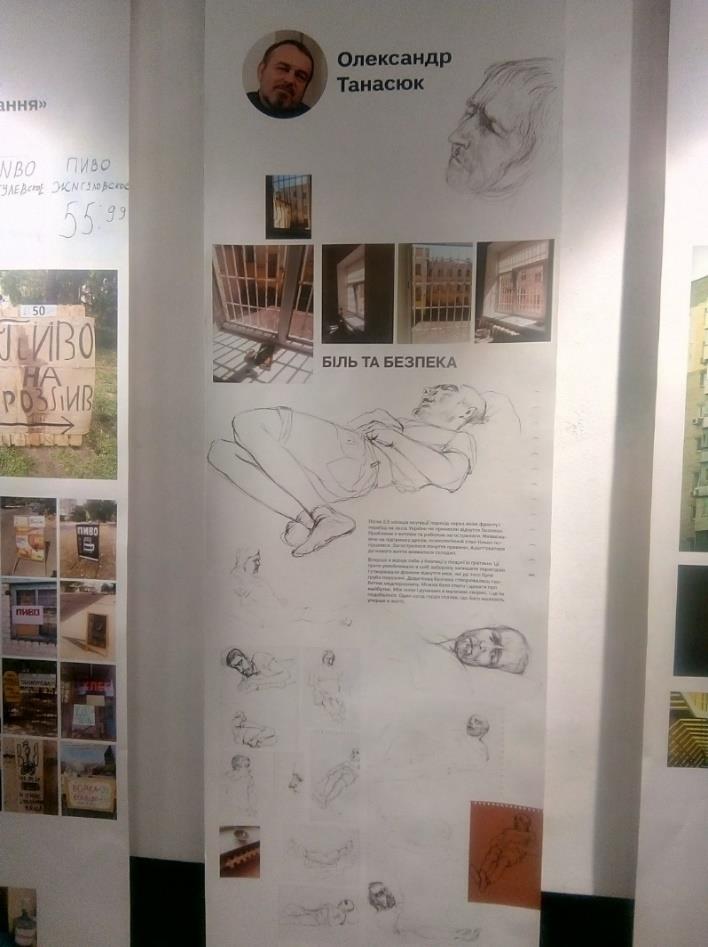
It is important to note that Alexander does not limit himself to the framework of visual art alone. With a background in psychology, he approaches creativity as an instrument for investigating human consciousness. His projects are often built on an "integrative approach" and participatory practices where the viewer becomes a co-participant. A striking example of such deep self-analysis was his project Pain and Safety, created after escaping occupied Kherson. In it, the artist explores a paradox: feeling true safety only within a hospital room behind bars, while the "free world" seems fraught with threats.
As the leader of the "Mayak" art group and a curator, Tanasiuk has always sought to create spaces for a "sensitive exchange" between the personal worlds of artists. His curatorial projects, such as The Cluttered Room or Ausländer, raised questions of human internal ecology and how we cope with emotional "debris" and feelings of alienation. Even the theme of war in his work is presented through complex philosophical categories: for him, camouflage is not just a military necessity, but a metaphor for the dissolution of the personality into the environment for survival—a method of mimicry that saves, yet simultaneously erases individuality.
Symbolically, even before his mobilization, within the concept of the Vocation exhibition (2025), Alexander contemplated the dualism of the artist’s and the warrior’s paths. He asked himself: how does one preserve the inner light and the identity of a creator when taking up arms? Now, he answers this question not theoretically, but practically, from within the military structure. This adds special weight to our conversation: we are speaking with a man living through the very transformation he had previously foreseen and analyzed in his art.
This interview is the third installment of our special sub-project, "In the Army Now". We continue to investigate how a creator’s lens changes when they don the pixelated uniform. The first subject of the cycle was Denis Nedoluzhenko, followed by Igor Gusev, and today Alexander Tanasiuk answers our questions—visually and sincerely.
1. What does the moment look like when the human personality completely dissolves into the landscape for the sake of survival?
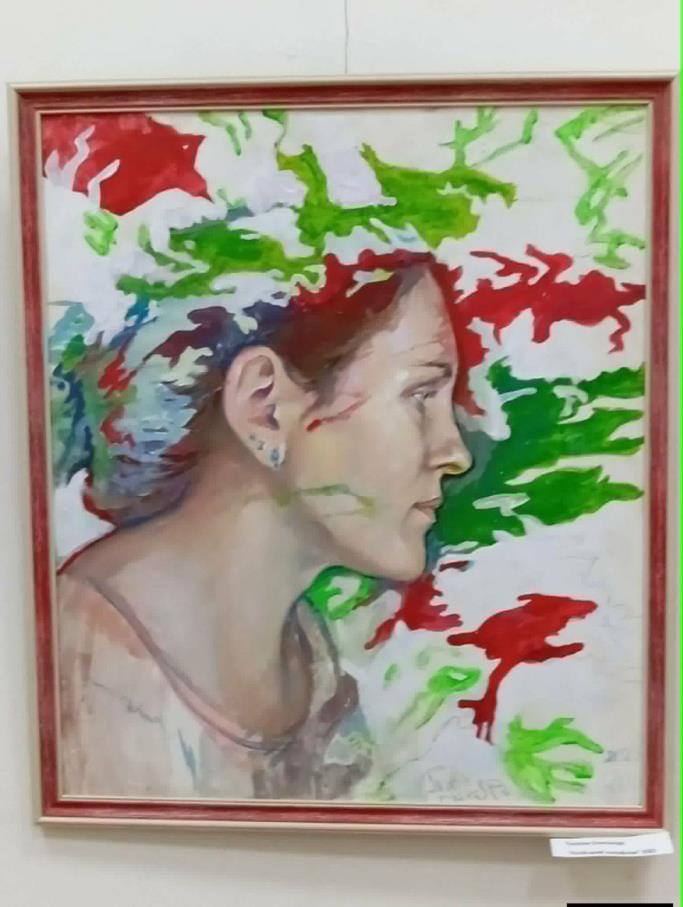
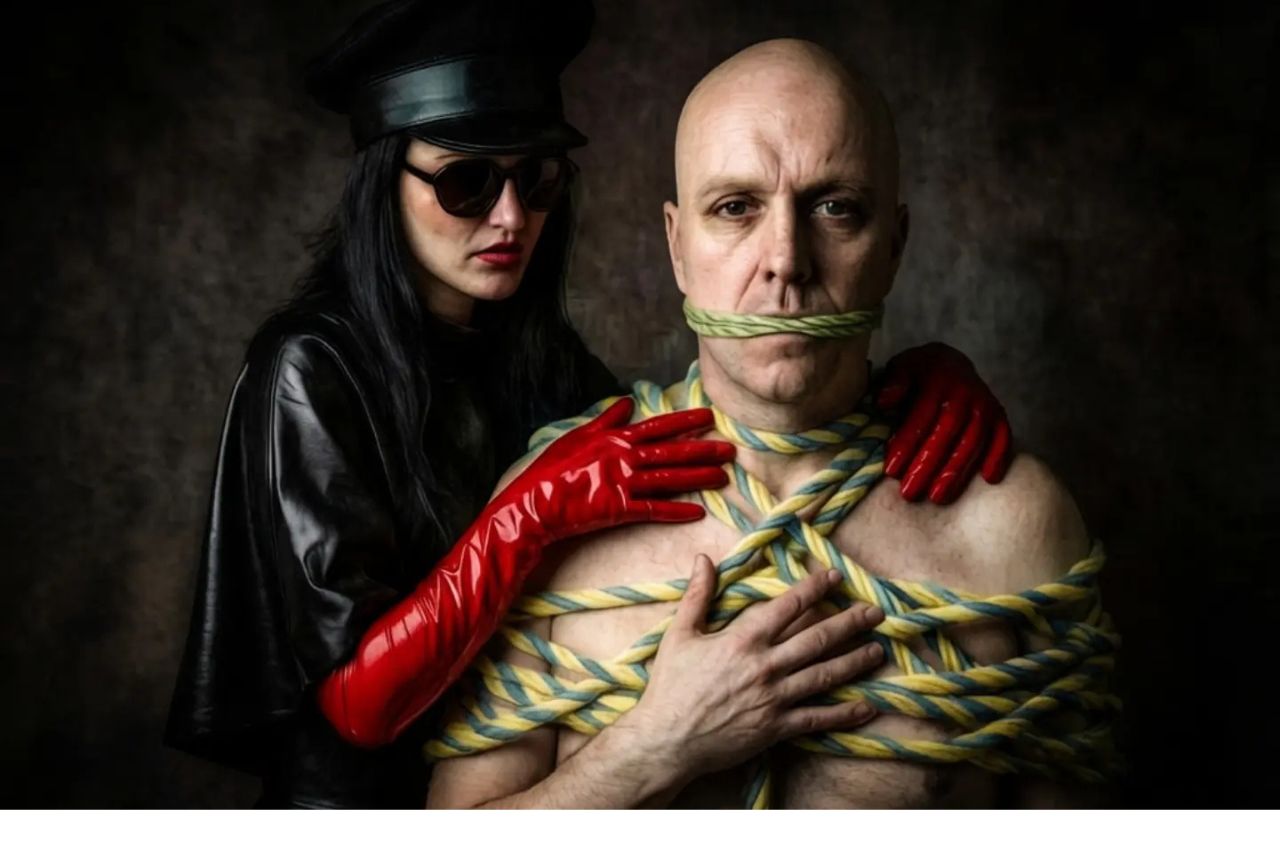
2. Show that moment when external restrictions become the only source of internal peace.
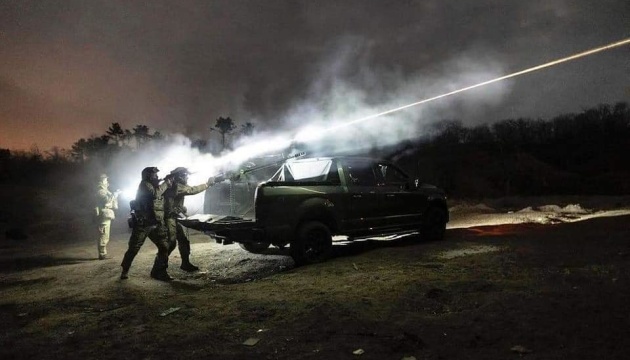
3. Show the boundary between the "artist" and the "warrior" within one person.
4. What does the "emotional trash" that we carry inside and are afraid to throw away look like?
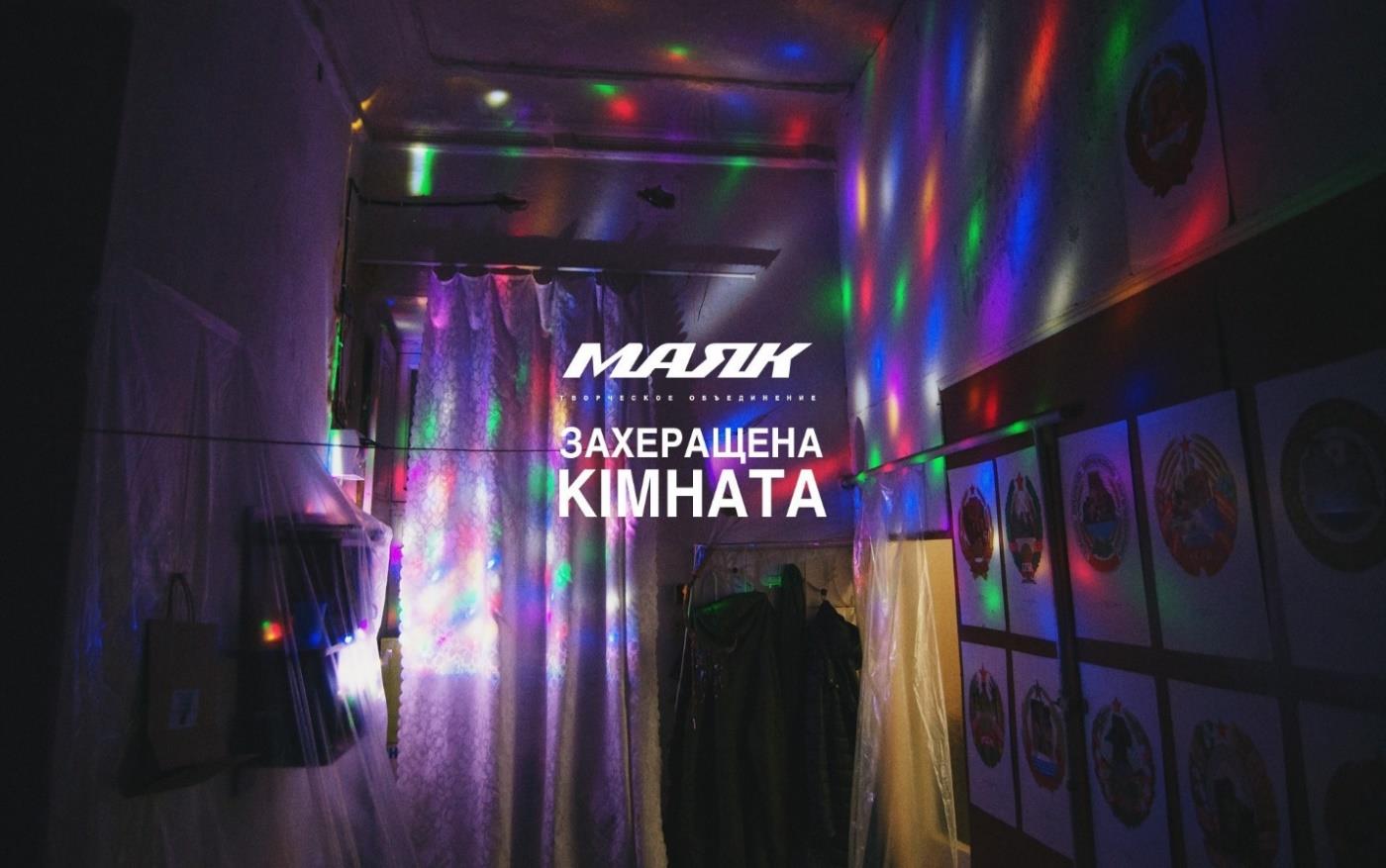
5. Show that very moment the day before the irreversible (February 23), when art froze.
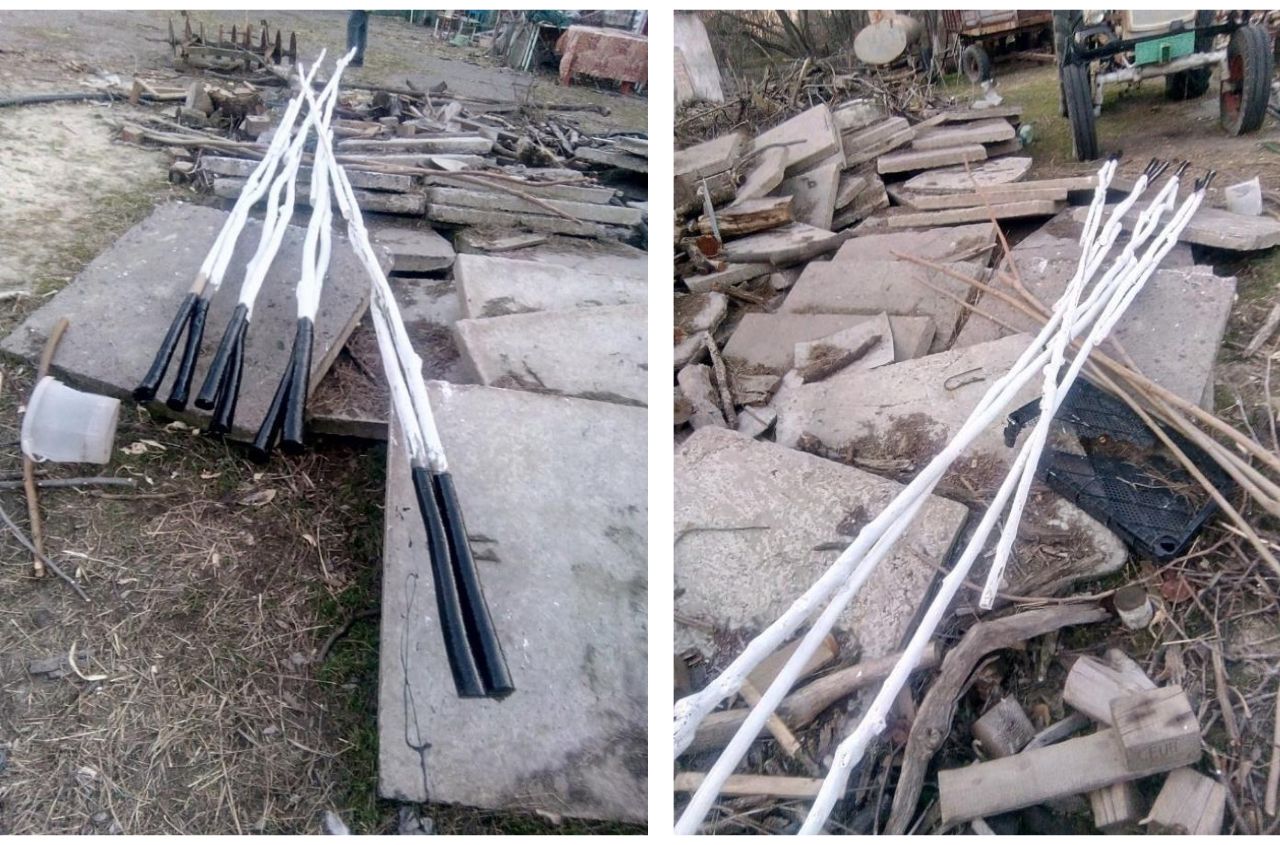
6. What does an artist who remained true to himself look like when the whole world turned upside down?
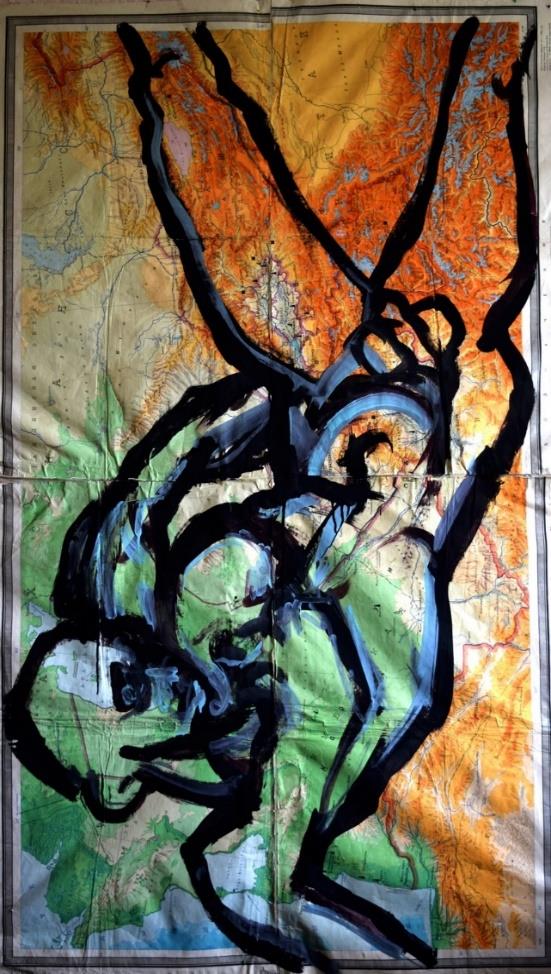
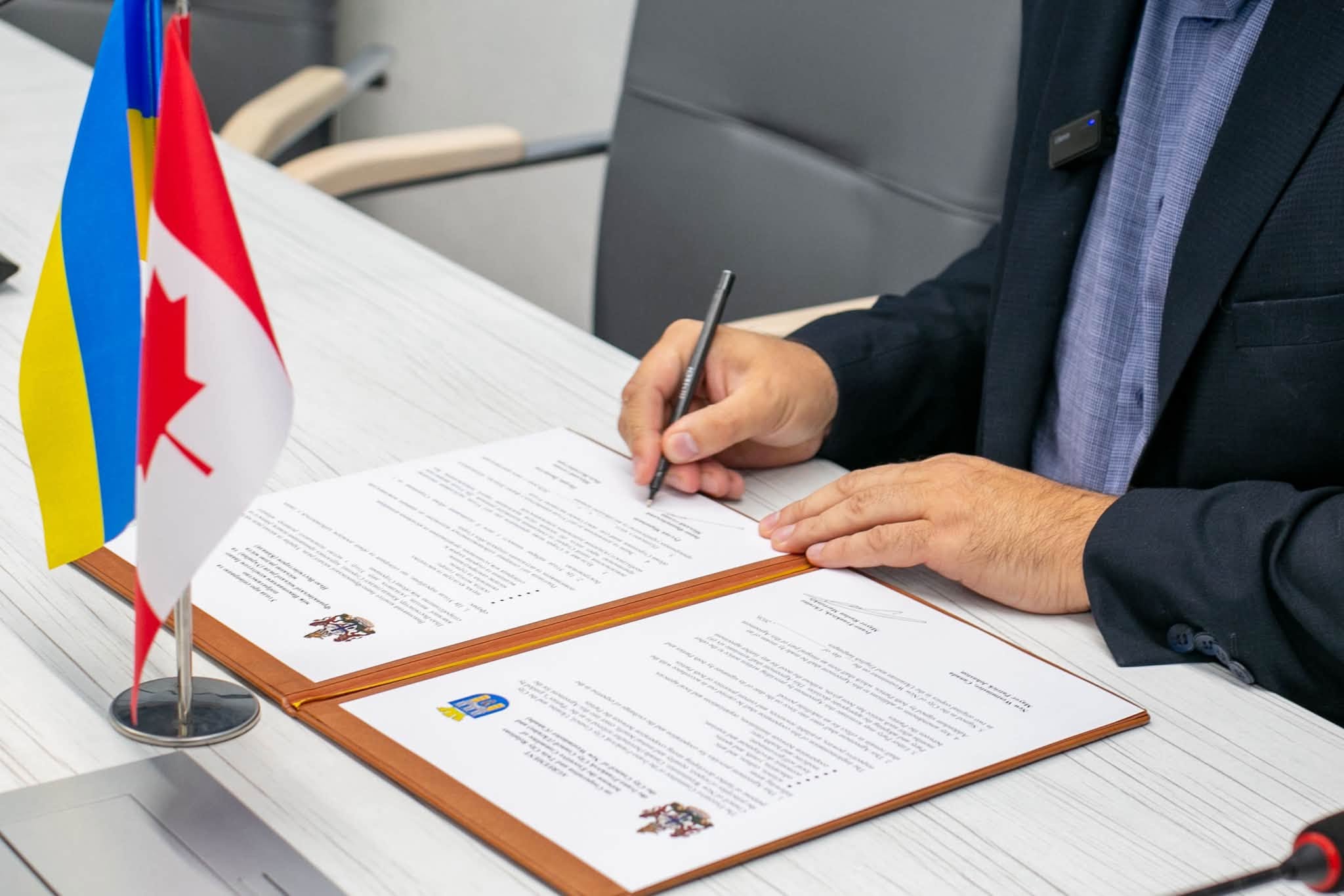
7. What is an "Ausländer" (outsider/foreigner) inside one's own country?
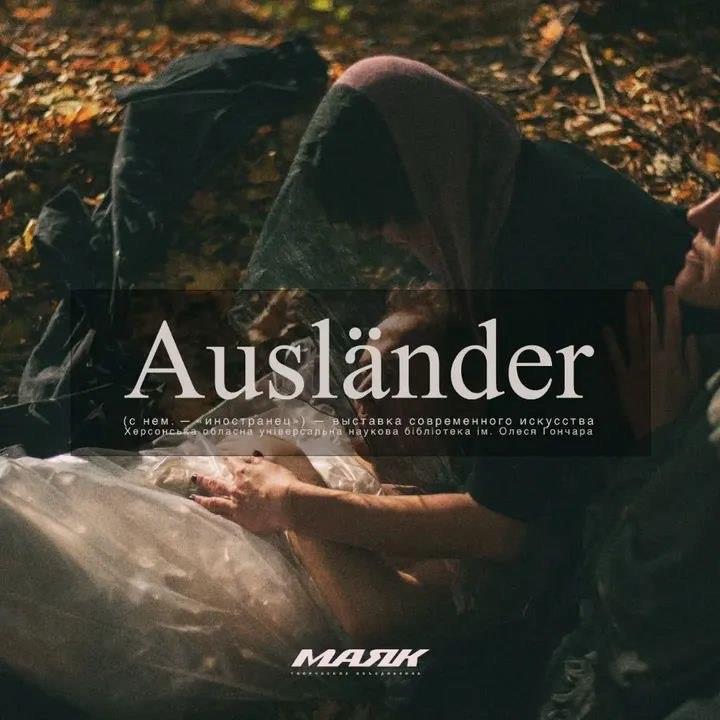
8. Show that which remains unchanged in a person, even if their home, name, and status are taken away.
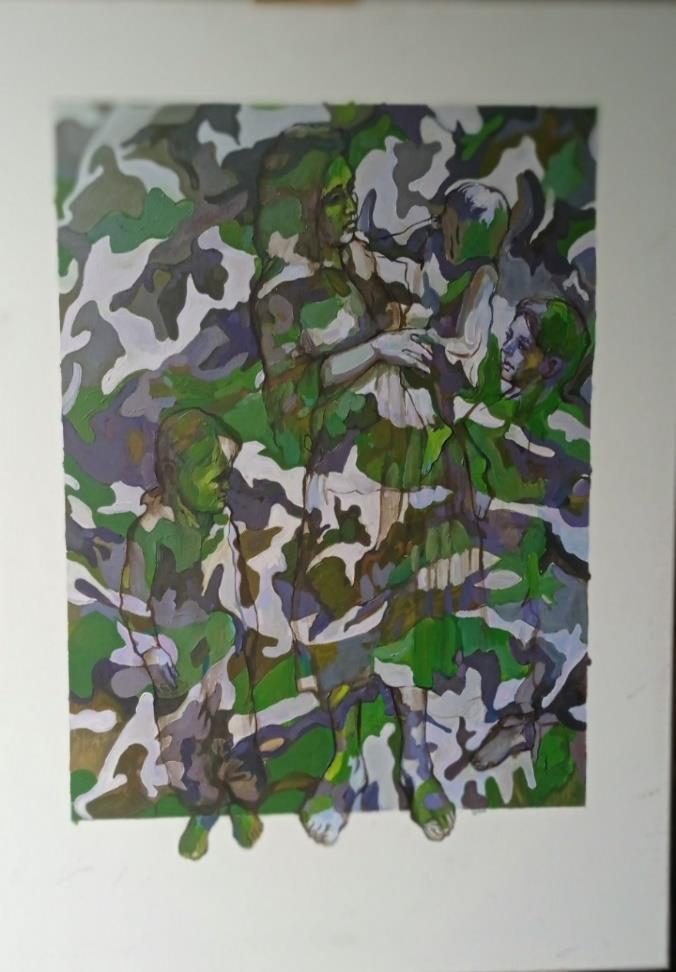
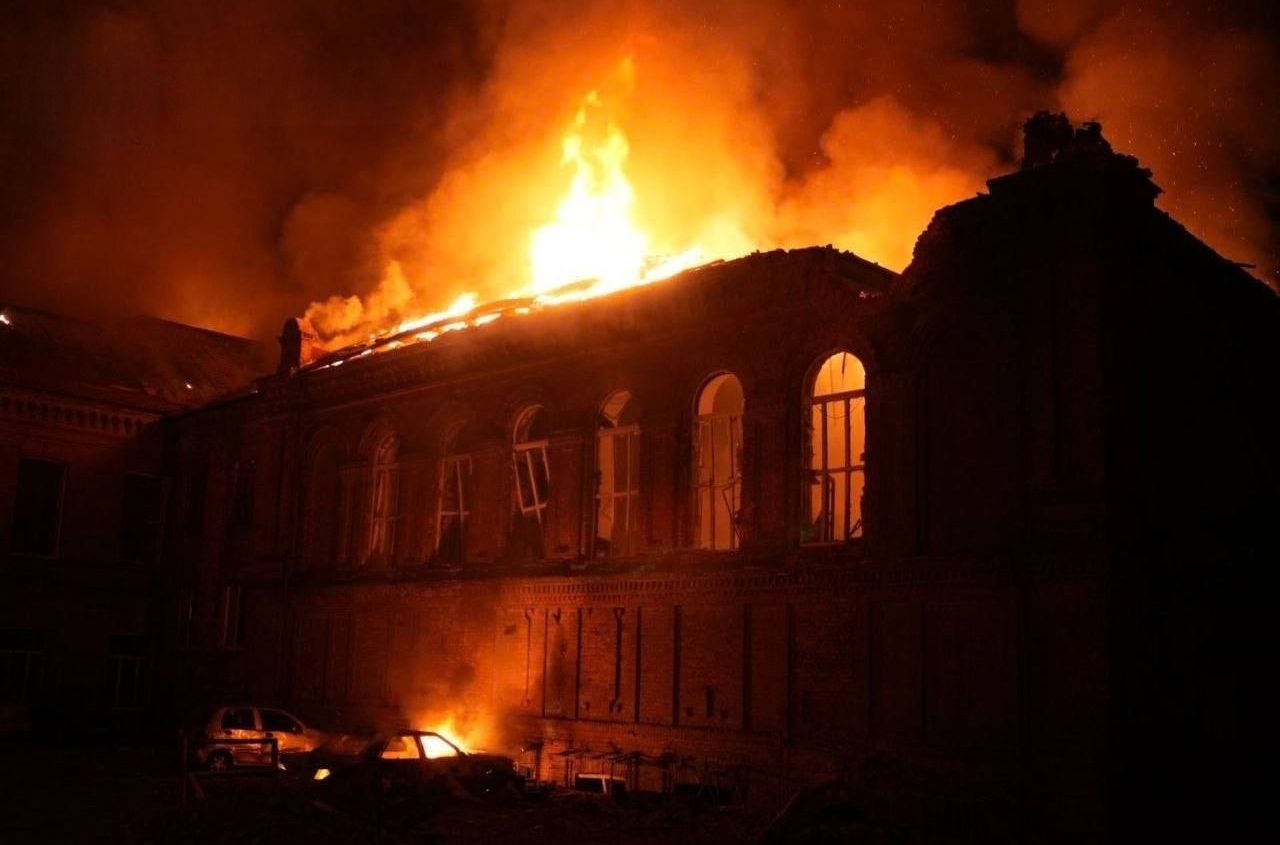
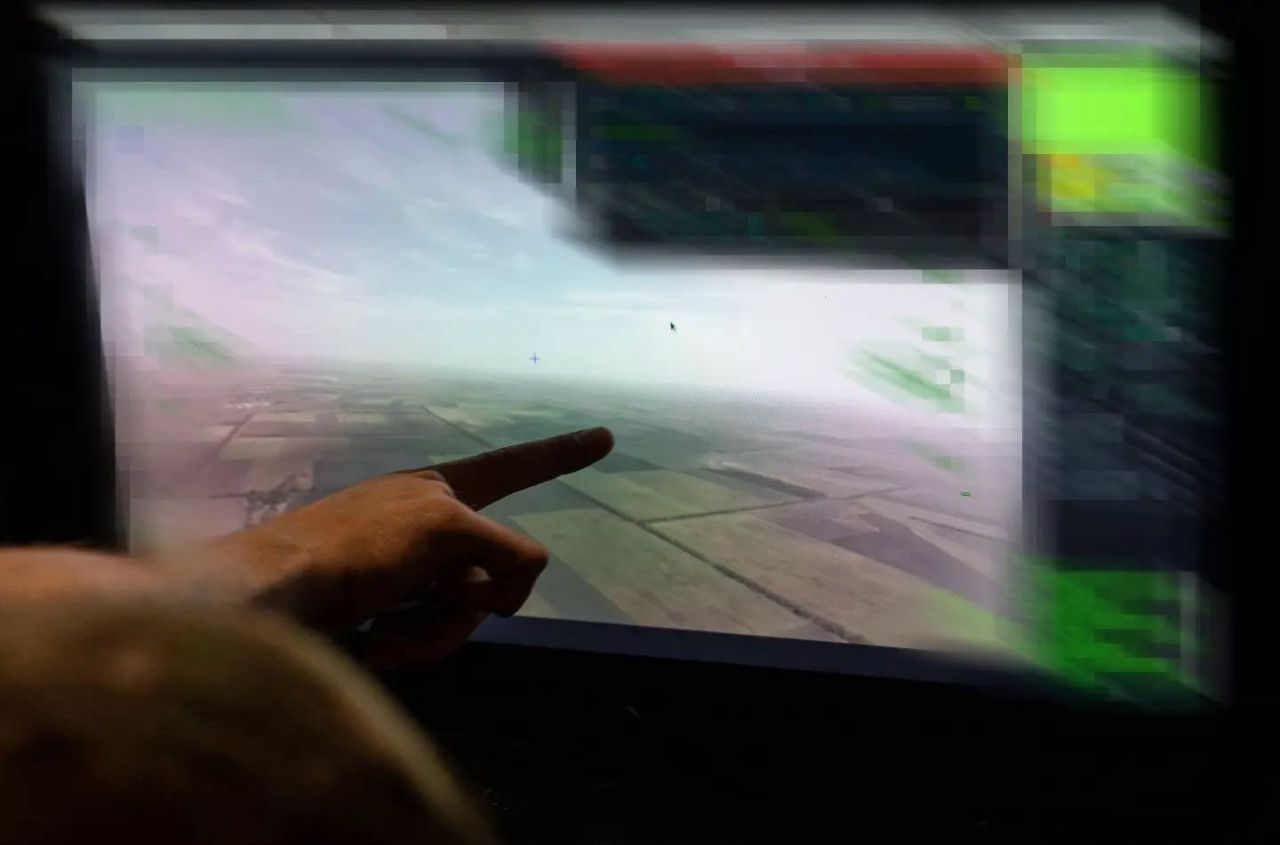
9. Show the moment when the past has already died, but the future has not yet been born.
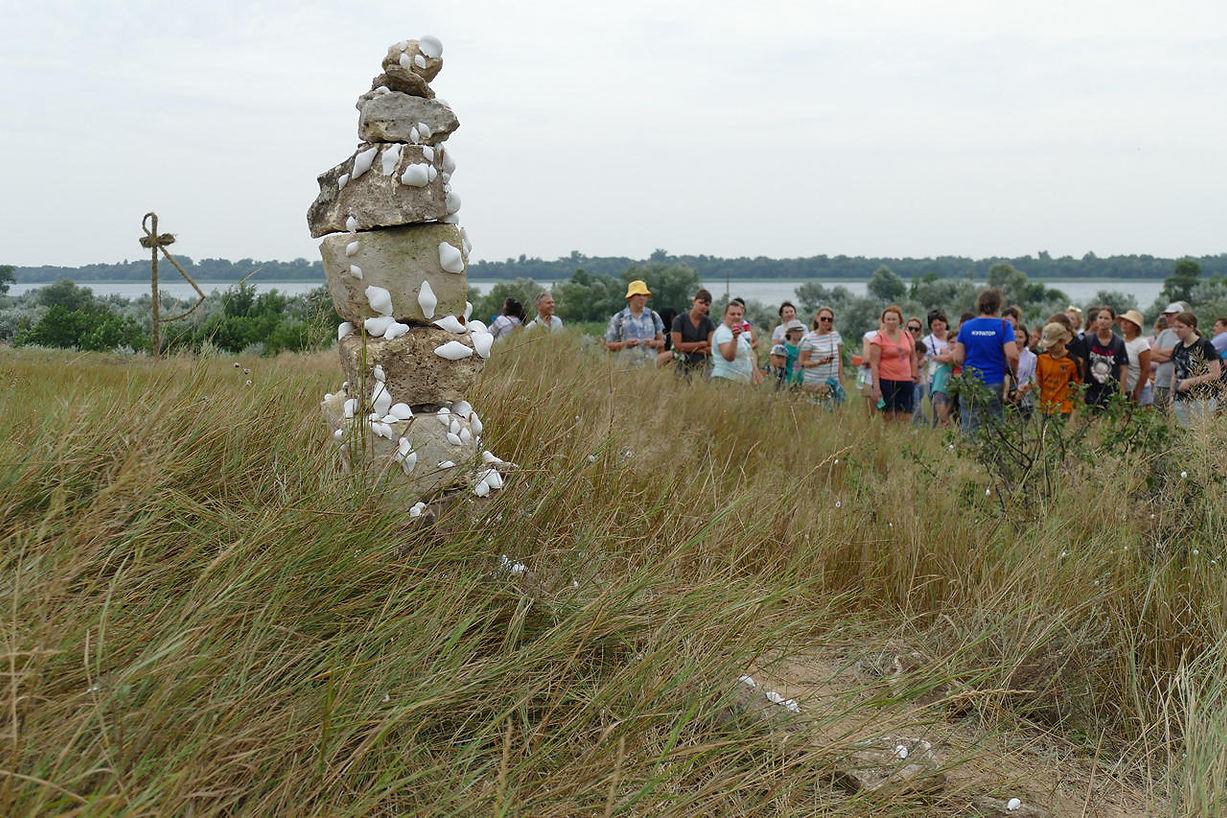
10. What is your "Place of Power" right now?
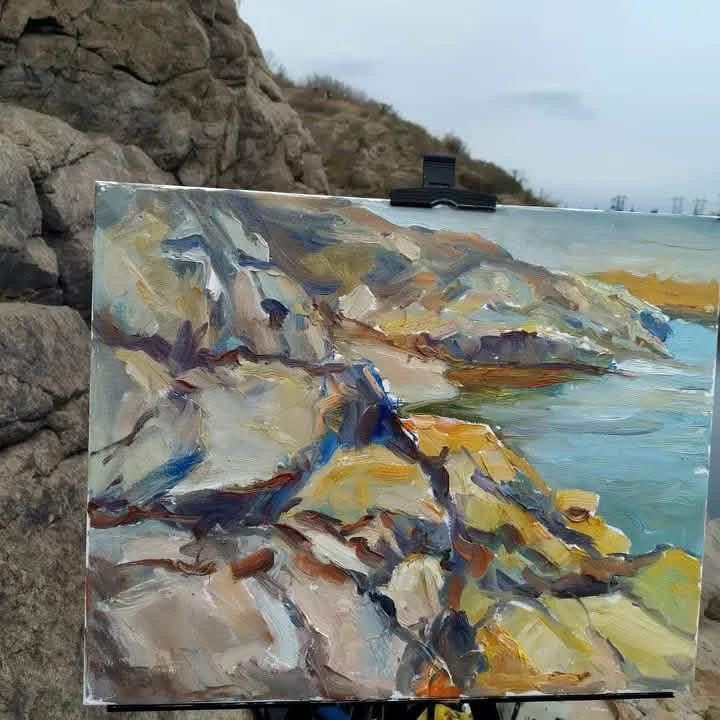
Alexander Tanasiuk’s story is a living testament to how art becomes a form of spiritual resistance and a way to preserve oneself in the face of global upheavals. From reflecting on the loss of home and the status of an "Ausländer" to accepting the role of a warrior, every step is documented in visual images full of psychological depth.
Today, as Alexander has swapped his studio for service in the Armed Forces of Ukraine, his investigation of the dualism of "creator and defender" has shifted from a theoretical plane to a harsh reality. Yet, as his answers demonstrate, even amidst the
conditions of war, his inner light and capacity for creation remain his primary guiding points—that very "place of power" which cannot be taken away.
Follow Alexander’s creative path and service on his Facebook page.