

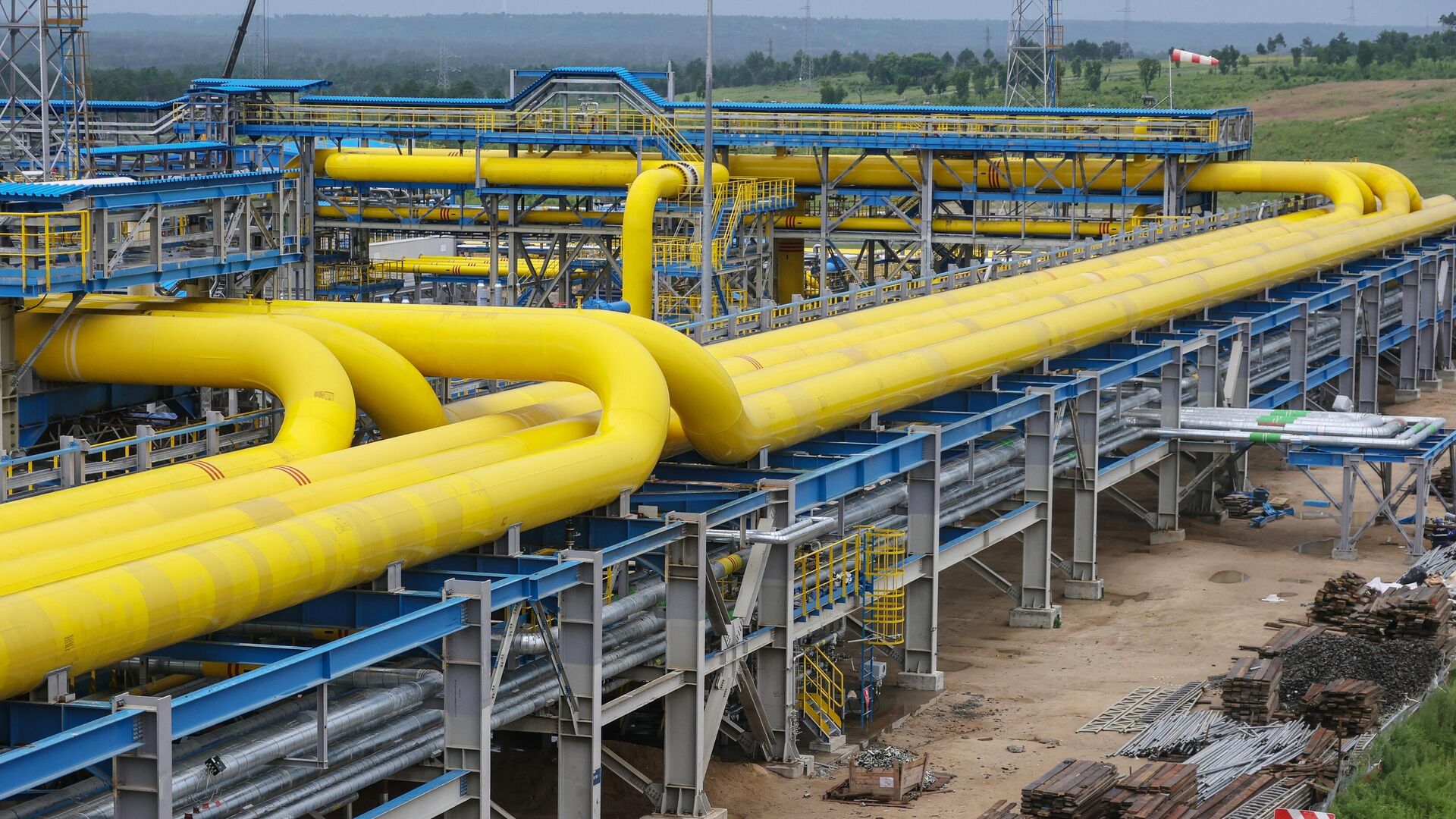

The Government of Bosnia and Herzegovina (BiH) has officially accepted a letter of intent from the American company AAFS Infrastructure and Energy regarding plans to construct the “Southern Interconnection” gas pipeline. The pipeline will connect the country to the liquefied natural gas (LNG) terminal on the Croatian island of Krk. This will provide an alternative to the “TurkStream” pipeline, which currently holds a monopoly on gas supplies to BiH, and that gas is Russian.
Diversifying its energy sources through a potential American pipeline will simultaneously strip Russian Gazprom of its monopoly in the region and reduce its share of a stable European market. Construction is planned to begin in 2026, with a project cost of $200 million. The American company also proposes building a gas-fired power plant, expanding the Kladanj–Tuzla pipeline, and modernizing the airports in Sarajevo and Mostar.
Before the full-scale war against Ukraine (2021), Russia supplied approximately 157 billion cubic meters of gas to EU countries, accounting for up to 45% of Europe’s gas imports. By the end of 2025, according to European Commission estimates, the share of Russian gas had dropped to just 13%, or 18 billion cubic meters.
From 2021 to 2024, Russian gas transit to Europe through Ukraine fell from 40 billion to 17 billion cubic meters, and it ceased completely on January 1, 2025.
Supplies to Germany via the Nord Stream pipeline, which reached 59.2 billion cubic meters in 2021, were halted in 2022.
European imports through the Yamal–Europe pipeline, which were 31 billion cubic meters in 2021, also stopped in 2022.
Additionally, as of February 3, 2026, a decision came into effect for the EU to completely stop importing Russian gas by 2027.