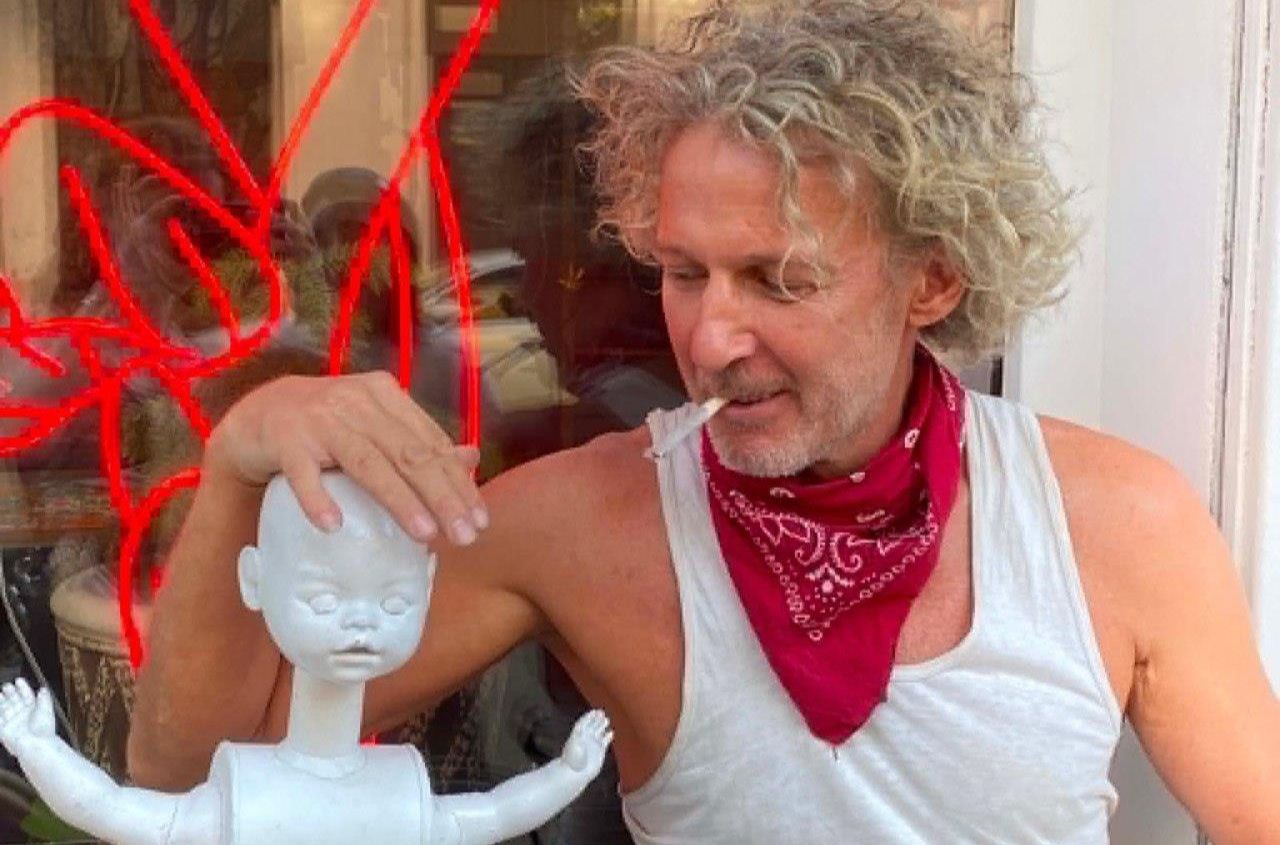


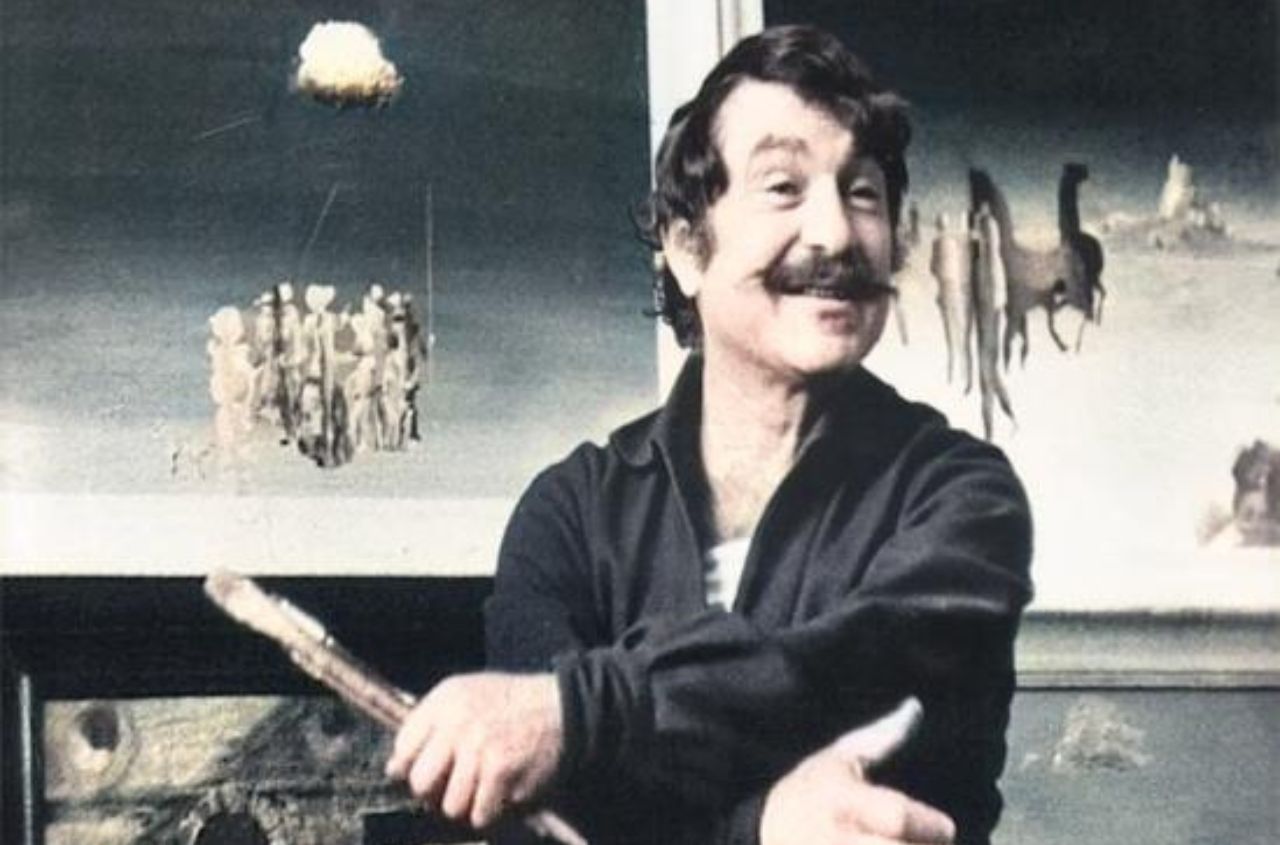

Main images: Lucien Dulfan (self portrait)
Twenty-sixth interview through images by Andrew Sheptunov
The name Lucien Dulfan is no longer just an entry in a catalog, but a separate chapter in the artistic mythology of both Odessa and New York. An artist whose fate passed through post-war Ukraine, the meat grinder of Soviet nonconformism, and the cutthroat competition of American emigration, Dulfan has created more than just paintings—he has created his own language. Sharp, ironic, sometimes ruthless. His painting is text written in color, texture, body, and shadow. Dulfan does not depict reality; he argues with it, teases it, and screams right in its face.
His creative path is a chronicle of continuous escape from boredom and dogma. In the era of Socialist Realism, he dared to be free when the punishment for such freedom was oblivion. In the era of globalism, he remained himself when the market demanded conformity.
Dulfan does not fit into frames—he elbows them apart, filling the space with his irrepressible vitality. He remains "one of us" both for the old Odessa bohemia and for the cold world of contemporary art, because sincerity is a currency that never devalues.
To look at Dulfan’s work is to agree to an honest conversation, one that sometimes borders on discomfort. These works do not hang quietly on the wall; they invade the viewer's personal space. This is painting that smells of sweat, the street, the sea, and expensive perfume all at once. There is no frozen bronze of a classic here, but the living, pulsing blood of an eternal hooligan who knows a little more about life than an artist is supposed to know.
Dulfan’s style is simultaneously expressive and philosophical. In it, sarcasm dances with tragedy, and the grotesque becomes a form of prayer. His characters—emerging from old dreams, Soviet communal apartments, and New York avenues—tell a story of human vulnerability and the strange triumph of the absurd. In every work, the nerve of time pulses: not the past and not the future, but this strange moment, where everything is possible, and nothing makes definitive sense.
Over time, this method received its own name: Dulfanism.
It is not a school, nor a technique. It is a worldview in which art ceases to be a reflection and becomes direct action, a challenge, a protest. Dulfanism is when painting speaks the language of extreme, sometimes shocking directness. The artist himself formulates this simply and roughly, like a manifesto:
DULFANISM
"STICK IT IN WHILE IT STANDS!
STICK IT IN WHILE IT STANDS! Further on stands a church. Long known as a bastion of debauchery.
All hung with rainbow flags, all made of marble, rumors were that a married couple, two guys, handed over huge money...
Me, as a Ukrainian—my hut is on the edge [it’s none of my business].
— You are not a modern man, you villager! Here in America we have
PRIDE! — locally that means WE ARE PROUD! We celebrate non-traditional sexual relations! We are proud! We rejoice! — Little Angel.
— FA-G-GO-TS! — howled Chertilo [The Devil]."
Lucien Dulfan, July 2023.
These lines contain the quintessence of the author: artistic protest, sarcastic directness, and a refusal of "polished" forms. Dulfan uses the language of the street and of myth to expose the falsity of modernity, where the "right to be oneself" has sometimes become nothing more than an advertising slogan.
Our conversation with Lucien Dulfan today is a special experiment. To speak with the artist in words is to simplify him. Therefore, we have chosen a format of an interview without words. Instead of answers—paintings. Instead of explanations—images, irony, color, and gesture. Not a single question here requires a verbal reply—only a painterly response.
1. Your canvases are often composed of paradoxes—you combine reality with fantasy, the ironic with the serious. Which image would you choose right now to show the "state of the time" in which we live?
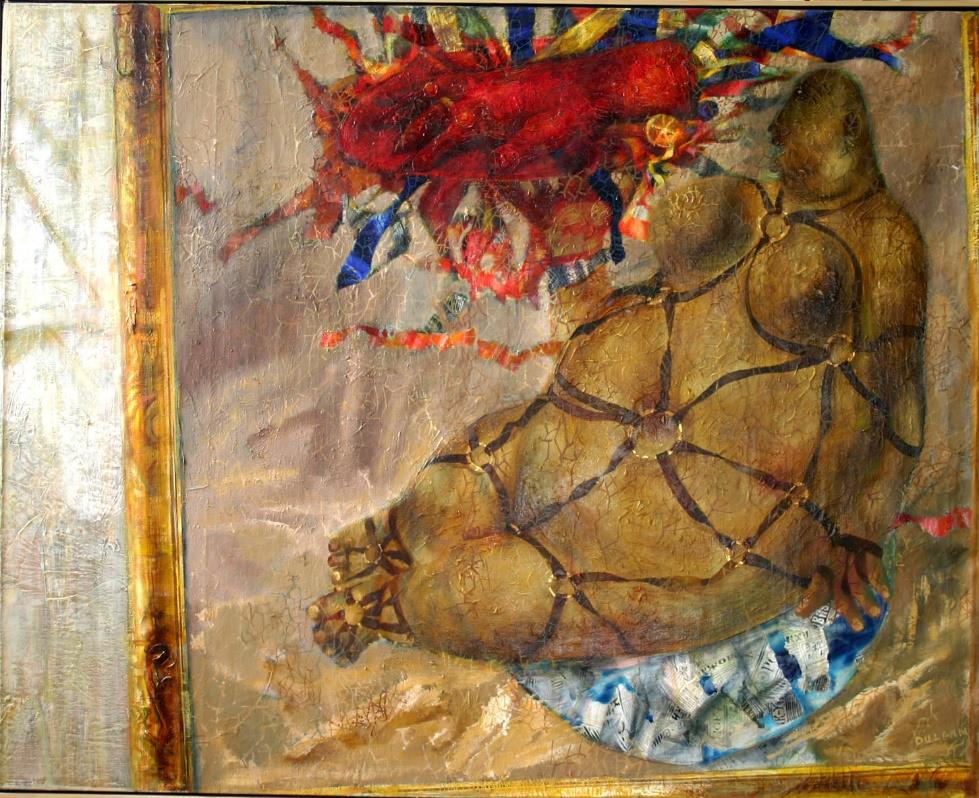
2. Your biography begins in evacuation, then Odessa, then emigration to the USA—how do these geographies and transitions influence your painterly images? Is there a "journey" painting you would highlight?
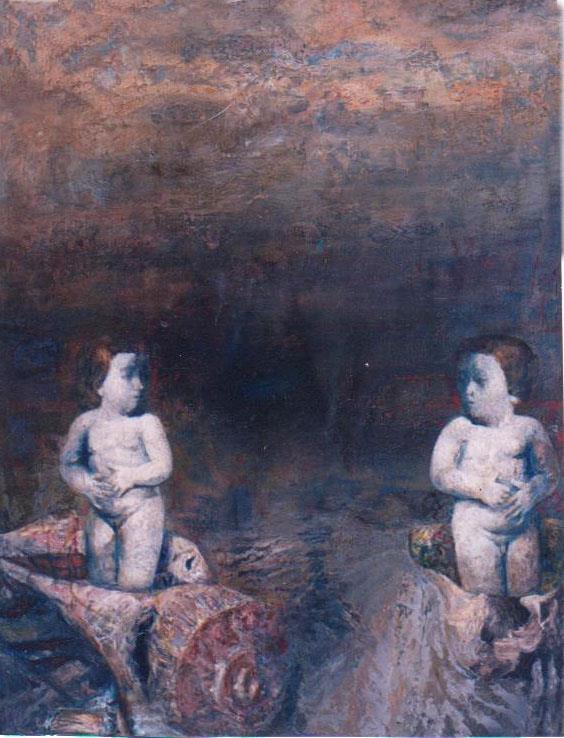
3. As an artist, you have repeatedly stepped outside official frameworks—in the USSR, then in America. If you were to apply a visual metaphor to the concept of "artistic freedom," what would it look like?
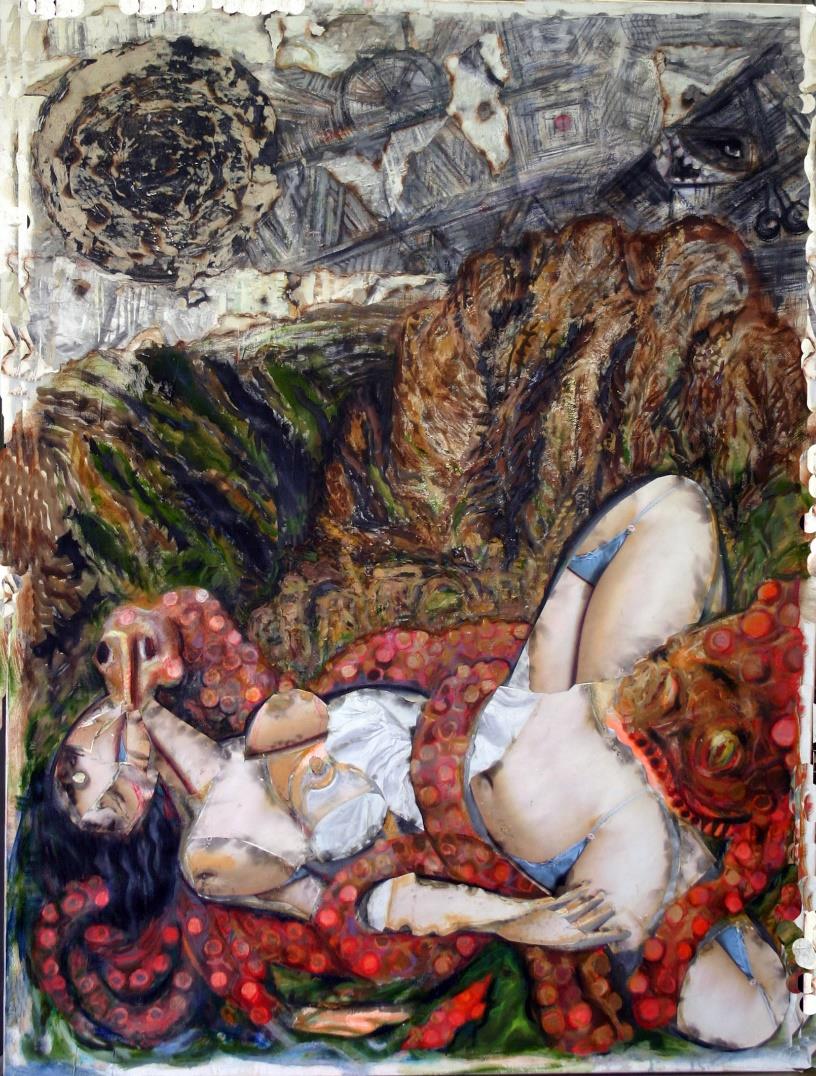
4. Odessa is often mentioned as an important stage. Is there a painting where you consciously turned to your Odessa roots—and if so, what is the image and what does it look like?
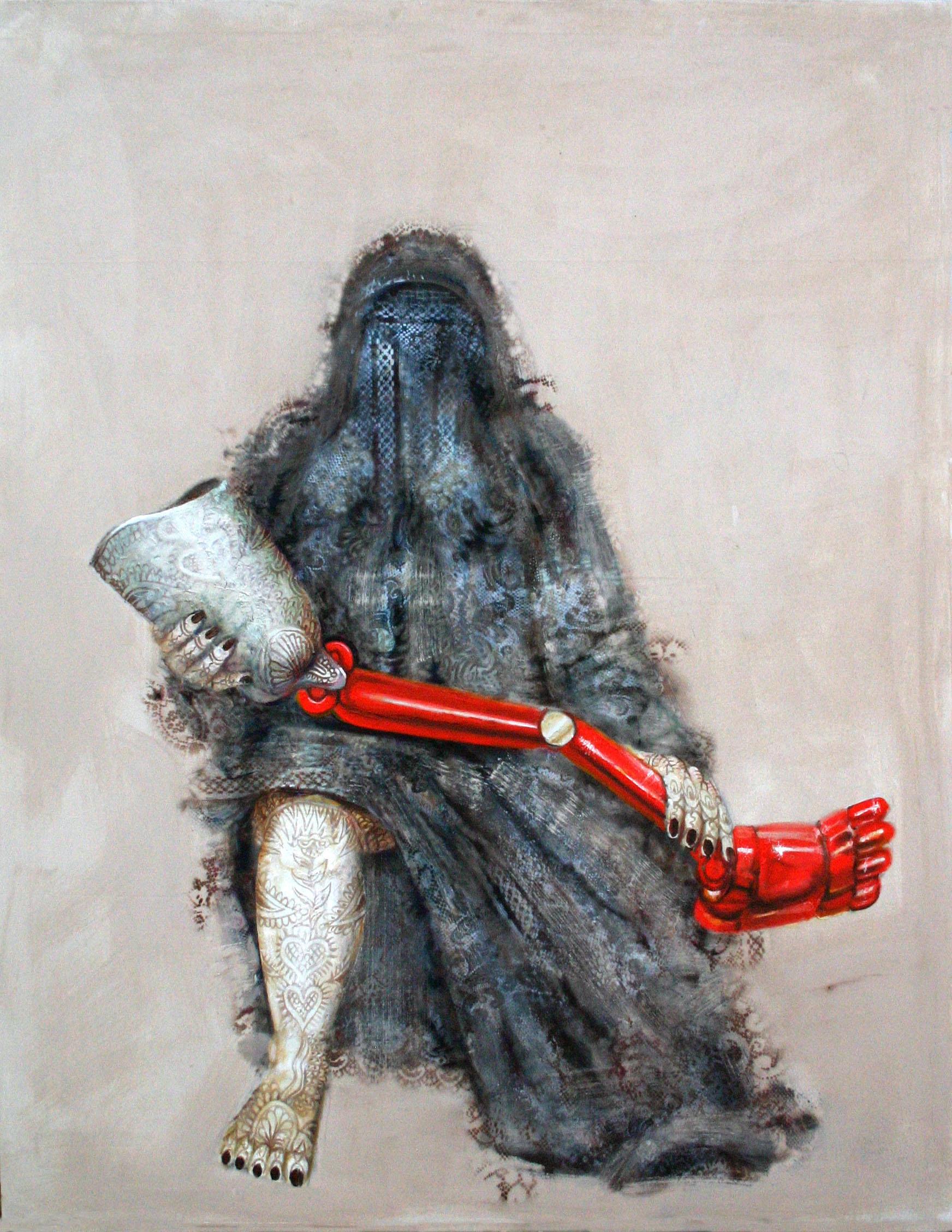
5. Your works often combine the everyday and the absurd—object-images that seem familiar at first glance but behave differently. Is there a specific object you particularly love to use or transform? Why that one?
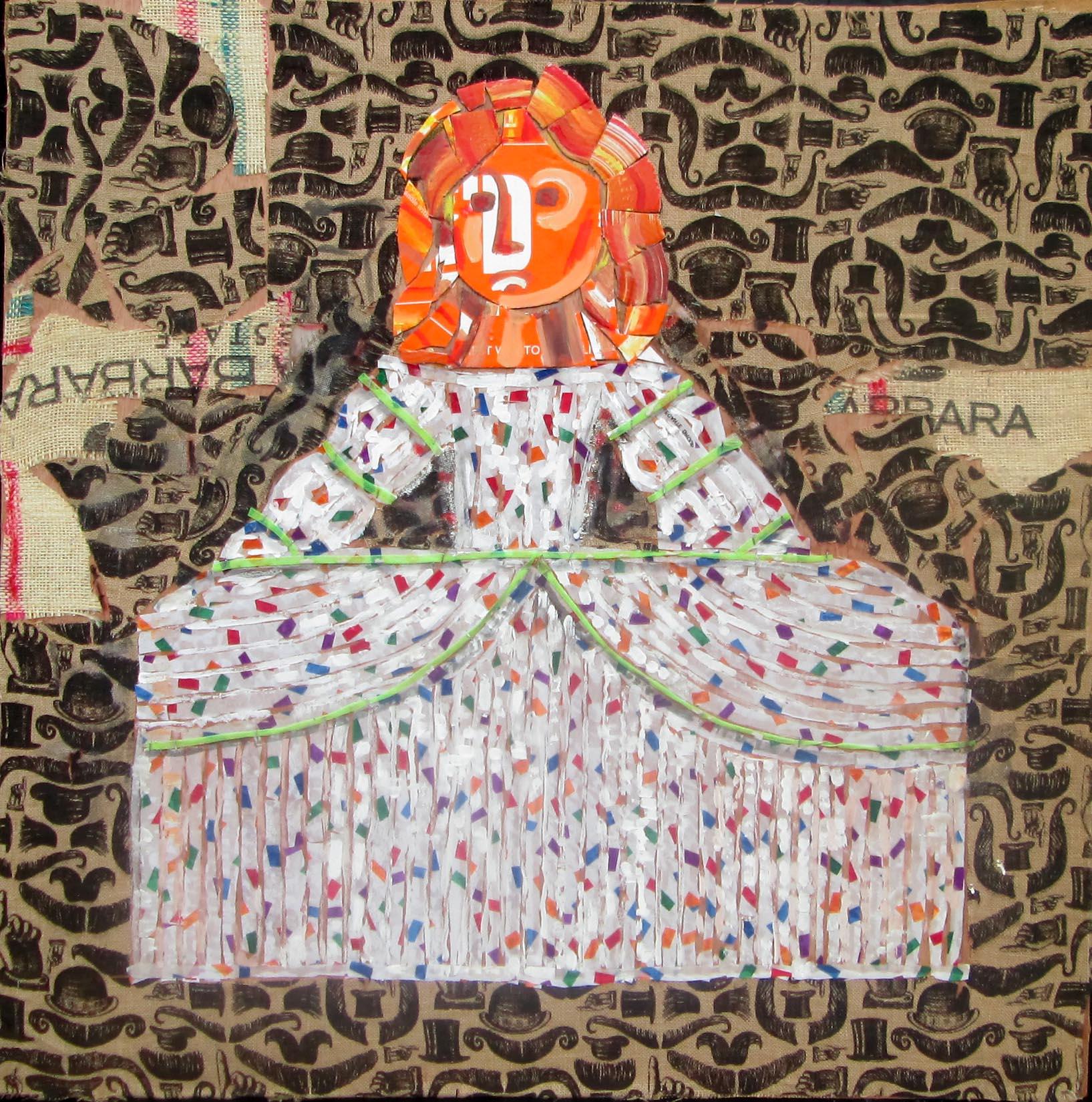
6. Your characters often balance between the tragic and the ridiculous. What would a portrait look like of a person incapable of distinguishing one from the other?
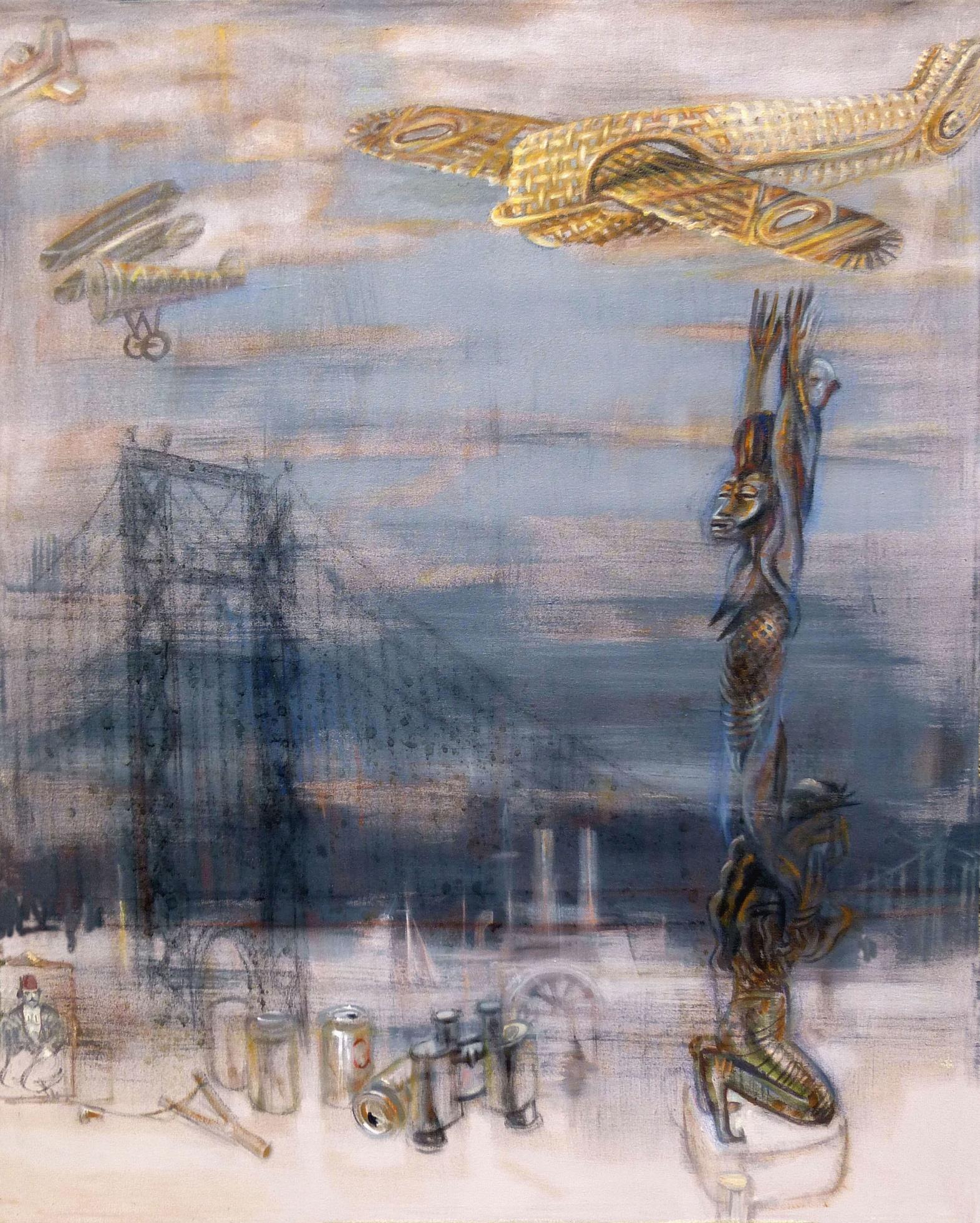
7. If you had to paint a self-portrait without a face—only through space, color, and texture—what would it be?
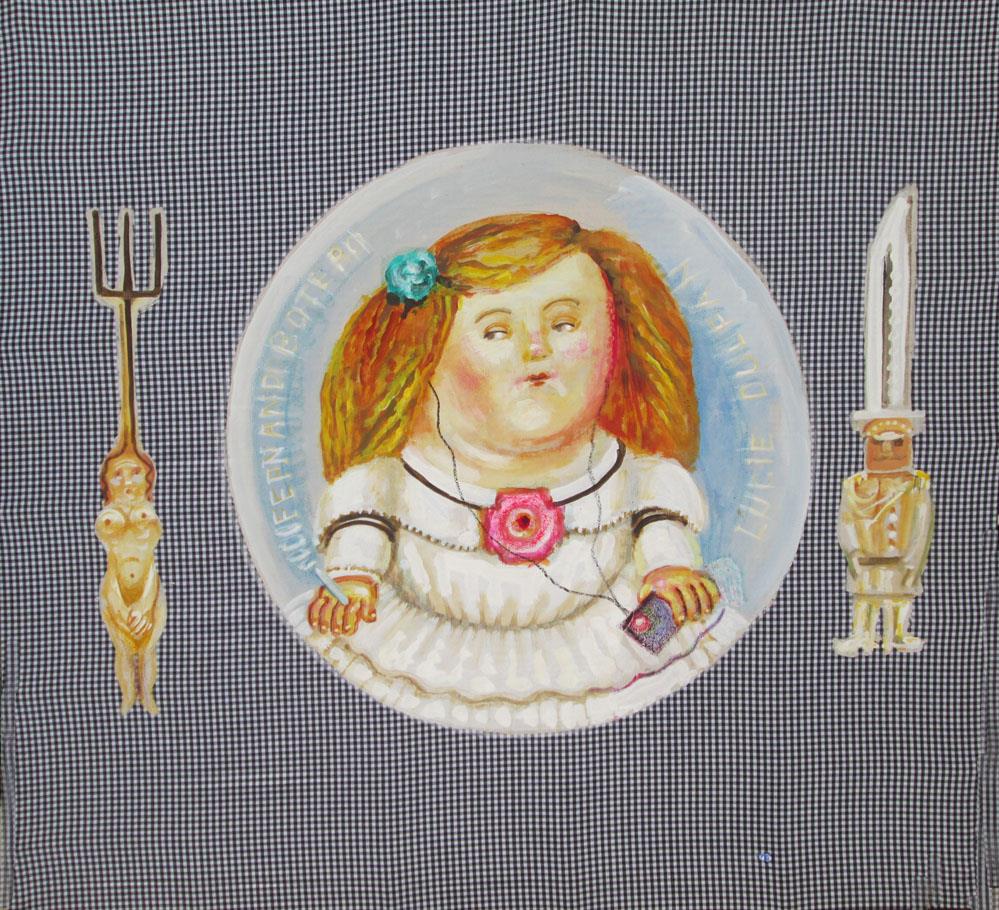
8. An element of play is often felt in your paintings. What is "play" in painting for you today—and what remains serious, no matter what?
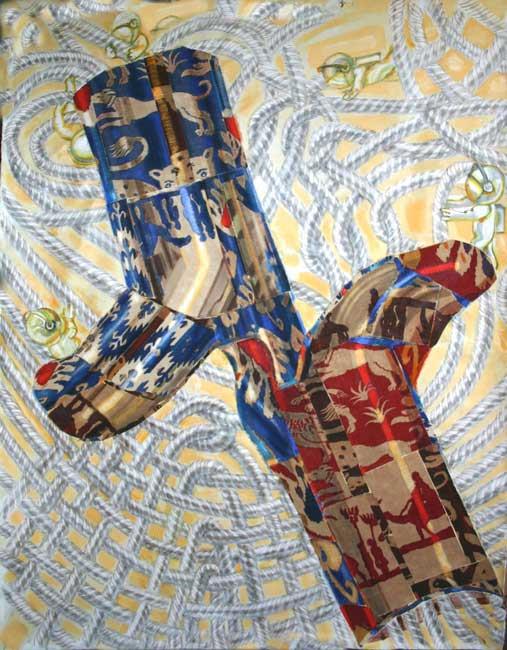
9. You have said more than once that the internal tension of form is important to you. Which form would now become the symbol of this tension for you?
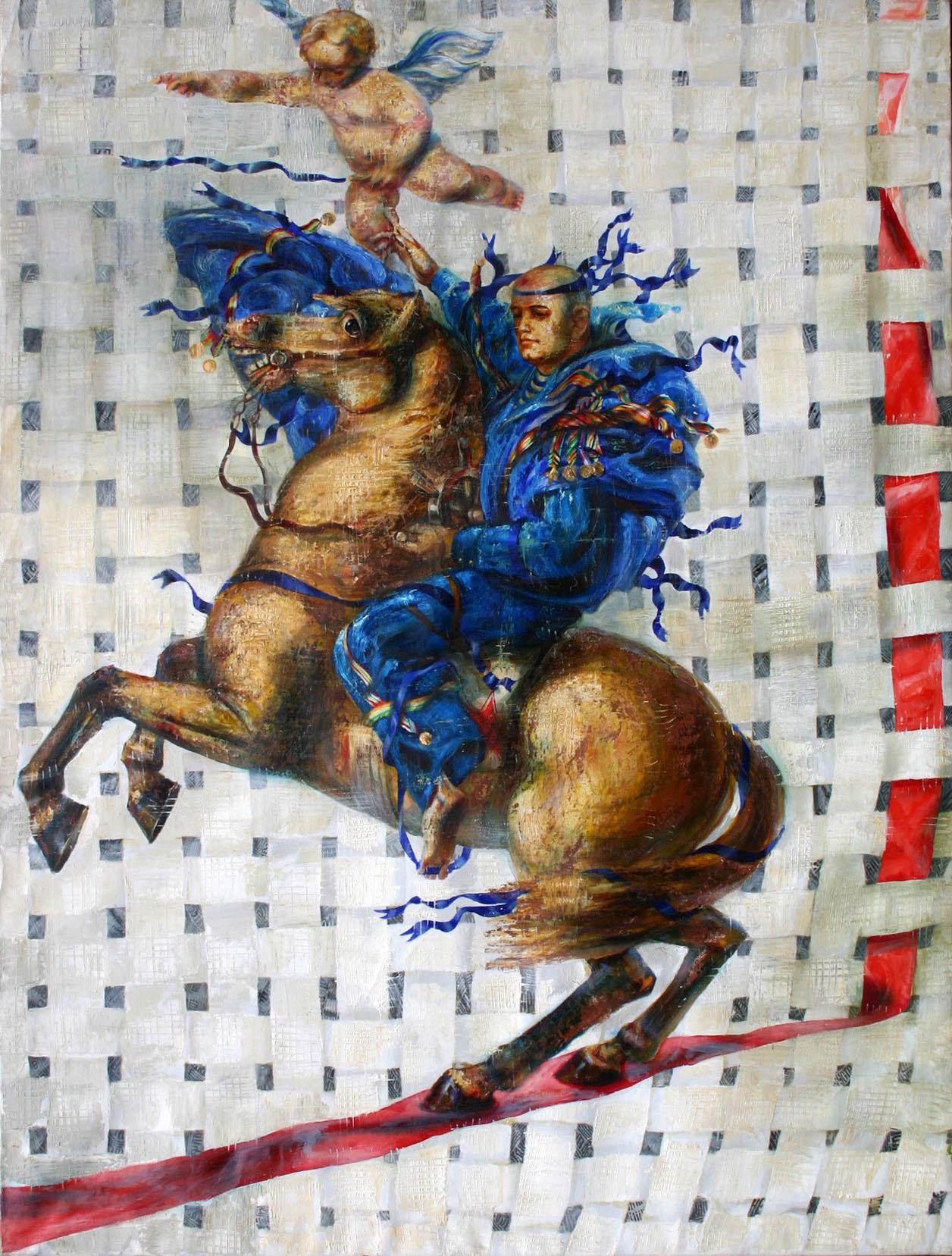
10. You have lived in America for many years, but Odessa still resonates in your work. If you were to create a painting-dialogue between the two cities, what would this meeting look like?
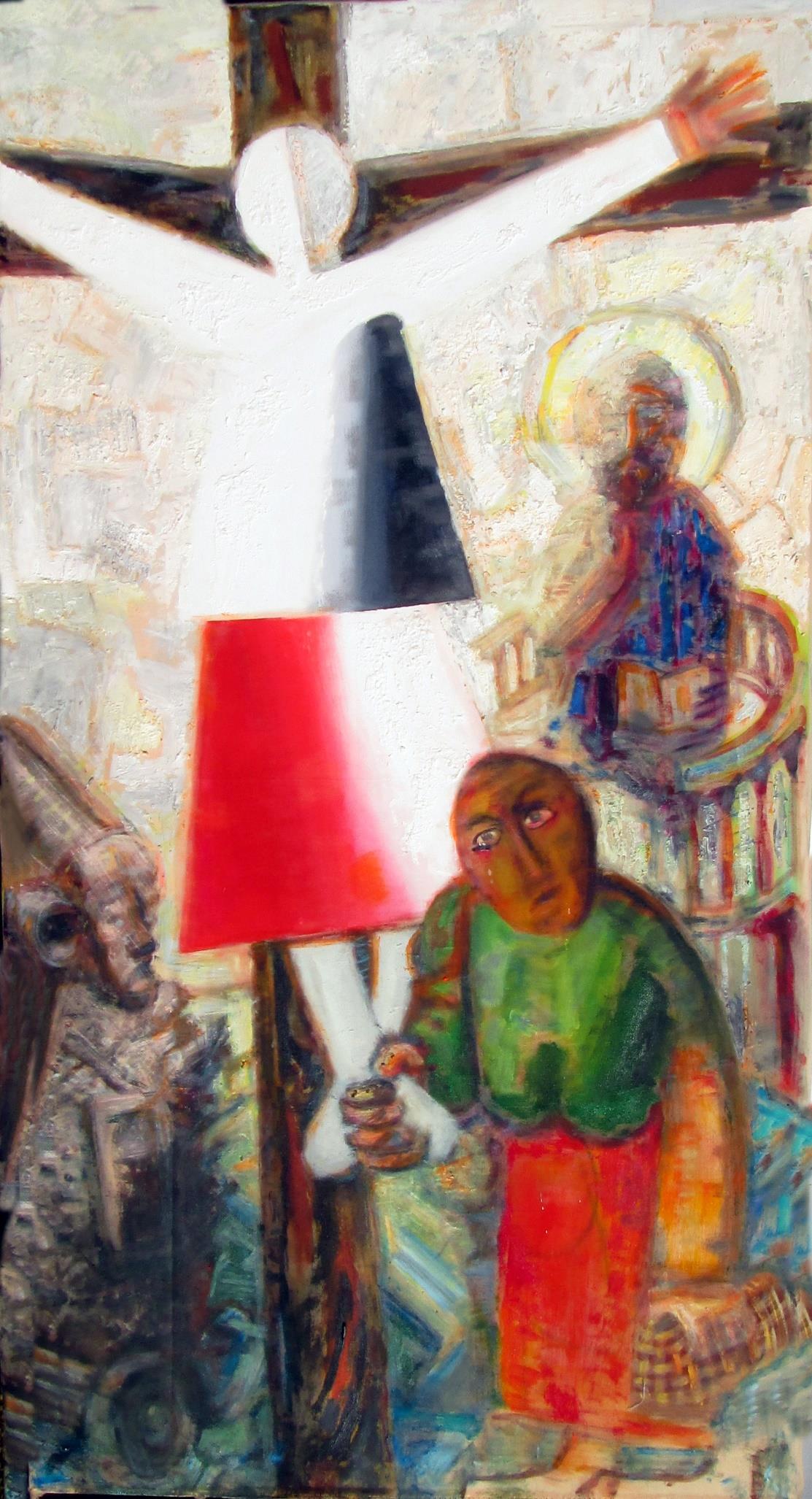
.
11. If you had to show the word "memory" with a single image—not through plot, but through sensation—what would it be?
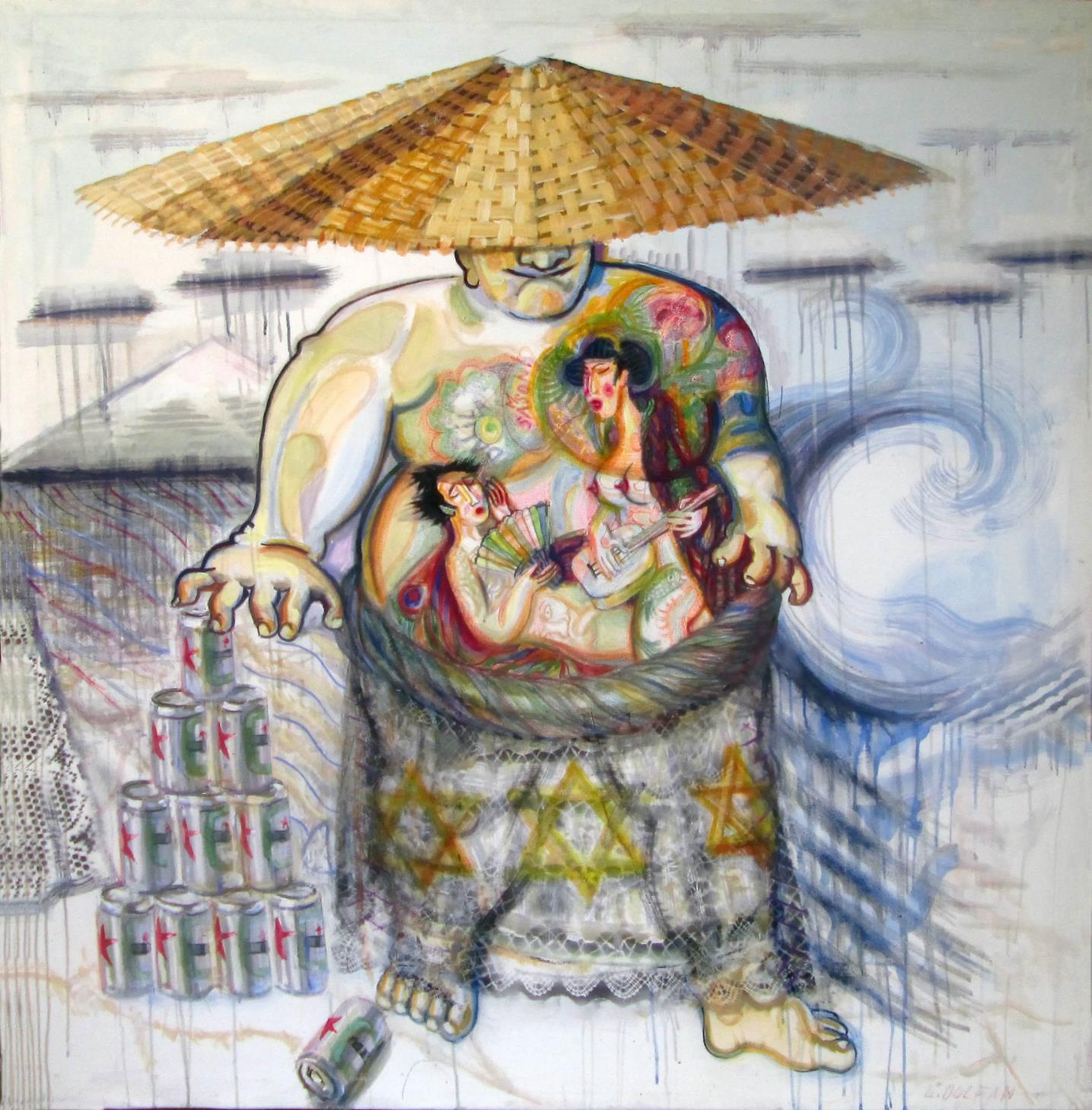
12. If you asked a viewer to come to one of your paintings and "speak" with it, which painting would you offer them—and what do you want them to talk to it about?
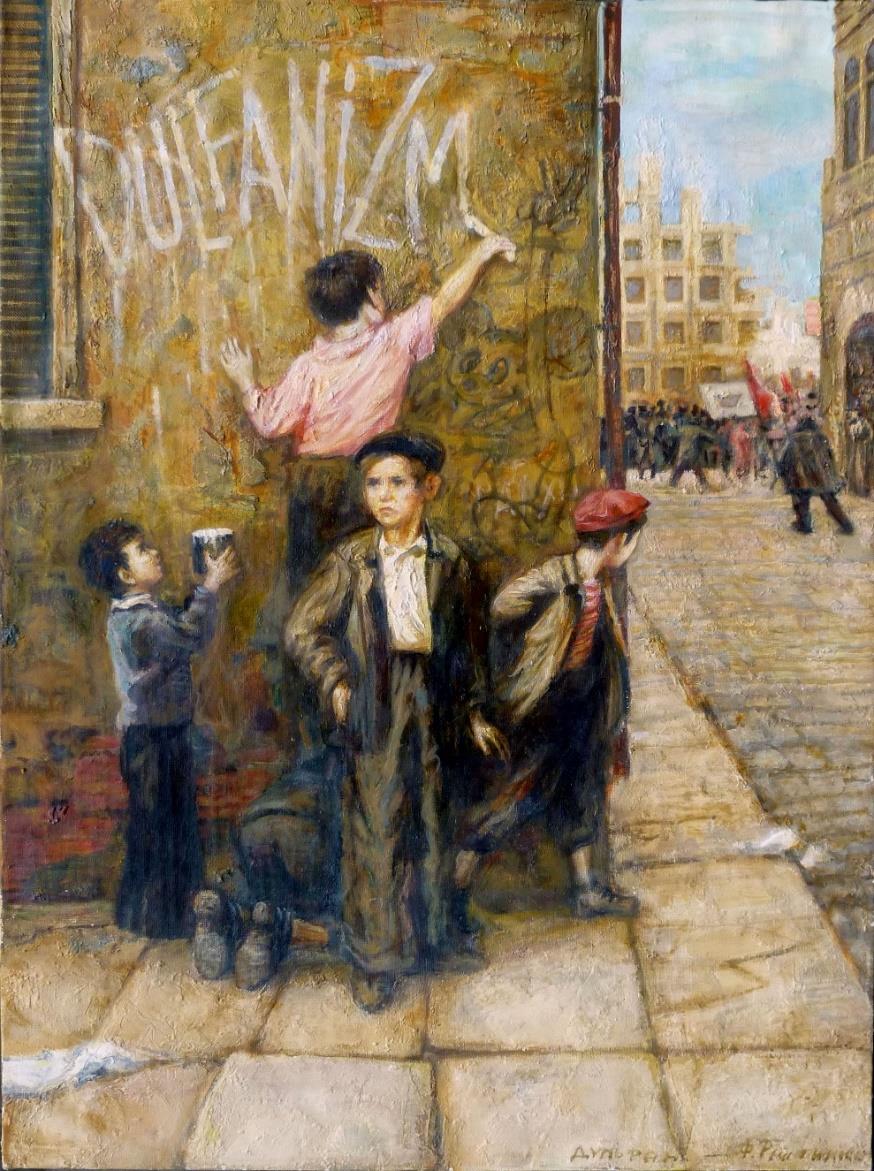
Lucien Dulfan does not use a full stop—he always leaves space for a new brushstroke or a sharp word. This "silent" dialogue with the paintings is complete, but the artist himself continues to speak, argue, and create his myths in real-time.
This article is published on the eve of the birthday of Lucien Dulfan—the ultimate rebel of the Odessa-American avant-garde. We wish the maestro never lowers the intensity of his artistic fury, that he continues to tease eternity, and transforms the chaos of time into pure art. May the era of 'Dulfanism' endure for as long as the artist himself desires.
Dulfanism is a living process. To see more, we recommend visiting HUDPROMO, where you can explore a wide selection of Lucien’s paintings and get in touch to acquire his work.