

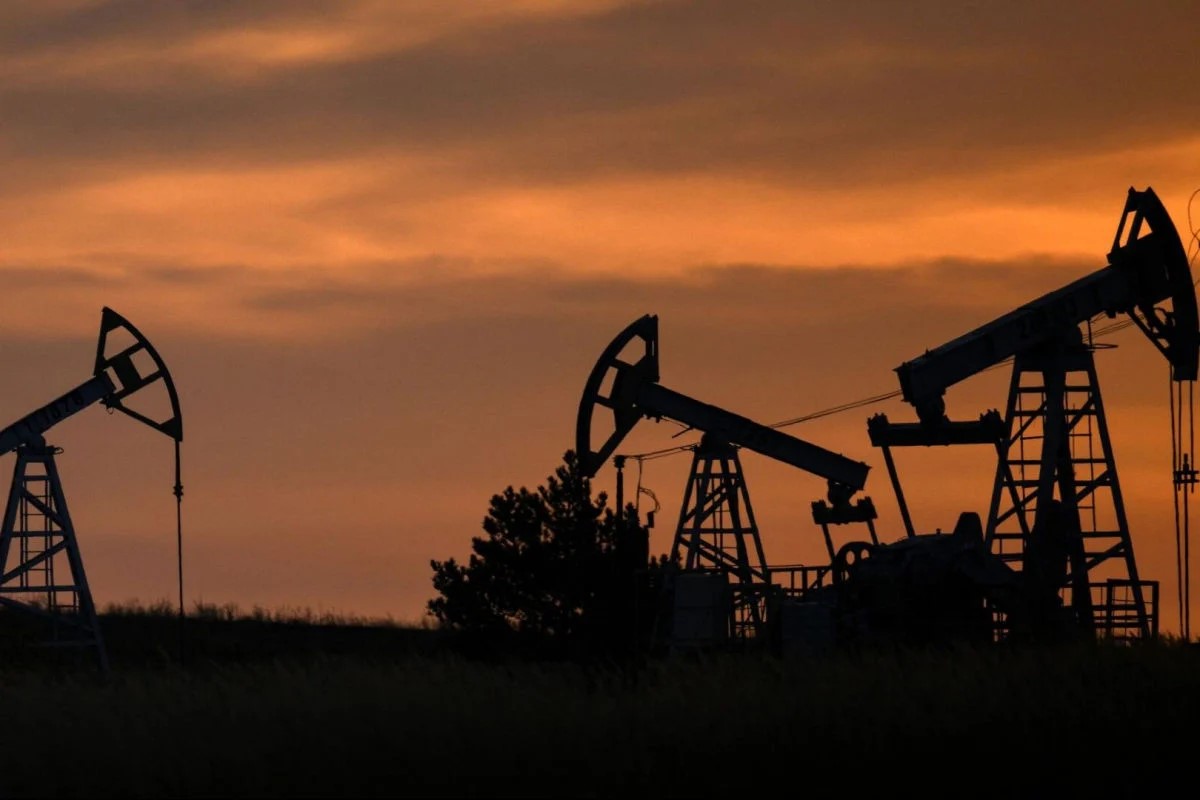

Russian state bank VTB is initiating bankruptcy proceedings against the oil group First Oil, with the company owing the bank $78.3 million. The group produces up to 500,000 tons of oil per year in the Komi Republic and the Khanty-Mansi Autonomous Okrug and has confirmed reserves of around 14 million tons. All of these assets will now come under state control.
The reasons for the collapse are systemic. Sanctions pressure has pushed Russian oil prices below $40 per barrel, making some fields unprofitable. The Central Bank’s high key rate has made debt refinancing impossible. In 2025, the aggregate result of Russian extraction companies was a loss of $7.5 billion, while the total volume of restructured industry loans reached $35.2 billion—effectively, one in every five industry loans was renegotiated under new terms.
First Oil is not an exception but part of a wider wave. At the end of 2025, Yangpur—a structure of Belorusneft in the Yamalo-Nenets Autonomous Okrug—went bankrupt. Previously, the Astrakhan Oil Company and NK Gorny collapsed following tax claims. Half of all Russian oil and gas companies are now operating at a loss: from January to November, the total loss was 575 billion rubles. Those still profitable have seen profits fall by more than half, down to 3 trillion rubles.
The debt market is collapsing separately. In January 2026 alone, Russian companies failed to meet debt obligations 51 times—twice as many as a year earlier. The total missed payments amounted to 3.38 billion rubles, compared with 1.78 billion in January 2025. In just one week, 10 companies defaulted. Over the entire year 2025, there were 25 bond defaults—a record since 2022.
According to the Central Bank, 11% of all corporate loans are already problematic. Including restructured loans, nearly 15% of the total corporate portfolio is affected. Loans subject to restructuring include 2.7 trillion rubles in oil and gas, the same amount in industry, and 1.6 trillion in metallurgy and mining. Coal companies have accumulated over 300 billion rubles of net losses.
Default rates in 2026 are already significantly higher than in 2025, and credit quality is expected to continue deteriorating. Aleksandr Shokhin, head of RSPP—the largest business association in Russia, whose board includes billionaires from the Forbes list—openly admitted that Russian business does not believe the tax pressure is temporary and expects further deterioration in fiscal conditions over the next five years.