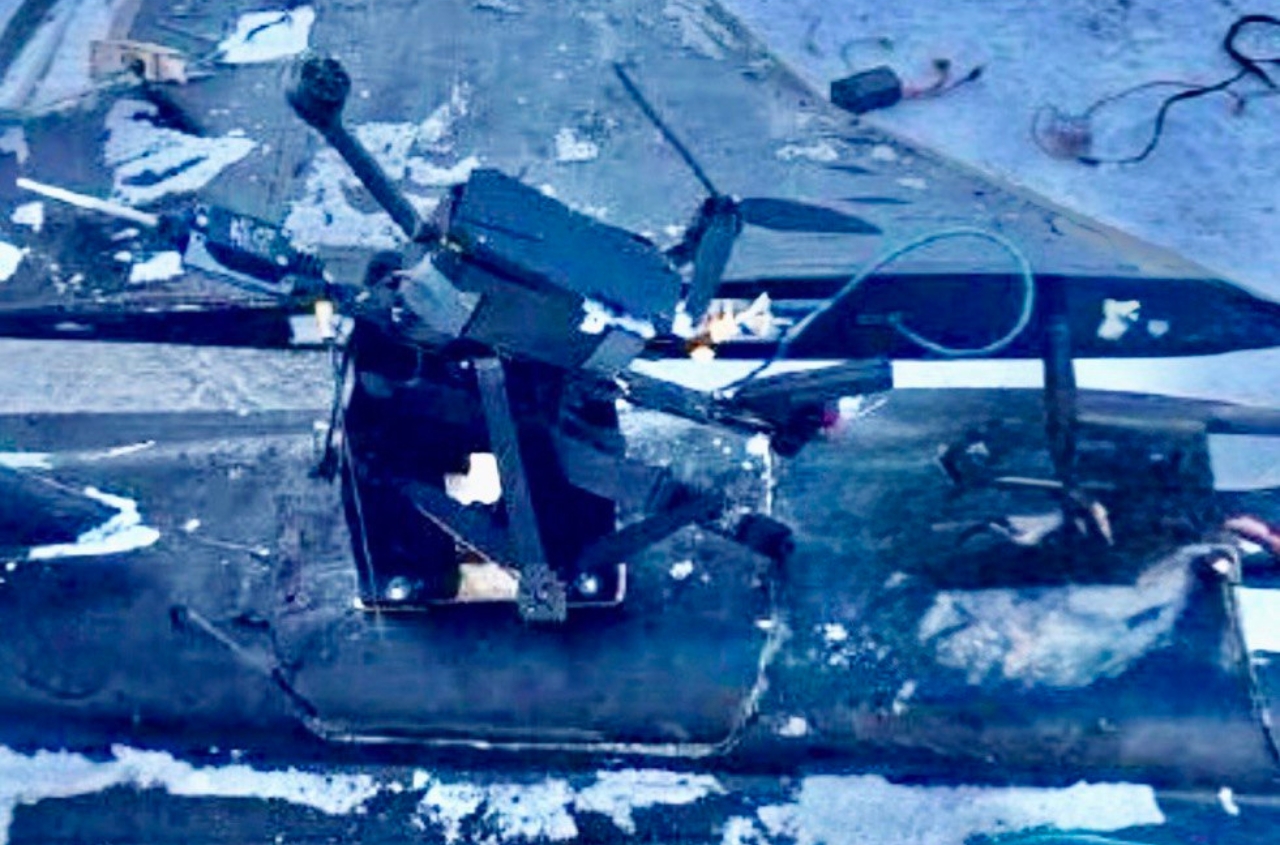

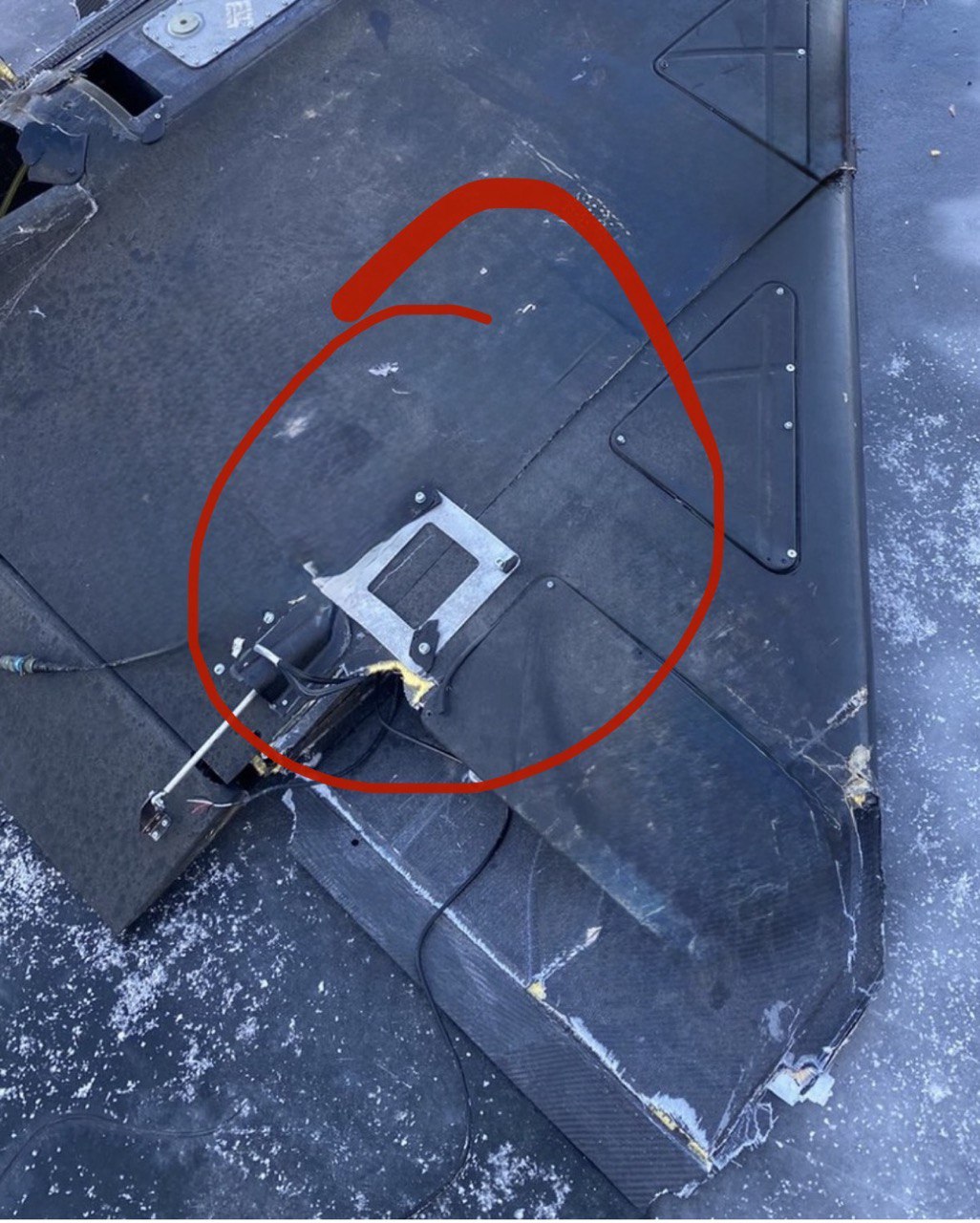
The Russians have come up with the simplest way to control FPV drones – dropping them from other UAVs. More precisely, they adopted this method from the Defense Forces, according to Defense Ministry adviser Serhiy Beskrestnov (Flash), who explained in detail how the Russian forces are using this technology.
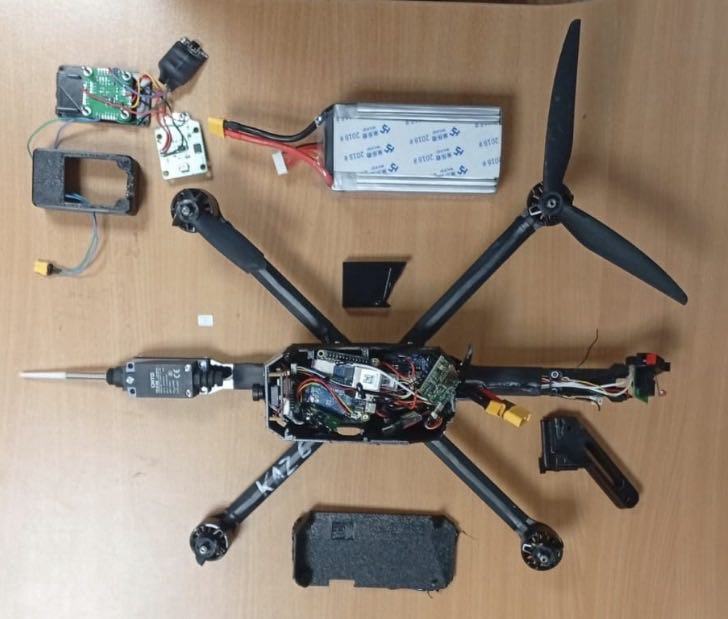
According to him, this involves controlling FPV drones via LTE mobile networks.
“They figured out that FPV drones can be carried on winged UAVs to locations where mobile coverage is strong and stable, and then dropped onto targets. These drones are operated remotely from Russia, and the flight time lasts just minutes. For these operations, Ukrainian SIM cards are being used, among others,” Flash explained.
The Ukrainian side is already working on this problem 24/7, involving “hundreds of people.” In particular, they are responding symmetrically on LTE. The Russians have long implemented data service restrictions at home, but this does not save them. Flash noted that no matter how clever the Defense Forces’ algorithms are, the Russian forces will always try to find ways to bypass them. He emphasized that Ukrainians should know and understand what is happening.
One solution that could help mitigate the issue is selling SIM cards tied to passports with quantity limits. This is “politically unpopular” and requires changes in the law (approval by the Verkhovna Rada). Flash advocates for adopting it at least for the duration of martial law.
“This won’t solve everything 100%, but some results will be achieved. Imagine that currently anyone could buy 3,000 SIM cards without any problem and send them to Russia. Selling them with passport restrictions will at least limit the massive scale of this uncontrolled process,” Flash said.
He added that the Russians are using new SIM cards for their operations, and no one is going to run around buying them from, for example, pensioners just for FPV drones.
Another potential solution is to disable data services in one form or another, but it’s important to understand how disruptive this would be for the country.
“Unfortunately, friends, this is war. It affects all of us in all its forms,” the minister’s adviser concluded.