


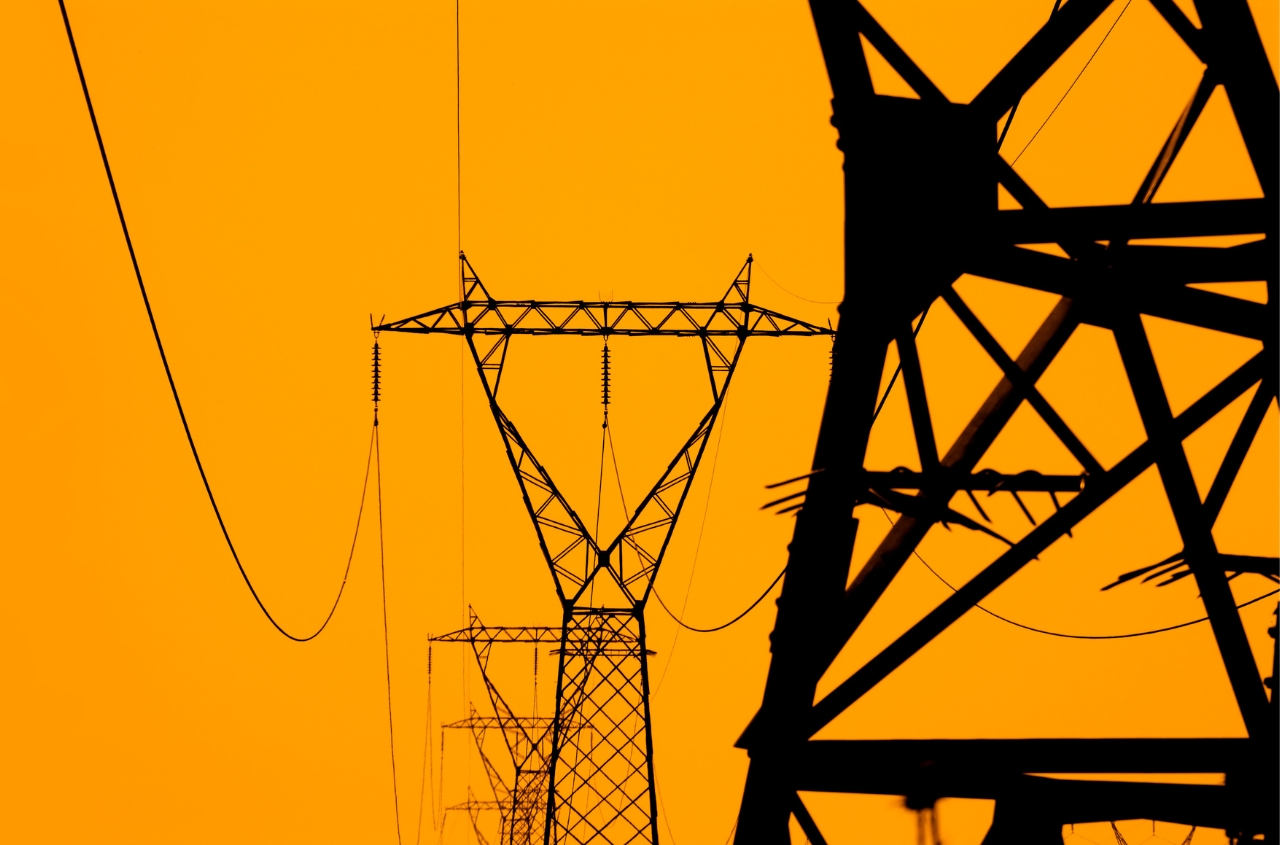

Leading Ukrainian investment company Dragon Capital forecasts the expected average annual electricity deficit to rise to 10% in 2026, up from 4% in 2025, founder Tomas Fiala reported.
“Preliminary data show that we ended 2025 with GDP growth of 1.8%. For 2026, the assumption of 1% GDP growth is based on the continuation of the war throughout the year and a significant electricity deficit in Ukraine,” Fiala said during the EBA Global Outlook: Success in Adversity event organized by the European Business Association (EBA) in Kyiv on Tuesday.
He noted that the electricity deficit was 4% in 2025 and is expected to reach 10% in 2026, with early signs of deterioration, partly due to unfavorable weather.
“So far, we are starting slightly worse than the 10% level, but we hope the situation will improve somewhat, thanks also to better weather and new investments in the sector. It should be noted that the weather was quite unfavorable—this year’s average temperature is lower than last year, which also increased electricity consumption and the deficit,” Fiala explained.
He added that the state budget remains well-funded thanks to partner support, including the EU-approved EUR 90 billion loan. Ukraine expects to receive over $50 billion in external financing this year, matching last year’s level, which will cover the projected budget deficit of around $50 billion.
Fiala also forecasted a moderate hryvnia depreciation against the dollar of 3–7%. He noted that tax revenues in dollar terms already matched pre-war levels in 2024 and exceeded them in 2025.
Regarding investments, he said Dragon Capital last year nearly reached pre-war levels, implementing or launching projects worth almost $100 million. This year, investment volumes are expected to grow, with plans to raise over $550 million across three new funds, 70% of which will be allocated to new construction projects.