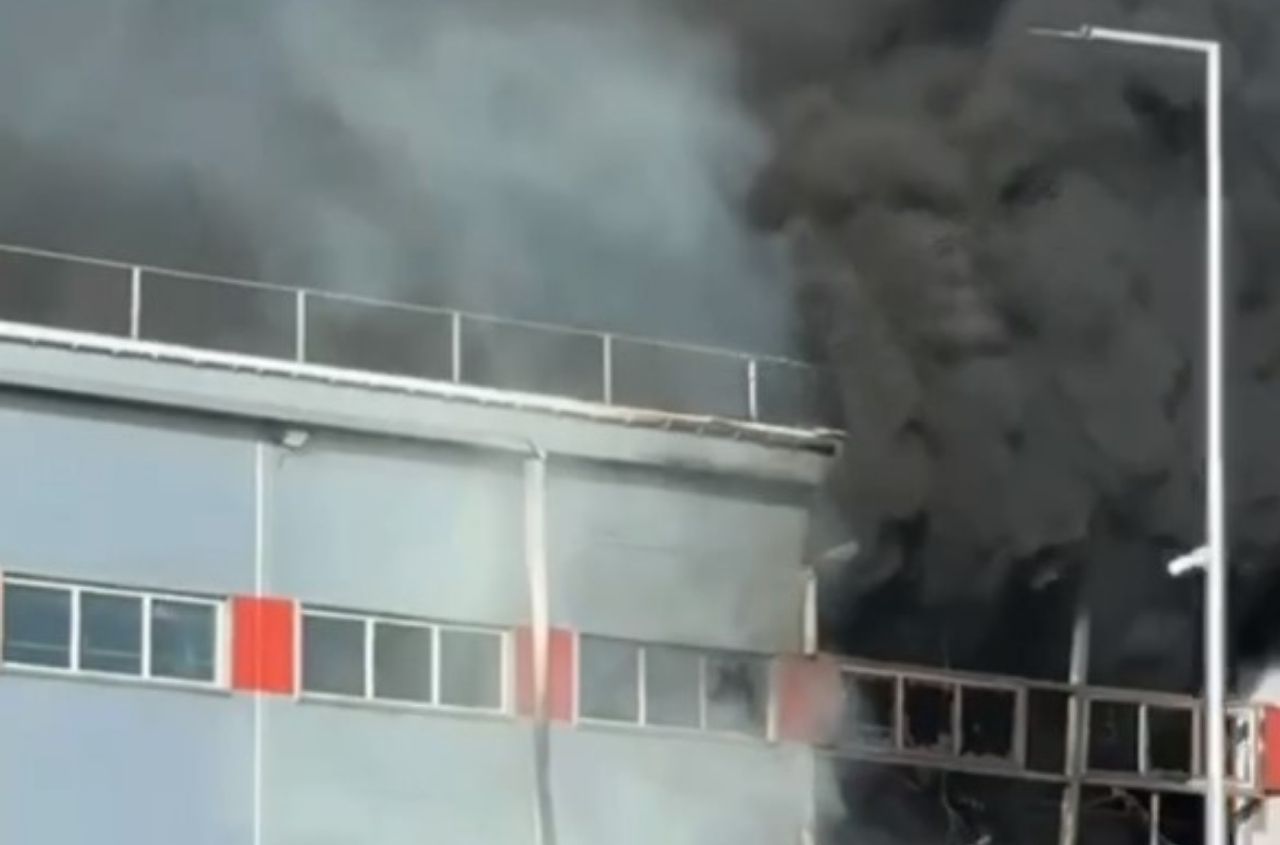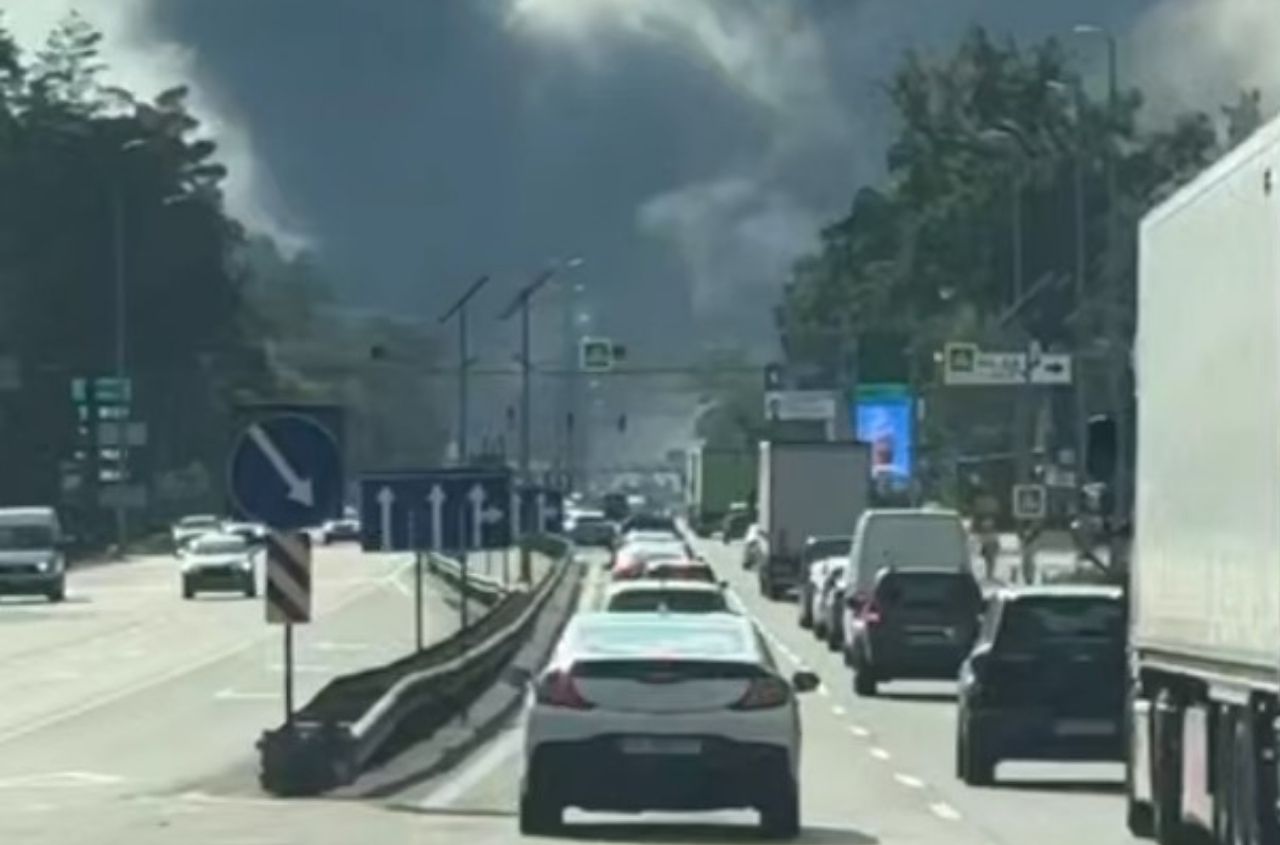

Russia is launching a continuous stream of drones at Kyiv. This tactic of destruction could be described as a kind of infernal “Moscow Air Express.”
The logistics system of the Kyiv metropolitan region is being systematically disrupted. There are no ready-made algorithms for rapidly restoring it. One obvious solution is to decentralise logistics, but this would increase transport and logistics mark-ups in the price of goods by at least 20–30%. These costs will ultimately be passed on to consumers.
VAT on essential goods needs to be reduced urgently. Otherwise, by autumn we could face a price tsunami affecting the goods that matter most to the population.
The current logistics crisis should neither be underestimated nor compared with 2022. Back then, logistics chains were being reformatted. Today, they are being destroyed.
The tertiary sector of the economy — trade and services — now accounts for more than 70% of Ukraine’s GDP. This economic output is generated in shopping centres, supermarkets, cafés and other businesses, many of which stop operating during air raid alerts.
In other words, the logistics crisis could develop into a recession — a decline in GDP for more than two consecutive quarters.
Some people dislike an economy built around the proverbial “coconut-milk latte,” but this is precisely the economy that was chaotically created here before 2022, while industry was being cancelled and marginalised.
As a result, the “coconut-milk latte economy” now accounts for more than 70% of taxes, jobs and GDP. If we abandon it, no more than a third of the functioning economy will remain, while trade will shift to open-air markets and fairs — in other words, into the shadow economy.
Europe would then have to be asked to double its financial assistance, providing Ukraine not with $40 billion a year but $80 billion.
The government’s main task, therefore, is to create a two-track economic model consisting of a civilian sector and a military sector. The former generates profits and finances the latter through effective channels for transferring financial resources, while the latter provides the security that allows the civilian economy to function.
The order in which these sectors are mentioned reflects economic parameters rather than their actual importance to the country.
Ukraine still lacks an effective model for transferring profits from the civilian economy to the military sector. This leads to an underestimation of the importance of the civilian economy and, consequently, an overestimation of the role of external assistance and the resources of closed corporate structures within the defence industry.
There is another important point.
The global popularity of Israeli air defence systems is largely explained by their proven effectiveness “at home.”
For this reason, all discussions about allowing Ukrainian weapons exports to other countries, as well as proposals to protect Saudi Arabia against Iranian drones, should be postponed until Ukraine can protect the skies over its own capital.
Saudi Arabia is also analysing the current situation as it chooses partners for the development of its new air defence systems.
There is no need to rush into promises to protect someone else. Ukraine first needs to demonstrate that it can effectively protect itself. If other countries see that effectiveness, they will come forward with proposals and resources themselves.