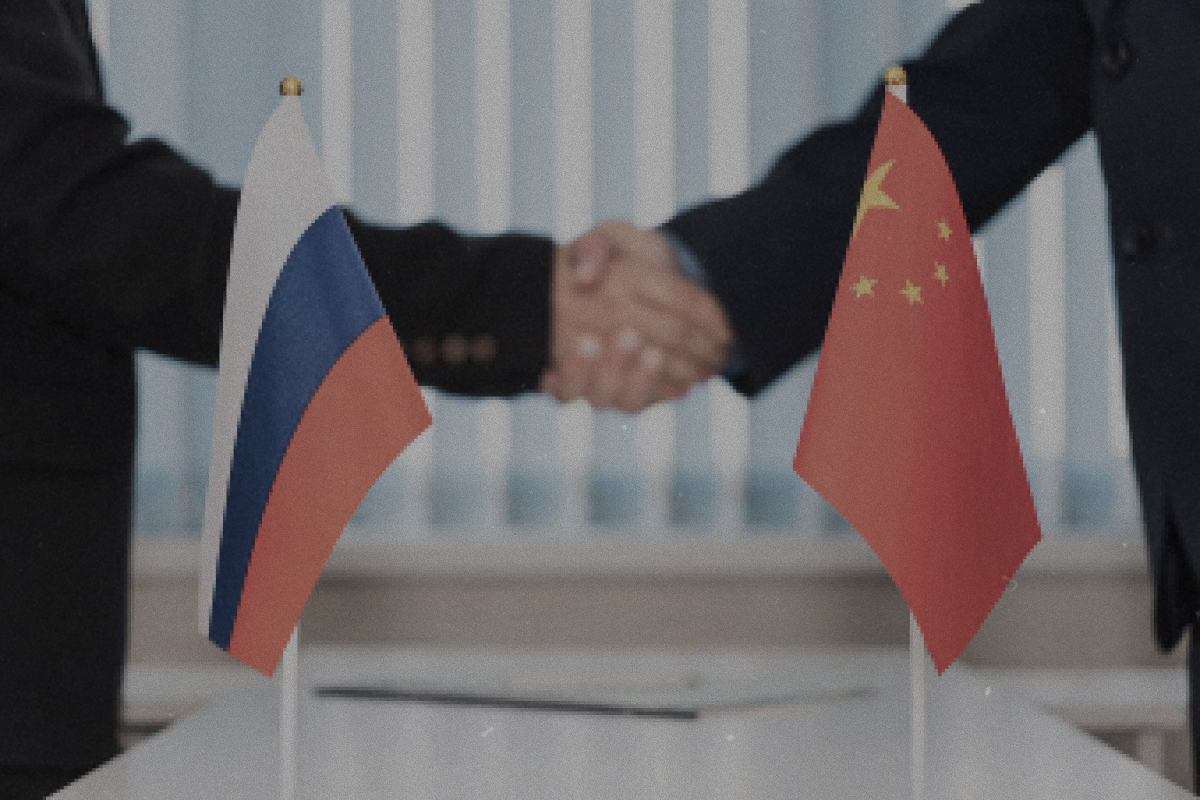



The Center for European Policy Analysis (CEPA) has published an investigation detailing large-scale influence operations conducted by Russia and China using artificial intelligence technologies. According to the report, a key objective of these information campaigns is to undermine international support for Ukraine and fuel war fatigue among European and American audiences.
The Russian propaganda network Storm-1516 has increasingly focused its efforts on Ukraine’s major European donors, particularly Germany, which has allocated €9 billion in military assistance, and France.
CEPA analysts stress that Russia is no longer operating alone. Chinese AI models such as DeepSeek have been identified as tools used in information campaigns. Such technologies make it possible to generate fake news, synthetic videos and deepfakes on an industrial scale.
According to the investigation, Kremlin-linked actors have recently circulated dozens of disinformation narratives that collectively generated more than 274 million views. A central message of these campaigns is that financial and military assistance to Ukraine is supposedly impoverishing Europeans and pushing NATO towards a direct confrontation with Russia.
One of the main vulnerabilities lies in the cross-border nature of the internet. Disinformation created in Russia can be rapidly amplified by Telegram channels and poorly protected US-based platforms before reaching mainstream European media, where it may be presented as an expression of public opinion.
CEPA argues that strict platform regulation alone has only a limited effect. The most effective tools for countering disinformation remain strengthening independent journalism, supporting fact-checking and rapidly providing Western European audiences with accurate information about the war, as societal resilience ultimately depends on the quality of the information environment.