


By Viktor Yahun
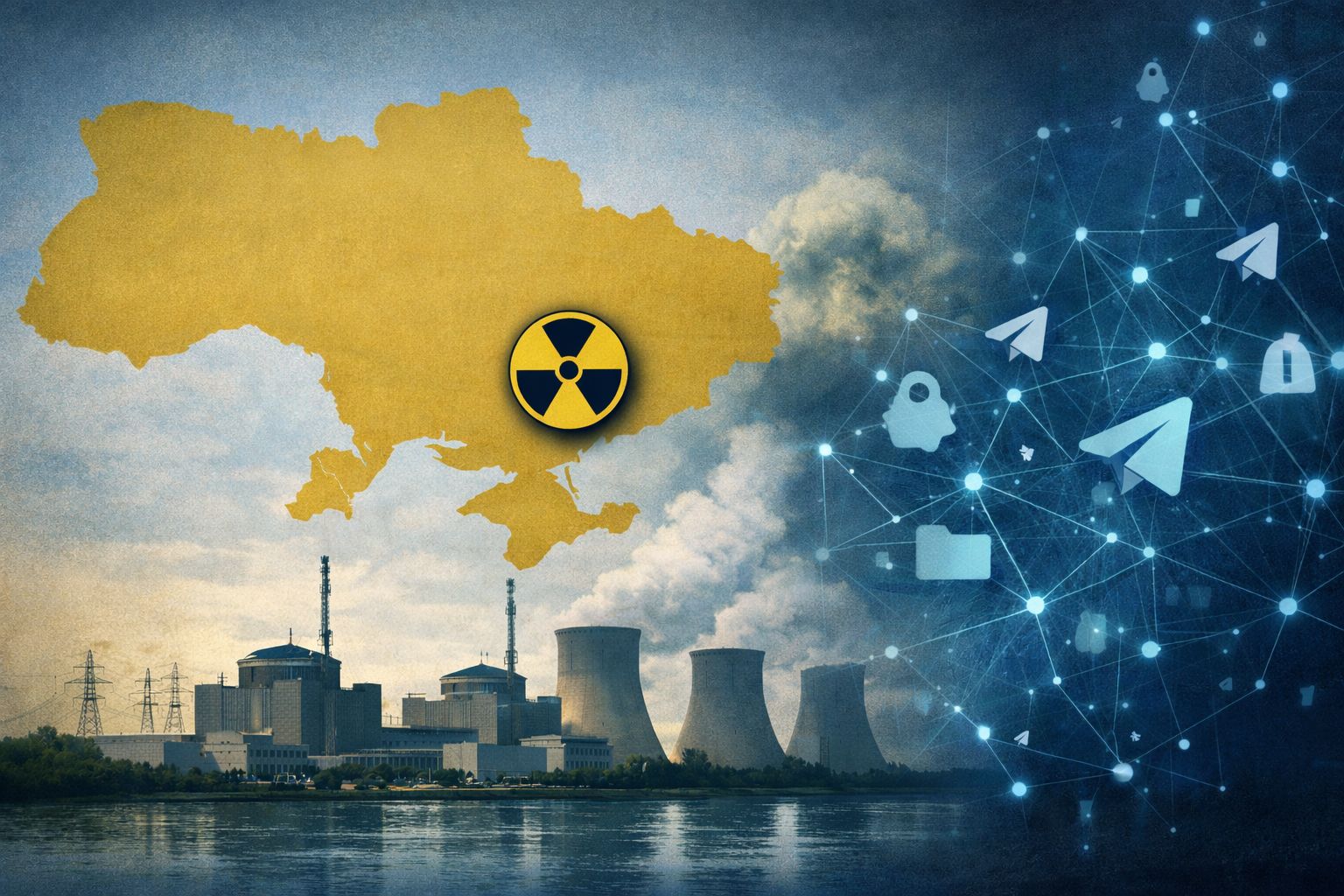
When Russian media and statements from their officials start using words like “dirty bomb,” “radiation provocation,” or “Ukraine is preparing nuclear weapons,” we are not dealing with random statements, but with a typical multi-layered information and psychological operations campaign. This is a classic Kremlin scheme: first, an information drop via the SVR, the Russian Foreign Ministry, or “expert” platforms; then amplification on proxy media and Telegram networks; next—relay to Western fringe political platforms with the message: “the war must be stopped immediately because Ukraine is dangerous.” The ISW and a number of other analytical centers have repeatedly recorded this tactic as information preparation for blackmail or cover for Russia’s own escalation actions.
This is the first layer—the informational layer. Its goal is simple and pragmatic: to influence negotiation frameworks in Washington, Brussels, Berlin, and Paris, sow fear of a “nuclear catastrophe,” and pressure partners to push Ukraine toward a “ceasefire at any cost.” Russia systematically uses the theme of nuclear escalation as a bargaining tool, as well as the topics of “tactical nuclear weapons,” their placement in Belarus, or manipulations around arms control treaties. This is not a new phenomenon—but now it is synchronized with negotiations and sanctions packages.
The second layer is the real, technogenic risk of war around the Zaporizhzhia Nuclear Power Plant (ZNPP). This is not necessarily related to a terrorist act or a “dirty bomb,” but is an objective consequence of operating a nuclear plant in a combat zone. ZNPP depends on external power for its cooling systems; transmission lines have been repeatedly damaged; access for IAEA inspectors to certain facilities has been limited; staff work under pressure from the occupation administration; and the station is effectively used as a Russian military base. Under such conditions, the risk of an incident increases even without deliberate sabotage—through human error, line damage, fire, or loss of backup power.
The key point: there is no public evidence that Russia is planning a specific “radiation explosion” scenario—otherwise it would already have been noted in IAEA reports or allied intelligence. Yet the Kremlin strategically keeps the option of “controlled escalation”—informational or technogenic—as a pressure tool. They can create crises around the plant’s power supply, restrict inspector access, manipulate information about “leaks,” and simultaneously blame Ukraine.
Practical conclusion: this is not just information noise, because it overlays real technogenic risks of war. But it is also not a reason to panic about “Chernobyl tomorrow.” The most likely scenario is continued nuclear blackmail, periodic crises around ZNPP, and attempts to use the radiation theme for political pressure on the West.
What is important for Ukraine and its partners: there must be a permanent international IAEA presence at the plant, a firm diplomatic line demanding demilitarization of ZNPP, monitoring of power lines and backup systems, and—most importantly—societal information resilience. Because the Kremlin’s main goal is fear and distrust, not the radiation itself.
We have already seen how Russia uses fear as a war technology—through “double explosions,” sabotage in the rear, energy terrorism, and recruitment via Telegram. The nuclear theme is just the next level of the same strategy.
Ukraine must respond not with panic, but with calm, systematic work: intelligence, diplomacy, risk control, and an international coalition. Nuclear blackmail only works where there is fear and chaos.